How To Move A 1000 Lb Gun Safe – Safe Moving Guide
To move a 1,000 lb gun safe safely, start by confirming its weight and measuring doorways to make sure it can fit through.
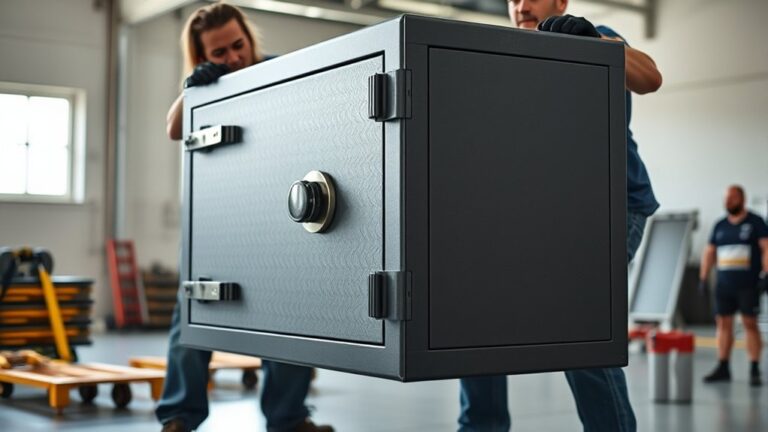
Clear the path by removing any obstacles that could get in the way. Use heavy-duty dollies, ratchet straps, and furniture pads to protect your floors and the safe itself.
It’s a good idea to get multiple helpers or even professionals, especially if you’re dealing with stairs or tight spaces. Having enough people makes the job safer and easier.
Once the safe is in place, secure it firmly using shims or anchors to prevent it from tipping over. Taking these steps helps minimize risks and makes the move smoother.
If you want to master each step, be sure to explore further details and tips for each part of the process.
Figuring Out Your Gun Safe’s Weight
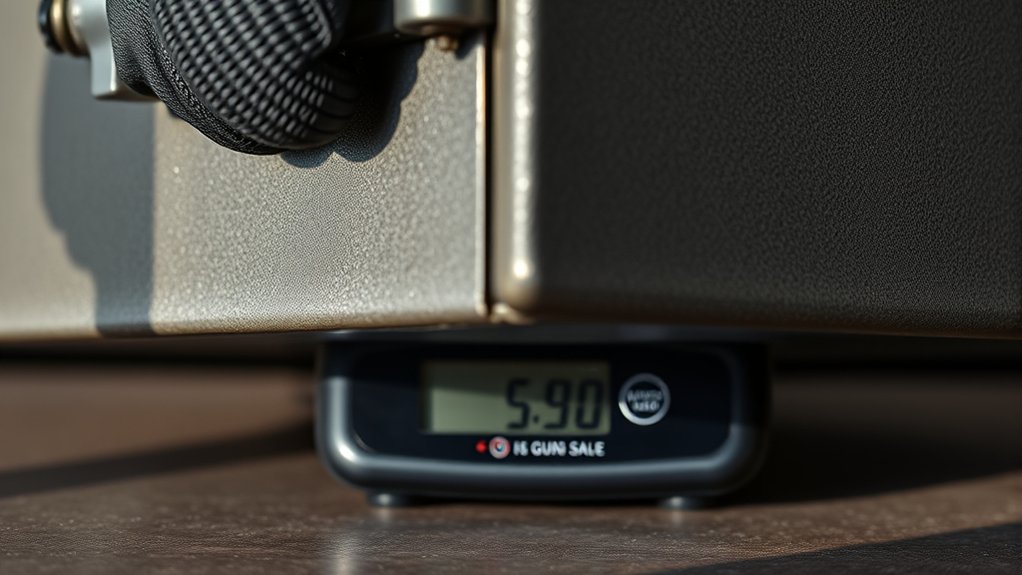
Before you move your gun safe, it’s important to know exactly how much it weighs.
Safe weights can vary a lot. Small models might start around 200 lbs, while larger, commercial-grade safes can weigh over 1,000 lbs.
The weight depends on things like the construction materials used, such as steel gauge and fire-resistant insulation.
You’ll usually find the exact weight on the manufacturer’s label, which is typically located inside the door or on the back of the safe.
Knowing this weight is crucial for planning your move. It helps you decide whether you need professional help or special equipment.
Once you have the weight, gather enough moving blankets. These will protect the safe and your surroundings during transport.
Having an accurate idea of the weight ensures safety and efficiency. It can help you avoid damaging the safe or injuring yourself while moving it.
Preparing Your Gun Safe and Space Before Moving
Knowing your safe’s weight helps you prepare both the safe and the space around it for a smooth move. Start by measuring your safe’s dimensions to see if it will fit through doorways, hallways, and stairwells. It’s a good idea to check this before you start moving stuff.
Knowing your safe’s size and weight ensures it fits and moves smoothly through your home.
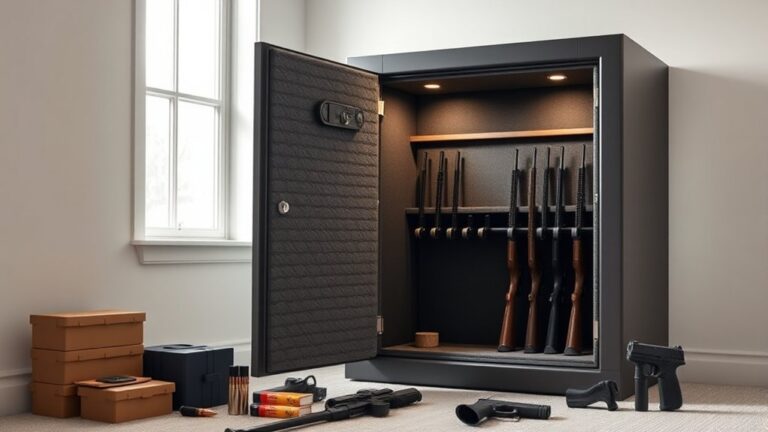
Next, remove everything from inside the safe—firearms, valuables, shelves, and accessories. This not only makes the safe lighter but also helps prevent any damage. Lock the safe and tape the door shut, or if possible, remove the door itself to make handling easier.
When preparing your space, protect your floors and walls. Lay down blankets, plywood, or cardboard along the path you’ll be moving the safe. This padding helps prevent scratches and damage during transport.
Taking these simple steps makes your move safer and more efficient. It also helps keep your property and safe in good shape.
Tools You’ll Need to Move a Heavy Gun Safe
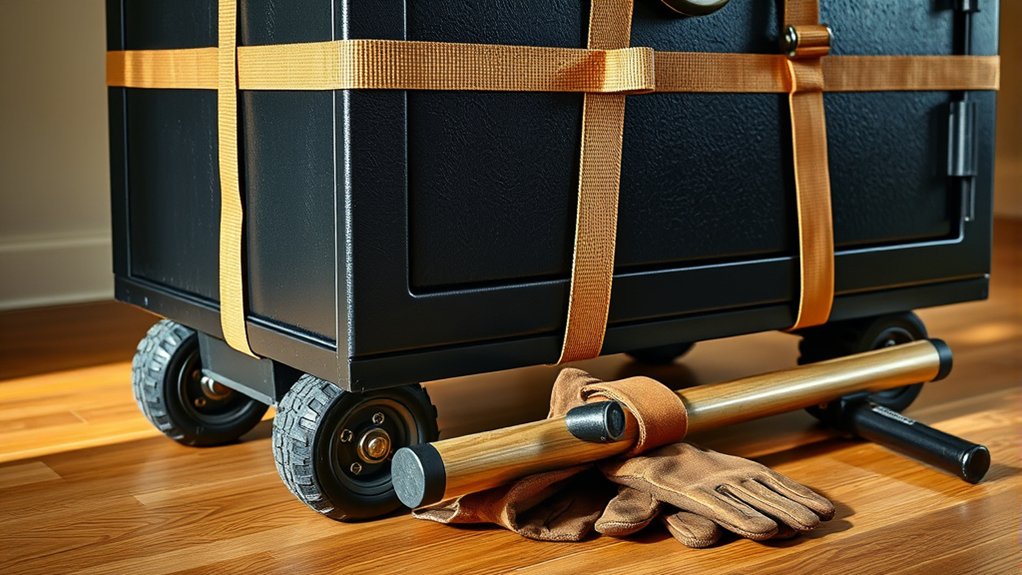
Although moving a 1000 lb gun safe is definitely a challenge, having the right tools makes the process much easier and safer.
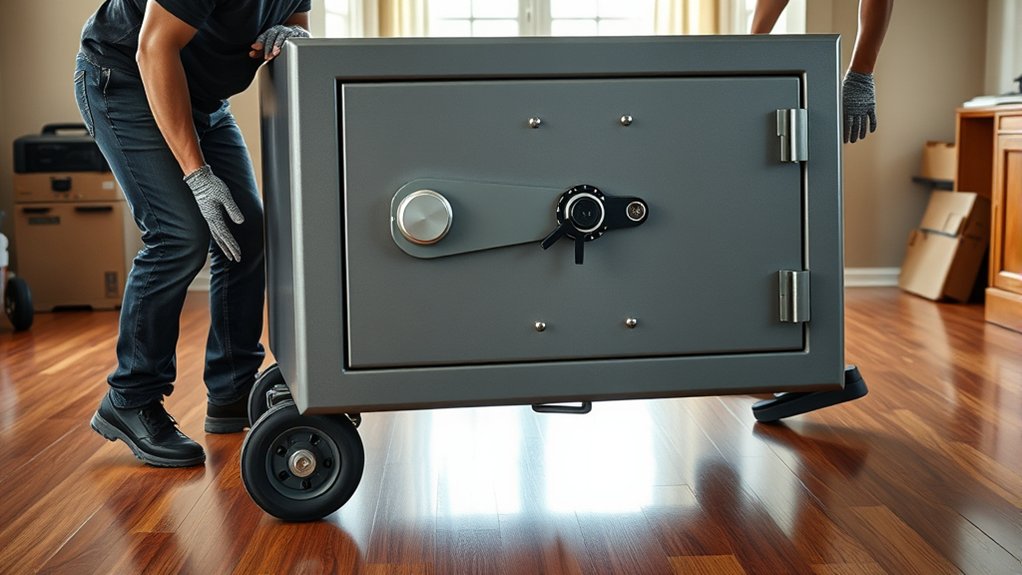
Start with a heavy-duty appliance dolly that’s rated for at least 1,000 lbs. This will give you a secure way to support the safe’s weight.
Next, use ratchet straps to tightly fasten the safe to the dolly. This helps prevent any shifting while you’re moving it.
Don’t forget to protect your walls and the safe itself with furniture pads or moving blankets. These will help prevent scratches or damage during the move.
Heavy pipes or steel tubing are great for rolling the safe smoothly across floors. They act as specialized tools that make maneuvering easier.
And of course, make sure you’re wearing personal protective gear. Steel-toe boots, gloves, and back braces are essential for safeguarding yourself.
Having the right heavy-duty equipment ensures you can move your gun safe efficiently without risking damage or injury.
How to Protect Floors and Walls During the Move
To protect your floors, a good trick is to lay down plywood sheets or some thick moving blankets under the safe. This helps spread out the weight evenly and keeps scratches at bay.
Wrapping the safe with furniture pads is also a smart move—it cushions it and adds an extra layer of protection. When you’re ready to move, using sliders can really help reduce friction, making it easier to glide the safe along without damaging your floors or walls.
Don’t forget to pad the corners and doorframes too—those spots are especially vulnerable.
And before you start moving anything, take a moment to plan your route. Clearing tight spots and obstacles will make the whole process smoother and safer for your walls and floors.
Floor Protection Methods
Three key materials—plywood sheets, moving blankets, and foam padding—can save your floors and walls from damage when moving a 1000 lb gun safe.
Start by laying plywood sheets or Masonite panels on your floors. This helps evenly distribute the safe’s weight and prevents floor damage from concentrated pressure.
Next, place moving blankets or thick padding directly under the safe to shield against scratches and dents. Use non-slip mats at doorways and tight spots to reduce friction, making sliding safer and easier.
Secure all protective layers tightly around the safe so they don’t shift during the move. These floor protection methods help minimize risks and keep your surfaces intact.
That way, your heavy safe won’t leave a mark on your home.
Wall Damage Prevention
When moving a 1000 lb gun safe, protecting your walls is just as important as safeguarding your floors. Start by placing protective padding like moving blankets or cardboard along walls and doorframes. This helps prevent scratches and dents during the move.
Next, remove or trim door trim and clear any wall-mounted obstacles. Doing this increases clearance and reduces the chance of accidental impacts.
For floor protection, lay down plywood sheets or Masonite panels. This creates a smooth, friction-reducing surface that makes sliding the safe easier.
Use furniture sliders or heavy-duty pads under the safe. This prevents floor scratches when you’re sliding it into place.
Carefully wrap and secure the safe with blankets or padding. Make sure there are no sharp edges that could damage the walls or floors during the move.
Following these steps will help you move the safe efficiently while keeping both your walls and floors in good shape.
Step-by-Step Guide to Moving a Gun Safe Safely
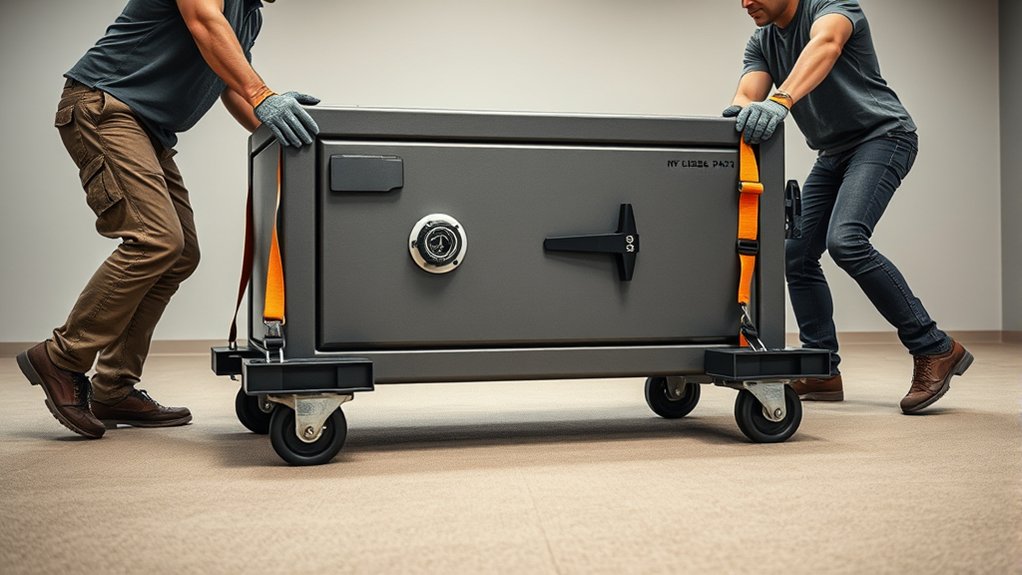
Although moving a 1000 lb gun safe demands careful preparation, you can manage it safely by planning your route, measuring doorways, and clearing obstacles ahead of time.
Gather multiple helpers to evenly distribute the heavy weight and protect both the safe and your space. Wrapping the gun safe with furniture pads and securing it tightly with straps before moving helps prevent damage.
Enlist several helpers and use furniture pads and straps to protect your safe and surroundings during the move.
Tilt the safe back carefully and slide a heavy-duty dolly underneath. Fasten it with ratchet straps to keep it secure during transit.
Move slowly and steadily, especially through tight spaces or stairs. Use specialized tools like stair-climbing dollies or rigging equipment when needed.
When and Why to Hire Professional Safe Movers
When you’re dealing with a 1000 lb gun safe, it’s really important to think carefully about whether you should try moving it yourself. These things are heavy and tricky to handle, so assessing the complexity of the move is key before you start lifting.
That’s where professional safe movers come in. They’ve got the right tools and experience to get the job done safely and efficiently. Hiring experts can help you avoid accidents, damage to your property, and even injuries.
Assessing Move Complexity
Because moving a 1000 lb gun safe poses significant risks, you should carefully assess the complexity of the task before trying it yourself. Think about how heavy the safe is and the route you need to take. Narrow hallways, tight corners, and staircases can make things a lot more difficult.
You might need specialized equipment like a stair-climbing dolly and rigging systems to secure the safe properly. Without the right gear, you’re risking injury and property damage. If your move involves stairs or uneven surfaces, the challenge only gets bigger.
Even if you have some equipment, lacking experience in handling such heavy loads can cause tipping hazards. To move a gun safe safely, it’s important to evaluate all these factors carefully.
If the job seems too complex or risky, it’s best to get professional help. Professional movers have the right equipment and experience to do it safely. Trying to handle it on your own could lead to costly mistakes or injuries.
When in doubt, know when to call in the experts to get the job done right.
Benefits Of Professional Help
If moving your 1000 lb gun safe feels overwhelming, hiring professional safe movers can really save you time, effort, and stress.
These experts have specialized equipment like hydraulic lifts and stair-climbing dollies to handle heavy safes safely. They know how to navigate stairs and tight spaces without risking damage or injury.
They use proper techniques to ensure the safe is secured and balanced during the move. Plus, they plan the route carefully to prevent tipping or dropping the safe.
Professional safe movers also carry insurance, so you’re protected if anything goes wrong during the move.
Their services usually cost between $350 and $1,200. While that might seem like a lot, it guarantees efficiency and peace of mind.
When safety and precision are important, trusting professionals is the smart choice to avoid injuries, property damage, and unnecessary hassle.
Positioning and Securing Your Gun Safe After Moving
Once you’ve moved the safe into place, take a moment to position it carefully. Make sure it sits level and stable on the floor.
Use furniture sliders or shims to help with leveling and to prevent any wobbling. You want to secure the safe so it’s stable and won’t tip over accidentally.
If your floor allows, consider anchoring the safe with bolts or specialized floor anchors. This step is really important for safety and security.
Only remove any protective wrapping after you’ve confirmed the safe is stable and securely anchored.
Finally, do a thorough safety check. Verify that the safe is level, stable, and properly anchored.
This careful approach helps ensure your gun safe stays secure and functions just as it should. It gives you peace of mind knowing it’s properly set up.
Frequently Asked Questions
Can I Move a 1,000 Lb Gun Safe by Myself Safely?
You can’t move a 1,000 lb gun safe by yourself safely without risking injury or damage.
Safe lifting isn’t just about strength; it’s about using the right techniques and safety gear.
Trying to do it alone can lead to accidents or damage to your property.
Renting equipment like hydraulic lifts or stair-climbing dollies can help, but even then, it’s best to get professional assistance.
Experts who specialize in heavy safe moves know how to handle these tricky jobs safely.
Don’t underestimate how challenging this can be.
Hiring professionals protects you and your property from potential harm.
How Do I Dispose of Old Gun Safe Parts After Moving?
Did you know over 80% of steel gets recycled annually? That’s pretty great for the environment!
When disposing of old gun safe parts, start by removing all the components. Take out shelves, locks, and any electronics. It’s best to handle each part carefully.
Check with your local recycling centers to see if they accept steel parts. Many places do, so it’s worth a quick call or visit to find out.
If your safe has hazardous materials like batteries or fire-resistant insulation, handle those carefully. Make sure to follow environmental regulations when disposing of these items.
Also, remember to drain any chemicals or fluids before discarding the parts. Doing so keeps everything safe and compliant with local rules.
What Insurance Options Cover Damage During Safe Relocation?
You’ll find most movers offer insurance that covers damage during safe relocation. But it’s important to pay attention to coverage limitations, especially related to your safe’s declared value.
Before moving, make sure you understand the policy requirements and the process for filing claims. This helps you avoid any surprises later on.
It’s a good idea to document your safe’s condition thoroughly before the move. This will support any insurance claims if needed.
If your safe is high-value, think about purchasing additional coverage for better protection against damage.
Knowing these details will help you feel more confident and prepared to handle insurance claims smoothly.
Are There Legal Restrictions on Moving Gun Safes Across State Lines?
You might think moving a 1000 lb gun safe across state lines is as simple as rolling a boulder downhill, but state regulations say otherwise.
You’ll need to navigate transportation permits and cross border laws carefully to guarantee legal compliance.
Ignoring safety regulations or paperwork can turn your move into a legal nightmare.
So, before you lift a finger, research both states’ rules thoroughly.
This way, you can keep your move smooth and lawful.
How Often Should I Service My Gun Safe After Moving It?
You should service your gun safe annually after moving it.
However, inspect it sooner if it’s been handled roughly during the move. Check the fireproof materials for any damage, and see if the lock needs to be replaced.
Make sure the safe is still securely anchored. Confirm that the weight distribution hasn’t shifted and reorganize the interior for easy access.
Regular maintenance helps everything work smoothly. It also prevents wear from transport vibrations and extends your safe’s lifespan.
Don’t forget to lubricate hinges and locking mechanisms after each move. Keeping everything in good shape ensures your gun safe stays secure and functional for years to come.
Conclusion
So, unless you’re secretly a superhero with superhuman strength, moving a 1000 lb gun safe solo isn’t your best idea.
With the right prep, tools, and maybe a few strong friends or pros, you’ll avoid turning your walls into modern art or your back into a disaster zone.
Remember, this isn’t a weekend workout challenge. It’s serious business.
Play it smart, protect your home, and keep everyone safe.
Your future self will thank you.