How To Move A Gun Safe Without A Dolly – Practical Tips Guide
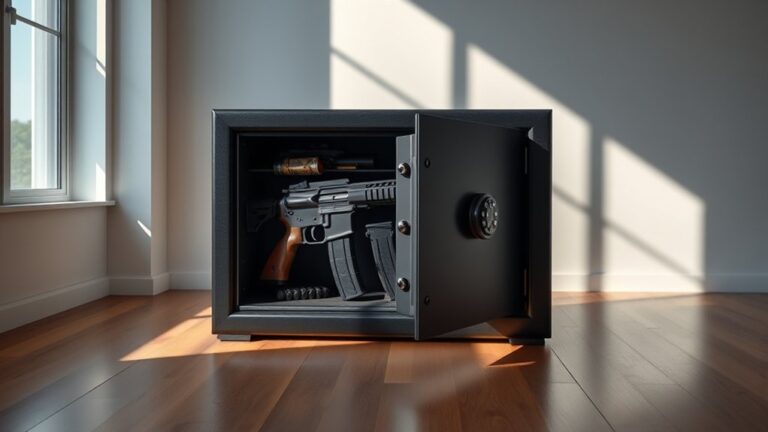
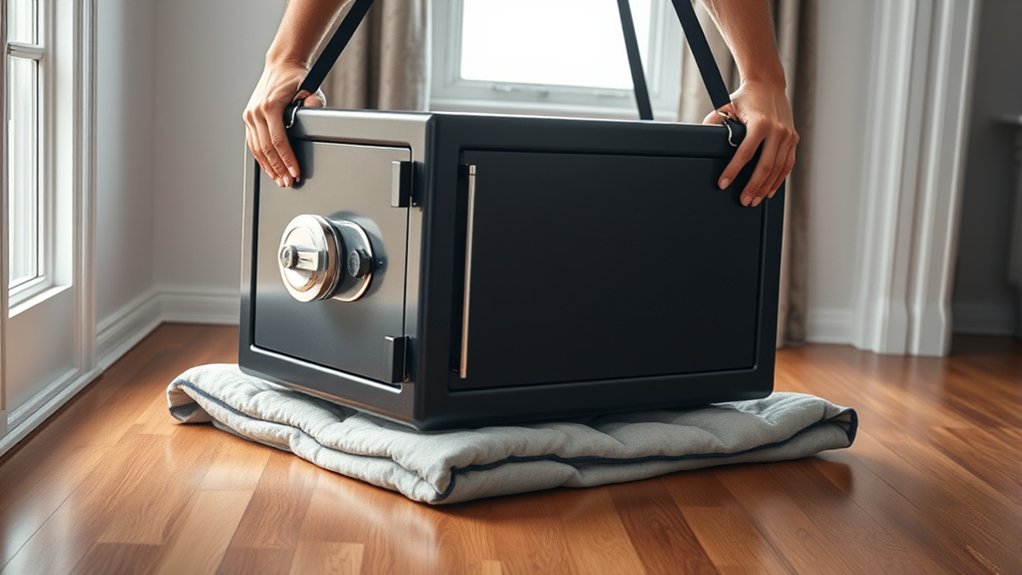
To move your gun safe without a dolly, start by assessing its weight and size. Make sure to empty all contents first. Then, secure the safe with straps to prevent it from shifting during the move.
Next, clear your path by removing any obstacles. Cover the floors with blankets or cardboard to protect them from scratches and damage.
Use heavy-duty ratchet straps to hold the safe securely. Place sturdy rollers, like furniture sliders or pipes, under the edges of the safe. As you move, carefully advance the rollers to keep the safe moving smoothly.
It’s a good idea to have a team help you. Use proper lifting techniques to reduce the risk of injury. Lift with your legs, not your back, and communicate clearly with your helpers.
Finally, when navigating doorways and stairs, do so slowly and carefully. Keep the safe upright and steady throughout the process. Following these steps will help you move your gun safe safely and efficiently.
Assess Your Gun Safe’s Weight and Size
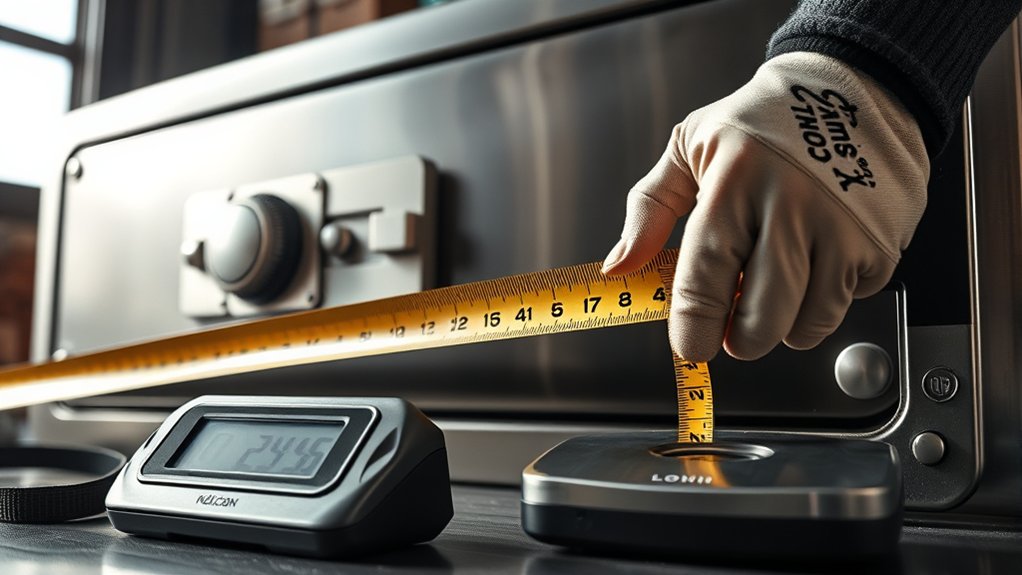
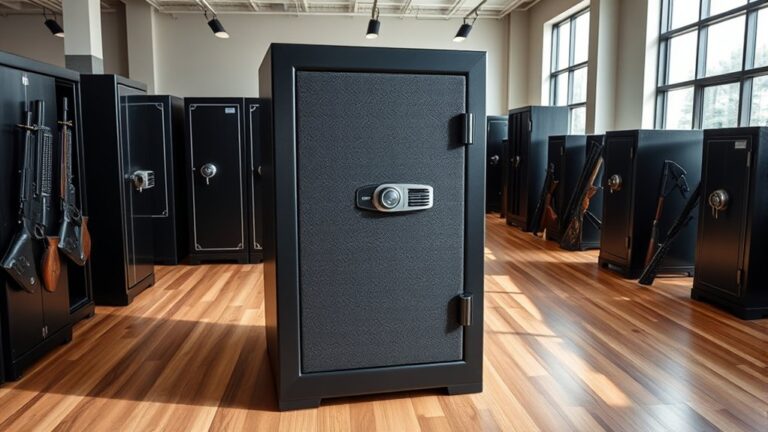
Before you try to move your gun safe, it’s important to know its weight and size. These details will help you decide on the best methods and equipment to use.
Start by looking for the safe’s model and manufacturer info. You can usually find this on serial numbers inside the door or on corner tags. This info can give you a good idea of the safe’s weight.
Begin by locating the model and manufacturer details, often found on serial numbers or corner tags.
If you can’t find that info, don’t worry. Take accurate measurements of the safe’s height, width, and depth. Using these, you can calculate its volume and get an estimate of its weight.
Keep in mind that gun safes come in a wide range of weights. Smaller models might weigh around 200 pounds, while larger, high-security safes can easily exceed 1,000 pounds.
Also, check if the safe is bolted down or built into a structure. This will affect how heavy it really is and make moving it more complicated.
Getting the right size and weight info helps you plan properly. It also helps you avoid damage to your home or injury to yourself during the move.
Clear and Protect Your Moving Path
Although moving a gun safe requires careful planning, clearing and protecting your moving path is essential for a smooth, damage-free move.
Start by removing all obstacles, furniture, and debris to create a clear route. Measure doorways, hallways, and staircases to make sure the safe will fit through comfortably. If needed, plan for door or trim removal to avoid any snagging.
Use protective coverings like moving blankets and cardboard to shield surfaces and prevent scratches. It’s also important to assess the type of flooring you have. Use sliders or padding to reduce friction and protect your floors from damage.
Make sure to eliminate electrical cords and loose items along the way. This helps ensure safe movement and prevents accidents.
| Task | Purpose |
|---|---|
| Clear route | Prevent tripping and hindrance |
| Doorway measurement | Confirm safe fits |
| Protective coverings | Shield surfaces from damage |
| Floor protection | Reduce friction, protect floors |
Prepare Your Gun Safe for Moving
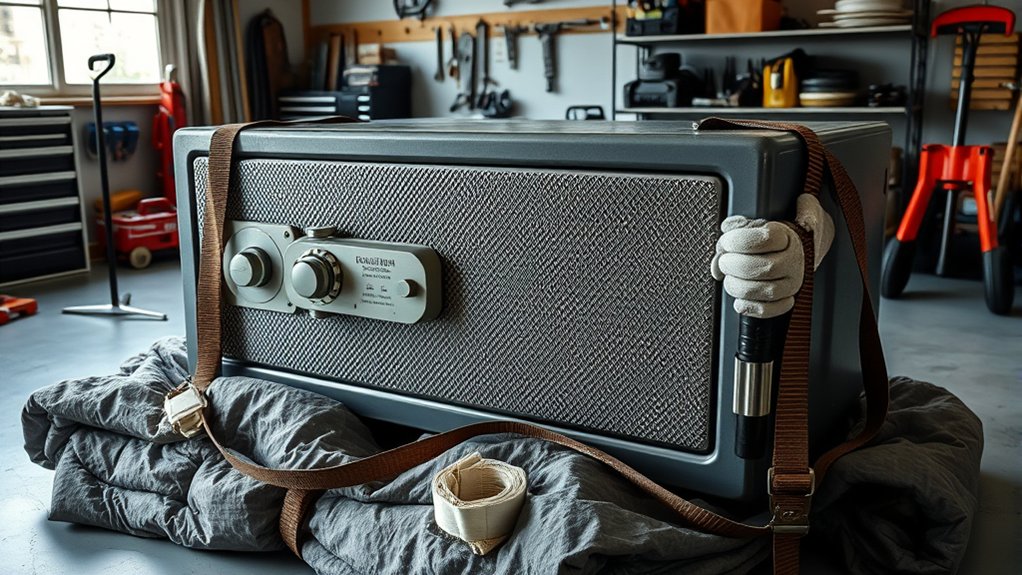
Once you’ve cleared and protected your path, focus on preparing the gun safe itself for moving. Proper safe preparation is essential to avoid damage and guarantee safety.
Start by removing all contents and firearms completely. This reduces weight and prevents anything from shifting during the move.
If possible, disassemble the safe’s door and hinges. Doing so makes handling much easier and safer.
Next, measure the dimensions of the safe carefully. Make sure it will fit through doorways and around any obstacles.
Clear the way by removing or moving furniture and other barriers. This helps ensure a smooth move.
Protect the safe’s surface by wrapping it with blankets or furniture pads. This prevents scratches and other damage.
Before lifting or tilting the safe, secure it with straps. This gives you better control and keeps everything stable during transport.
Plan your move thoroughly. Taking these steps will help you keep the safe safe and make the process much easier.
Use Straps and Rollers to Move Your Gun Safe
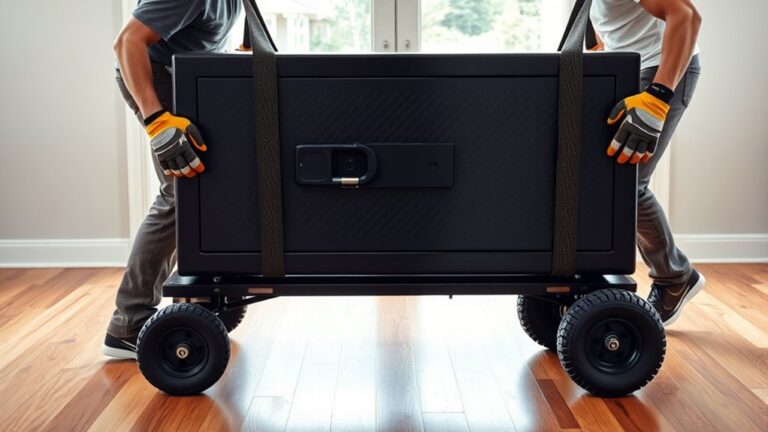
When you’re moving your gun safe, it’s a good idea to use heavy-duty ratchet straps. Make sure they can handle the weight of your safe, and tighten them well so everything stays secure. This way, you’ll keep the safe stable and prevent any slipping or shifting during the move.
Next, place sturdy rollers evenly underneath the safe. This helps distribute the weight more evenly and makes it easier to roll the safe along the floor.
Plus, it reduces the risk of tipping over or damaging your floors.
Choosing Proper Moving Straps
When moving a gun safe without a dolly, it’s really important to secure it with heavy-duty ratchet straps rated for its weight. This helps keep the safe stable and under control during the move. Picking the right straps isn’t just about safety—it also helps prevent any damage.
When placing your straps, focus on wrapping them around the safe’s body. Avoid handles or locks to ensure a secure hold. For even tension, cross the ratchet straps in an X pattern. This distributes the force more evenly and makes the move smoother.
Attach the straps to your moving equipment, like pipe rollers, to help with the movement. Make sure to check and tighten the straps regularly. This prevents slipping or shifting as you go.
Using this method maximizes control and offers better protection. It makes moving your safe more efficient and secure, giving you peace of mind every step of the way.
Using Rollers Safely
Although moving a gun safe without a dolly can be tough, using rollers with secure straps makes it safer and more controlled. First, wrap the safe in moving blankets to protect its surface. Tighten straps around it to keep it from shifting or tipping over.
Next, carefully position PVC pipes or conduit rollers under the edges of the safe. Make sure the rollers are on a flat, smooth surface to reduce friction and prevent jamming. Keep a firm grip on the straps and communicate clearly with anyone helping you.
As you start to roll, regularly move the rollers to the front of the safe. This helps keep the movement smooth and controlled. Following this technique will ensure safe handling, reduce risks, and help protect your gun safe and your surroundings during the move.
Apply Team Lifting Techniques for Safety
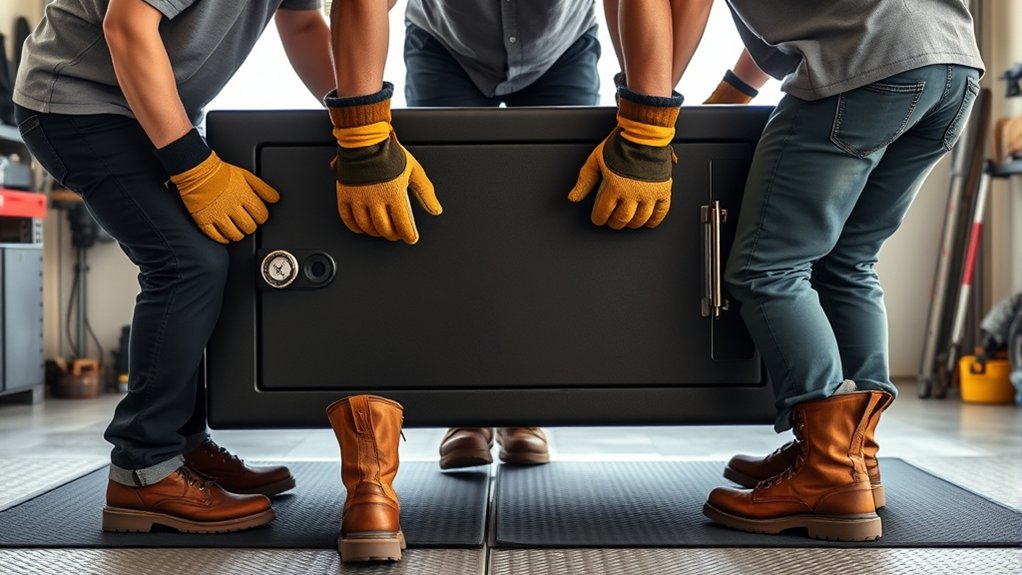
Since moving a gun safe requires a lot of effort, it’s always best to team lift with at least one other person. This helps spread out the weight and lowers the chance of injuries.
Good teamwork is key. Make sure everyone knows their role and the timing of the lift before you start. Clear communication during the process is essential to keep everyone in sync and prevent sudden shifts.
Use proper lifting techniques to protect yourself. Bend your knees, keep your back straight, and lift with your legs. Wearing safety gear like gloves and steel-toed boots can also help improve grip and protect your hands and feet.
Plan your route ahead of time. Pick a clear, level path to avoid obstacles and ensure a stable, safe lift. Always prioritize safety to make the job easier and prevent accidents.
Navigate Doorways, Tight Spaces, and Stairs Safely
After coordinating your team lift, focus on carefully steering the gun safe through doorways, tight spaces, and stairs. First, measure the safe and doorways to confirm there’s enough clearance. If needed, remove doors, hinges, or trim to create extra space.
Use blankets or padding to protect walls and furniture while you maneuver the safe. Enlist helpers to guide and stabilize the load, which helps prevent tipping and damage.
When approaching stairs or tight corners, tilt the safe deliberately to balance its high center of gravity. Keep communication open so everyone can adjust their positioning as needed. This helps avoid sudden shifts or surprises.
Remember to maintain steady, controlled movements. This will make sure the safe passes smoothly without scraping or getting stuck. Proper clearance and teamwork are key to guiding these tricky areas safely and efficiently.
Unload, Position, and Secure Your Gun Safe
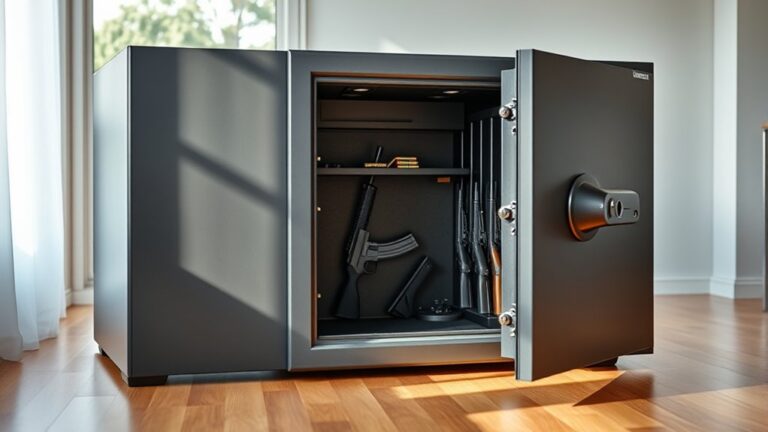
Before moving your gun safe, make sure to remove all firearms, ammunition, and valuables. This not only makes the safe lighter but also helps prevent accidents during the move.
Always clear your gun safe of firearms, ammo, and valuables before moving to ensure safety and reduce weight.
Carefully unload the safe by opening the door and transferring the contents to a secure spot.
Then, position the safe on a flat, stable surface or use furniture sliders to help move it without damaging your floors.
Wrap the safe tightly with moving blankets and stretch wrap. This protects the finish and keeps the safe from shifting around during transport.
Once the safe is in place, check that it’s level and stable.
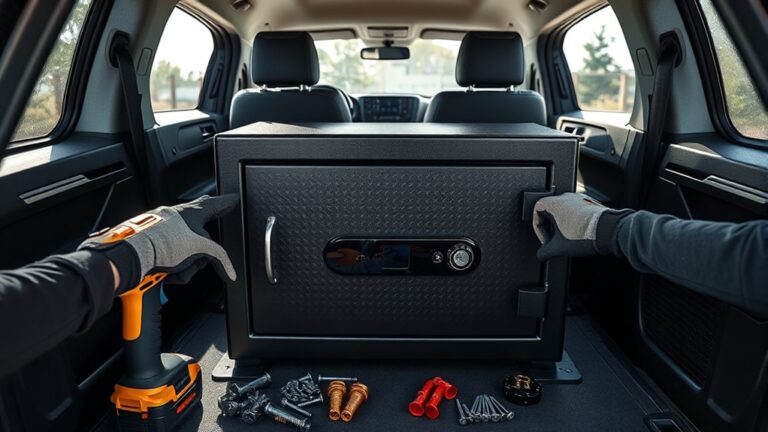
Finally, secure it by bolting it down or anchoring it to prevent tipping or further shifting during transport.
Frequently Asked Questions
Can I Move a Gun Safe Alone Without Any Help?
You shouldn’t move a gun safe alone without any help because of its extreme weight and the risk of injury or damage. These safes are heavy, and trying to handle them alone can be dangerous.
Proper weight distribution, secure straps, and good grip techniques are essential to keep the load balanced. Without the right moving equipment or help, it’s easy to lose control or cause damage.
Safety should always come first. Use slow, steady movements and maintain control throughout the process.
It’s really best to get help or use professional tools to make sure everything goes smoothly and safely.
What Tools Are Best for Protecting Floors During the Move?
The best floor protectors to use include furniture sliders and foam padding. They help reduce friction and prevent scratches when moving furniture.
You can also lay down plywood boards or sturdy cardboard sheets to create a smooth surface.
Moving blankets are great too — secure them with plastic wrap and corner guards for extra cushioning.
These protect your floors and safeguard safe edges.
Don’t forget to use tape measures to ensure everything is placed correctly.
Floor ramps are handy for navigating steps safely.
All these tools work together to shield your flooring effectively during the move.
How Do I Prevent Damage to the Safe’s Locking Mechanism?
Think of your safe’s locking mechanism as the heart of a fortress. It needs careful protection.
You can prevent damage by handling it securely. Avoid tilting the safe or forcing the lock or handle.
Use proper tightening techniques to keep the lock working smoothly. Adding padding during moves can also protect delicate components.
Make sure to shield the security features from shocks and impacts.
Regular maintenance is key to keeping the lock in top condition.
Is It Necessary to Empty the Safe Before Moving?
Yes, you should empty the safe before moving to reduce its weight. This makes it easier to handle and transport safely.
It also helps protect the lock and security features from damage. Removing the contents keeps the interior padding intact and maintains fire resistance.
Access restrictions and legal considerations often require an empty safe. Plus, it lowers noise levels during transport and reduces risks.
Make sure to wear safety gear during the move. Insurance coverage usually mandates an empty safe to avoid liability and ensure a smooth, secure move.
What Are Common Mistakes to Avoid When Moving a Gun Safe?
You must avoid neglecting safety precautions and proper lifting techniques to prevent injury. Skipping route planning and clearance measurements can cause damage or blockages.
Failing to use secure straps and secure packaging risks the safe shifting during transport. Ignoring weight distribution and moving assistance compromises control.
Always wear protective gear and follow safety protocols closely. These steps help ensure a safer, more efficient gun safe move without unnecessary hazards or damage.
Conclusion
Moving a gun safe without a dolly might seem like climbing a mountain without gear, but with careful planning, you can conquer it safely.
Start by assessing its weight. Knowing how heavy it is will help you plan your approach and decide if you need extra help.
Clear your path of any obstacles. Make sure the route is free from furniture, rugs, or anything that could trip you up.
Use straps to secure the safe and rollers or sliders to help distribute the weight. These tools can make a big difference and make moving easier.
Teamwork is key. Have someone to help you lift and guide the safe, especially when navigating tight spaces or stairs.
Take your time with each step. Move slowly and carefully to avoid injury or damage.
By following these simple tips, you’ll protect both your safe and yourself. Moving a gun safe without a dolly is doable with patience and the right approach.