How Much Does It Cost To Move A Gun Safe – Pricing Guide
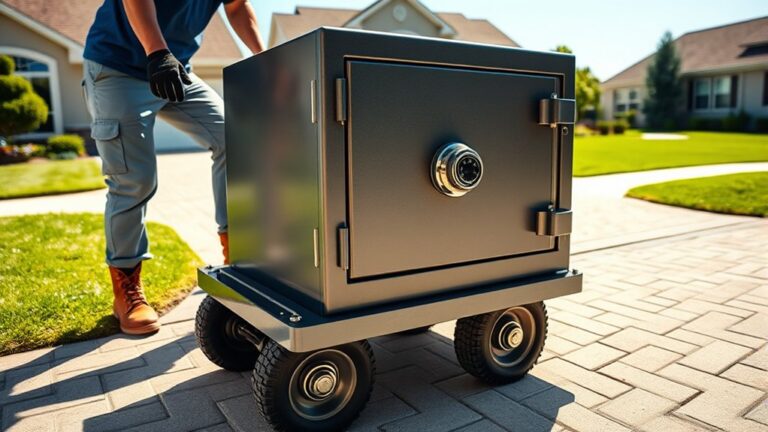
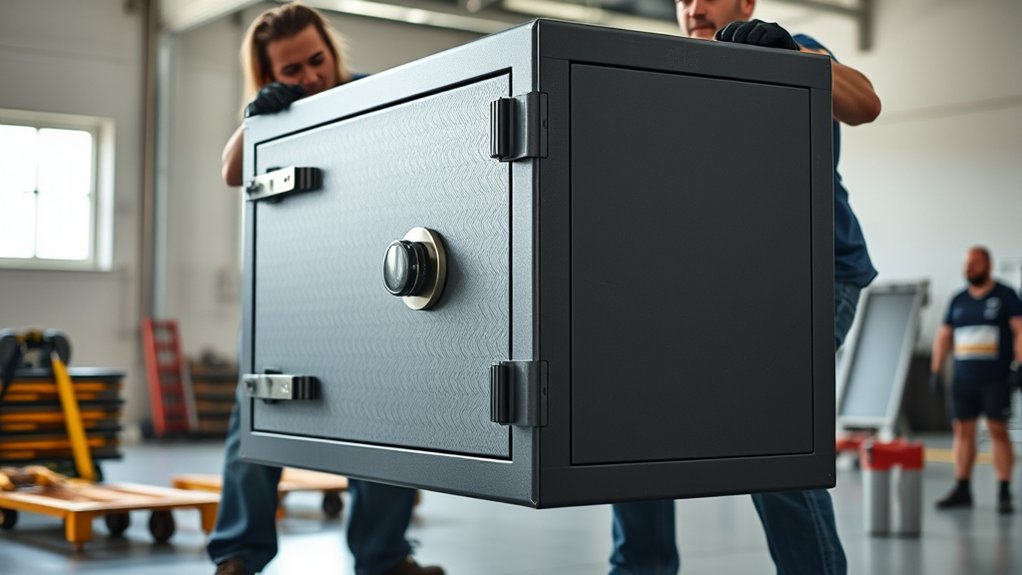
Moving a gun safe usually costs between $350 and $1,200 for local moves, depending on its size and weight. If your safe weighs less than 250 pounds, you might be able to handle it yourself.
But if it’s heavier, you’ll need professional movers with special equipment. This is especially true if there are stairs or narrow doorways involved. These obstacles can make the move more complicated and costly.
For long-distance moves or vaults over 2,000 pounds, prices can go beyond $2,000. Proper preparation and knowing access points also impact the final cost.
Thinking ahead can help you plan a smooth, safe move.
Key Factors That Influence Gun Safe Moving Costs
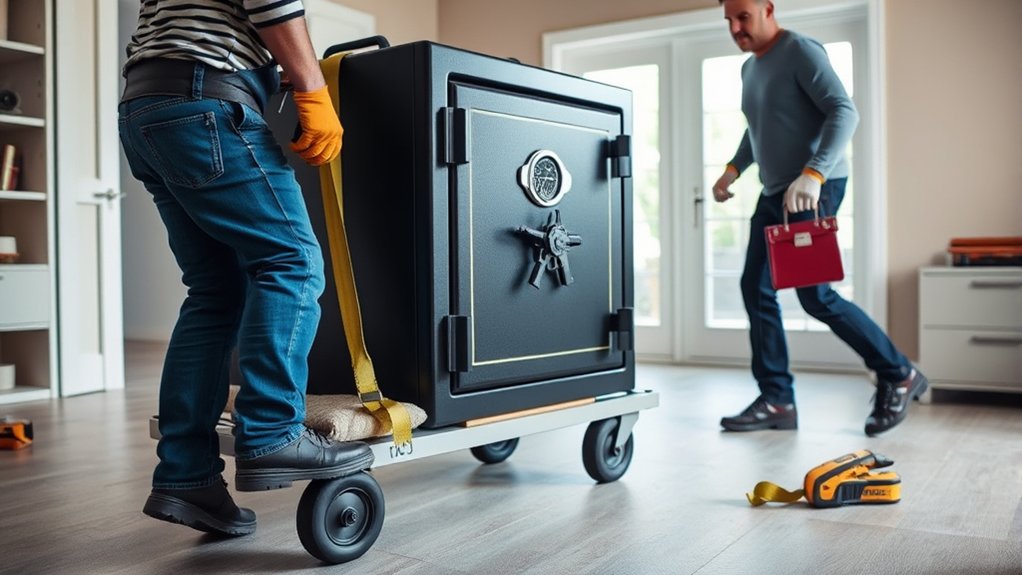
When moving a gun safe, several key factors influence the overall cost. Understanding these can help you better plan your budget.
The size and weight of the safe are major factors. Larger, heavier safes require more labor and specialized equipment to move safely.
Distance also matters—longer trips mean higher fuel costs and more time spent on the job.
How accessible the safe is within your home can impact the price too. Moving a safe to a basement, second floor, or through narrow hallways makes the process more complicated.
If there are tight doorways, stairs, or sharp corners, expect to pay extra. These obstacles often need additional manpower or tools to navigate.
Standard delivery usually covers transportation and basic protection. However, if your safe needs special handling or faces difficult access, there may be extra charges.
Being aware of these factors helps you manage your moving costs more effectively.
How Gun Safe Weight Affects Moving Price
The weight of your gun safe plays a big role in how much your move will cost. Most safes weigh between 250 and 600 pounds, which means you’ll probably need professional help to move them safely.
Heavy safes, especially those over 1,000 pounds, require special equipment like hydraulic lifts and custom rigging. This extra gear can significantly increase the moving price.
Moving heavy safes over 1,000 pounds needs special equipment, raising the overall moving cost.
If your safe is under 250 pounds, you might be able to handle it yourself.
But once it gets heavier, the risks and difficulty go up sharply. As the weight increases, you can also expect extra fees for stairs, long carries, or additional labor.
Knowing these factors can help you better estimate your moving expenses.
It’s important to hire the right professionals to protect your investment and ensure a smooth move.
How Much Does It Cost to Move Different Sized Gun Safes?
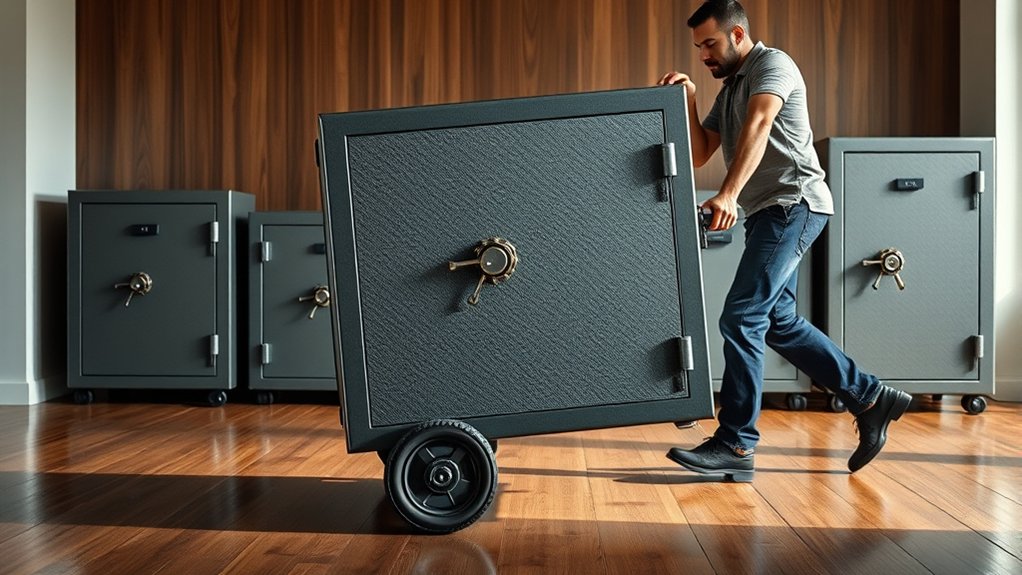
Moving costs really depend a lot on the size of your gun safe. Heavier safes usually need more specialized equipment and extra labor, so they tend to be pricier to move.
It’s not just about the weight, though — the distance you’re moving it also makes a difference, especially if the route involves tricky spots or narrow doorways.
And don’t forget, if your safe needs to be placed in a tight space or if there’s some extra handling involved, you might see additional fees.
Cost By Safe Weight
Although moving a gun safe can vary a lot in cost, the weight of the safe is a key factor in determining the price.
Safes under 500 pounds usually cost between $350 and $650 for local moves. When the safe’s weight climbs to 500–1,000 pounds, expect costs from $450 to $900. These prices are mainly affected by the logistics involved in moving the safe.
Heavy safes over 1,000 pounds, especially those around 1,500 pounds, need special equipment and more labor. This can push the cost between $650 and $1,200.
Vaults over 2,000 pounds often require custom quotes, and prices can go beyond $2,000.
As the safe’s weight increases, the move becomes more complicated and expensive. Hiring professional movers who are experienced with heavy safes is a smart choice. It ensures safety and efficiency, helping you avoid damage or injury.
Distance And Complexity
How much does moving a gun safe cost when distance and complexity come into play? Moving costs go up quickly based on the safe’s weight and how far you’re moving it.
Larger safes over 1,000 pounds can cost anywhere from $650 to $1,200 if you’re moving locally. For longer distances, prices start around $500 and go up depending on the mileage and how complicated the move is.
Moves that involve stairs, narrow doorways, or tight spaces tend to be more expensive. These situations require special equipment and extra effort, adding $75 to $100 per flight.
Heavy safes over 1,500 pounds need hydraulic lifts and multiple movers, which also increases the cost. To budget properly, you’ll want precise quotes that consider all these factors.
Additional Placement Fees
Beyond distance and complexity, additional placement fees can significantly impact the total cost of moving a gun safe.
When moving large safes over 1,000 pounds, expect extra charges ranging from $75 to $150 per flight of stairs.
Placement costs go up even more if your safe needs to be moved to basements or second floors with more than 12 steps. In these cases, there might be an additional fee of $100 to $300 because special equipment is needed.
Challenging access points, like narrow doorways, tight corners, or uneven terrain, can also increase costs. Movers may charge between $50 and $200 to reposition the safe within your home.
If the safe is placed on ground level or in a garage, these extra fees are usually avoided. But any elevation or difficult access points will raise the overall cost of moving your gun safe.
What Details You Need to Book Your Gun Safe Delivery
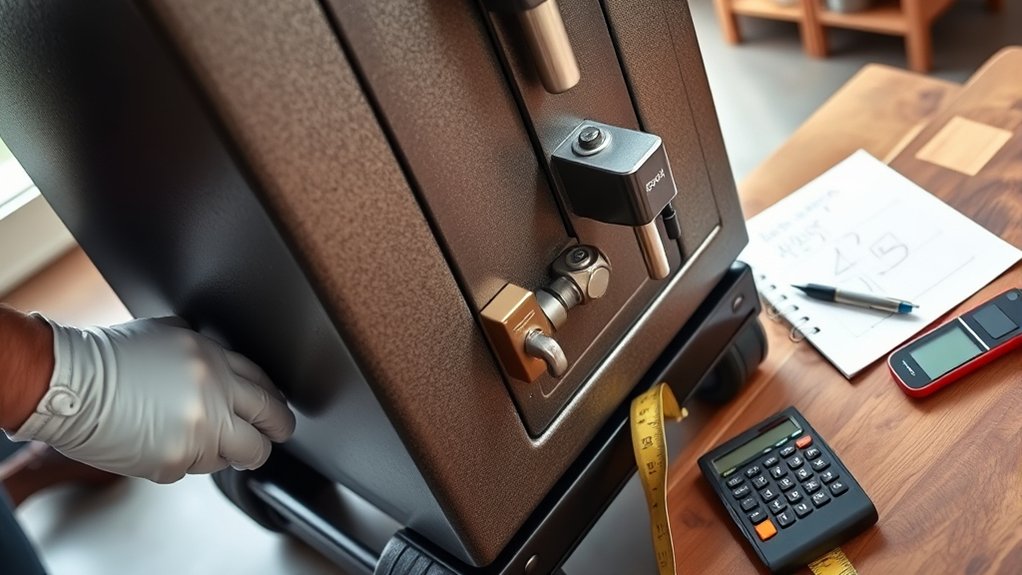
When you’re booking your gun safe delivery, it’s really helpful to have some details ready about your home’s layout. Think about taking a few photos of the entry points—doors, stairs, or any narrow spots—that might affect how the safe gets in.
Be sure to specify exactly where you want the safe to be placed once inside. If there are stairs, tight corners, or narrow doorways, let the delivery team know. This way, everyone’s on the same page, and it helps avoid surprises on the day of delivery.
Sharing these details upfront makes the whole process smoother, helps with accurate pricing, and ensures your safe gets delivered without any hassle.
Delivery Information Required
Since moving a gun safe requires careful planning, you’ll need to provide detailed delivery information to ensure everything goes smoothly.
Safe moving depends on understanding your home’s entry points and maneuvering space. This helps avoid unexpected obstacles or extra fees. To prepare, share clear details about the delivery route and any access challenges you might face.
Make sure to include:
- Clear photos of entry points, hallways, and any obstacles that could impact the safe’s path
- Information about narrow doorways, tight corners, staircases, ramps, or steps
- Exact details about the space available for maneuvering to help assess the safest delivery method
Providing this delivery information allows movers to plan efficiently. It helps ensure your gun safe arrives without damage or delays.
Plus, it can help minimize additional costs caused by access difficulties.
Placement Location Details
Along with providing delivery route details, you’ll need to specify exactly where the gun safe should be placed once inside your home.
Be clear about the final placement location—whether it’s the garage, basement, main floor, or second floor.
Provide detailed photos and measurements of all entry points. This includes doors, stairways, and hallway dimensions.
Also, highlight any narrow passages or tight access points that the safe must navigate.
This information helps movers prepare the right equipment and anticipate if special tools or extra labor are needed.
Sharing accurate details about your home’s layout helps prevent surprises, delays, and extra costs.
By giving upfront information about your placement location and access points, you ensure a smooth and efficient delivery.
This way, the process is tailored to your home’s unique layout and challenges.
What Standard Gun Safe Delivery Services Include
Although moving a gun safe demands careful handling, standard delivery services guarantee your safe reaches its designated spot inside your home without damage. The delivery service focuses on safe placement while ensuring protection for both the safe and your home environment.
Standard delivery ensures your gun safe is carefully placed inside your home without damage.
You can expect careful navigation through doorways and floors to prevent any harm. Standard delivery typically includes transporting the safe from the curb or driveway directly to its specified indoor location.
They also take care to protect floors, walls, and doorways during the move to avoid damage. The service usually includes basic placement in your chosen room, such as a garage or main living area.
This service prioritizes precision and care, making sure your gun safe arrives securely and fits perfectly within your home environment.
Hiring Professional Gun Safe Movers vs. DIY: When to Choose
Understanding what standard delivery services cover gives you a clear picture of the baseline care involved in moving a gun safe.
When deciding between professional movers and DIY moving, weight and size are critical factors. If your safe weighs under 250 pounds and you have the right equipment and helpers, DIY moving might be feasible.
But heavier safes—especially those over 500 pounds—require professional movers. They use specialized hydraulic equipment and follow strict safety protocols to prevent injury and damage.
For safes exceeding 1,000 pounds, hiring experts is essential. They’ve the advanced rigging skills and liability insurance coverage needed for such heavy loads.
Always evaluate your physical ability, route accessibility, and potential risks before opting for DIY moving. Doing so will help ensure safety and protect your investment.
Preparing Your Gun Safe and Home for a Smooth Move
Before moving your gun safe, it’s important to prepare both the safe and your home carefully to prevent damage and stay safe.
Start by cleaning out the safe. Remove all firearms, ammunition, and valuables.
Take precise measurements of doorways, hallways, and stairways to make sure the safe can pass through without needing to be disassembled.
Protect your home surfaces along the moving path by laying down padding or floor runners. This helps shield floors, walls, and door frames from scratches.
Secure the safe’s door with straps or tape so it doesn’t accidentally open during transport.
Finally, clear a safe, unobstructed pathway from the safe’s location to the vehicle. This makes the move smoother and safer.
Following these simple steps will help you prepare thoroughly and keep your property safe throughout the move.
Frequently Asked Questions
How Long Does It Typically Take to Move a Gun Safe?
You can expect safe relocation to typically take between 1 to 4 hours, depending on the gun safe’s size and complexity.
For smaller safes, heavy lifting and moving equipment make the process quicker—around 1 to 2 hours.
Larger safes require professional movers and more time.
The process often takes 3 to 4 hours, especially if rigging is needed for heavy or awkward safes.
Proper planning and equipment are key to a smooth, efficient move from start to finish.
Are There Insurance Options for Gun Safe Moving Services?
Yes, gun safe moving services usually offer insurance coverage to protect your safe, property, and personnel during transit.
You’ll find various liability options depending on the company, often including damage protection up to specific policy limits.
It’s really important to review these limits and understand any exclusions before hiring.
Always ask for documentation and clarify the claim process.
That way, you’ll know exactly how to proceed if damage or loss occurs during the move.
Can Gun Safes Be Moved During Extreme Weather Conditions?
You wouldn’t move a horse-drawn carriage through a lightning storm, and similarly, you shouldn’t move gun safes during extreme weather conditions.
Weather precautions are super important for safe transportation. They help you avoid damage or accidents during the move.
Emergency planning is key. It allows you to anticipate delays and ensure everyone’s safety.
Always think about the climate. Rain, snow, or freezing temperatures can really impact your move.
It’s best to postpone moving your safe during harsh weather. This protects the safe and keeps everyone safe.
Plus, it lines up with professional guidelines for safe moving practices.
What Permits Are Required to Transport a Gun Safe?
You need to follow strict permit regulations and transportation laws when moving a gun safe.
Legal requirements can vary a lot depending on where you are. Usually, it depends on the safe’s weight and whether it contains firearms.
You must also follow licensing procedures if you’re using commercial movers, especially for interstate transport.
Always check with local law enforcement or transportation authorities to see what permits you need.
Staying informed about these rules helps you meet all legal requirements.
This way, you can avoid penalties during your move.
How Should I Store My Gun Safe if the Move Is Delayed?
If your move gets delayed, it’s best to keep your gun safe in a good spot until you’re ready to move.
Place the safe upright in a climate-controlled area. This helps prevent any damage from humidity or extreme temperatures.
Choose a secure location with limited access. You want to make sure only trusted people can reach it.
Use breathable materials like blankets to cover the safe. This keeps dust and scratches at bay while it’s stored.
Make sure there’s enough space around the safe for ventilation. This makes it easier to access when it’s time to move.
Conclusion
Moving a gun safe is like steering a ship through rocky waters. Every detail matters to avoid costly damage. Understanding the weight, size, and service options helps you manage costs with confidence.
Whether you hire professionals or do it yourself, preparing your safe and home makes the process smoother.
Approach this move with care and precision. That way, you’ll protect your investment without unnecessary expense or risk.
Your safe’s journey deserves nothing less.