Can Felons Go To Shooting Range – Legal Requirements And Restrictions
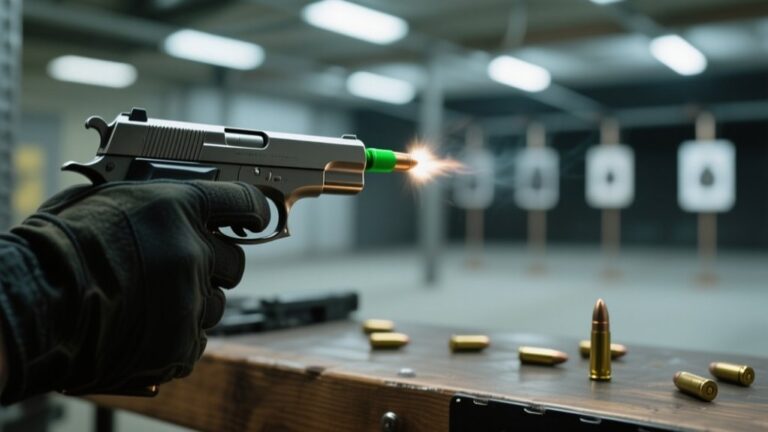
If you’re a felon, you can’t legally handle or shoot firearms at shooting ranges without meeting strict federal and Texas laws. This includes a mandatory five-year waiting period and official rights restoration.
Possessing or even being aware of firearms there can lead to serious felony charges. Most ranges require ID and may ask for honesty about your status but often don’t do background checks unless you’re renting guns.
Keep following for details on staying within the law and protecting your future.
Federal and State Legal Restrictions for Felons at Shooting Ranges
Although you might want to visit a shooting range, federal law prohibits possession of firearms by felons under 18 U.S.C. § 922(g)(1). This means you can’t legally possess guns at these venues.
In Texas, this restriction lasts at least five years after your release from confinement, parole, or supervision. Most ranges verify that visitors aren’t barred from firearm possession, so you’ll likely need to confirm your legal status before entry.
In Texas, firearm restrictions last five years post-release, and ranges often require legal status verification before entry.
Remember, constructive possession happens when you have knowledge of and access to firearms, even if you’re not directly handling them. This can still lead to legal trouble.
Without a full pardon restoring your gun rights, you must avoid firearms altogether at shooting ranges to comply with both federal and state laws and avoid severe penalties.
Can Felons Shoot or Handle Firearms at Gun Ranges?
Because federal and Texas laws strictly forbid felons from possessing firearms, you can’t legally shoot or handle guns at shooting ranges unless your rights have been fully restored.
In Texas, even after five years post-release, felons may possess firearms only at home, not at commercial gun ranges.
Handling or firing guns at a gun range counts as illegal possession under both state and federal law, exposing you to serious legal trouble.
Gun ranges usually require you to confirm that you’re not prohibited from possessing firearms, and lying can lead to additional felony charges.
Even being near firearms can result in constructive possession charges if you’re aware of them.
ID and Background Check Rules for Felons at Shooting Ranges
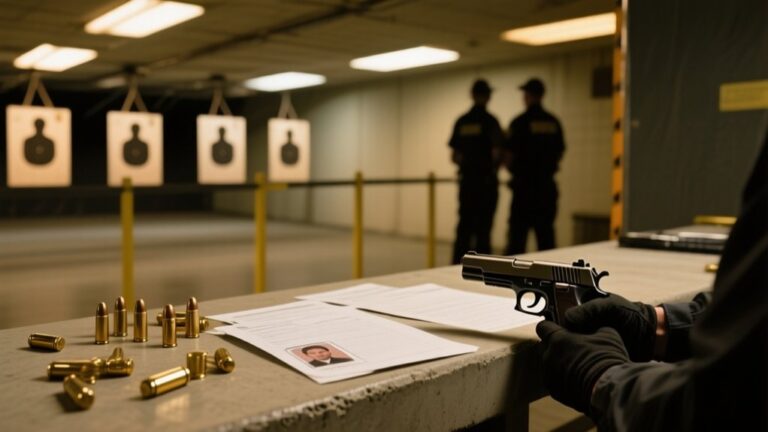
When you visit a shooting range, you’ll usually need to show a government-issued photo ID to enter, and the staff may verify that you’re not legally barred from possessing firearms.
While most ranges don’t perform background checks for lane use, they often require them if you want to rent a firearm.
Most ranges skip background checks for lane use but require them for firearm rentals.
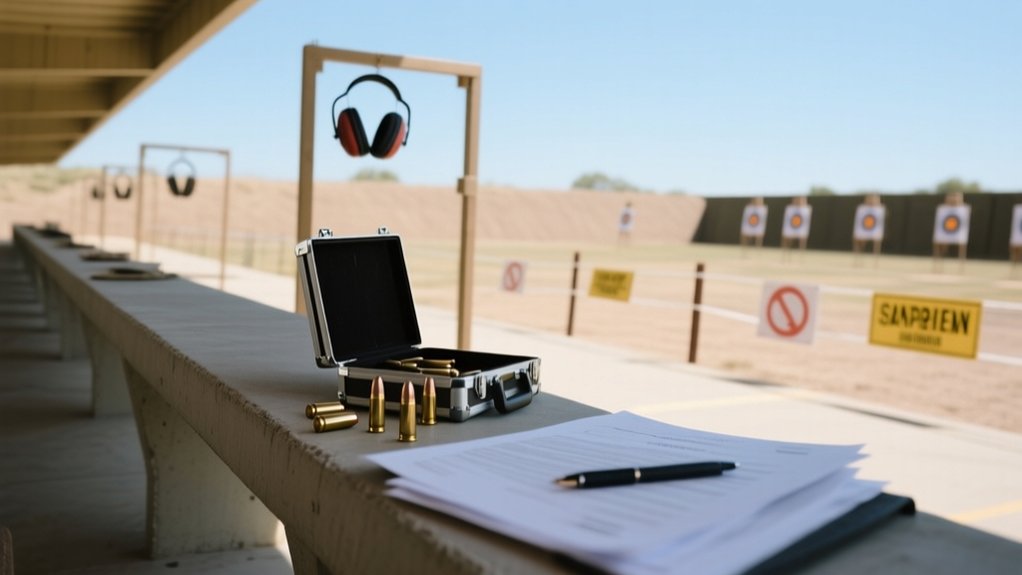
Since felons are generally prohibited from renting or handling firearms unless their rights have been restored, ranges may ask you to sign waivers or self-certify that you’re allowed to possess firearms.
Providing false information can bring serious legal trouble.
Keep in mind that local and state rules might be stricter than federal laws, so it’s essential to check specific range policies before you go to avoid unintentionally breaking any laws related to firearm possession.
Risks and Legal Consequences of Felons Visiting Gun Ranges
If you’re a felon, you can’t legally handle firearms at shooting ranges. The law considers that as possession, which is a big no-no.
And trust me, the penalties are serious— you could face up to 10 years in prison.
It’s not just about holding the gun, either. Even being close to guns or bullets might get you into trouble with felony charges.
Felony Firearm Possession Risks
Although felons might want to visit shooting ranges, doing so puts you at serious legal risk since handling or firing a firearm there counts as possession. Convicted felons are barred from possessing firearms under federal and Texas laws unless their rights are restored.
Even holding a bullet or being aware of a firearm’s presence can lead to felony charges due to constructive possession laws. Law enforcement may investigate bullet purchases, increasing your exposure to legal trouble.
Here’s a quick summary of the risks you face:
| Action | Legal Risk for Felons |
|---|---|
| Handling a firearm | Felony possession charges |
| Firing a gun | Felony possession charges |
| Bullet possession | Felony charges possible |
| Awareness of firearm presence | Constructive possession risks |
| Purchasing bullets | Triggers investigations |
Legal Penalties For Range Visits
Since felons face strict prohibitions against possessing firearms under federal and Texas laws, visiting shooting ranges carries serious legal risks.
If you’re a felon, going to a range means you could be charged with firearm possession simply by handling, firing, or even renting a gun.
These actions can lead to severe legal penalties, including up to 10 years in federal prison.
Even being near firearms at a range may result in constructive possession charges, increasing your risk of arrest.
The consequences don’t stop at criminal charges. They can also damage your chances of restoring rights or future opportunities.
How Felons Can Restore Gun Rights and Access Shooting Ranges
When felons want to regain their gun rights in Texas, they must navigate a complex legal process that often requires obtaining a full pardon from the Texas Board of Pardons and Paroles.
This pardon allows you to legally possess firearms after five years of completing your sentence.
Since federal law also restricts felons from owning guns, understanding both state and federal procedures is crucial.
Without restored gun rights, most shooting ranges won’t let you enter or shoot.
To restore your rights and access shooting ranges, you should:
- Apply for a full pardon through the Texas Board of Pardons and Paroles
- Wait at least five years post-sentence completion
- Consult a legal expert familiar with firearm laws
- Guarantee compliance with federal firearm regulations
- Confirm your rights restoration before visiting shooting ranges
Common Firearm Charges Related to Shooting Range Visits
If you’re a felon caught handling or shooting a firearm at a range, you risk serious charges like felony possession. These carry harsh penalties, including up to 10 years in federal prison.
Even renting a gun at the range doesn’t protect you; possession laws still apply. Law enforcement can link you to a firearm through bullet purchases or simply your activity at the range.
Renting a gun doesn’t shield felons—possession laws and law enforcement links still apply.
This may lead to charges based on constructive possession if you’re aware of the gun and could control it. Your criminal record will make these charges more severe.
Remember, felons are prohibited from possessing guns under federal and state laws.
Best Practices for Felons Around Gun Ranges to Avoid Legal Trouble
Although it may seem tempting to visit a shooting range, you should avoid handling firearms altogether unless your rights have been officially restored. As a felon, possessing or even being near guns or ammunition can lead to serious legal trouble.
Protect your civil rights by following these best practices to stay safe and compliant:
- Confirm your civil rights restoration status before any visit
- Avoid possessing or handling firearms or ammunition
- Stay informed on local gun range policies regarding felons
- Refrain from entering ranges that prohibit felons explicitly
- Consult legal counsel to understand your specific restrictions
Why Felons Should Consult a Firearms Lawyer Before Visiting Ranges
Because firearm laws for felons vary widely and carry serious penalties, you should consult a firearms lawyer before visiting any shooting range.
Consulting a firearms lawyer helps you understand both state and federal laws, which often prohibit felons from handling or firing firearms.
A lawyer can clarify the legal implications of visiting ranges, including risks like constructive possession charges, where simply being near firearms can lead to trouble.
They also guide you through restoring gun rights, a complex process that often requires pardons or specific legal steps.
By consulting a firearms lawyer first, you reduce the risk of arrest or felony charges and gain clear insight into your legal standing.
This proactive approach guarantees you avoid serious consequences and stay fully informed.
Understanding Firearm Possession Laws Impacting Felons at Ranges
When you visit a shooting range as a felon, you must understand that both federal and state laws strictly limit your ability to possess or handle firearms. Federal law prohibits felons from possessing firearms entirely, which includes using them at shooting ranges.
In Texas, you can’t possess or use firearms until five years after release, and even then, only if your rights are restored.
In Texas, firearm possession is prohibited for five years post-release unless legal rights are officially restored.
Constructive possession laws mean you can face charges even without directly handling a gun if you’re aware it’s present.
Shooting ranges often require you to confirm you’re not barred from gun possession, and lying can bring more felony charges.
- Federal law bans felons from possessing firearms at ranges
- Texas requires rights restoration before shooting
- Constructive possession applies at ranges
- Ranges require truthfulness about possession status
- Non-firearm hunting options exist but not at ranges
Frequently Asked Questions
Can Felons Use Airsoft or Paintball Guns at Shooting Ranges?
You can definitely enjoy airsoft or paintball at shooting ranges, even with a felony, as long as you follow airsoft regulations and paintball policies.
Think of it like entering a different domain. These non-firearm activities aren’t bound by typical firearm laws.
However, you’ll want to check each range’s specific rules because local policies vary.
Staying safe and respectful guarantees you keep playing without trouble.
Are There Private Shooting Ranges With Different Rules for Felons?
Yes, private range policies can vary when it comes to your felony status implications. Some private shooting ranges might’ve stricter rules, outright denying access if you have a felony conviction, while others may allow entry if your firearm rights are restored.
You’ll often face background checks and have to sign waivers confirming you’re legally allowed.
It’s essential you check each private range’s specific policies before planning your visit.
How Do Shooting Ranges Verify a Visitor’s Felony Status?
You might think shooting ranges simply ask for ID, but they do much more.
They start with government-issued photo IDs, then often run background checks, especially if you’re renting firearms.
State regulations vary, so some require FOID or FID cards that reveal your legal status.
These layered checks help ranges guarantee safety and compliance.
Don’t expect to slip through unnoticed.
Ranges take verifying felony status seriously to stay within the law.
Can Felons Attend Firearm Safety Classes at Shooting Ranges?
Yes, you can attend firearm safety classes at shooting ranges, but it depends on the range’s policies and your state’s laws.
Before you sign up, check for any legal implications, as attending doesn’t grant you firearm possession rights.
Shooting ranges might require background checks or waivers confirming you’re not prohibited by law.
It’s smart to seek legal advice to fully understand your situation and any restrictions related to firearm education.
What Are Alternatives for Felons Interested in Shooting Sports?
If you’re a felon interested in shooting sports, consider archery or airsoft as alternatives.
These options allow you to enjoy safety training without firearm restrictions. You can also participate in competitive events like bow hunting during legal seasons.
Many ranges offer simulated shooting experiences, perfect for honing skills legally.
Joining community groups focused on responsible shooting sports helps you stay connected and informed about safe, legal alternatives tailored for you.
Conclusion
Navigating shooting ranges as a felon can feel like wielding a flintlock in a digital age. Outdated laws clash with your rights. You need to understand federal and state rules, ID checks, and risks before stepping in.
Restoring your gun rights is key to avoiding legal trouble. Always consult a firearms lawyer first to protect yourself. Stay informed and cautious so you don’t unintentionally turn a simple visit into a serious legal battle.