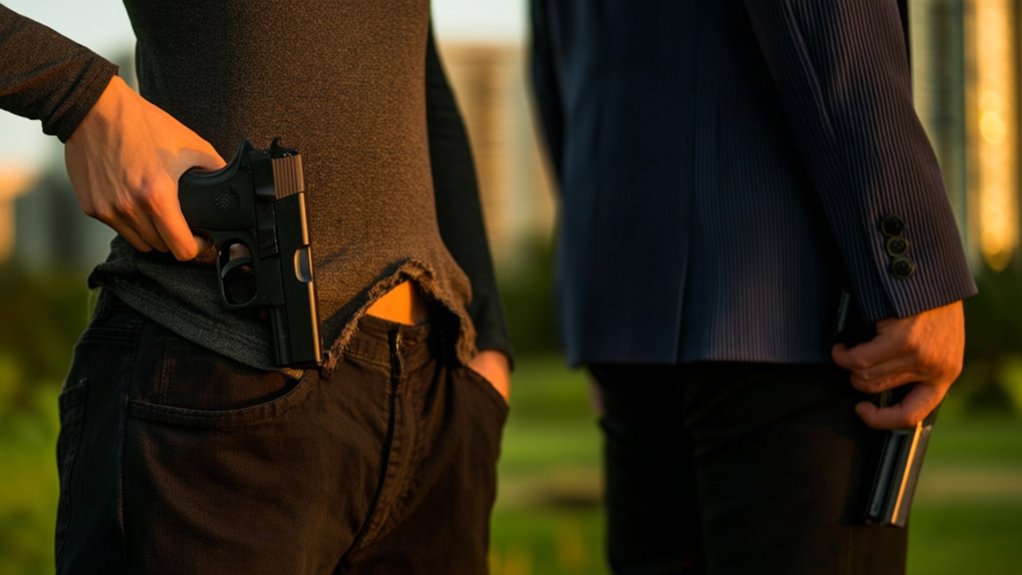
What’s The Difference Between Open Carry And Concealed Carry – Key Differences Explained
When you carry a firearm openly, it’s visible to others, signaling accessibility and following open carry laws, which vary by state. Concealed carry hides your weapon, emphasizing discretion and usually requiring a permit.
Open carry may draw attention or legal scrutiny, while concealed carry offers privacy but still demands license compliance. Both methods come with distinct practical, legal, and social considerations.
Understanding these differences guarantees responsible ownership. And there’s more to explore about where and how you can carry safely.
Key Takeaways
- Open carry means visibly carrying a firearm, while concealed carry involves keeping the weapon hidden from public view.
- Open carry is often allowed without a permit in many states; concealed carry usually requires a license or permit.
- Open carry can attract public and law enforcement attention; concealed carry offers more discretion and privacy.
- Both carry methods are subject to varying state laws, restrictions, and permitted locations like schools or government buildings.
- Responsible firearm carrying demands awareness of legal requirements, social perceptions, and safety considerations for both open and concealed carry.
Defining Open Carry vs. Concealed Carry
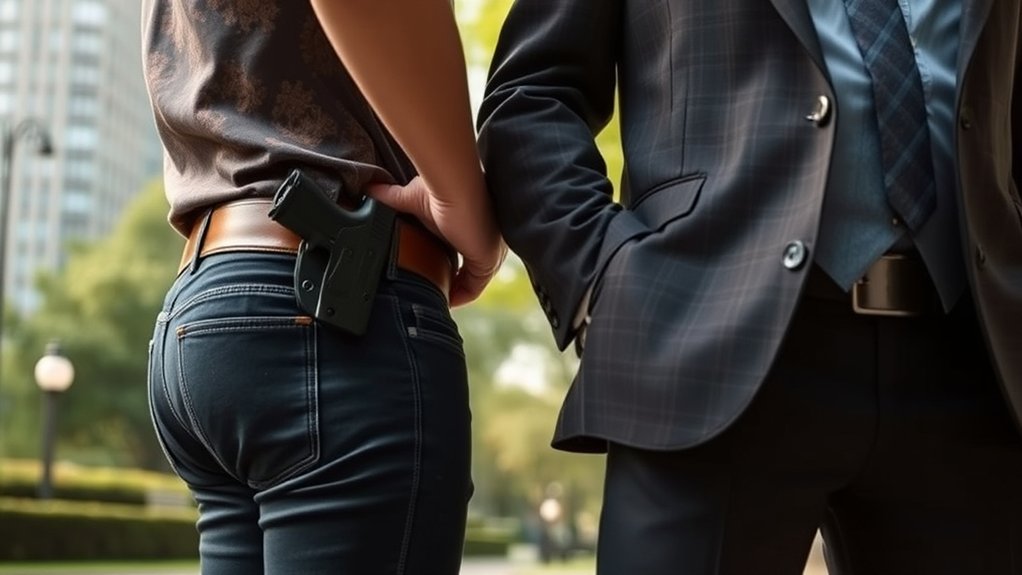
Although both involve carrying a firearm, open carry and concealed carry differ fundamentally in visibility. Open carry means your firearm is visible, typically holstered or slung, signaling accessibility.
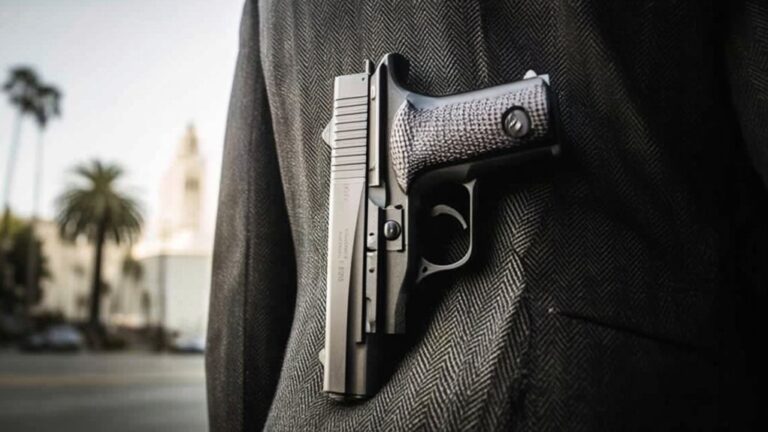
Concealed carry hides your weapon under clothing or inside a bag, emphasizing discretion.
Historically, open carry reflected a cultural norm of transparent self-defense. Concealed carry evolved to respect privacy and reduce public alarm.
Your choice influences how others perceive you. Open carry may evoke authority or provoke concern, depending on societal attitudes.
On the other hand, concealed carry tends to minimize public awareness. Understanding these distinctions helps you navigate cultural perceptions shaped by history.
This way, you can carry responsibly and appropriately within your community’s expectations.
State Laws for Open and Concealed Carry
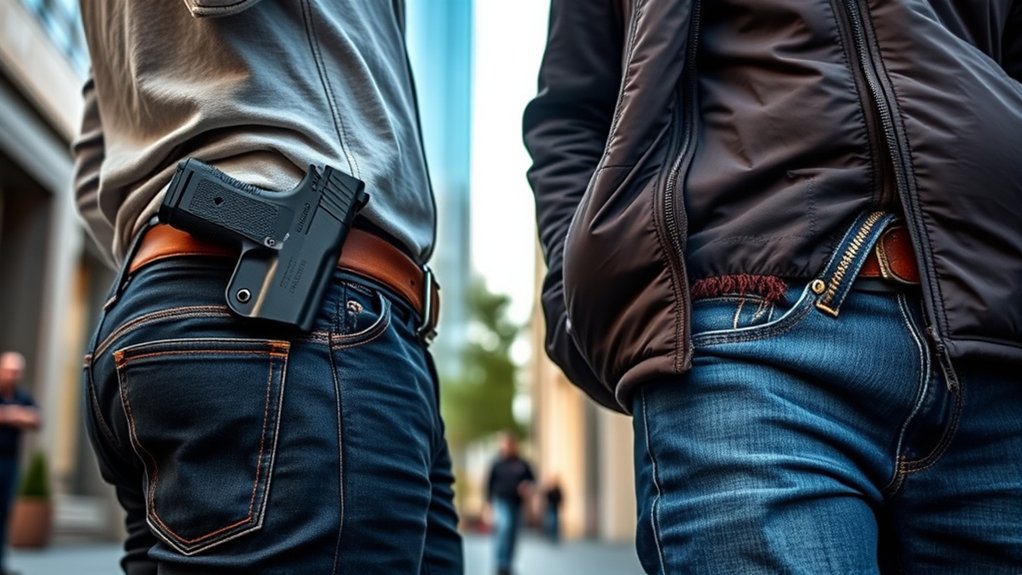
You should know that state laws about open and concealed carry can be pretty different depending on where you are. In some states, you don’t even need a permit to carry openly or concealed.
But in others, you have to get a specific license or permit first. So, it’s really important to be familiar with the exact rules in the state you live in or plan to visit.
That way, you can stay safe and follow the law without any trouble.
Varying State Regulations
Because state laws on open and concealed carry differ so widely, it’s essential to know the specific regulations where you live or plan to travel. Cultural perceptions and historical context heavily influence these laws, shaping each state’s approach to firearm visibility and access.
While 46 states allow some form of open carry, restrictions vary. California and New York largely prohibit it, whereas Texas and Florida adopt more permissive stances.
Concealed carry often requires permits, but states like Vermont and Alaska permit it without one for qualified individuals.
Local ordinances may add layers of regulation, so you should review both state and municipal rules carefully. Understanding these diverse regulations helps you stay compliant and aware of how culture and history impact your legal rights to carry.
Permit Requirements
When carrying a firearm, knowing the permit requirements for open and concealed carry in your state is essential. Many states require permits for open carry, but some allow it license-free.
Concealed carry typically demands a specific permit, even where open carry doesn’t.
For example, Minnesota requires the same permit and application process for both. Florida legalized permitless concealed carry in 2023, yet open carry remains restricted.
Permit laws vary widely, with some states recognizing out-of-state permits through reciprocity agreements.
Key points to consider:
- Training requirements often accompany permit applications for both carry types.
- Background checks are mandatory in many states before issuing permits.
- Always verify local laws, as open and concealed carry rules differ considerably.
Stay informed to carry legally and responsibly.
Where You Can and Cannot Carry Openly or Concealed
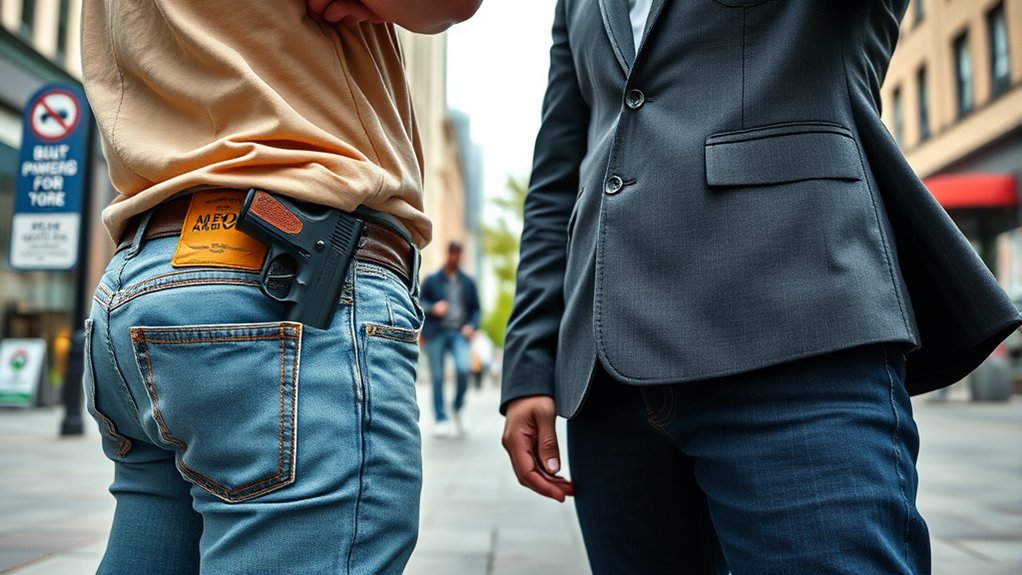
Although open carry is generally permitted in public spaces and on private property unless explicitly restricted, concealed carry usually requires a license and can be allowed wherever open carry is legal.
Open carry is often allowed openly, while concealed carry typically needs a license and follows similar location rules.
Historically, open carry has roots in the American frontier, symbolizing transparency and self-reliance. Concealed carry, on the other hand, reflects evolving cultural perceptions emphasizing discretion and safety.
You must remember that both forms face restrictions in sensitive areas like government buildings, schools, bars, and places of worship. Private property owners can also prohibit carrying by posting clear signs.
Additionally, transportation laws limit where firearms can be carried in vehicles, particularly in airports and courthouses.
Understanding these distinctions helps you navigate legal boundaries confidently and respect societal norms shaped by history and cultural attitudes. It’s important to stay informed and aware of where you can and can’t carry, so you’re always on the right side of the law.
Age and Permit Rules for Open vs. Concealed Carry
Understanding the age and permit rules for open and concealed carry is crucial to staying compliant with firearm laws. You’ll find that minimum age limits usually range from 18 to 21 years, depending on your state.
While open carry often doesn’t require a permit in some states, concealed carry typically does.
States like Georgia allow adults 18 and over to carry both openly and concealed without permits, but others, like Florida, set stricter age limits and permit requirements. Always check your local laws before carrying.
Key points to remember:
- Minimum age varies widely between open and concealed carry.
- Concealed carry usually requires a permit, unlike open carry in permissive states.
- Proper firearm training, including knowledge of ammunition types, is essential for safe carry.
The Practical Pros and Cons of Open Carry vs. Concealed Carry
Knowing the rules about age and permits sets the foundation, but deciding whether to carry openly or concealed means weighing practical advantages and drawbacks.
Open carry offers quick access and can deter threats since your firearm is visible. However, it may cause public alarm or attract unwanted attention, so you need to stick to safety protocols carefully.
Concealed carry keeps your weapon hidden, which helps with discretion and social acceptance, especially in places where open carry is restricted. But it does require advanced training to make sure you can access your firearm quickly and safely without accidentally revealing it.
In the end, your choice depends on personal comfort, legal context, and the situation you’re in. Mastering proper training and safety is essential for both methods to ensure responsible and effective carry anywhere.
Best Holsters and Gear for Open and Concealed Carry
When choosing holsters and gear for open or concealed carry, you need options that balance accessibility, security, and comfort. Your choice depends heavily on carry techniques and holster materials that suit your lifestyle and clothing.
Selecting holsters requires balancing accessibility, security, and comfort to fit your carry style and daily wear.
For open carry, thigh rigs, shoulder holsters, and belt holsters provide easy access and visibility.
Concealed carry favors inside-the-waistband (IWB), pocket, and appendix inside-the-waistband (AIWB) holsters to maintain discretion.
Kydex and leather remain the top holster materials, delivering durability and comfort.
Features like adjustable retention and sweat resistance enhance safety and wearability.
Prioritize a secure fit and quick access tailored to your carry method. It’s all about finding the right balance that works for you and your daily routine.
- Open carry: thigh rigs, shoulder, and belt holsters
- Concealed carry: IWB, pocket, and AIWB holsters
- Durable holster materials: Kydex and leather
Common Misconceptions About Open Carry and Concealed Carry
Although carrying a firearm openly or concealed might seem straightforward, many misconceptions surround these practices that can lead to legal trouble or misunderstandings. You might think open carry is always legal and accepted, but laws vary widely by state and locality, with some areas prohibiting it outright.
Many believe concealed carry requires no permit, yet in numerous states, both open and concealed carry demand proper licensing. You should also know that open carry can attract unwanted attention and legal scrutiny, contradicting the idea that it’s less risky.
Beyond legal implications, social perceptions heavily influence how others respond to your carry method. It’s not just personal preference. Understanding regulations and societal reactions is essential to carrying responsibly and lawfully.
Frequently Asked Questions
How Does Open Carry Affect Interactions With Law Enforcement?
Open carry affects your interactions by increasing law enforcement perceptions of risk and public safety concerns. Officers may approach cautiously, ask for permits, and scrutinize you more, even if you’re carrying legally and responsibly.
It’s just how things go sometimes. When someone is openly carrying, officers tend to be extra careful. So, expect a bit more attention during those encounters.
Can Open or Concealed Carry Impact Self-Defense Insurance Policies?
Imagine your self-defense premiums shifting like weather. Carrying openly or concealed can change your insurance coverage.
Insurers often adjust rates or deny claims based on how you legally carry. So, you must follow those rules carefully. It’s pretty important to stay on top of the details.
What Training Is Recommended Before Carrying Openly or Concealed?
You should complete training certification that covers weapon familiarity, safe handling, storage, and legal responsibilities before carrying openly or concealed. This guarantees you’re competent, confident, and compliant with laws protecting you and others.
Getting proper training isn’t just a good idea—it’s essential. It helps you understand how to carry safely and responsibly. Plus, it ensures you know the rules and what’s expected of you.
Are There Psychological Effects Linked to Open Versus Concealed Carry?
You’ll feel psychological confidence with open carry’s bold visibility, but you’ll also face public perception’s scrutiny.
Concealed carry lets you blend in, easing social tension, but it might reduce that sense of overt empowerment.
Both affect your mindset in their own distinct ways.
How Do Employers Typically Handle Open or Concealed Carry Policies?
You’ll find employers enforce workplace regulations strictly, often banning firearms to balance safety and employee rights.
Some allow concealed carry but restrict open carry, ensuring compliance with laws and reducing workplace concerns about visible weapons.
It’s all about finding the right balance that keeps everyone feeling secure without stepping on anyone’s rights.
Conclusion
Understanding the difference between open and concealed carry empowers you to make informed choices about your safety and legal responsibilities. Did you know that nearly 70% of U.S. states allow some form of open carry? Meanwhile, concealed carry often requires a permit.
This highlights how laws vary widely, so knowing your state’s rules is essential. Whether you choose open or concealed carry, staying informed guarantees you carry confidently and within the law. It’s all about being smart and prepared.