How Much Does A Shooting Range Cost – Price Guide And Factors
Setting up a shooting range can cost you anywhere from $50,000 to over $200,000, depending on design complexity and safety features. Engineering and permitting fees add up, ranging from $1,200 to $6,000 or more, while remodeling costs vary between $100 and $250 per square foot.
Don’t forget ongoing expenses like maintenance, insurance, and compliance. You can cut costs by retrofitting spaces or choosing used equipment. Keep going, and you’ll discover how to manage these factors wisely.
Key Cost Factors for Using and Building a Shooting Range
While building or using a shooting range, you’ll face several key cost factors that can greatly impact your budget.
If you opt for in-home ranges, expect costs between $50,000 and $200,000, depending on equipment complexity and safety features.
Rental fees at commercial ranges vary, so consider how often you’ll visit to weigh ongoing expenses.
Maintenance, including air filtration and bullet trap upkeep, usually runs $50 to $150 monthly.
Remodeling existing spaces costs between $100 and $250 per square foot, adding up quickly.
Legal restrictions may limit where you can build or shoot, so researching local rules is vital.
Understanding these cost factors helps you plan wisely, whether you’re renting or investing in your own shooting range.
Engineering and Permitting Costs for Shooting Ranges
Anyone planning to build a shooting range should prepare for engineering and permitting costs that can vary considerably based on the project’s complexity and location.
Engineering costs, including architectural drawings, typically range from $1,200 to $6,000, depending on how detailed your plans need to be.
Engineering costs, including detailed architectural drawings, usually range between $1,200 and $6,000.
Permitting fees can fluctuate widely, from $125 to over $1,000, affected by local regulations and the number of jurisdictions involved. You’ll want to consult local officials early to get a clear schedule of permitting fees and inspections to avoid surprises.
Also, keep in mind that complying with safety regulations might require extra assessments, which can increase engineering costs beyond initial estimates.
Understanding zoning laws and environmental requirements is essential for smooth permitting and avoiding costly delays.
Remodel vs. New Build Construction Costs
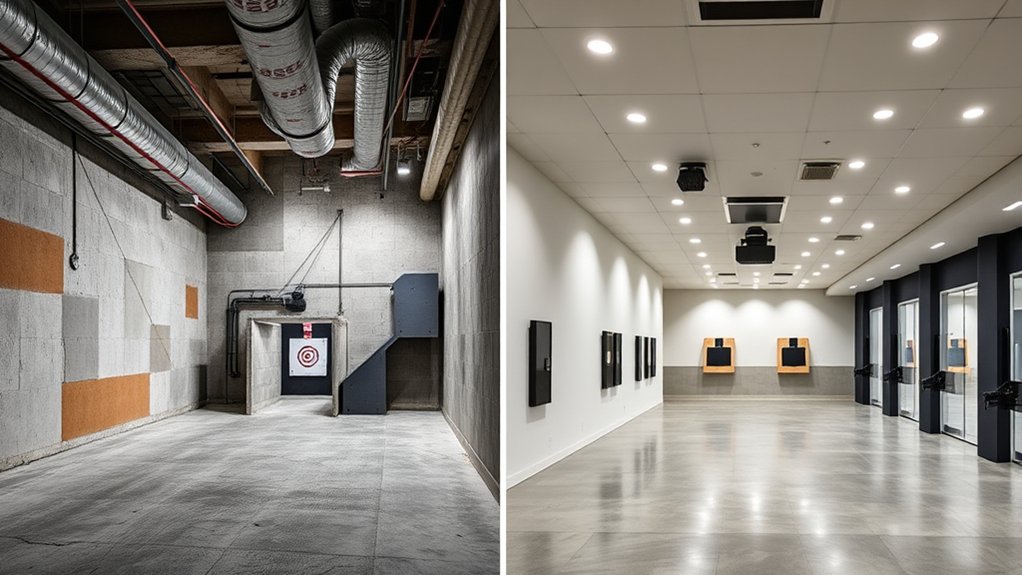
Deciding whether to remodel an existing space or build a new shooting range from scratch depends largely on your budget and specific needs.
Remodeling typically costs between $100 and $250 per square foot, influenced by project complexity. It’s often more cost-effective if you can adapt your current space to meet safety, ventilation, and soundproofing requirements.
New construction, however, involves higher upfront costs, ranging from $50,000 to $200,000, depending on equipment and safety features.
Keep in mind, both remodeling and new construction require engineering or architectural drawings for permits, adding $1,200 to $6,000 to your expenses.
Permitting fees vary widely, from $125 to over $1,000, based on local rules.
Weigh these factors carefully to choose the best option for your shooting range project.
Legal and Location Rules You Need to Know
Before you plan your shooting range, you’ll need to thoroughly research local laws and regulations. Many areas restrict or ban in-home ranges altogether. Understanding legal regulations is essential because they affect licensing, permits, and HOA rules.
Range fees for permits can vary widely, from $125 to over $1,000 depending on your location. Environmental and safety standards, like OSHA guidelines, also influence your setup.
| Aspect | Requirement | Typical Cost Range |
|---|---|---|
| Federal License | Federal Firearms License (FFL) | $200 – $3,000 |
| Local Permits | Zoning and safety permits | $125 – $1,000+ |
| HOA Restrictions | Property use limitations | Varies |
| Environmental Rules | Noise & lead exposure control | Compliance required |
| Legal Compliance | State and local firearms laws | Varies |
Check all these before starting to avoid costly issues.
Ongoing Costs of Running a Shooting Range
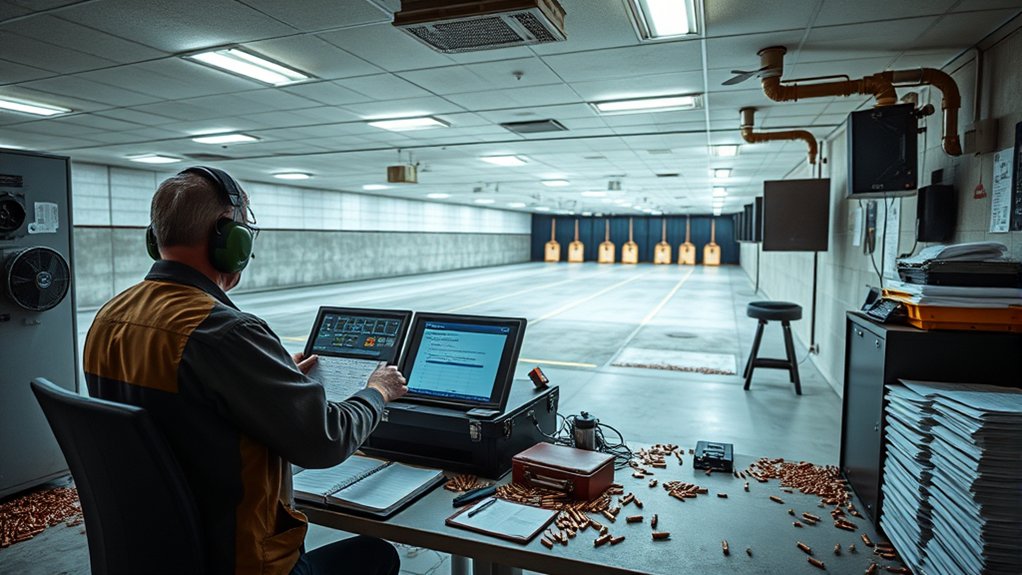
Although setting up your shooting range involves significant upfront costs, you’ll also need to budget for ongoing expenses to keep it running smoothly.
Monthly maintenance typically costs between $50 and $150, covering air filtration systems and bullet traps.
Expect monthly maintenance costs of $50 to $150 for essential air filtration and bullet trap upkeep.
Liability insurance is a key ongoing cost, but policies can vary widely, especially for indoor ranges. So, thorough research is essential to secure proper coverage.
You’ll also need regular inspections of firearms and safety equipment to meet compliance and safety standards.
Don’t forget utility bills and potential staffing expenses, which can add up quickly.
Managing these ongoing costs effectively guarantees your range stays safe, compliant, and operational without unexpected financial strain.
Shooting Range Memberships and Pricing Models
You’ll find a bunch of membership options that work for both solo shooters and families. Each one comes with its own pricing setup.
Usually, the monthly and annual plans throw in some nice perks, like discounted lane rentals and guest passes. Knowing these benefits can really help you pick the best deal for how often you shoot.
Membership Types Overview
Membership options at shooting ranges vary to fit different needs and budgets, giving you flexible choices for access and savings.
When exploring membership types at gun ranges, you’ll find individual plans typically cost around $550 per year, granting access to both pistol and rifle ranges.
If you only shoot pistols, a $450 membership might suit you better.
Family memberships, ranging from $700 to $800 annually, allow multiple members to use both range types.
These memberships often include benefits like reduced lane rental fees, sometimes as low as $10 compared to $19.99 for non-members.
Some premium plans waive lane fees entirely and offer guest passes, perfect if you visit frequently.
Plus, many ranges provide discounts for veterans and seniors, making membership more affordable for those groups.
Pricing Structures Explained
How much you spend at a shooting range depends largely on the pricing model you choose.
If you visit occasionally, paying single shooter fees around $23 on weekdays and $25 on weekends might suit you. Extra shooters add about $15 each.
For more frequent visits, consider a membership starting at $41.99 per month or roughly $550 annually for pistol and rifle access. Members pay just $10 for lane rentals compared to $19.99 for non-members, saving you on range time costs.
You can also buy frequent shooter cards at $164.99 for 11 discounted sessions, which is ideal for regular shooters.
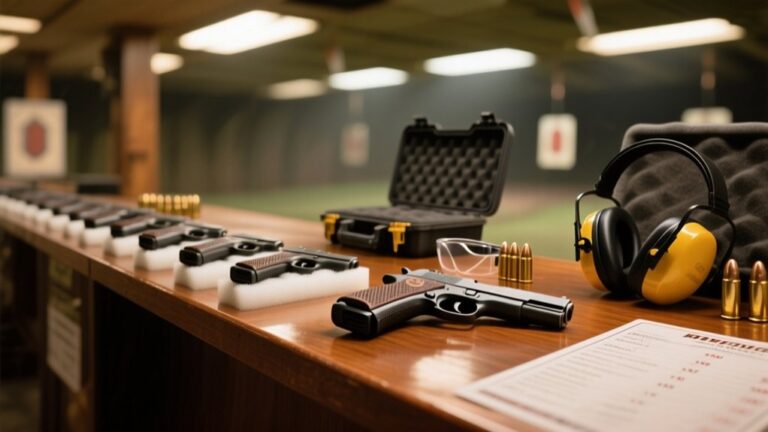
Keep in mind, firearm rentals cost $20 per lane per hour, and automatic firearms come at a premium ranging from $50 to $100.
Your choice impacts how much you invest in your shooting range experience.
Discounts And Benefits
Several pricing options offer discounts and benefits that can stretch your shooting budget. For instance, annual range cards cost just $15 and provide full access for a year.
Membership prices start at $41.99 per month, with special discounts for Veterans and Seniors. Non-members pay $19.99 per lane rental, but members enjoy a reduced rate of $10.
Plus Members get even better perks, including no lane rental fees and eight free guest passes annually.
If you prefer occasional visits, a Frequent Shooter card at $164.99 covers 11 sessions at a discounted rate.
Shooting Range Equipment and Features That Affect Costs
The equipment and features you choose for your shooting range play a major role in determining its overall cost. Shooting ranges with advanced range equipment, like HEPA air management systems and electric target retrievers, offer better air quality and user experience but come with higher price tags.
In-home gun ranges can cost between $50,000 and $200,000 depending on complexity and safety features. Furthermore, engineering and architectural drawings required for permits typically range from $1,200 to $6,000, adding to startup expenses.
Construction costs vary, with remodeling averaging $100 to $250 per square foot, while new builds greatly increase costs.
Keep in mind, ongoing maintenance for equipment and safety systems usually costs between $50 to $150 monthly, so budgeting for these expenses is essential to keep your range running smoothly.
How to Save Money When Starting Your Shooting Range
You can save a lot by retrofitting an existing space instead of building new. This approach cuts construction costs considerably.
Also, be sure to compare quotes for engineering and permitting services—shopping around helps you find the best deals.
On top of that, choosing cost-effective equipment and planning for regular maintenance will keep your expenses manageable right from the start.
Budget-Friendly Construction Tips
If you want to save money when starting your shooting range, consider retrofitting an existing space instead of building from scratch.
Retrofitting typically costs between $100 and $250 per square foot, much less than new construction.
Secure engineering or architectural drawings, costing $1,200 to $6,000, to meet permitting requirements and speed up approvals.
Investigate local regulations carefully to avoid costly fines or rework, and budget for permitting fees, which range from $125 to $1,000.
Maintain your air filtration systems and bullet traps regularly, spending about $50 to $150 monthly, to prevent expensive repairs.
Finally, explore bulk purchasing for materials and hire local contractors who may offer competitive pricing.
These budget-friendly construction tips help you build a cost-effective and compliant shooting range.
Cost-Effective Equipment Choices
Retrofitting your shooting range space helps cut construction costs, but choosing the right equipment can further stretch your budget. Focus on cost-effective equipment choices by purchasing used or leasing firearms and target systems to reduce upfront expenses.
Offering firearm rentals not only attracts beginners but also generates additional revenue, helping offset ongoing costs like insurance and maintenance.
Prioritize essential safety features such as bulletproof barriers and proper ventilation to meet regulations without overspending on unnecessary upgrades.
Implement an efficient booking system to streamline operations, reduce wait times, and boost customer satisfaction, encouraging repeat visits.
Frequently Asked Questions
What Safety Gear Is Required for First-Time Shooting Range Visitors?
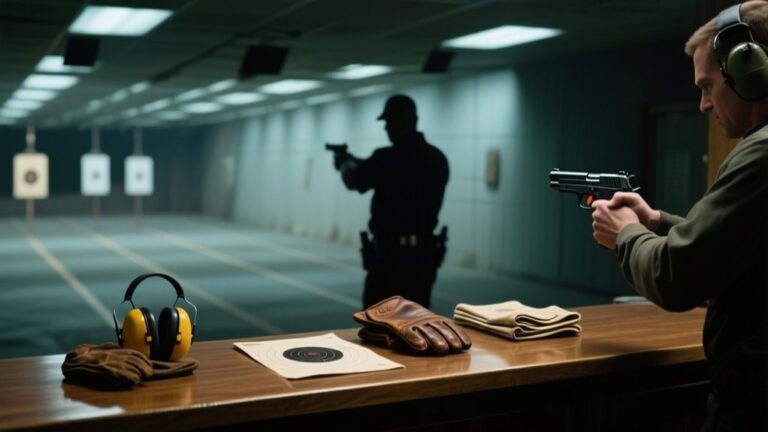
You’ll need ear protection and eye protection when you visit a shooting range for the first time. These keep you safe from loud noises and potential debris.
Make certain you follow range etiquette, like keeping the gun pointed downrange and listening to the range officer.
Many ranges also require safety training before you shoot, so you understand how to handle firearms properly.
Staying alert and following rules keeps everyone safe and guarantees a great experience.
Are There Age Restrictions for Using a Shooting Range?
Yes, there are age restrictions for using a shooting range. Most ranges have youth regulations that require you to be at least 10 to 12 years old to shoot, but this varies.
If you’re under 18, you’ll usually need parental consent and supervision.
Always check the specific range’s rules beforehand, so you’re prepared and follow their safety guidelines carefully to guarantee a safe and enjoyable experience.
Can I Bring My Own Firearm and Ammunition to the Range?
Yes, you can usually bring your own firearm and ammunition, but you’ll need to check the range’s specific firearm policies and ammunition regulations first.
Some ranges have strict rules about what types of guns and ammo are allowed for safety reasons.
Don’t worry if you’re unsure. Just call ahead or visit their website to confirm.
Following their guidelines guarantees you’ll have a smooth, enjoyable experience without any surprises.
What Are the Typical Hours of Operation for Shooting Ranges?
Shooting ranges typically operate from morning until early evening, often around 9 AM to 7 PM, but hours can vary.
You’ll want to visit during off-peak times to avoid crowds, as peak hours usually fall on weekends and evenings.
Remember to follow proper range etiquette: be respectful, follow safety rules, and stay attentive.
Checking the specific range’s schedule online before you go helps you plan your visit when it’s less busy.
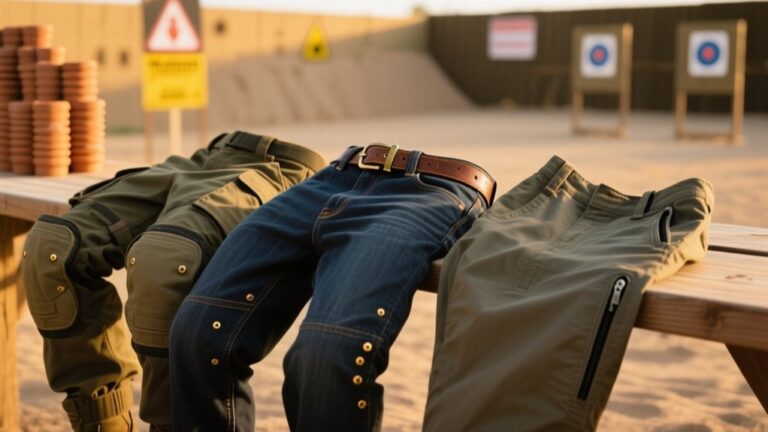
Is There a Dress Code or Specific Clothing Recommended at Shooting Ranges?
You should know that 75% of shooting range incidents happen due to improper attire.
So yes, there’s a dress code emphasizing shooting etiquette.
You need to wear appropriate footwear. Closed-toe shoes are a must to protect your feet.
Avoid loose clothing that can get caught or interfere with handling firearms.
Following these guidelines keeps you safe and respected by others, making your experience smooth and enjoyable every time you visit.
Conclusion
Starting or shooting at a range involves several significant spending steps. By balancing building basics, budgeting for ongoing bills, and being mindful of legal limits, you’ll master money management.
Membership models and must-have materials make a measurable mark on your costs, so smart savings strategies will serve you well. Whether remodeling or starting fresh, staying savvy saves stress and secures success in your shooting range venture.
Stay sharp, spend smart, and shoot straight.