Can You Shoot Green Tip Ammo At Indoor Range – Restrictions Explained
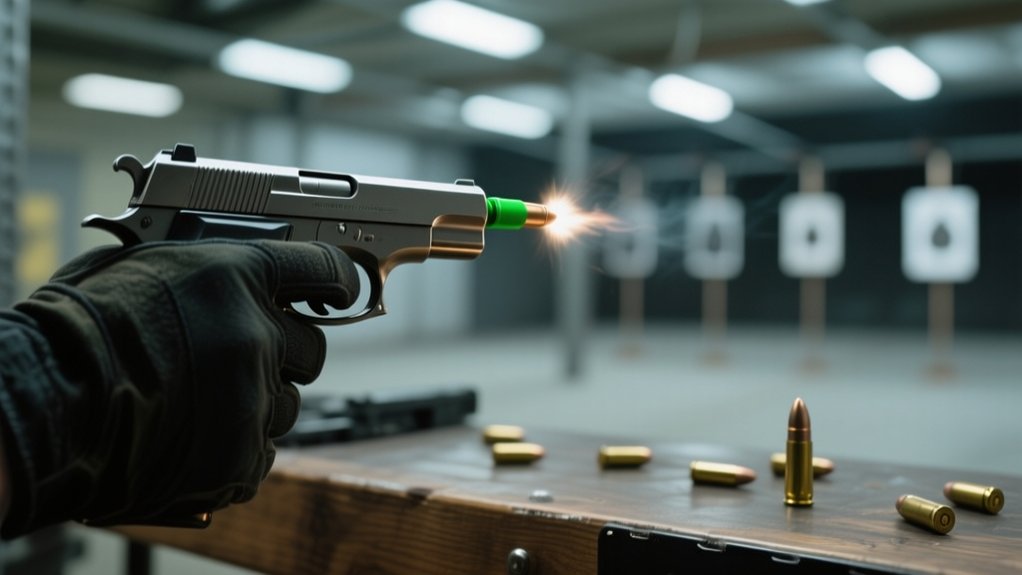
You can shoot green tip ammo at some indoor ranges, but many restrict or ban it due to safety concerns. Its steel core increases ricochet risks and damages backstops, leading to costly repairs and potential injury.
Some ranges only allow it in designated lanes under strict supervision, while others prohibit it entirely. Choosing safer ammo alternatives is often recommended to protect equipment and shooters.
Keep exploring to understand the reasons behind these rules and safer options available.
What Is Green Tip Ammo and How Does It Work?
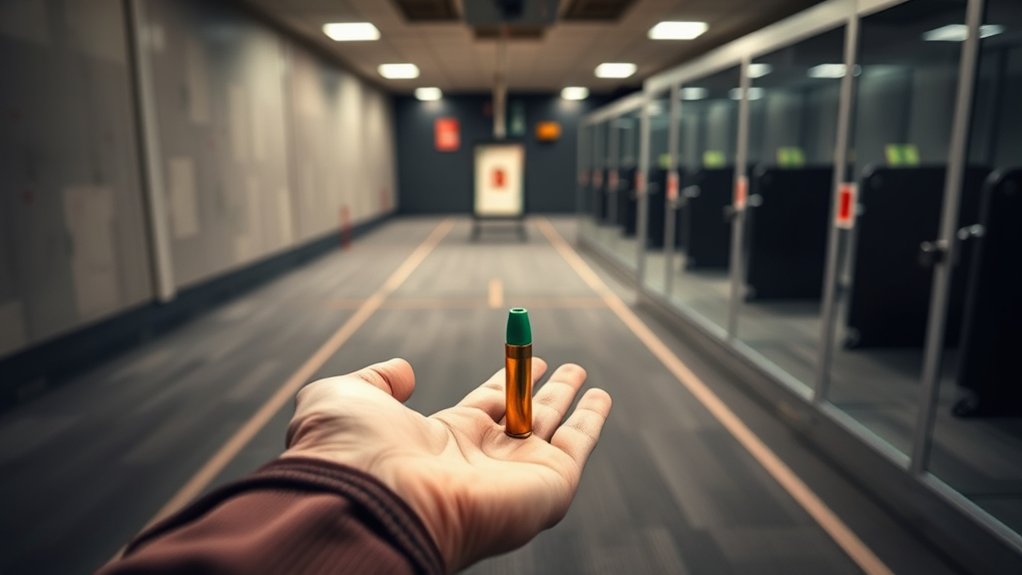
Green tip ammo, also known as the M855 cartridge, features a 62-grain bullet with a hardened steel penetrator ahead of a lead core. This gives it improved stability and the ability to penetrate light barriers.
This design allows green tip ammo to perform effectively in combat scenarios where penetrating barriers like light cover is essential.
The olive-green paint on the bullet’s tip helps you easily identify this military-developed round.
While it’s not classified as armor-piercing, the steel core in green tip ammo can still damage steel targets considerably.
Knowing how green tip ammo works helps you understand why it’s favored in tactical situations but also why its unique construction impacts where you can safely use it.
Why Is Green Tip Ammo Restricted at Indoor Ranges?
You should know that green tip ammo has a steel core, which can cause dangerous ricochets in the tight quarters of indoor ranges. This isn’t just a risk for you but for everyone nearby.
On top of that, the hardened penetrator can damage backstops and traps. That damage often means expensive repairs and stricter rules at the range.
Ricochet And Safety Hazards
Because steel penetrators in green tip ammo increase ricochet risks, indoor ranges often restrict its use to protect shooters and staff.
When you shoot M855 rounds indoors, the steel core can cause unpredictable ricochets, sending fragments flying in dangerous directions.
This ricochet hazard isn’t just about stray bullets; steel-core impacts create aggressive splashes off pitted backstops, increasing the chance of injury.
You also have to take into account the confined space indoors, which amplifies these risks compared to outdoor ranges.
To keep everyone safe, many indoor ranges ban green tip ammo outright, avoiding the complexities of managing ricochet dangers and reducing liability.
Range Damage Concerns
Beyond the safety risks posed by ricochets, steel-core rounds like M855 also take a heavy toll on indoor range equipment.
When you shoot green tip ammo, the hardened steel penetrator impacts the steel backstops and traps, causing pitting and cracking—even in tough AR500 steel.
This damage leads to costly repairs and frequent maintenance, which indoor ranges want to avoid.
Because steel-core ammunition wears down range infrastructure faster, most indoor facilities restrict or ban green tip ammo entirely to keep their equipment intact and guarantee everyone’s safety.
So, when you’re planning to shoot, remember that steel-core rounds aren’t just a safety concern.
They’re a significant factor in damaging the range itself, making restrictions on green tip ammo necessary at indoor ranges.
How Does Green Tip Ammo Damage Range Equipment?
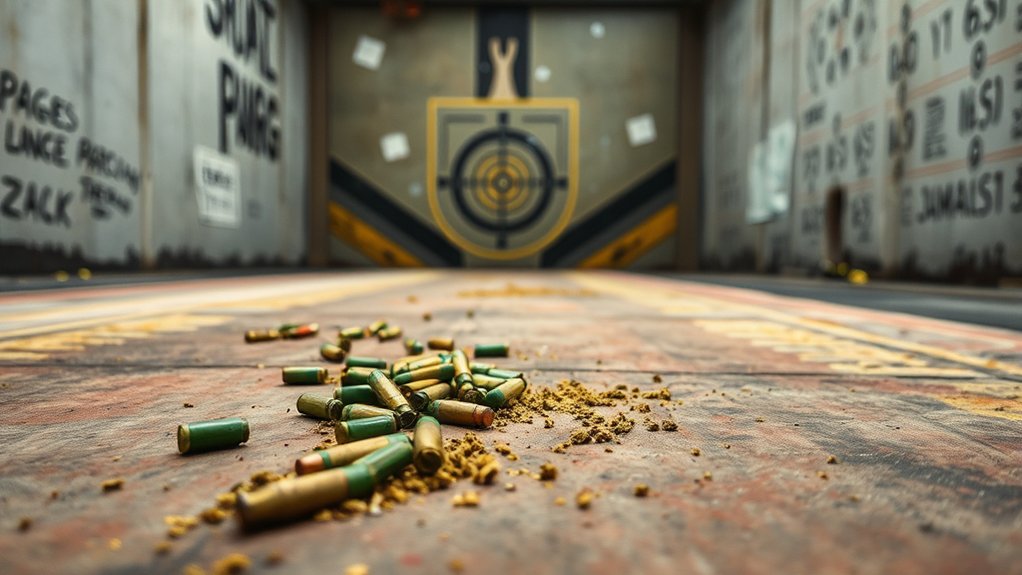
When you shoot green tip ammo, its steel core can actually pit and crack the range’s backstop materials, which causes some serious damage.
You’ve also got to be careful about ricochets and splashes because they can put everyone nearby at risk.
All these impacts mean that ranges have to do costly repairs more often and keep up with extra maintenance.
It’s definitely something to keep in mind when choosing your ammo at the range.
Steel Core Impact
If you use green tip ammo at an indoor range, you’ll quickly see how its hardened steel core can seriously damage range equipment. The steel core impact creates pitting and cracks, even on tough AR500 steel targets. This leads to costly repairs.
This penetrator’s unpredictable fragments increase the risk of hitting stalls and nearby areas, which poses safety concerns. Because of this, many ranges ban steel-core ammo like green tip altogether.
| Impact Type | Equipment Affected | Consequence |
|---|---|---|
| Steel Core Impact | Backstops | Pitting & cracking |
| Steel Core Impact | AR500 Steel Targets | Damage, costly repair |
| Steel Core Impact | Shooting Stalls | Risk of errant hits |
| Steel Core Impact | Range Surroundings | Safety hazards |
Understanding steel core impact helps you respect range rules and maintain safety.
Ricochet And Splash
The hardened steel core of green tip ammo doesn’t just damage targets. It also increases the chance of unpredictable ricochets and splashes.
When you shoot these rounds indoors, the steel penetrator can deflect off surfaces at odd angles. This creates errant ricochet risks that endanger shooters.
This aggressive impact often causes pitting and cracking on steel targets. That leads to costly repairs.
Moreover, the splash effect sends fragments flying beyond the intended impact zone. This makes your environment less safe.
Consider these risks when handling green tip ammo:
- Ricochet unpredictability raises the chance of injury to shooters and staff.
- Steel core impacts cause damage requiring frequent maintenance of range equipment.
- Sparks from ricochets increase fire hazards in indoor settings.
You’ll understand why many indoor ranges restrict green tip ammo use.
Backstop Material Damage
Because green tip ammo features a hardened steel penetrator, it can severely damage backstop materials like AR500 steel, leading to costly repairs and frequent maintenance.
When you shoot green tip ammo, the steel-core projectile causes pitting and cracking in backstops, compromising their structural integrity and safety.
This backstop material damage not only requires expensive fixes but also increases downtime for the range.
Moreover, impacts from green tip ammo create unpredictable ricochets, worsening splashback effects that can harm shooters and damage range infrastructure.
Because of these risks, many indoor ranges prohibit green tip ammo to prevent long-term backstop material damage and reduce operational costs.
Shooting green tip ammo indoors puts both equipment and safety at significant risk, so it’s best to avoid it unless the range explicitly allows it.
What Safety Risks Does Green Tip Ammo Pose Indoors?
When you shoot green tip ammo indoors, you face unique safety challenges because of its hardened steel penetrator. This steel core increases ricochet risks, making stray bullets more likely to cause injury.
The safety risks go beyond just projectile behavior. The steel can damage backstops and traps, which compromises range integrity and safety systems.
Steel cores can damage backstops and traps, compromising range safety and structural integrity.
You also need to consider the unpredictable splash and fragments caused by steel-core impacts. These can endanger shooters and staff alike.
Key safety risks include:
- Elevated ricochet potential leading to errant projectiles.
- Damage to range infrastructure, increasing maintenance and hazard risks.
- Sparks generated on impact, raising fire hazards in confined, flammable environments.
Understanding these risks helps you make informed decisions about indoor shooting safety.
Which Ammo Types Are Safer Alternatives for Indoor Use?
Considering the risks posed by green tip ammo indoors, you’ll want to choose rounds that reduce ricochet and damage to your range. Safer alternatives include lead core or solid copper rounds, polymer-tipped hunting ammo, and frangible bullets designed to disintegrate on impact.
Non-tipped rounds are also typically accepted at most indoor ranges, providing a reliable option.
| Ammo Type | Key Feature | Indoor Safety Benefit |
|---|---|---|
| Lead Core/Copper | No steel content | Minimizes ricochet |
| Polymer-Tipped | Designed for safety | Enhanced performance & safety |
| Frangible | Disintegrates on impact | Reduces ricochet risk |
Always check your range’s specific policies before buying ammo to guarantee compliance and safety.
How Do Different Ranges Manage Green Tip Ammo?
How do ranges handle green tip ammo given its steel core risks? Many indoor ranges outright ban green tip ammo because its steel core can damage backstops and cause costly maintenance.
The risk of ricochets and unpredictable deflections makes it unsafe for most indoor environments. However, policies vary widely. You’ll find some ranges allowing green tip ammo only in designated lanes or with strict supervision.
Here’s how different ranges typically manage green tip ammo:
- Prohibit it entirely to protect infrastructure and shooter safety
- Permit it only in specific lanes designed to handle steel-core rounds
- Require shooters to follow strict guidelines and consult range staff before use
Always check your range’s specific policies before bringing green tip ammo to avoid surprises.
How to Prepare Before Bringing Green Tip Ammo to the Range
Before bringing green tip ammo to the range, you should verify the facility’s specific policies, as many indoor ranges ban this ammunition due to safety and damage risks. Conduct a magnet test to confirm your green tip ammo lacks steel-core components, which many ranges prohibit.
Familiarize yourself with potential risks like increased ricochet and damage to range infrastructure. Always review the allowed ammo types and consider safer alternatives like lead core or frangible rounds. Contact the range ahead of time if you’re unsure about their green tip ammo regulations.
| Step | Action |
|---|---|
| 1. Verify Policies | Check range rules on green tip ammo |
| 2. Magnet Test | Ascertain ammo isn’t steel-core |
| 3. Understand Risks | Know ricochet and damage concerns |
| 4. Review Alternatives | Consider lead core or frangible rounds |
| 5. Contact Range | Clarify any regulation uncertainties |
Frequently Asked Questions
Can Green Tip Ammo Be Used at Outdoor Shooting Ranges?
Yes, you can use green tip ammo at outdoor shooting ranges, but it depends on the range policies.
Some outdoor ranges allow it since the bullets are designed for better penetration and typically don’t cause damage to steel targets.
However, you should always check the specific range policies before shooting.
Ignoring these rules can lead to safety issues or being asked to leave, so it’s best to confirm beforehand.
Is Green Tip Ammo Legal for Hunting in All States?
No, green tip ammo isn’t legal for hunting in all states. You’ll need to check specific hunting regulations where you plan to hunt because some states ban steel core or armor-piercing rounds like green tip.
These rules exist to protect wildlife and guarantee safety.
Always review local laws before heading out so you don’t accidentally break any regulations or face penalties for using prohibited ammo during hunting season.
How Does Green Tip Ammo Perform in Different Weather Conditions?
You’ll notice green tip ammo shows some performance variability in different weather conditions.
In cold weather, the powder burns slower, slightly reducing velocity and accuracy.
Rain or humidity can affect the bullet’s trajectory, but the steel penetrator tip maintains good penetration regardless.
Overall, green tip ammo performs reliably, but you should expect minor changes in range and precision depending on temperature and moisture levels.
Adjust your shooting accordingly for best results.
Are There Specific Firearms Recommended for Green Tip Ammo?
You might think green tip ammo fits any gun, but that’s not true. For ideal firearm compatibility, rifles like the AR-15 and AK-47 series are recommended since they handle the higher velocity and pressure well.
Using green tip ammo in pistols or older firearms can cause malfunctions or damage.
What Should I Do if My Green Tip Ammo Is Recalled?
If your green tip ammo is recalled, you should immediately stop using it to guarantee ammo safety.
Check the recall details from the manufacturer or retailer and follow their instructions for returning or disposing of the defective rounds.
Keep the ammunition separate from other ammo to avoid accidental use.
Staying informed and acting quickly helps protect you and others from potential hazards associated with recalled ammunition.
Conclusion
Shooting green tip ammo at an indoor range is like trying to fit a square peg in a round hole. It just doesn’t align with safety or range rules. Its armor-piercing core can chip away at equipment and spark hidden dangers.
You’ll want to choose gentler rounds that dance safely within indoor walls. Before you load up, check each range’s rules. Respect their rhythm and keep your shooting experience smooth and safe.