Can I Have A Shooting Range On My Property – Rules And Considerations
You can have a shooting range on your property, but you’ll need to follow local laws, get permits, and meet safety and environmental standards. Verify you have enough land; at least 40 acres is recommended. Set up proper backstops and safety barriers.
Maintain the range regularly and secure liability insurance. You’ll also want to keep good relations with neighbors by managing noise and pollution. Keeping all this in mind sets the stage for a safe, compliant shooting space and more details on how to achieve it.
Essential Property Features for a Safe, Practical Shooting Range
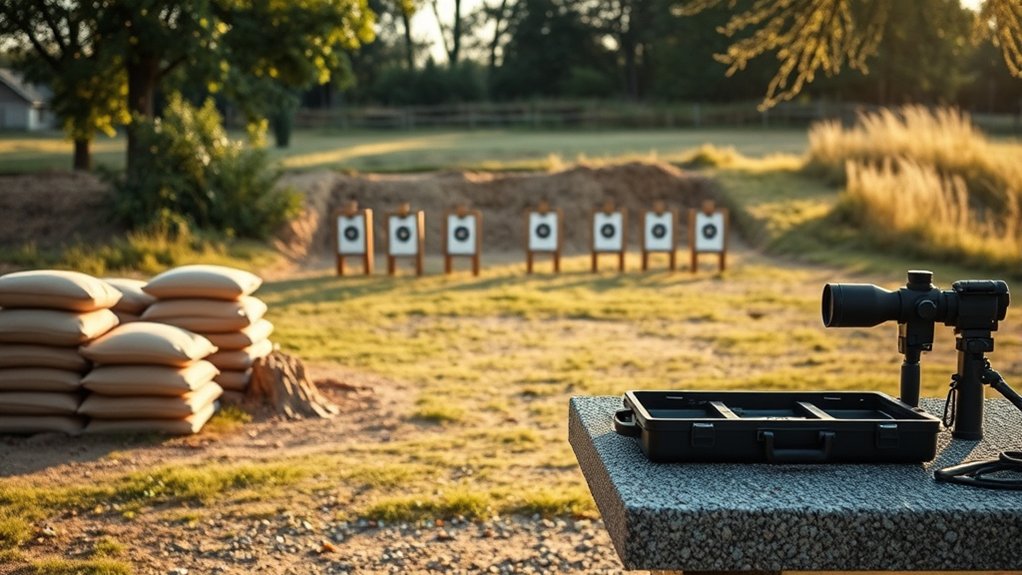
Although you can set up a shooting range on smaller plots, having at least 40 acres is essential to ascertain safety and minimize noise impact on neighbors. For long-range shooting, 500 acres is ideal.
When planning shooting ranges, confirm your backdrop stands 20-60 feet high to prevent ricochets effectively. Take advantage of natural topography like hills or canyons to act as wind barriers and enhance safety.
Ensure backdrops are 20-60 feet high and use natural landforms for safety and wind protection.
Orient your range to maximize natural light and reduce glare, improving your shooting experience.
Regular maintenance is critical, including replacing dirt on berms and frequently swapping out targets to keep your range functional and safe.
Legal Rules and Permits for Private Shooting Ranges
Before setting up your private shooting range, you’ll want to check if permits are required where you live.
Local laws can be different depending on the area, so it’s really important to know what rules apply to your property.
Keeping yourself informed not only helps you avoid any legal issues but also ensures your range stays safe and completely above board.
It’s always better to be safe than sorry!
Permit Requirements
Since regulations for private shooting ranges vary widely by location, you should contact local authorities to understand the specific permit requirements and legal rules that apply to your property.
Permit requirements often include adherence to noise ordinances, safety standards for backstop heights, and shooting direction to prevent stray bullets.
For example, in Florida, backyard firing ranges have been legal since 1987, but new bills propose stricter penalties if bullets stray beyond your property.
While liability insurance mightn’t be mandatory, it’s wise to evaluate your coverage needs, especially if you charge for range use or live in a populated area.
Regular maintenance and safety checks are essential to meet permit requirements and avoid legal issues linked to negligent operation or accidents.
Local Legal Restrictions
When setting up a private shooting range, you need to navigate a patchwork of local legal restrictions that vary widely by state. These include zoning laws, noise ordinances, and stray bullet regulations.
For example, Florida treats stray bullets as misdemeanors and is pushing stricter penalties if bullets leave your property in residential zones.
Texas preempts many local shooting range rules but still enforces construction standards and insurance requirements in populated counties.
Many states require permits, and ignoring local legal restrictions can lead to fines or forced shutdowns.
You’ll often need liability insurance, especially if you charge for use, to protect against accidents and legal claims.
Always consult local authorities before establishing your range to guarantee full compliance with all applicable laws.
Safety Protocols and Training for Shooting Range Users
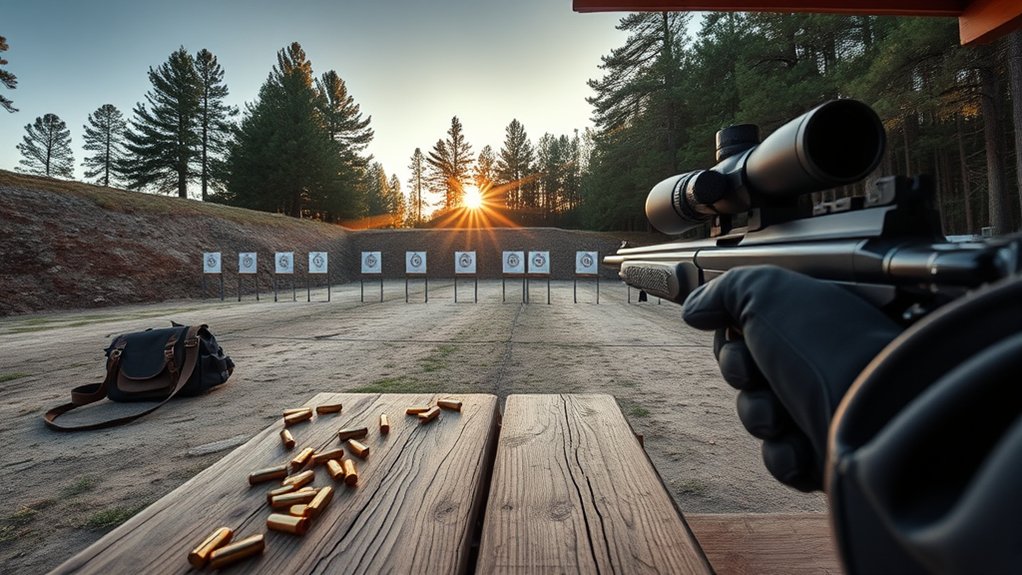
Although having a shooting range on your property offers convenience and control, you need to prioritize safety protocols and training to protect everyone involved.
Having a shooting range at home is convenient but demands strict safety and training to protect all users.
Establishing clear safety protocols is essential to minimize risks, including mandatory eye and ear protection. You should also hold regular training sessions using resources like those from the NRA to guarantee proper firearm handling and emergency responses.
Moreover, enforcing strict range rules prevents accidents, such as prohibiting firearm handling when others are downrange.
To keep your range safe, focus on these three key actions:
- Implement and enforce thorough safety protocols.
- Conduct regular training sessions for all users.
- Designate a Range Safety Officer to oversee compliance and safety checks.
Following these steps will help maintain a secure shooting environment.
Designing Your Shooting Range to Maximize Safety and Minimize Noise
To maximize safety and minimize noise on your shooting range, start by carefully selecting and shaping the terrain. Use natural features like hills or cliffs to create a proper backdrop 20-60 feet high, preventing ricochets.
Designing your shooting range to maximize safety and minimize noise also means choosing heavy topography, such as canyons, which help reduce wind and improve accuracy.
Orient the range to make the most of natural light while avoiding glare, enhancing visibility.
Incorporate soundproofing materials and noise barriers to reduce disturbances and meet local noise regulations.
Regularly assess your shooting range’s backdrops and barriers to keep safety measures effective and compliant.
Thoughtful design will keep your shooting range safe for users and respectful to neighbors.
Equipment Maintenance and Upkeep Tips
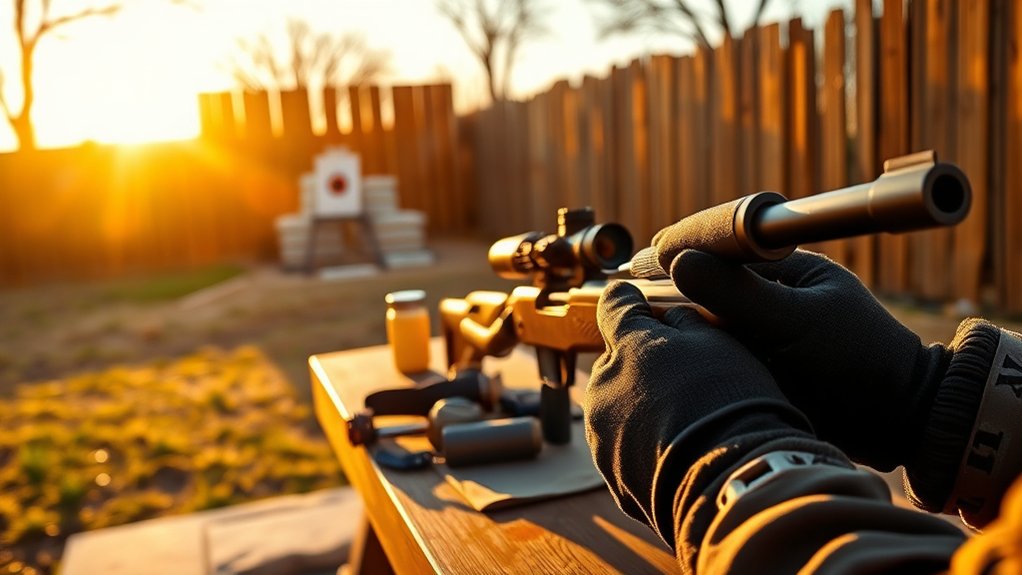
You’ll want to replace your shooting targets regularly to keep conditions safe and effective.
It’s a good idea to check your backdrops often, too, looking out for any damage or erosion.
Keeping a consistent equipment inspection routine is key as well.
Staying on top of these tasks really helps make sure your range stays safe and fully functional.
Target Replacement Frequency
Since maintaining shooting accuracy and safety depends heavily on target condition, you should inspect your targets regularly, ideally after every 500 rounds or at least once a week.
Proper target replacement frequency helps prevent misfires and keeps your shooting consistent.
To manage this effectively, use durable materials like rubber or steel to extend target life, especially in high-traffic areas.
Adjust replacement frequency based on your range type. Outdoor targets need more frequent changes due to weather exposure.
Keep a ready stock of replacement targets to minimize downtime and maintain smooth shooting sessions.
Backdrop Maintenance Needs
Although your backdrop may seem sturdy, regular assessments are essential to guarantee it continues absorbing bullets effectively and preventing ricochets.
Backdrop maintenance is especially important if your range uses soil or earth materials, as these can erode or compact over time, reducing their stopping power.
You should set a maintenance schedule to replenish or reinforce the backdrop after heavy use or bad weather.
Consider using materials like concrete or reinforced steel for a longer-lasting backdrop that demands less frequent upkeep.
Also, verify your backdrop height complies with safety recommendations, typically between 20 and 60 feet, to safely contain stray bullets.
Don’t forget to check for lead contamination in the soil and incorporate lead retrieval when necessary to keep your range environmentally safe and compliant.
Equipment Inspection Routine
When you establish a regular inspection routine for your shooting range equipment, you affirm everything functions safely and efficiently.
Consistent equipment inspection helps you catch wear and damage early, maintaining safety standards and smooth operation.
Focus on these three key tasks:
- Inspect all equipment, including targets, benches, and safety barriers, checking for damage or wear and replacing items as needed.
- Examine backstops and berms for erosion or damage, replenishing dirt to confirm effective bullet containment.
- Clear shooting lanes of debris or obstructions to prevent safety hazards during use.
Document every inspection and maintenance activity to maintain a clear record of your safety compliance.
This proactive approach keeps your range safe, reliable, and enjoyable for everyone.
Insurance and Liability Considerations for Your Shooting Range
If you plan to operate a shooting range on your property, securing liability insurance is vital to protect yourself from potential accidents or injuries.
Meeting local insurance requirements often means obtaining coverage with minimum limits, commonly $2 million, to guarantee you’re financially protected.
You’ll likely need to provide proof of insurance to comply with regulations and demonstrate responsibility.
It’s important to understand your policy’s details, including exclusions and limitations, so you’re not caught off guard if an incident occurs.
Working with an insurance agent specializing in firearm-related policies can help you navigate the complexities and tailor coverage to your specific risks.
Proper insurance safeguards your investment and peace of mind while running your shooting range safely and legally.
Protecting the Environment and Being a Good Neighbor
Protecting the environment and maintaining good relationships with your neighbors play crucial roles in running a successful shooting range on your property.
You’ll want to focus on minimizing environmental impact and addressing neighbor concerns proactively. Here are three key steps:
- Prevent soil contamination by using lead retrieval systems or switching to copper bullets, especially near water sources.
- Communicate clearly with neighbors about your shooting range’s operating hours and frequency to reduce disturbances and build trust.
- Use proper backstops and barriers to keep shot and target debris from reaching neighboring properties or waterways.
Also, comply with noise ordinances to limit sound pollution.
How a Shooting Range Affects Your Property Value
Balancing environmental care and good neighbor relations lays a solid foundation for managing a shooting range on your property, but you might also wonder how it impacts your property’s value.
A well-maintained shooting range can actually boost your property’s appeal, especially to buyers who enjoy outdoor recreational activities like hunting and shooting sports.
Properties with established shooting ranges often attract higher offers because they stand out as unique compared to typical residential lots.
Demonstrating compliance with local regulations and safety measures further enhances this value by showing responsible ownership.
To get a clear picture of how much your shooting range adds worth, consider working with recreational real estate agents who understand niche markets and buyer interests in your area.
Frequently Asked Questions
Can I Host Shooting Competitions on My Private Range?
Yes, you can host shooting competitions on your private range, but you’ll need to follow competition regulations carefully.
Check with local authorities to see if you need permits and guarantee you have proper liability insurance.
You should also comply with noise ordinances and establish strict safety protocols.
Notify neighbors if required, and clearly communicate all rules to participants to keep everyone safe and minimize risks during the event.
Are There Specific Firearm Types Allowed on Private Ranges?
Imagine your private range as a garden where only certain plants thrive. Firearm restrictions act like the gardener’s rules, deciding which “seeds” you can plant.
You’ll find handguns, rifles, and shotguns usually bloom freely, while automatic weapons or silencers might be barred like invasive species.
Always check local laws first; they’re your soil’s conditions.
This way, you keep your range safe, legal, and flourishing with the right types of firearms.
How Do I Handle Lead Contamination on My Property?
You’ll want to tackle lead contamination through proper lead remediation. Start by regularly testing your soil and water to spot any lead buildup.
Switch to copper bullets to cut down on contamination. Use effective backstops to contain fragments, and consider hiring lead retrieval companies to clean contaminated soil professionally.
Taking these steps helps protect your property and the environment while keeping your shooting range safe and compliant.
What Are the Rules for Shooting Range Signage and Warnings?
You need to follow specific signage requirements to keep your shooting range safe and legal.
Place clear, visible signs at all property boundaries warning about active shooting zones. Include messages like “No Trespassing” and “Shooting in Progress” to prevent unauthorized access.
Check local regulations for size, content, and placement rules.
Keeping signs legible and well-maintained not only protects others but also shields you from liability.
Can I Rent Out My Shooting Range to Others Legally?
Yes, you can rent out your shooting range to others legally, but you’ll need proper liability insurance to protect yourself from accidents or injuries.
Make sure you comply with local zoning laws and obtain any necessary permits.
You’ll also want to maintain safety protocols and notify neighbors to avoid disputes.
Keeping thorough documentation of safety measures helps demonstrate compliance and supports your insurance coverage, ensuring you’re legally protected while renting out your range.
Conclusion
Setting up a private shooting range on your property isn’t just about firing away. It’s about creating a responsible, well-planned space that respects safety, neighbors, and the environment.
By carefully maneuvering through legal hoops, prioritizing safety, and maintaining your equipment, you’re not just aiming for accuracy but harmony too. Remember, with thoughtful preparation, your range can be a peaceful spot for practice, not a source of unwanted noise or risk.