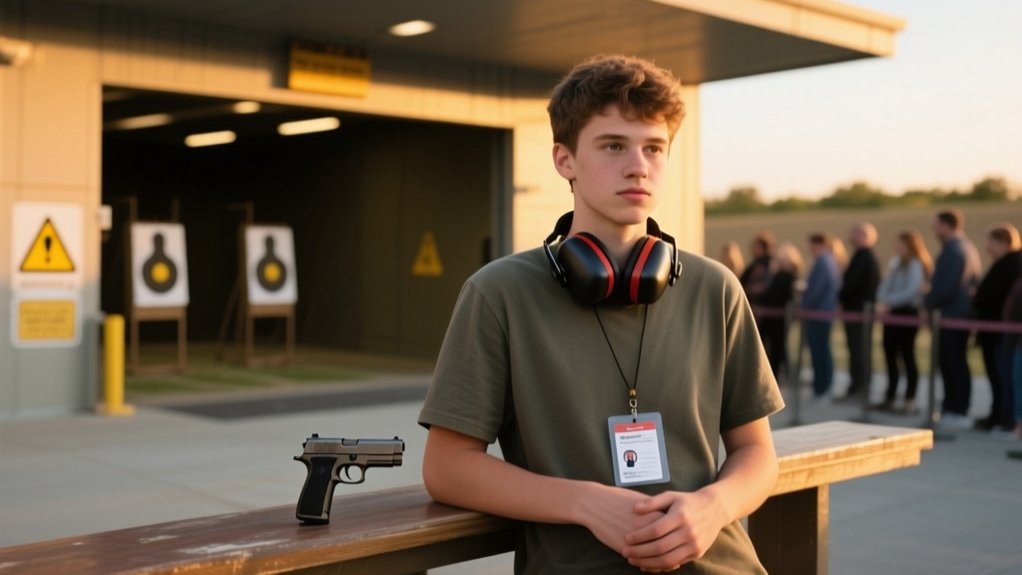
Can Daca Go To Shooting Range – Eligibility And Rules Explained
As a DACA recipient, you can visit shooting ranges if you follow federal firearm laws and facility rules. Be sure to carry a valid, unexpired government ID and meet the age requirements, usually 21 for handguns and 18 for long guns.
You must strictly follow safety protocols and range policies. However, purchasing ammunition personally is illegal and carries serious risks to your DACA status. Keep these guidelines in mind, and you’ll understand how to stay compliant and protected.
Who Can Visit a Shooting Range As a DACA Recipient
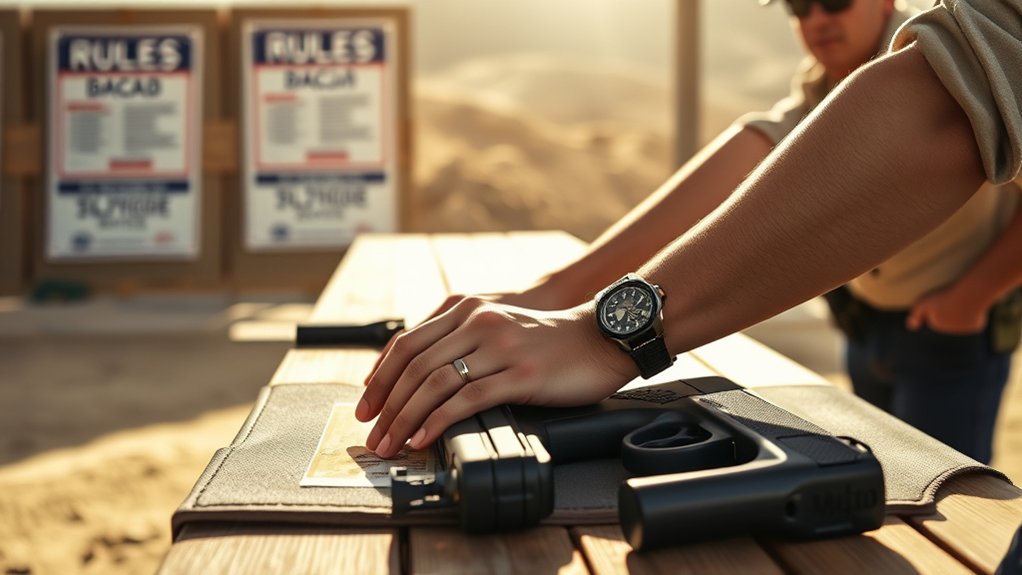
Although DACA recipients aren’t automatically barred from visiting shooting ranges, you must follow the specific rules set by each facility and avoid any illegal activities involving firearms.
As a DACA recipient, you can visit shooting ranges, but your access depends on strict compliance with range policies and federal laws.
While your DACA status doesn’t inherently restrict range visits, purchasing ammunition might be tricky since federal law prohibits illegal aliens from buying it.
Keeping a clean legal record is essential because any legal issues could threaten your DACA status.
To navigate these complexities safely, consulting an immigration attorney is a smart move.
This way, you’ll guarantee you stay within legal boundaries while enjoying shooting range activities as a DACA recipient.
Identification and Documentation Needed at Shooting Ranges
To get into a shooting range, you’ll need to show a valid, unexpired government-issued ID along with proof of your legal status.
Also, keep in mind that signing safety waivers is mandatory. The good news is you can often fill out these forms online before you get there.
Having all your documents ready beforehand ensures your visit goes smoothly and stays within the rules.
Valid ID Requirements
When you visit a shooting range, you’ll need to present a valid, unexpired government-issued photo ID, like a passport or state ID, to verify your identity. This valid ID confirms you meet age and identity requirements before you handle firearms.
Keep in mind:
- The minimum age is usually 21 for handguns and 18 for long guns.
- Your valid ID must be current and government-issued.
- Some ranges have specific ID policies based on local laws.
- Non-U.S. citizens, including DACA recipients, may face additional checks.
- You might need to sign safety waivers and demonstrate firearm handling.
Always check the range’s ID rules ahead of time to guarantee smooth access with your valid ID.
Proof of Legal Status
Accessing a shooting range requires you to present clear proof of legal status through valid, unexpired government-issued photo identification, such as a passport or state ID.
As a DACA recipient, you must comply with age restrictions, typically 21 for handguns and 18 for long guns, and meet all range rules. Your proof of legal status confirms your eligibility and helps avoid legal issues.
Non-U.S. citizens, including those with DACA status, may face additional scrutiny, so having proper documentation on hand is crucial.
Never misrepresent your age or legal status, as this can lead to serious consequences.
Waiver and Safety Forms
Although presenting valid photo ID is essential at shooting ranges, you’ll also need to complete mandatory safety waiver forms before participating.
These waiver and safety forms are designed to guarantee you understand and agree to follow all safety protocols.
Here’s what to keep in mind:
- Bring an unexpired government-issued photo ID, like a passport, especially if you’re not a U.S. citizen.
- Complete the waiver and safety forms to speed up check-in and confirm your knowledge of firearm safety.
- Be prepared to demonstrate safe firearm operation if you’re renting guns.
- Minors must be supervised by a FOID cardholder or provide proof of guardianship.
- Follow all rules outlined in the waiver to maintain a safe, secure environment for everyone.
Fulfilling these requirements guarantees you can enjoy the range safely and responsibly.
Firearm Handling and Safety Rules for DACA Recipients
You must follow strict safety rules whenever you visit a shooting range as a DACA recipient. Even though your status doesn’t restrict range access, firearm handling remains strictly regulated.
Always treat every firearm as loaded, and use mandatory eye and ear protection.
Follow the range’s policies carefully to avoid any legal complications. Never misrepresent your age or ID, as honesty is essential to maintain your clean legal record.
Remember, handling or purchasing firearms is illegal for you under federal law, so focus solely on safe range use.
Ammunition Purchase Restrictions for DACA Recipients
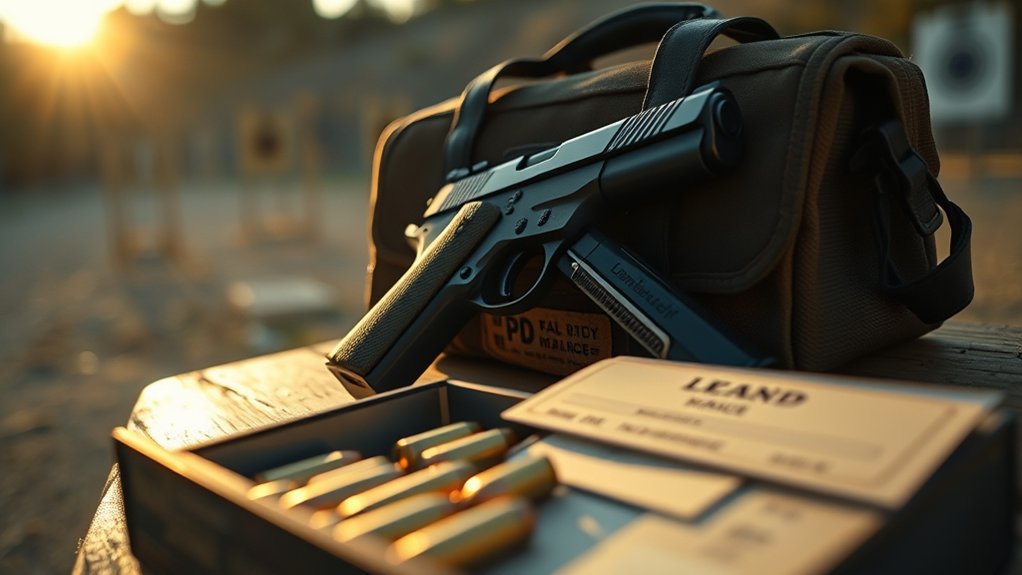
If you’re a DACA recipient thinking about buying ammunition, it’s really important to understand the legal risks involved.
Federal law actually places restrictions on these kinds of purchases, so you need to be aware of what’s allowed and what’s not.
Following the right compliance guidelines is key to staying out of any legal trouble.
Let’s break down what you should keep in mind when it comes to purchasing ammunition, so you can make informed decisions without any surprises.
Legal Risks Overview
Because DACA recipients are classified as illegal aliens under U.S. law, they can’t legally purchase firearms or ammunition according to Title 18, U.S. This restriction carries significant legal risks you need to understand before attempting any transaction.
Here are key points to keep in mind:
Buying ammo, even with a spouse’s card or signature, may still involve legal issues. Any illegal purchase can jeopardize your DACA status and renewals. Maintaining a clean legal record is vital for continued eligibility.
Ignorance of the law doesn’t protect you from consequences. Consulting an immigration attorney can clarify your specific legal position.
Navigating these legal risks carefully helps protect your status and avoid serious complications.
Transaction Compliance Guidelines
Understanding the legal risks surrounding ammunition purchases sets the stage for following specific transaction compliance guidelines.
As a DACA recipient, federal law classifies you as an illegal alien, restricting you from buying firearms and ammunition.
Even if you try to purchase ammo using a spouse’s card, legal issues can still arise. To avoid complications, you should refrain from any direct or indirect involvement in ammunition transactions.
However, visiting a shooting range is typically allowed, provided you don’t purchase or possess ammo unlawfully. It’s essential to know these boundaries clearly.
Before engaging in any shooting range activities involving firearms or ammunition, consult an immigration attorney to guarantee you stay within legal limits and protect yourself from potential penalties.
Risks of Ammunition Purchases Using a Spouse’s Payment Method
How can using your spouse’s payment method for ammunition put you at legal risk? As a DACA recipient, you’re considered an illegal alien under U.S. law, which means directly purchasing ammunition is prohibited.
Even if your spouse pays, the transaction may still face legal scrutiny.
The risks of ammunition purchases using a spouse’s payment method include possible misrepresentation of eligibility, legal repercussions for non-compliance, increased scrutiny on payment methods, potential investigation for fraudulent transactions, and complications in immigration status assessments.
It’s vital you understand firearm laws and consult an immigration attorney before making such purchases. This helps you avoid inadvertent violations and protects your legal standing when using a spouse’s payment method for ammunition.
How Firearm Activities Can Affect Your DACA Status
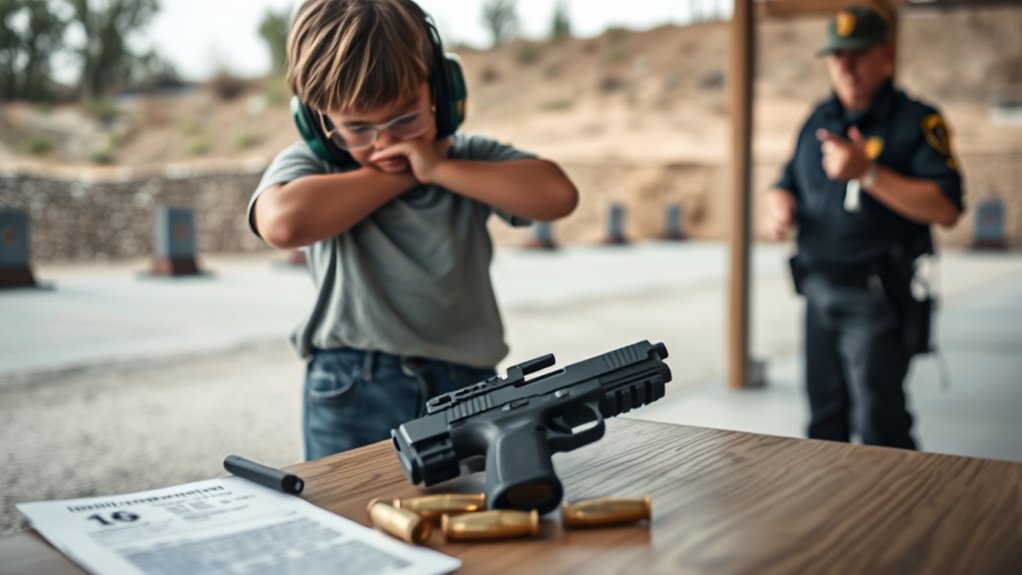
Purchasing ammunition with your spouse’s payment method carries risks, but simply visiting a shooting range doesn’t violate federal law for DACA recipients.
However, you need to be cautious with any firearm activities, as DACA recipients are classified as “illegal aliens” under federal law, making possession or purchase of firearms and ammo illegal.
Engaging in unlawful firearm activities can jeopardize your DACA status, as maintaining a clean legal record is essential for eligibility.
Even unintended violations or misunderstandings could lead to complications affecting your status.
To protect yourself, always comply with shooting range rules and avoid any purchases or possession that break federal laws.
Consulting an immigration attorney before participating in any firearm activities can help you navigate these risks and safeguard your DACA status.
Essential Safety and Legal Tips for DACA Recipients at Shooting Ranges
Although visiting a shooting range is allowed for DACA recipients, you must strictly follow all safety rules and federal regulations to avoid jeopardizing your status.
Being cautious and informed protects your future.
Here are essential tips for DACA recipients at shooting ranges:
- Always comply with range rules and never misrepresent your age or identity.
- Remember, federal law prohibits you from purchasing firearms or ammunition.
- Keep a clean legal record; any criminal activity can threaten your DACA status.
- Consult a legal expert before engaging in any firearm-related activity to understand risks.
- Learn and follow all safety protocols and range etiquette to avoid removal or legal issues.
Frequently Asked Questions
Can DACA Recipients Bring Their Own Firearms to the Range?
You can’t bring your own firearms to the range if you’re a DACA recipient because federal law prohibits your firearm ownership. Instead, you’ll have to use rental guns provided by the shooting range.
Always follow the range’s safety rules and provide valid ID when renting.
To stay safe and compliant, it’s a good idea to consult legal experts about firearm ownership laws and avoid any risks that could affect your DACA status.
Are There Age Restrictions for DACA Recipients at Shooting Ranges?
Imagine you’re 19 and enthusiastic to practice at a shooting range. Yes, there are age restrictions for DACA recipients: you must be 18 or older for long guns and 21 for handguns, following federal safety regulations.
Shooting ranges enforce strict safety regulations, requiring valid ID verification. Some ranges might’ve extra rules, so always check ahead.
Staying informed helps you enjoy the range responsibly and safely.
Is Prior Firearm Training Mandatory for DACA Recipients?
No, prior firearm training isn’t mandatory for you as a DACA recipient, but it’s highly recommended.
Training requirements vary by range, and many offer safety briefings that help you learn the basics.
Completing a firearm safety course can boost your confidence and guarantee you handle guns safely.
Following these training requirements and range rules will make your shooting experience safer and more enjoyable.
Can DACA Recipients Participate in Shooting Competitions?
Think of competition participation as stepping into a well-crafted arena where skill meets opportunity.
Yes, you can join shooting competitions as a DACA recipient, as long as you follow all the rules and meet eligibility criteria like age and legal requirements.
Your valid government-issued photo ID opens the door, but remember to respect local firearm laws.
Are There Specific Ranges That Do Not Allow DACA Recipients?
Yes, some ranges have specific range policies that might restrict DACA recipients.
While most don’t explicitly ban you, certain ranges require proof of legal status or identification that could impact your access.
You should always check each range’s policies before visiting to avoid surprises.
Being informed helps you stay compliant and enjoy shooting safely, without risking any issues related to your DACA status or the range’s rules.
Conclusion
Steering shooting ranges as a DACA recipient can feel like walking a tightrope. You need balance, awareness, and caution. By knowing the eligibility rules, carrying proper ID, and following firearm safety guidelines, you protect both yourself and your status.
Remember, even small missteps like risky ammunition purchases can have big consequences. Stay informed, stay safe, and approach every visit with care to keep your rights and future secure.