How Much Does It Cost To Build A Shooting Range – Budget And Planning Guide
Building a commercial indoor shooting range typically costs between $500,000 and over $5 million, depending on whether you choose new construction or retrofit. You’ll need to budget for specialized safety features, ventilation, lead management, and permits.
Plus, ongoing costs like insurance, staffing, and maintenance add up. Balancing safety and customer experience is key to success. If you want to understand how to plan effectively and manage expenses, there’s plenty more to explore.
What Defines a Commercial Indoor Shooting Range
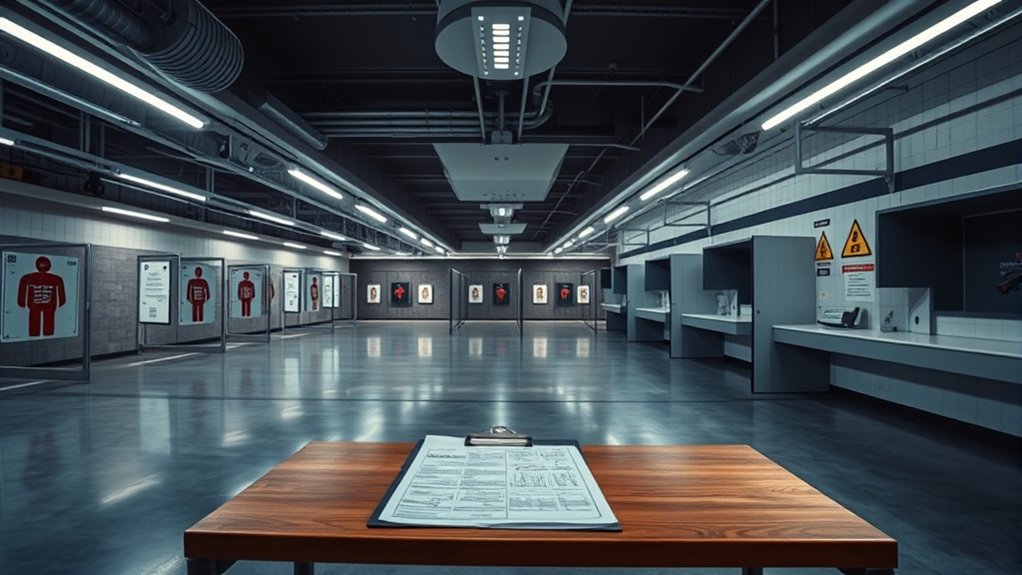
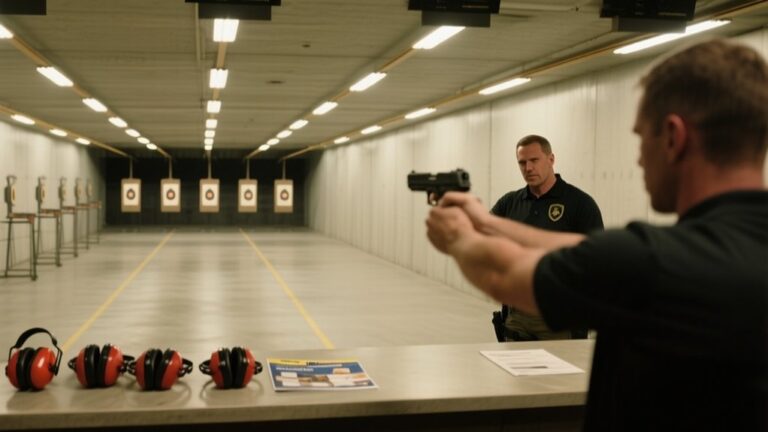
A commercial indoor shooting range operates as a business that offers paid access to shooting lanes, classes, and rentals, serving both the public and specific groups.
When you build an indoor shooting range, you must prioritize strict safety standards, including ballistic containment and ventilation systems designed for effective lead management.
These ranges require specialized construction to guarantee durability and compliance with OSHA and EPA regulations, which directly influence construction costs.
You’ll also need to navigate zoning laws and obtain the necessary licenses, adding to the complexity.
The investment in advanced air filtration and lead dust control systems is essential to maintaining a safe environment for shooters and staff.
Understanding these core requirements helps you plan your budget efficiently and build a compliant, profitable facility.
New Construction vs. Retrofit: Comparing Costs and Benefits
When deciding to build a shooting range, you’ll need to weigh the pros and cons of new construction versus retrofitting an existing space.
New construction offers design flexibility, allowing you to integrate advanced safety features like ventilation and ballistic containment. But it comes with higher upfront costs, often starting at $500,000.
New construction enables custom safety features but requires a significant initial investment, typically starting at $500,000.
On the other hand, retrofitting can be more budget-friendly initially, starting around $125,000. However, it may involve unforeseen expenses to meet safety standards.
Consider these key points:
- New construction provides tailored safety systems and modern amenities.
- Retrofit projects can face structural challenges and costly upgrades.
- Both require compliance with regulations and careful cost planning.
Choosing wisely guarantees your shooting range balances costs and safety effectively.
Typical Cost Breakdown for Indoor Commercial Shooting Ranges
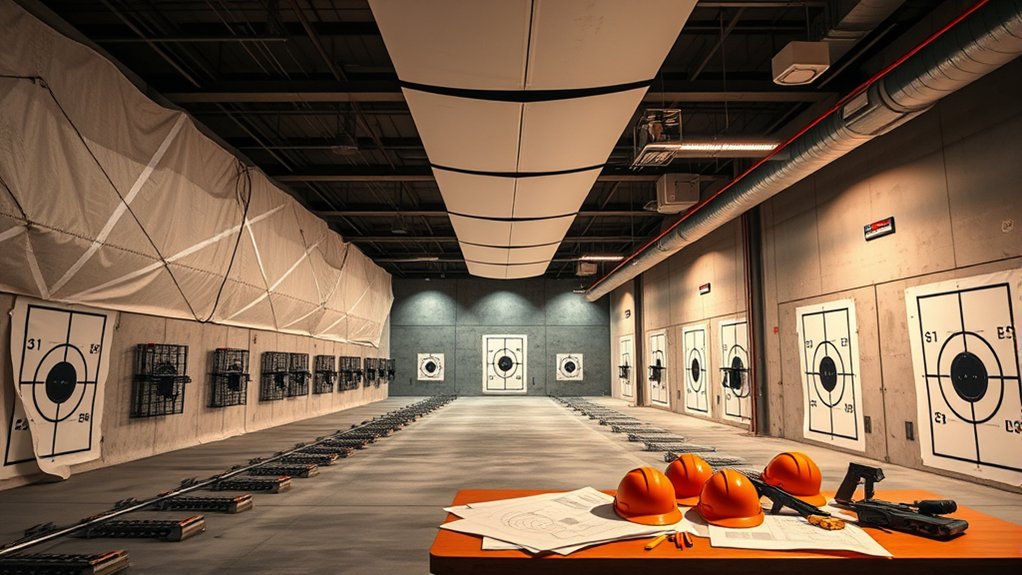
Although costs can vary widely, building an indoor commercial shooting range typically requires an investment between $500,000 and over $5 million. The costs associated with indoor ranges include construction, specialized range systems, and compliance measures.
You’ll need robust ventilation systems to manage lead exposure and maintain air quality, which greatly impacts your budget. Bullet traps are another critical expense; their materials and maintenance requirements vary but are essential for safety.
Basic construction often matches or exceeds the cost of range technology due to strict safety regulations.
Furthermore, don’t overlook permitting, land acquisition, and compliance planning, as these can add substantial expenses.
Understanding these cost components helps you plan effectively and guarantees your indoor range meets all safety and operational standards.
How Specialty Range Features Affect Your Budget
When you add advanced target systems, enhanced safety installations, and acoustic treatments, your shooting range budget can go up quite a bit.
These specialty features really boost the user experience and help with compliance, but they do come with higher upfront costs.
Advanced Target Systems
Since advanced target systems can vary widely in complexity and cost, they play a major role in shaping your shooting range budget.
These systems boost user experience and support advanced training, but the costs include more than just the initial purchase.
You’ll need to factor in installation expenses, such as electrical wiring and data connections, plus ongoing costs like software updates and hardware maintenance.
Here’s what to evaluate:
- Initial investment: Programmable target systems can range from $5,000 to $50,000 per lane, depending on features.
- Infrastructure needs: Advanced target systems often require specialized setup, increasing construction costs.
- Long-term expenses: Budget for ongoing costs including repairs and software updates to keep systems running smoothly.
Choosing the right system impacts both your budget and customer appeal.
Enhanced Safety Installations
Advanced target systems enhance your shooting range’s functionality, but safety installations play an equally important role in protecting users and meeting regulatory requirements. Enhanced safety installations like lead capture systems and specialized ventilation systems keep the environment safe but can greatly impact your budget.
Acoustic paneling also adds to costs while minimizing noise and improving safety. These features guarantee compliance with OSHA and EPA standards, which is essential for your range’s legitimacy.
| Safety Feature | Impact on Budget |
|---|---|
| Lead Capture Systems | High initial cost |
| Ventilation Systems | Major ongoing expense |
| Acoustic Paneling | Moderate to high |
| Bullet Traps | Variable, maintenance |
| Regulatory Compliance | Mandatory investment |
Acoustic Treatment Costs
Acoustic treatment can make or break your shooting range experience, but it also comes with a notable price tag. Proper acoustic treatment reduces noise pollution, ensuring you meet OSHA noise level standards and protect your customers’ hearing.
When planning your construction budgets, consider these key factors:
- Acoustic paneling costs range from $10 to $50 per square foot, depending on material quality and design.
- Specialty soundproofing like resilient channels and sound-absorbing insulation can add thousands to your budget, especially in noise-sensitive urban areas.
- Investing in effective acoustic treatment boosts customer satisfaction and helps avoid costly fines related to non-compliance with OSHA standards.
Balancing cost and performance is essential for a safe, enjoyable range that complies with regulations and attracts repeat business.
Safety, Permitting, and Compliance Costs You Need to Know
When you plan to build a shooting range, you’ll need to factor in significant safety, permitting, and compliance costs that can’t be overlooked.
Safety systems like ballistic containment and lead capture can run from $500,000 to over $5 million, depending on design complexity.
Safety systems, including ballistic containment and lead capture, can cost between $500,000 and $5 million or more.
Permitting often involves detailed documentation and multiple reviews from local fire departments or city officials, which adds time and expense.
Compliance with OSHA and EPA standards is essential, especially for indoor ranges, where air quality management is mandatory.
You’ll also need a Federal Firearms License (FFL) if you plan to offer firearm rentals or sales, which brings additional fees and inspections.
Ignoring these costs risks costly fines and legal issues, so thorough planning guarantees your range meets all safety and environmental requirements.
Essential Mechanical and HVAC Upgrades for Indoor Ranges
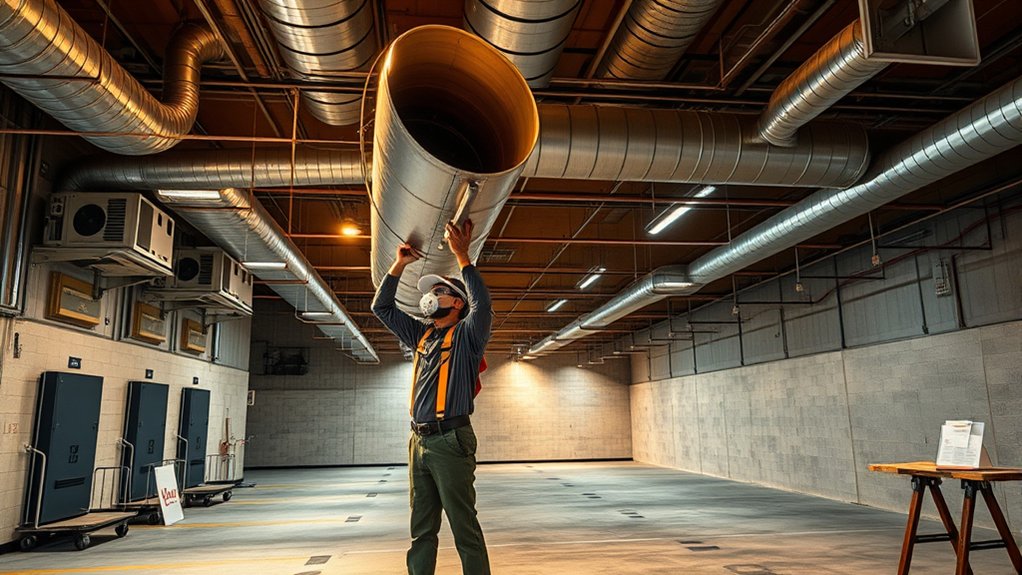
You’ll need a ventilation system that meets strict air quality standards to keep your indoor range safe.
Proper lead dust mitigation is essential—it helps protect both shooters and staff from harmful exposure.
To stay compliant with OSHA regulations, it’s important to invest in advanced HVAC upgrades that manage air exchange and filtration effectively.
Ventilation System Requirements
Three key ventilation features guarantee your indoor shooting range stays safe and compliant: effective air filtration, sufficient air changes, and negative pressure control.
Your ventilation systems must handle lead dust efficiently to maintain high air quality and protect shooters and staff. OSHA standards require HEPA filtration to capture airborne lead particles.
Here’s what you need to focus on:
- Install HEPA filtration to trap hazardous lead dust effectively.
- Ascertain at least 15 air changes per hour to dilute and remove contaminants.
- Maintain negative pressure to prevent lead dust from escaping into adjacent areas.
Keep in mind, upgrading these systems can cost between $50,000 and $200,000 depending on your range’s size and complexity.
Proper ventilation is essential for safety and regulatory compliance.
Lead Dust Mitigation
Effective lead dust mitigation demands specialized mechanical and HVAC upgrades tailored for indoor shooting ranges.
You’ll need advanced HVAC systems equipped with HEPA filters to capture airborne lead particles effectively. These systems play a vital role in reducing lead dust exposure, protecting shooters and staff from serious health risks.
Incorporating lead dust containment measures like ballistic traps and upgraded ventilation will enhance your range’s safety and operational efficiency.
While these upgrades increase initial construction costs, they’re necessary for compliance with OSHA standards and environmental regulations.
Regular maintenance and air quality monitoring are also essential to guarantee your mitigation strategies remain effective.
Investing in robust lead dust mitigation not only safeguards health but minimizes liability risks tied to lead exposure in your shooting range.
Air Quality Compliance
Although installing advanced HVAC systems can raise your initial construction costs, maintaining proper air quality in an indoor shooting range is non-negotiable for compliance with OSHA standards.
Air quality compliance protects everyone from harmful lead exposure and keeps your facility operating safely.
To guarantee this, focus on installing HVAC systems with HEPA filters that capture lead particulates and maintain clean air.
Schedule regular maintenance to prevent system failures that could jeopardize air quality and safety.
Also, upgrade mechanical components as needed to meet evolving health and ventilation requirements.
Shooting Range Insurance and Liability Costs
Because shooting ranges face unique risks, securing proper insurance coverage is essential to protect your investment and operations. Liability insurance is a must-have, but premiums can vary widely depending on your range’s location, size, and risk profile.
You might also need environmental liability insurance to cover lead exposure, which adds to your operational costs. Insurance expenses often reach thousands of dollars monthly, so budgeting carefully is vital.
Environmental liability insurance for lead exposure can significantly increase monthly operational costs, making careful budgeting essential.
Staying compliant with federal and state regulations not only reduces your liability exposure but also helps keep your insurance coverage valid. Adequate insurance protects you from costly lawsuits and claims, making it a significant part of your financial planning.
Don’t overlook these costs; they’re key to running a safe, sustainable shooting range.
Ongoing Operational Costs for Shooting Range Profitability
You’ll want to budget for regular maintenance and repairs to keep your equipment safe and working smoothly.
It’s also important to have qualified range officers and support staff on hand, and their salaries can vary depending on how big your range is and the hours you’re open.
Plus, don’t forget about utilities like electricity and HVAC—they’re essential for maintaining good air quality and will add to your ongoing expenses.
Maintenance And Repairs
Maintaining your shooting range involves more than just routine cleaning. It demands consistent upkeep of critical equipment like bullet traps and HVAC systems to meet safety standards.
You’ll need to allocate a portion of your operational budget for regular maintenance to comply with safety regulations and avoid costly fines.
Here are key maintenance areas to focus on:
- Schedule routine compliance checks and inspections to guarantee all equipment meets OSHA standards.
- Service lead capture systems and replace air filters regularly for effective air quality management.
- Repair or upgrade acoustic paneling periodically to maintain sound mitigation and safety.
Keeping detailed records of all maintenance activities also supports compliance and helps you budget accurately for ongoing expenses.
Staffing And Utilities
Running a shooting range requires careful management of staffing and utility expenses, which together form a significant portion of your ongoing costs.
Staffing costs include salaries for range safety officers, instructors, and administrative personnel, all vital for smooth operations and customer safety.
Utility expenses cover electricity, water, and HVAC systems. HVAC is especially costly due to air quality and lead capture requirements.
You’ll also need to budget for insurance premiums, covering general liability, property, and environmental risks, which vary by facility size and location.
Regular maintenance of safety equipment, bullet traps, and air filtration systems is essential to stay compliant and operational.
Tips for Partnering With Experts to Stay on Budget
Although constructing a shooting range can be complex, partnering with experienced experts helps keep your budget on track. Their insights on cost to build and range design guarantee careful planning and prevent costly mistakes.
Partnering with experts ensures careful planning and helps avoid costly mistakes in shooting range construction.
To stay within budget, follow these tips:
- Collaborate with range builders who know local zoning and compliance requirements to avoid legal issues and unexpected fees.
- Use a two-layer budgeting approach, separating real estate and construction from range systems, to clearly track expenses.
- Regularly review project scope with your experts to balance essential features and safety without overspending.
How to Plan Your Shooting Range Build for Success
When you plan your shooting range build carefully, you set the foundation for long-term success. Start by researching your market to choose between indoor ranges, outdoor, or hybrid options.
Factor in the cost of land, construction, and equipment. Don’t forget critical safety measures like ballistic containment and ventilation to meet regulations.
Craft a solid business plan covering pricing, marketing, and finances to secure funding and guide operations.
| Step | Focus Area | Key Consideration |
|---|---|---|
| Market Research | Range Type | Indoor ranges or outdoor |
| Budgeting | Cost of Land & Build | Land acquisition, permits |
| Safety Compliance | Critical Safety | OSHA standards, ventilation |
| Licensing | Legal Requirements | Federal, state permits |
| Business Planning | Strategy & Finance | Pricing, marketing, funding |
Frequently Asked Questions
What Types of Firearms Are Allowed in Commercial Indoor Shooting Ranges?
You’ll find that commercial indoor shooting ranges typically allow handguns, rifles, and sometimes shotguns, all following strict firearm regulations.
Range design and safety protocols limit calibers, often capping at .50 BMG and banning magnums or armor-piercing rounds to protect customers and staff.
Knowing your customer demographics helps tailor allowed firearms, ensuring everyone enjoys a safe experience.
Always check the specific range’s rules before bringing your firearm.
How Long Does It Typically Take to Build a Shooting Range?
You’ll typically face a construction timeline of 6 to 12 months when building a shooting range.
Location considerations, like zoning and environmental assessments, often affect this schedule.
The permitting process can add extra time, so factor that in early.
Understanding the cost breakdown helps you prioritize investments and avoid delays.
Working with experienced contractors will keep your project on track despite these variables.
Can Shooting Ranges Be Environmentally Sustainable or Green?
Yes, you can make shooting ranges environmentally sustainable by using sustainable materials and adopting eco friendly practices.
You’ll want to focus on lead management through lead-free ammo and capture systems to protect soil and water.
Incorporating noise reduction technologies helps minimize disturbance to nearby areas.
Using rubber bullet traps and efficient air filtration also supports green operations.
Plus, recycling spent casings and harvesting rainwater further reduce your range’s ecological footprint.
What Are the Most Common Mistakes First-Time Builders Make?
The most common mistakes you’ll make include underestimating budget constraints. This can derail your entire project.
Ignoring zoning regulations leads to costly delays or legal trouble.
Overlooking safety standards like ballistic containment and lead management puts you at risk of fines and hazards.
Ultimately, poor design considerations such as inadequate site planning can limit functionality and customer appeal.
Stay proactive in these areas to keep your build on track and compliant.
How Can Technology Enhance the Shooting Range Experience?
You can boost your range experience by integrating technology. Did you know virtual training improves skill retention by 40%?
Advanced target systems simulate real scenarios, making practice more engaging.
Safety innovations like smart sensors enhance protection, while sound management tech reduces noise pollution, creating a comfortable environment.
These upgrades not only make training effective but also safer and more enjoyable.
They help you attract and retain more shooters with cutting-edge facilities.
Conclusion
Building your shooting range is like assembling a precision watch; every piece matters. By understanding costs from construction to ongoing operations, you’ll keep your budget on target and avoid costly surprises.
Partner with experts, prioritize safety, and plan carefully to create a range that runs smoothly and profitably. With the right approach, your shooting range will hit the bullseye, providing a safe, enjoyable experience for years to come.