How To Move A Gun Safe – Safe Moving Guide
To move your gun safe safely, first assess its size and weight using labels or measurements to choose the right equipment.
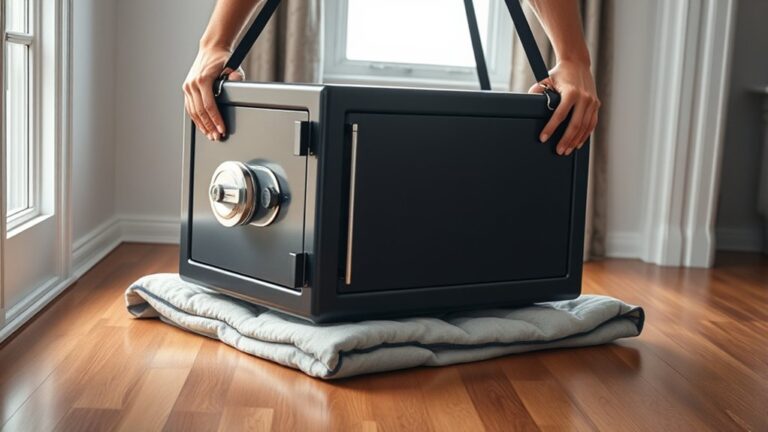
Empty and lock the safe, then wrap it with moving blankets. This will help protect it during the move.
Use heavy-duty dollies, ratchet straps, and lifting harnesses to secure and maneuver the safe carefully, especially on stairs.
Make sure to protect your floors and check the vehicle’s load ratings before transport.
For heavier safes or more complex moves, it’s a good idea to consider professional help.
Following these steps will help ensure your move is safe and efficient. If you want, you can explore more detailed techniques and tips next.
How To Assess Your Gun Safe’s Weight And Size For Safe Moving
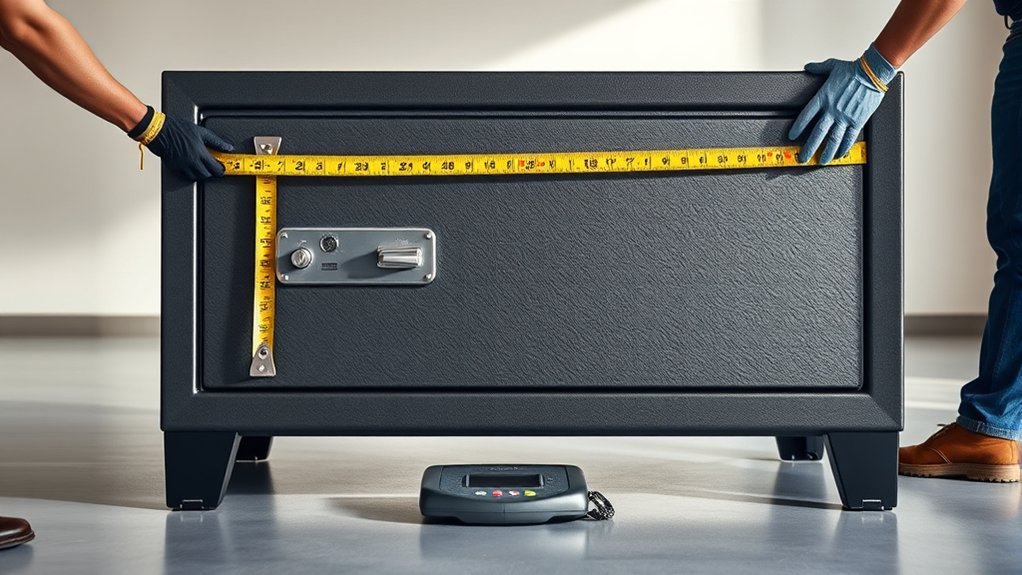
Before you move your gun safe, it’s important to figure out its weight and size to make sure the move goes smoothly.
Start by checking for a label inside the door, on the back, or in the top corners of the safe. This label usually shows the weight. If you can’t find it, look up the manufacturer’s specifications or use the serial number to get the right info.
If you can’t find the exact weight, don’t worry. You can measure the safe’s length, width, and height instead. Then, estimate the weight based on the size and model type.
Small gun safes usually weigh between 200 to 600 pounds. Larger models can easily go over 1,000 pounds.
Knowing the size and weight helps you choose the right moving equipment and plan the move properly.
Taking these steps will help you verify your safe’s weight and size accurately. This way, you can minimize risks and ensure a safe, efficient move.
Essential Equipment You Need To Move A Gun Safe Safely
When you’re moving a gun safe, it’s super important to have the right equipment to do it safely.
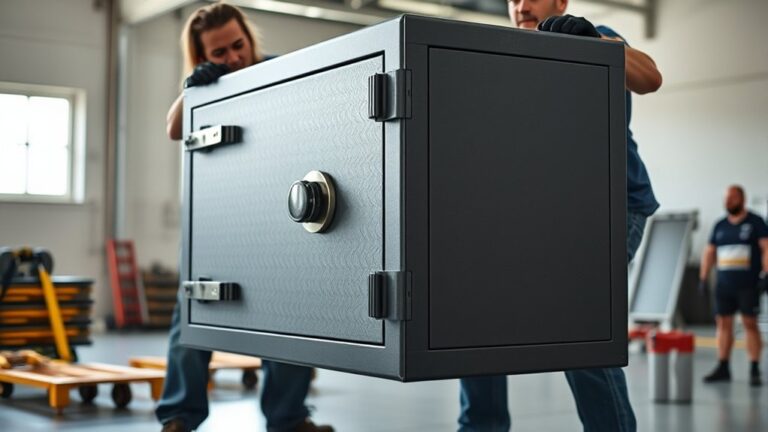
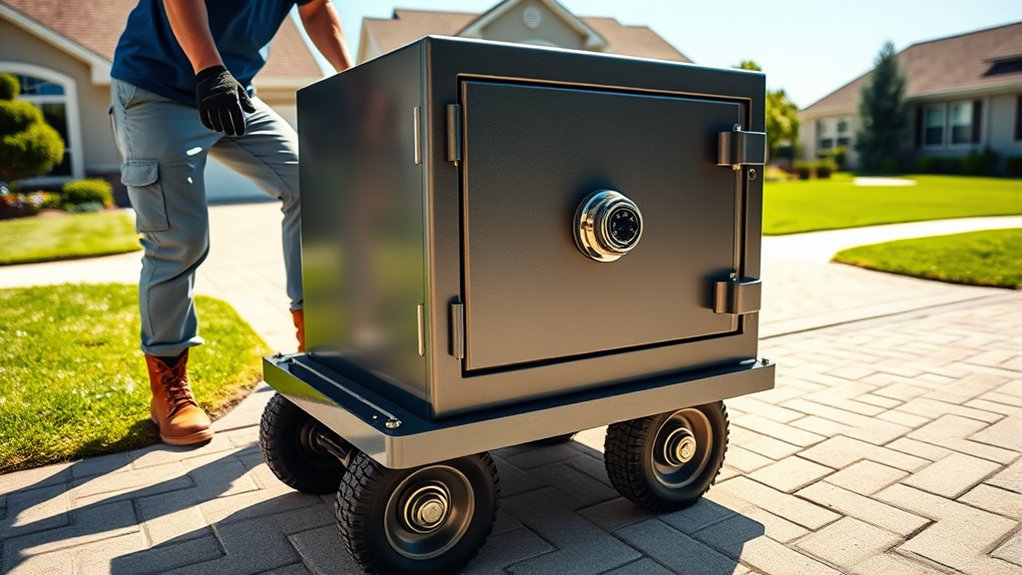
First off, you’ll want heavy-duty moving dollies that can handle at least 1,000 pounds. These will give you a solid base to support the safe during the move.
Next, to keep the exterior looking good and prevent any scratches or dents, grab some moving blankets and stretch wrap. Wrap the safe well to protect it as you transport it from one place to another.
Finally, make sure to secure the safe tightly with ratchet straps or harnesses. This way, it won’t shift or fall during the move, helping to keep everything safe and accident-free.
Heavy-Duty Moving Dollies
When moving a gun safe, it’s really important to choose a heavy-duty moving dolly rated for at least 1,000 pounds. This helps make sure the safe moves safely without any accidents. Heavy-duty dollies are built specifically to handle such heavy loads, so you don’t have to worry about them breaking or tipping over.
An appliance dolly with built-in brackets is a great option because you can secure the safe firmly with ratchet straps. This reduces the risk of shifting or tipping during the move.
Look for dollies that have thick, non-slip tires and reinforced frames. These features help keep the dolly stable on different surfaces.
If your safe is especially heavy, beyond standard capacities, consider heavy-duty dollies designed for high-capacity loads. Multi-strap setups can also give you extra security.
Using the right equipment makes a big difference. Whether you’re doing it yourself or hiring professionals, the right dolly ensures the move is safe, efficient, and damage-free.
Protective Wrapping Materials
How exactly do you protect your gun safe from scratches, dents, and shocks during a move? Start by wrapping the entire safe with moving blankets or furniture pads. These provide essential padding and cushion against impacts.
Next, secure these wrapping materials firmly using stretch wrap. This helps prevent shifting during transport. Don’t forget to address fragile hardware separately, wrapping it carefully to avoid damage or snagging.
For effective shock absorption and comprehensive protection, follow these steps:
- Cover the safe’s top and sides with multiple layers of padding for maximum impact resistance.
- Wrap protruding or delicate hardware independently to safeguard fragile components.
- Make sure all wrapping materials are tightly secured before lifting or moving the safe.
This method guarantees your gun safe arrives unscathed and fully protected.
Secure Straps And Harnesses
Although the gun safe’s weight demands careful handling, using secure straps and harnesses guarantees stability and safety throughout the move.
You need to choose rated straps designed for heavy loads. Make sure they can support the safe’s weight, which can range from 200 to over 1,500 pounds.
Ratchet straps are crucial for stabilizing and anchoring the safe to the dolly. They prevent shifting or tipping during transportation.
Lifting straps help distribute the weight evenly, reducing strain and the risk of injury. Before you start moving, take a moment to inspect all the straps and harnesses carefully.
Look for fraying, tears, or any damage that could compromise security.
Properly anchoring the safe with these straps gives you extra control, especially on uneven or inclined surfaces.
This ensures a safe, controlled move every time.
How To Prepare Your Gun Safe Before Moving
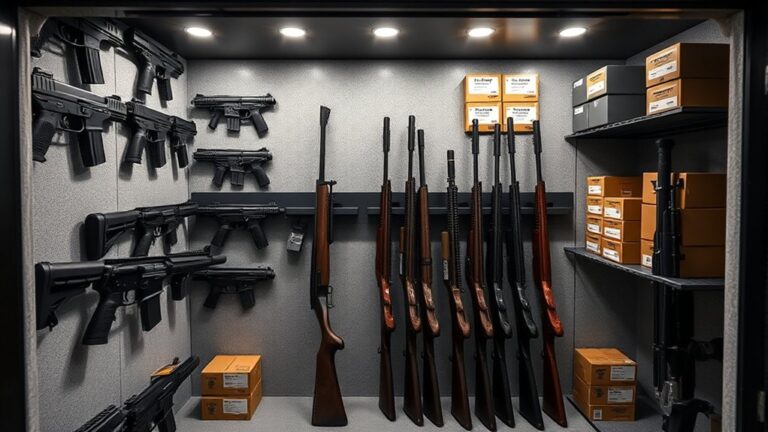
Before moving your gun safe, make sure to empty all valuables, firearms, ammunition, and important documents. This not only lightens the load but also helps prevent any damage during the move.
Once everything is out, lock the safe securely. Wrap it with moving blankets or furniture pads to protect its finish from scratches and dents.
Next, measure the safe and access points. If needed, remove doors or trim to create a clear path for easy transportation.
Use floor protection like cardboard or blankets to prevent damage to your floors during the move.
When preparing to move the safe, wear work gloves to protect your hands. Using specialized equipment like hand trucks can make the job easier.
Place furniture sliders under the safe to help it glide smoothly across surfaces.
Finally, ensure the safe is fully secured before loading it into the moving truck. Proper preparation reduces risks and keeps your property safe throughout the move.
Moving Your Gun Safe On Flat Surfaces
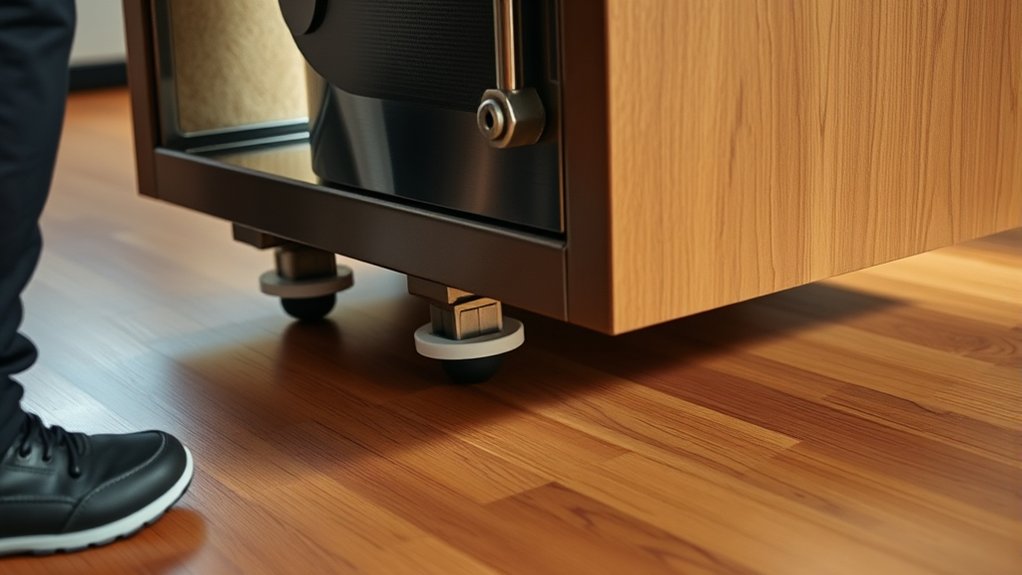
Before you start moving your gun safe on flat surfaces, it’s a good idea to wrap it up securely with moving blankets and stretch wrap. This will help prevent any scratches or damage during the move.
Next, grab some furniture sliders or a heavy-duty dolly that’s rated for the weight of your safe. Make sure to fasten the safe tightly with ratchet straps so it stays stable while you’re moving it.
And don’t forget to protect your floors—use the right sliders to avoid scratches.
Finally, take it slow and steady. It’s always best to have at least three helpers guiding and supporting the safe as you move it upright. That way, everything stays safe and smooth!
Preparing The Safe
How do you guarantee your gun safe moves smoothly without causing damage? Start by emptying the safe completely. This reduces weight and prevents shifting contents during the move.
Next, wrap the safe with thick furniture blankets. Secure the blankets tightly using stretch wrap to shield it from scratches and dents. It’s also a good idea to measure doorways and hallways carefully. You want to make sure the safe fits through all passage points after wrapping.
Place furniture sliders under the safe’s corners. This makes it easier to move on flat surfaces and helps protect your floors.
When you’re ready to move, secure the safe firmly to a dolly using ratchet straps.
This careful planning guarantees stability and safety throughout the process. Following these steps precisely will protect both your safe and your surroundings during the move.
Using Dollies And Sliders
When moving your gun safe on flat surfaces, using heavy-duty appliance dollies and furniture sliders is the way to go. They help make the process controlled and damage-free.
Secure the safe’s weight with ratchet straps on dollies rated for at least 1,000 pounds. Wrap the safe in moving blankets and stretch wrap to protect both the safe and your floors.
Carefully tilt and slide the dolly underneath the safe. Then, place plastic or felt sliders under the corners to help it glide smoothly on hardwood or tile.
Remember to communicate clearly and move slowly. This keeps everything under control and prevents accidents.
| Feeling | Action |
|---|---|
| Confident | Use heavy-duty dollies |
| Assured | Secure with straps |
| Careful | Wrap with moving blankets |
| Protected | Employ furniture sliders |
| Controlled | Move slowly, communicate |
Ensuring Floor Protection
Although moving a gun safe on flat surfaces might seem simple, protecting your floors requires some prep work. To keep your floors safe and scratch-free, it’s important to use the right materials and techniques.
Furniture sliders made of plastic or felt are great because they reduce friction and prevent floor scratches on wood, laminate, or tile. It’s a good idea to pair them with moving blankets or thick protective coverings underneath the sliders. This adds extra cushioning and offers better protection for your floor surface.
Before you start moving the safe, make sure to clean the area thoroughly. Removing debris helps the sliders work smoothly and prevents damage.
Also, try to distribute the weight evenly by placing multiple sliders in strategic spots.
Follow these simple steps for effective floor protection:
- Use furniture sliders along with moving blankets.
- Make sure the floor surface is clean and smooth.
- Avoid makeshift solutions like golf balls, which can cause damage.
Taking these precautions will make your move safer for your floors and easier overall.
Safety Tips For Moving A Gun Safe Up Or Down Stairs
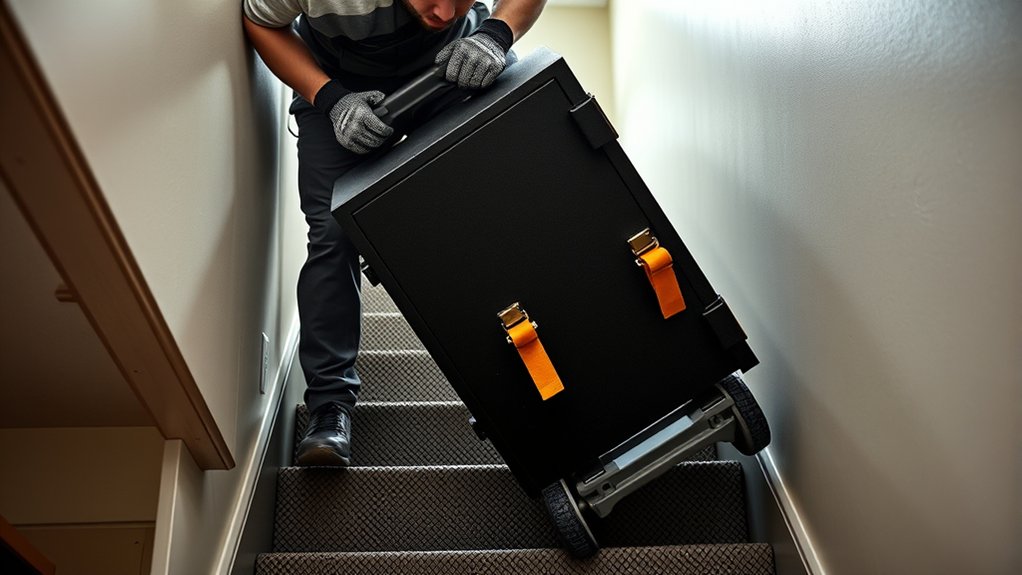
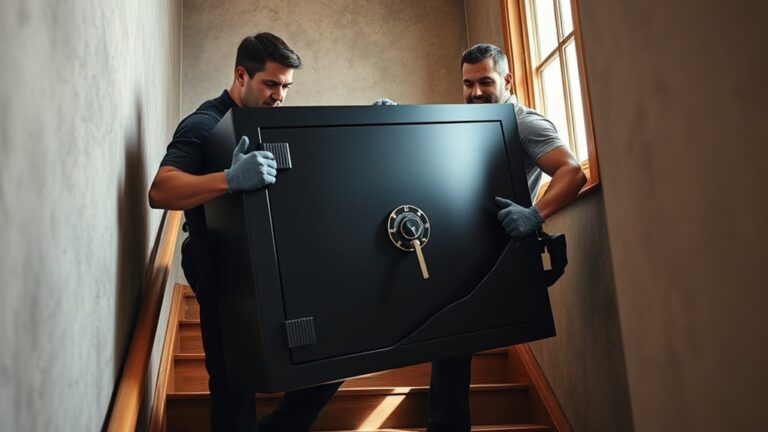
Because moving a gun safe up or down stairs involves a lot of risk, you should never try it alone or without the right equipment. It’s a heavy job that can easily lead to injury or damage if not handled properly.
To move a heavy safe safely on stairs, it’s best to hire professional safe movers who’ve experience with these kinds of moves. They use special motorized dollies and secure straps to keep everything stable and prevent slipping or tipping.
Before you start, make sure to clear the stairway of any obstacles. Measure the width and clearance to ensure the safe can pass through without getting caught. Using moving blankets to protect the walls and the safe’s surface is also a good idea.
Get multiple helpers involved to control the safe’s slow and steady ascent or descent. This teamwork helps reduce the risk of injury and prevents damage to your property.
Transporting Your Gun Safe By Vehicle
Transporting your gun safe by vehicle requires careful planning to handle its weight safely. First, check that your vehicle’s load rating matches or exceeds the safe’s weight, which can range from 200 to over 1,500 pounds.
Use a truck or trailer with a sturdy loading ramp that’s wide enough for the safe. Always secure the safe in your vehicle with high-quality ratchet straps or chains to prevent any movement during transit.
To make sure everything stays secure during transportation, follow these key steps:
- Confirm that the loading ramp can support the safe’s weight and fits your vehicle’s entry point.
- Use multiple ratchet straps anchored to rated tie-down points.
- Double-check all straps before hitting the road to prevent shifting or tipping.
Following these steps will help you move your safe safely and without damage.
When And Why To Hire Professional Gun Safe Movers
If your gun safe weighs over 1,000 pounds or is installed in a tricky spot, hiring professional movers is the safest move. They’ve specialized equipment like motorized dollies and secure straps that make handling heavy safes easier.
They’re experts at navigating tight spaces, stairs, and complex routes. This reduces the risk of injury or damage to your property. Using moving blankets to cover the safe adds extra protection during the move.
The cost to move a gun safe usually ranges from $400 to over $1,000. While it might seem like a big expense, it’s worth it to protect your property and stay safe.
You should definitely hire professionals if the safe is bolted down or awkwardly placed. Their experience and tools make moving large, heavy safes much easier and safer.
Frequently Asked Questions
Can I Move a Gun Safe Without Emptying It First?
You can move a gun safe without emptying it, but it’s risky. The safe will be much heavier, and the contents can shift during the move. This can make handling more difficult and increase the chance of accidents.
Make sure to use proper moving equipment, like dollies and straps, and follow safe handling techniques. If possible, consider disassembling parts of the safe to make it easier to move.
Also, check if your doorways are wide enough to pass the safe through.
If you need to get permits for the move, make sure to obtain them beforehand. Always follow strict safety precautions to protect yourself and others.
For the best results, it’s a good idea to hire professional movers who are experienced with heavy safes. They’ll help ensure everything goes smoothly and prevent damage along the way.
How Do I Protect Walls and Floors During the Move?
To safeguard walls and floors, use wall protection like corner guards and wall shields to prevent dents.
Lay floor padding or plastic sheeting under moving blankets to cushion surfaces.
Don’t worry about scratches—furniture sliders reduce friction and help you glide the safe smoothly.
Cushioning materials like thick blankets and moving pads wrap the safe, minimizing impact.
This setup helps keep your floors and walls flawless throughout the move.
What Is the Best Way to Secure a Gun Safe in a Vehicle?
You secure a gun safe in a vehicle by using heavy-duty secure straps and effective tie-down methods. This helps ensure the safe doesn’t shift or move around during transit.
Place vehicle padding or moving blankets under and around the safe. This protects both the safe and the interior of your vehicle.
Use furniture dollies and heavy-duty ramps for loading the safe safely. Distribute the load evenly to make handling easier and safer.
For the best results, consider hiring professional movers. They specialize in load distribution and secure transport of heavy items, giving you peace of mind.
How Long Does It Typically Take to Move a Gun Safe?
You’ll typically spend 1 to 4 hours moving a gun safe, depending on its weight and location.
Using proper moving equipment and safety gear can really speed things up.
For heavier safes, professional movers are often a good idea because they know how to handle the load and set up the vehicle properly.
Don’t forget to check if you need any moving permits beforehand.
Handling tips, like securing the safe correctly, help ensure safety and make the process more efficient.
Preparation, transport, and careful maneuvering all play a role in how long it will take.
Are There Insurance Options for Gun Safe Moving Accidents?
Just like guarding a fortress, you need solid insurance coverage when moving a gun safe. You can rely on homeowner’s or renter’s policies, but be sure to watch out for policy exclusions and coverage limits.
Some movers offer liability options or specialized moving insurance for accidental protection. It’s a good idea to check what’s covered before the move so you’re not caught off guard.
Always document any damage claims carefully. This will make the claim process smoother and faster.
Verify your coverage beforehand and consider adding extra protection if needed. This way, you can avoid costly surprises during your safe’s relocation.
Conclusion
Moving your gun safe might seem intimidating, but with the right prep and equipment, you’ll handle it safely.
The same careful planning you use for the safe’s weight, size, and transport applies whether you’re moving it across the room or up stairs.
Remember, skipping steps can cause damage or injury.
When in doubt, hiring professionals guarantees the job’s done right.
It saves you time and stress while protecting your valuable investment.