What States Recognize Washington Concealed Carry – Reciprocity Guide
You can carry concealed in about 10 states that officially recognize Washington’s permit, including Louisiana and Ohio. These two states offer full reciprocity without any restrictions.
Some states, like Michigan and North Carolina, have conditions based on your age or the type of permit you hold. On the other hand, states such as California and New York don’t recognize your Washington permit at all.
Recognition often depends on strict background checks and the standards each state requires for permits. Knowing these differences will help you understand where and how you can legally carry with your Washington permit.
Washington’s Reciprocity Criteria for Concealed Carry Permits
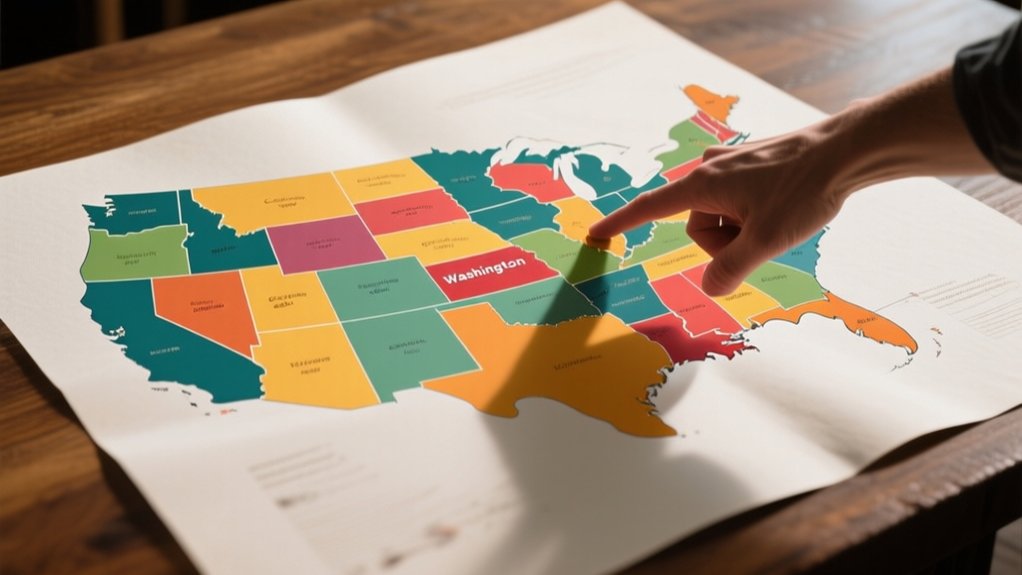
Although Washington allows concealed carry permit holders from certain states to carry within its borders, it only recognizes permits from ten states that meet stringent criteria. Washington’s reciprocity depends on strict recognition standards, including thorough background checks and the type of permit issued, whether enhanced, unrestricted, or provisional.
It grants reciprocity through formal agreements or statutory mandates, with no flexibility for the Attorney General to waive requirements. Recognition may also be limited to permits issued to state residents or restricted by age and permit classifications.
Because these criteria are rigid, you need to verify each state’s current status before carrying concealed, as reciprocity can change.
Understanding Washington’s precise recognition criteria helps you comply with laws when traveling with concealed carry permits across state lines.
States Recognized by Washington for Concealed Carry Permits
You can carry concealed in Washington if you have a permit from one of 10 recognized states, including Idaho, Michigan, and Utah.
Some states, like Louisiana and Ohio, get full recognition, which makes things pretty straightforward.
But for others, there are specific conditions depending on the type of permit you hold.
So, it’s really important to know which states aren’t recognized at all to avoid any legal trouble.
Better safe than sorry, right?
Fully Recognized States
When Washington evaluates concealed carry permits from other states, it fully recognizes those issued by Louisiana and Ohio. This reflects their compliance with the state’s rigorous standards for background checks, training, and permit issuance.
This full recognition means you can carry concealed in Washington without additional restrictions if your permit is from these states. Reciprocity agreements underpin this recognition, making sure states meet Washington’s strict criteria.
| State | Recognition Type |
|---|---|
| Louisiana | Fully Recognized |
| Ohio | Fully Recognized |
| Michigan | Conditional |
| Maine | Conditional |
Keep in mind, recognition can change as states update their compliance. So, always verify current reciprocity when carrying concealed across state lines.
Conditional Recognition Details
Beyond fully recognized states like Louisiana and Ohio, Washington extends conditional recognition to certain permits from states including North Carolina and South Dakota. This conditional recognition means Washington accepts permits only if they meet specific requirements, like age limits and background checks that align with Washington’s standards.
Reciprocity isn’t automatic; it depends on whether the state recognizes certain permit types. For example, Montana and Idaho only recognize enhanced permits, so reciprocity is limited to holders of those specific licenses.
If you’re a non-resident permit holder from a conditionally recognized state, you generally qualify for reciprocity as long as your permit meets Washington’s criteria.
Knowing these details helps you understand when your out-of-state permit lets you legally carry in Washington and when certain restrictions or enhanced permit rules apply under conditional recognition.
Non-Recognition States
Which states does Washington refuse to recognize for concealed carry permits, and why? Washington excludes permits from states like California, Connecticut, Hawaii, Illinois, Massachusetts, New York, and Oregon due to non-recognition policies rooted in differing firearm laws. These states often lack mandatory background checks, training, or mental health screenings required by Washington for reciprocity.
Also, permits issued to non-residents or those under 21 usually don’t meet Washington’s criteria for state recognition. Reciprocity depends on how closely a state’s permit standards align with Washington’s legal requirements.
Before carrying a firearm, you should verify current reciprocity conditions since the list of recognized states can change. Understanding non-recognition states helps you avoid legal issues while respecting Washington’s strict permit standards and firearm laws.
States Recognizing Washington Concealed Carry Permits Fully
You’ll find that several states fully recognize Washington concealed carry permits. Places like Louisiana, Ohio, Maine, and Massachusetts are on that list. However, some of these states do have specific restrictions you’ll want to be aware of.
Recognition really depends on meeting each state’s licensing criteria, as well as following Washington’s own laws.
Fully Recognized States
Although Washington enforces strict concealed carry regulations, it fully recognizes permits issued by Louisiana and Ohio without restrictions. These fully recognized states allow permit holders to carry concealed in Washington under reciprocity agreements that align with Washington laws.
Washington accepts both resident and non-resident permits from these states, imposing no carry restrictions or additional conditions.
This means if you hold a Louisiana or Ohio concealed carry permit, you can carry in Washington lawfully and without limitation. Washington’s mandate to honor these permits reflects a clear, unconditional reciprocity policy toward these fully recognized states, ensuring consistency and legal clarity for permit holders crossing state lines.
Understanding which states fully recognize your permit helps you comply with Washington’s regulations and avoid legal complications.
Recognition Conditions
When you hold a Washington concealed carry permit, several states fully recognize it under specific conditions. This allows you to carry concealed firearms legally within their jurisdictions. Recognition conditions depend on reciprocity agreements and compliance with Washington law, guaranteeing your permit meets validity standards.
Here’s what you need to know:
- Only permits issued under Washington law, including required background checks and permit types, qualify as valid permits in reciprocity states.
- States like Louisiana and Ohio fully recognize Washington concealed carry permits without imposing additional restrictions.
- Recognition conditions can change, so you must verify current reciprocity lists before traveling to ensure your permit remains valid.
Understanding these recognition conditions helps you carry confidently and legally across state lines with your Washington concealed carry permit.
Just make sure to stay updated before you hit the road!
States Recognizing Washington Permits With Age or Permit-Type Restrictions
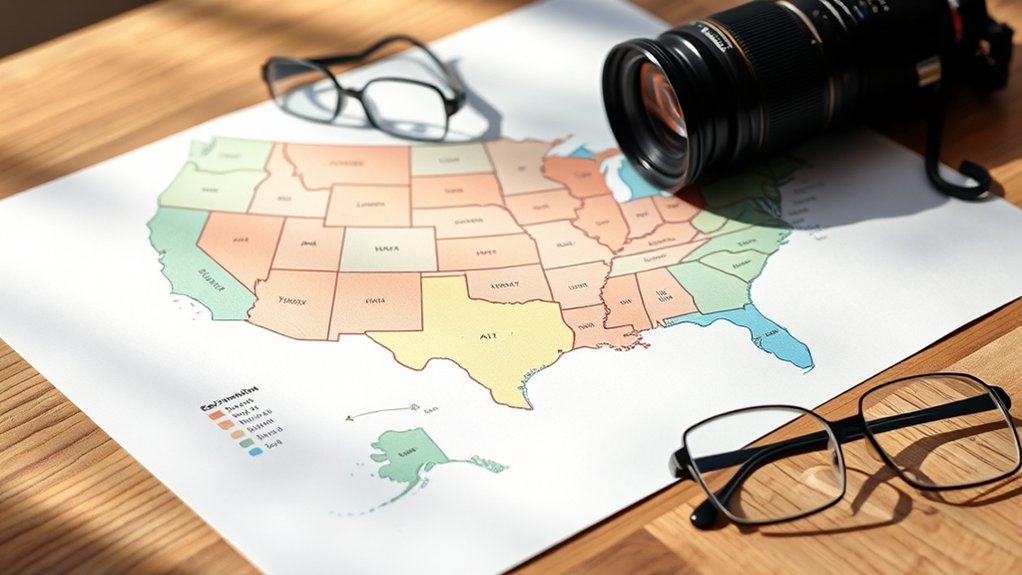
Since states vary in how they recognize Washington concealed carry permits, it’s important to understand that some impose age or permit-type restrictions. Reciprocity restrictions often hinge on specific permit types and age limitations.
For example, Idaho and Montana recognize only Washington’s enhanced permits, reflecting strict recognition conditions tied to permit quality.
North Dakota accepts Class 1 permits, which may carry age or permit-type constraints impacting reciprocity.
Utah allows provisional permits but restricts holders under 21 years old.
Kansas recognizes standard licenses but enforces certain age or permit-type restrictions.
Meanwhile, Louisiana and Ohio fully recognize Washington permits without age barriers.
To navigate these nuances effectively, you must verify each state’s stance on permit types and age requirements to guarantee lawful concealed carry across state lines.
Why Do Some States Refuse to Recognize Washington Concealed Carry Permits?
You may find that some states refuse to recognize Washington concealed carry permits because their background check requirements differ considerably. Reciprocity depends heavily on how states assess licensing standards and the rigor of background checks. When these criteria don’t align, permit recognition is denied.
There are three main reasons for this. First, some states like California and New York have stricter background checks, including mandatory fingerprinting and mental health evaluations.
Second, some states limit permits to residents or have minimum age requirements that Washington’s permits don’t meet.
Third, differences in legal definitions of “good standing” and variations in training or licensing standards come into play.
Understanding these factors helps explain why some states with tougher regulations won’t honor Washington’s concealed carry permits. It’s basically about how each state sets its own rules and standards.
How Background Checks Impact Concealed Carry Reciprocity
You should know that Washington requires fingerprint-based background checks and mental health screenings for concealed carry permits.
So, if a state doesn’t have these same requirements, Washington mightn’t recognize its permits for reciprocity.
Basically, differences in background checks play a big role in determining which permits you can legally carry under Washington law.
Fingerprint Background Checks
Although many states issue concealed carry permits without fingerprint-based background checks, Washington requires them to verify criminal and mental health histories. This requirement plays an essential role in reciprocity and state recognition of permits.
If a state doesn’t mandate fingerprint background checks, Washington may not honor that state’s permits. You need to understand these key points:
- Washington’s fingerprint background checks ensure thorough criminal and mental health histories.
- States lacking this requirement, like Virginia, Wisconsin, and Wyoming, often lose reciprocity with Washington.
- For your concealed carry permit to be recognized in Washington, it must comply with their fingerprint and mental health background standards.
Understanding these details helps you navigate concealed carry reciprocity effectively.
Mental Health Screening
How does mental health screening affect the recognition of concealed carry permits across states? Washington requires a fingerprint-based background check that includes mental health screening before issuing a concealed carry permit, with no exceptions.
This mental health screening identifies individuals with histories that might pose risks if they carry firearms.
States that recognize Washington’s permits usually have similar mental health background check standards.
However, some states don’t mandate mental health screening for their own permits.
When a state lacks such requirements, it may refuse reciprocity for Washington’s concealed carry license.
So, variations in mental health screening during background checks directly impact concealed carry reciprocity.
Understanding these differences helps you grasp why your Washington permit might or mightn’t be honored in other states.
Age Restrictions Affecting Washington Concealed Carry Permits
What age must you be to carry concealed with a Washington permit? Washington requires you to be at least 21 years old to obtain a concealed carry permit. However, age restrictions for recognition vary by state, which affects reciprocity for younger permit holders.
Here’s what you need to know:
- Some states recognize Washington permits regardless of your age, but many only honor permits held by those 21 or older.
- States like Virginia and Wyoming issue permits to those under 21 but may not recognize Washington permits for underage holders.
- Always check the recognizing state’s laws before carrying; their age restrictions can override Washington’s recognition.
Understanding these age restrictions is vital to make sure your concealed carry permit is valid across different state laws. So, it’s a good idea to double-check before you carry out of state.
Differences Between Resident and Non-Resident Permit Recognition
Age restrictions can influence whether your Washington concealed carry permit is recognized in another state, but residency status also plays a big role. Resident permits from reciprocal states usually get full recognition in Washington, no matter if the holder is a resident or non-resident.
However, non-residents holding out-of-state permits often face some limitations. Many states don’t recognize non-resident permits, especially if those permits were issued without meeting specific residency or training requirements.
Reciprocity depends a lot on licensing standards, including background checks and training. If the issuing state’s permit doesn’t match Washington’s criteria, non-residents mightn’t get recognition.
Knowing these differences helps you figure out where your permit is valid. It also makes sure you’re following the varying state rules based on whether your license is resident or non-resident.
Washington Reciprocity and Concealed Carry in Vehicles
While Washington permits concealed carry in vehicles with a valid license, it only recognizes permits from 10 specific states, including Idaho, Michigan, and Utah. To carry a loaded handgun in your vehicle, you must hold a concealed pistol license issued by one of these reciprocity states.
Washington’s vehicle carry laws allow open carry without a license for those 21 and older but require a permit for loaded carry.
Keep in mind, certain locations like schools and government buildings prohibit firearm carriage regardless of reciprocity.
When relying on concealed carry reciprocity, you should confirm your permit is from one of the recognized states. Also, understand Washington’s restrictions on where firearms may be carried in vehicles.
Finally, make sure you comply with both Washington’s vehicle carry laws and the issuing state’s regulations. It’s always better to double-check so you stay on the right side of the law.
Steps to Verify Concealed Carry Reciprocity Before Traveling
Before you travel with a concealed carry weapon, you need to verify the current reciprocity status between Washington and your destination state. Start by checking the most recent Washington reciprocity update date, last revised on 07/10/26, to confirm you have the latest information.
Verify Washington’s latest reciprocity status before traveling with a concealed carry weapon to stay compliant.
Confirm if your destination state fully recognizes Washington-issued licenses. States like Louisiana and Ohio may differ in their rules.
Next, make sure your permit type, whether enhanced, unrestricted, or provisional, is accepted because state recognition varies.
Review the destination’s carry laws and legal requirements, including age and licensing rules, to guarantee compliance.
Always consult official state government or law enforcement websites for accurate, up-to-date reciprocity agreements. Taking these steps protects you from violations and ensures you honor state-specific carry laws as a licensed resident.
Frequently Asked Questions
How Do Washington’s Concealed Carry Laws Compare to Those of Other States?
Washington requires permits for concealed carry, unlike some states that allow permitless carry. Its laws are a bit stricter, requiring background checks and fingerprinting.
Open carry is legal without a permit if you’re over 21, which isn’t the case everywhere.
Reciprocity is limited too—only a few states recognize Washington permits because of its rigorous requirements.
Can Washington Concealed Carry Permit Holders Carry in Federal Buildings?
You might think having a Washington concealed carry permit means you’re good to go everywhere, but nope. You can’t carry in federal buildings. Federal law strictly bans firearms in these places, regardless of your permit.
Trying to sneak one in could land you in serious trouble. So, even though your permit works across many states, it doesn’t override federal restrictions.
Always check the specific policies before you carry into any federal facility.
What Are the Penalties for Carrying Without a Permit in Washington?
If you carry a concealed firearm in Washington without a valid permit, you face a gross misdemeanor. This can be punished by up to 364 days in jail and a $5,000 fine. Authorities may confiscate your firearm and issue a criminal citation or arrest.
Carrying in restricted areas like schools can lead to felony charges. If you keep violating the rules, you risk losing your permit and facing even harsher penalties.
Law enforcement can stop and arrest you even if there’s no specific unlawful activity.
How Long Does It Take to Obtain a Concealed Carry Permit in Washington?
Good things come to those who wait, and obtaining a concealed carry permit in Washington typically takes 30 to 60 days.
You’ll undergo background checks and fingerprinting, which can affect timing. Processing speed depends on local law enforcement’s workload, so delays happen.
To avoid surprises, apply well ahead of when you plan to carry.
Once approved, you’ll receive notification by mail, finalizing the process.
Are There Any Training Requirements for Washington Concealed Carry Permit Holders?
No, you don’t have to complete any firearms training to get a Washington concealed carry permit. The state doesn’t require you to prove proficiency or safety knowledge before or after licensing.
You just need to be at least 21 and meet other legal criteria.
Unlike many states, Washington explicitly doesn’t mandate training. So, you’re issued a permit without any required education or safety courses.
It’s pretty straightforward compared to some other places.
Conclusion
Knowing which states recognize your Washington concealed carry permit is like having a reliable map for your travels. Don’t assume all states treat your permit the same. Age limits, permit types, and reciprocity rules vary widely.
Before you hit the road, double-check each state’s current policies to avoid surprises. Staying informed guarantees you carry responsibly and legally. That way, you keep both yourself and others safe wherever you go.