Can You Shoot Hollow Points At An Indoor Range – Range Policies Explained
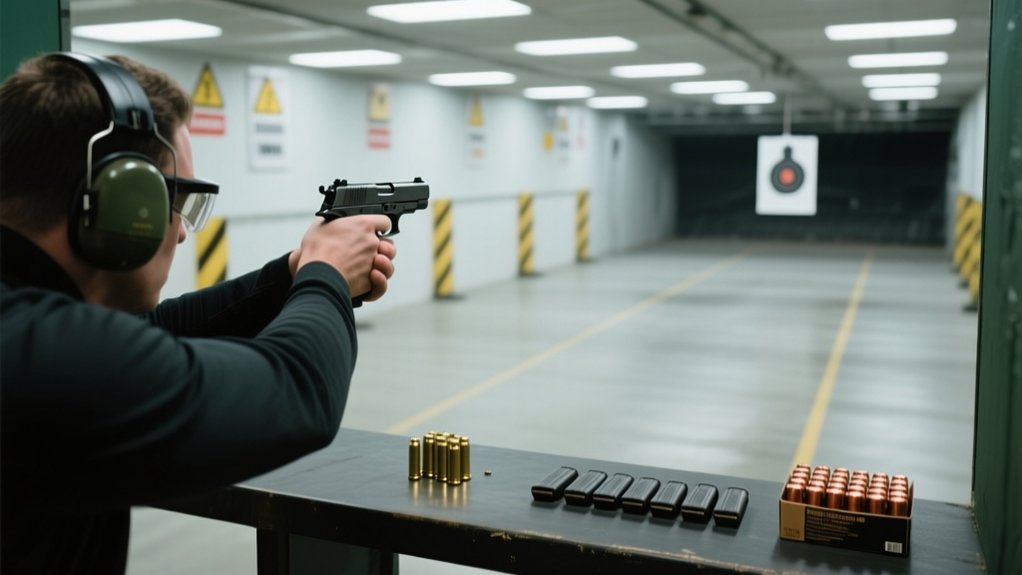
You can’t always shoot hollow point bullets at indoor ranges because many ban them due to safety concerns. Hollow points expand on impact, increasing damage risks to backstops and causing unpredictable ricochets.
These issues raise liability and maintenance costs. Instead, ranges often require full metal jacket or frangible ammo for safer, cleaner shooting. Always check your range’s specific rules before bringing hollow points.
If you want to know more about policies and safer alternatives, keep exploring the details here.
What Are Hollow Point Bullets And How Do They Work?
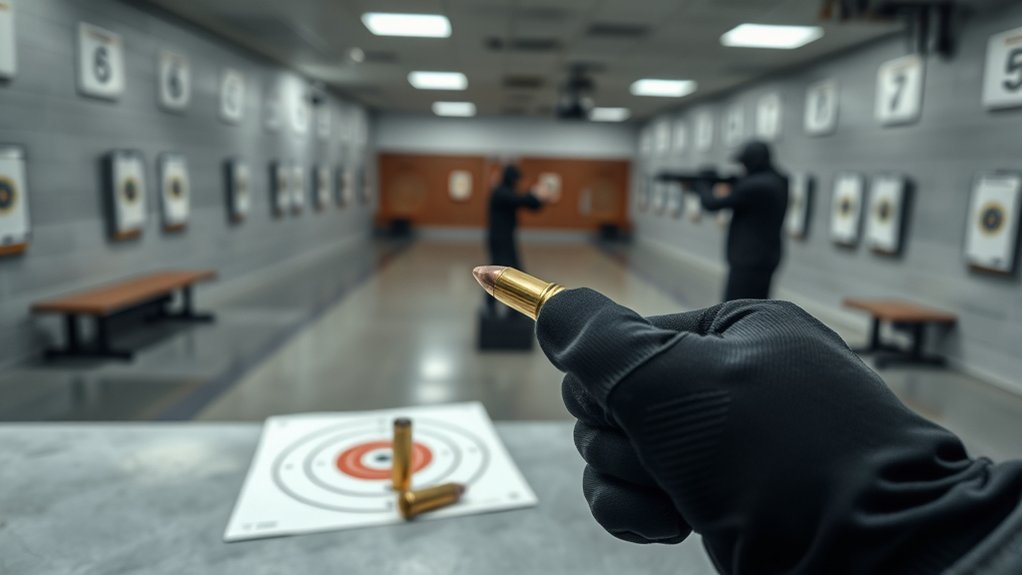
Hollow point bullets feature a hollowed-out tip that expands upon impact, increasing stopping power and reducing the risk of over-penetration. When you use hollow point ammunition, the bullet expands inside the target, creating a larger wound channel and transferring more energy. This makes hollow points popular for self-defense and law enforcement.
However, at an indoor shooting range, safety concerns arise because expanded bullets can cause unpredictable ricochets or damage backstops. That’s why many ranges prefer full metal jacket (FMJ) rounds for practice. They penetrate cleanly and reduce safety risks.
Understanding how hollow points work helps you appreciate why their use in indoor ranges is often limited, despite their effectiveness in stopping threats quickly and minimizing over-penetration.
Why Don’t Indoor Ranges Allow Hollow Point Ammo?
You might be wondering why indoor shooting ranges often don’t allow hollow point ammo.
Well, it mostly comes down to safety concerns. Hollow points are designed to expand on impact, which can cause more unpredictable bullet behavior.
Because of that, ranges face extra liability when they let people use these kinds of rounds.
So, to keep things safer and simpler, full metal jacket bullets are usually the preferred choice indoors.
Makes sense, right?
Safety Concerns With Hollow
Because indoor ranges prioritize safety above all, they often ban hollow point ammunition. You’ll find this restriction stems from key safety concerns: hollow point bullets expand on impact, increasing the risk of ricochets in the confined space of indoor ranges.
Unlike FMJ rounds, which have predictable trajectories and reduce over-penetration risks, hollow points can behave unpredictably, posing a danger to you and others nearby.
Moreover, indoor ranges prefer FMJ rounds because they’re easier to manage during cleanup and recycling, as hollow points deform when they hit targets.
To maintain a safe environment, you need to follow each range’s ammunition policies carefully. Failure to comply with these rules, especially using hollow point ammo where prohibited, can result in expulsion, emphasizing why indoor ranges focus on FMJ rounds for safety and compliance.
Range Liability Issues
While indoor ranges aim to provide a safe environment for shooters, they often restrict hollow point ammo due to liability concerns. Hollow points are designed to expand and fragment on impact, which can damage backstops and increase range liability.
This damage creates costly repairs and raises shooter risks, as fragments may ricochet unpredictably. Indoor ranges prefer full metal jacket (FMJ) rounds because they maintain consistent penetration without excessive fragmentation, helping meet strict safety standards.
Furthermore, ranges require uniform ammunition types to simplify management and reduce hazards. By limiting hollow points, range operators minimize injury severity risks and potential legal issues.
Understanding these liability factors helps you see why indoor ranges prioritize safety through ammunition regulations, ensuring a controlled and secure shooting environment for everyone involved.
What Rules Do Indoor Ranges Have About Hollow Point Ammo?
How do indoor ranges regulate the use of hollow point ammunition? Most indoor ranges restrict hollow point ammo due to safety concerns and the perception it creates, favoring full metal jacket rounds instead.
Range policies often require uniform ammunition types to maintain safety and operational consistency.
Because rules vary, you should always check specific regulations for the range you plan to visit.
Some ranges may permit hollow points for certain training scenarios, but you’ll need to confirm with range management beforehand. Ignoring these policies can lead to expulsion or fees.
What Are The Safety Risks Of Shooting Hollow Points Indoors?
Indoor ranges often restrict hollow point ammo not just because of rules but due to real safety concerns.
When you shoot hollow point ammunition indoors, you increase the risk of ricochets since these bullets fragment more upon hitting hard surfaces.
This fragmentation creates safety hazards like debris and shrapnel that can injure you or others nearby. Overpenetration is another issue; hollow points may exit the backstop, posing risks beyond the firing line.
Range regulations often ban or limit hollow points to prevent damage to indoor range infrastructure and guarantee everyone’s safety.
Ignoring these rules or using hollow point ammo improperly can lead to serious consequences, including penalties or expulsion.
Always prioritize safety by understanding these risks before choosing your ammo at an indoor range.
How Can You Find Out If Your Range Lets You Use Hollow Point Ammo?
You should start by checking your range’s official ammo rules. These are usually found on their website or posted right at the facility.
If the information isn’t clear or you can’t find it, just ask the range staff directly about their policy on hollow point ammo.
Getting a straight answer makes sure you stay within the rules and shoot safely.
Checking Range Ammo Rules
Wondering whether your range permits hollow point ammo? The best way to check is by reviewing the shooting range’s official website or contacting them directly to understand their range policies.
Many indoor ranges restrict hollow point ammunition due to safety concerns, often allowing only full metal jacket rounds. When you arrive, look for posted signage outlining ammunition restrictions, including any rules about hollow points.
Some ranges may permit hollow points but impose specific conditions, so it’s essential to know these before heading out. While online forums can offer user experiences, nothing beats confirming with range staff to avoid surprises.
Asking Range Staff Directly
How can you be certain if hollow point ammo is allowed at your range? The best way is to ask the range staff directly.
Since policies vary widely, staff can clarify if hollow point ammunition is permitted or if there are restrictions limiting you to specific ammunition types like full metal jackets.
They’ll explain the reasons behind these policies, which often focus on safety and maintaining consistent ammunition types for all shooters.
Don’t hesitate to inquire about any recent changes to these rules, as ranges update policies based on evolving safety standards.
What Are Good Ammo Alternatives For Indoor Shooting?
Since indoor ranges have unique safety considerations, choosing the right ammunition is essential. You’ll often find Full Metal Jacket (FMJ) rounds preferred for indoor shooting because they reduce the risk of ricochet and over-penetration.
Lead Round Nose (LRN) ammo is another solid option, known for being less damaging to backstops and range facilities.
Frangible ammunition is especially safe indoors, as it breaks apart on impact, minimizing bounce-back hazards.
Many ranges also accept non-toxic or lead-free alternatives, which help protect your health and the environment.
However, ammunition policies can vary widely, so you should always check with the specific range before you shoot.
Selecting the right ammo guarantees a safer, more responsible shooting experience indoors.
How To Bring Hollow Point Ammo And Guns To The Range Safely
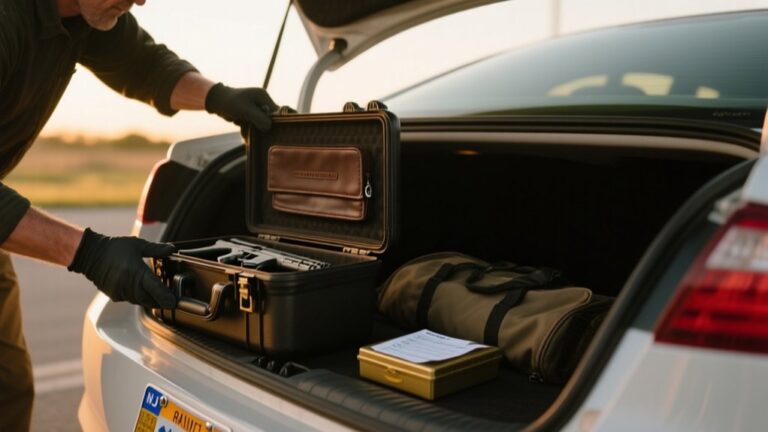
Bringing hollow point ammo and firearms to an indoor range requires careful preparation and following safety rules. Before heading out, check if hollow point ammunition is allowed, since many ranges restrict it for safety reasons.
When you arrive, make sure all firearms are unloaded and securely cased. Always keep your muzzle pointed downrange and follow strict safety regulations.
Here’s how to stay safe:
- Verify range policies on hollow point ammo
- Keep all firearms unloaded until you’re in the booth
- Present ID and sign liability waivers if required
- Notify the range officer immediately about any malfunctions
- Handle ammo and guns responsibly, respecting all safety rules
Following these steps helps keep the range safe and secure for everyone.
Frequently Asked Questions
Are There Specific Brands of Hollow Points Allowed at Some Ranges?
Yes, some ranges allow specific brands of hollow points based on safety considerations and range owner preferences.
You’ll find that brand reputation plays a big role, as ranges prefer ammunition known for consistent hollow point effectiveness and reliable performance.
Member feedback often influences these choices too.
Before you shoot, check with management to confirm which brands meet their criteria and guarantee your ammunition’s performance aligns with their safety standards.
Can Hollow Points Damage Certain Types of Indoor Range Backstops?
Think of your indoor range backstop materials as a garden bed, designed for certain seeds, not others.
Hollow points act like bursting pods, causing bullet fragmentation that scatters debris and raises safety concerns.
This fragmentation can increase wear, demanding more range maintenance and affecting performance testing accuracy.
Plus, the louder noise levels from expansion impact add strain.
Do Indoor Ranges Charge Extra Fees for Shooting Hollow Point Ammo?
Yes, some indoor ranges charge extra fees for shooting hollow point ammo due to safety considerations and hollow point performance, which can affect backstop wear.
You should always check ammo selection rules to respect range etiquette and avoid unexpected costs.
While hollow points offer specific training benefits, many ranges prefer full metal jackets for cost comparison and safety reasons.
Staying informed helps you make smart choices and enjoy your practice sessions safely.
How Does Shooting Hollow Points Affect Range Insurance Policies?
Shooting hollow points can increase your range’s insurance liability because these ammo types raise range risk due to their potential for ricochet and damage.
Insurance providers often require stricter hollow point safety measures, which can affect policy coverage and premium costs.
If you manage a range, you’ll need to take into account enhanced backstops and safety protocols to satisfy insurance demands.
Proper range management guarantees you balance user needs with maintaining safe, insurable conditions.
Are There Legal Restrictions on Bringing Hollow Points to Indoor Ranges?
Think of bringing hollow points to an indoor range like carrying a sharp knife into a delicate garden. It’s not always welcomed.
You’ll find hollow point legality varies by state, with indoor shooting regulations often restricting ammunition types for safety concerns.
To stay within range etiquette and caliber restrictions, you should always check specific rules beforehand.
Following these guidelines helps keep everyone safe and the shooting experience enjoyable.
Conclusion
Shooting hollow points at indoor ranges often isn’t allowed due to safety concerns. In fact, nearly 60% of indoor ranges restrict hollow point ammo to prevent risks like ricochets and damage to backstops.
Before you head out, always check your range’s rules. If hollow points aren’t permitted, try full metal jacket rounds instead.
By staying informed and following guidelines, you’ll keep yourself and others safe while enjoying your shooting time indoors.