Can I Build A Shooting Range On My Property – Requirements And Legal Guide
You can build a shooting range on your property if you follow safety, legal, and environmental rules. Choose at least 40 acres for recreational or 500 acres for long-range shooting. Use natural terrain for backstops, and maintain safety barriers.
Check local permits, zoning, and noise laws, and secure proper insurance coverage. Use copper bullets to minimize contamination and communicate with neighbors.
Setting clear safety protocols helps protect everyone. Keep going to explore how to design, maintain, and boost your property value with a safe range.
Essential Property Features for a Safe Shooting Range
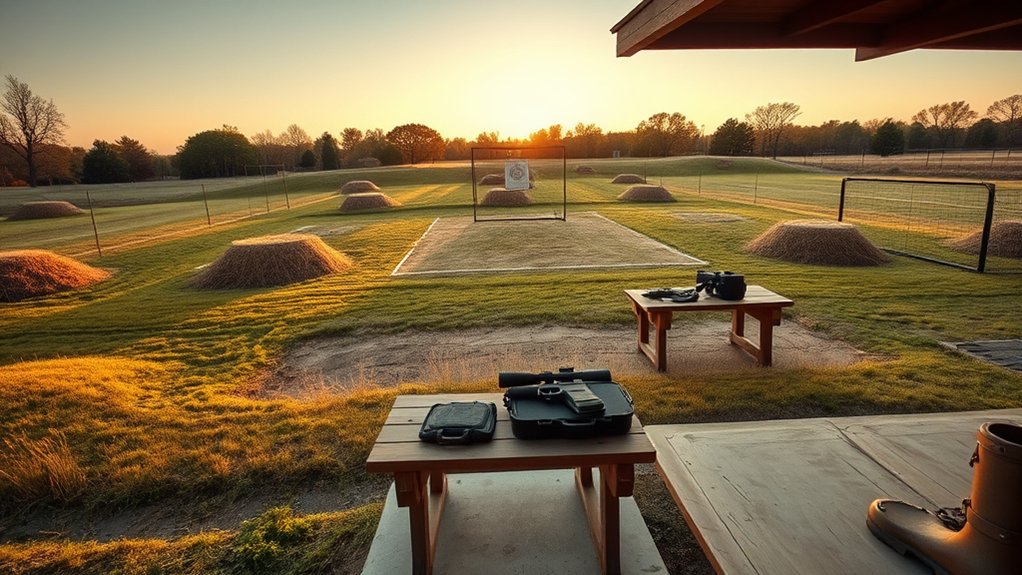
When planning a shooting range on your property, you need to prioritize safety by selecting the right features. Essential property features include plenty of room, at least 40 acres for recreational shooting and 500 acres for long-range shooting, to guarantee safe discharge of firearms.
Utilize natural topography like hills or canyons for backstops and wind protection. This reduces ricochet risks and enhances safety.
Leverage natural hills and canyons as backstops to improve safety and reduce ricochet risks.
Building a gun range means designing proper shooting lanes with ideal target distances and steel targets to minimize hazards. Regular maintenance of backstops follows best practices, preventing soil contamination.
Comply with local government and insurance requirements for a gun-friendly space.
Keep in mind, your rights reserved include safe handling of your personal gun.
These features form the foundation for a responsible, safe shooting range experience.
Designing Your Shooting Range for Safety and Functionality
When you’re designing your shooting range, one of the key things to keep in mind is the height of your backdrop. This is really important because it helps prevent ricochets, keeping everyone safer.
You’ll also want to take your time planning out the layout of the range. Doing this carefully ensures that the space is both safe and functional for all users.
And don’t forget about building sturdy safety berms. These add an essential layer of protection, giving everyone a bit more peace of mind while they’re using the range.
Backdrop Height Requirements
Although you might be enthusiastic to start shooting, you need to verify your backdrop is tall enough to prevent ricochets and keep everyone safe.
Backdrop height requirements typically range from 20 to 60 feet, depending on your shooting distance and ammunition type.
For long-range shooting, you may need a higher backdrop, factoring in the angle of fire. Natural features like hills or cliffs can help meet these requirements while adding extra safety and wind protection.
Always check local regulations to confirm your backdrop meets legal standards.
Once built, maintain and assess your backdrop regularly to keep it effective over time.
Meeting proper backdrop height requirements is essential for a safe and functional shooting range on your property.
Range Layout Planning
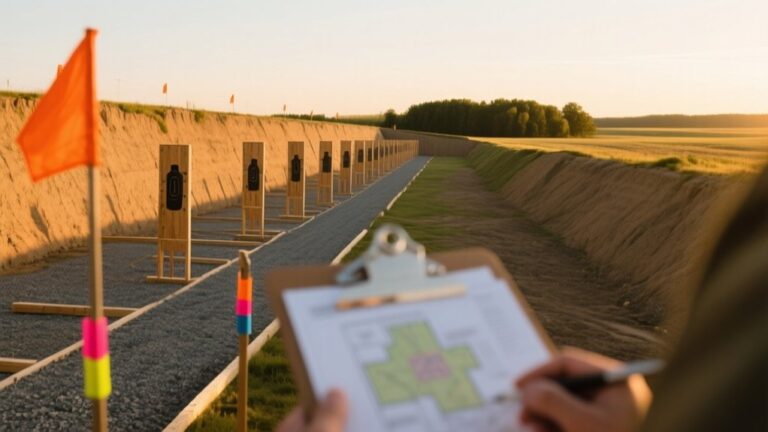
To design a safe and functional shooting range, you’ll need to carefully plan the layout with both safety and usability in mind. Start by securing at least 40 acres for typical home shooting ranges, or 500 acres for long-range shooting, to guarantee ample space.
Use natural features like hills or canyons to enhance safety and block wind. Establish clear shooting lanes and target distances tailored to your shooting activities.
Incorporate a proper backdrop between 20 and 60 feet high to prevent ricochets and stray bullets effectively. Consult shooting range experts to apply best practices and choose durable materials for backdrops and targets.
Thoughtful range layout planning will maximize safety and create an enjoyable shooting experience on your property.
Safety Berm Construction
Since safety is paramount in any shooting range, constructing a properly designed safety berm is essential to protect you and others from ricochets and stray bullets.
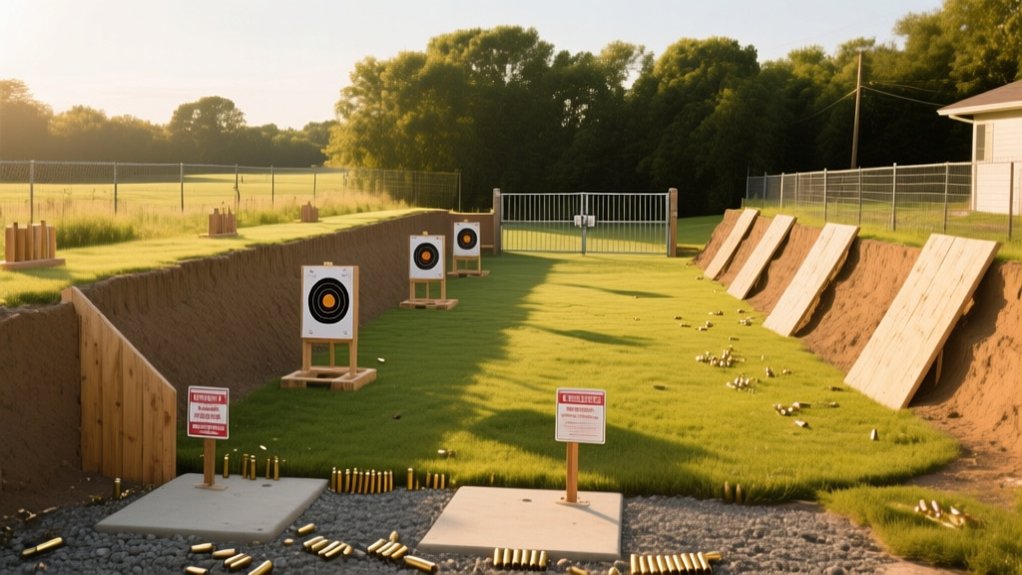
Your safety berm should be at least 5 feet high and 15 feet wide, using durable materials like earth or recycled tires to absorb impacts effectively.
Design it to rise above the target line, accounting for bullet angles to contain stray rounds. Using natural terrain, such as hills or slopes, can improve safety and reduce costs.
Plan your range orientation to minimize wind effects, helping the berm direct bullets back safely.
Don’t forget regular maintenance. Check for erosion and replenish soil to keep your safety berm effective over time. This guarantees your shooting range remains both safe and functional.
Understanding Legal and Permit Requirements for Private Ranges
Before you start building your private shooting range, you’ll need to check with local authorities about permits, zoning laws, and any specific regulations that apply in your area.
Shooting ranges often face strict rules, especially in populated areas, to guarantee safety and minimize noise. For example, in Texas, the Health and Safety Code and Local Government Code set standards for outdoor ranges, including construction and insurance requirements.
You’ll also want to confirm noise ordinances, as gunfire restrictions can vary depending on how close your range is to residences. Staying compliant means regularly reviewing local and state laws.
If you plan to charge for range use, liability insurance becomes essential. So, consulting an insurance agent early on will help you understand coverage needs and keep your range operating legally.
Managing Insurance and Liability for Your Shooting Range
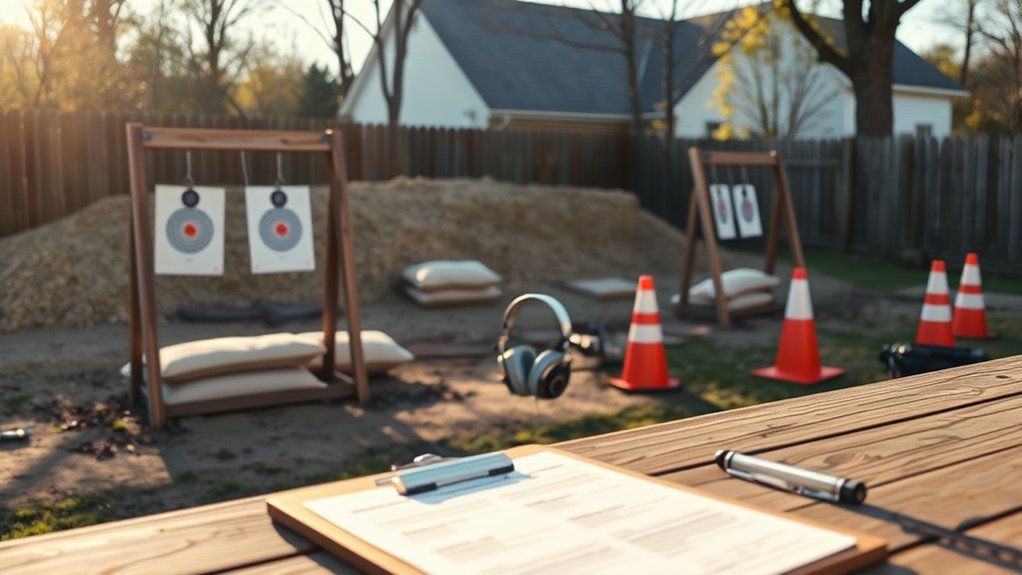
How do you protect yourself and others when building a shooting range on your property? Managing insurance and liability is key. Liability insurance is essential, especially if you charge for use, as it shields you from claims related to accidents or injuries.
Don’t assume your standard homeowners’ insurance covers shooting range activities. It’s important to consult an insurance agent to confirm your coverage needs.
You should also look into waivers; they can reduce liability but must be legally sound and clearly explained to users.
Be sure to understand local regulations, since some areas require specific insurance coverage levels for ranges.
Finally, review and update your insurance policy regularly to keep it aligned with any changes in your range’s operation or local laws. This approach helps you manage risks responsibly.
Key Safety Measures and Training to Implement
To keep your shooting range safe, you’ll want clear safety protocols in place along with proper backstops to control stray bullets.
It’s important that everyone using the range understands the rules and sticks to them at all times.
Offering training resources, such as NRA materials, is a great way to help new shooters handle firearms responsibly and build their confidence.
This kind of guidance makes a big difference in promoting safety for everyone involved.
Essential Safety Protocols
Although building a shooting range on your property can be exciting, you need to prioritize essential safety protocols to protect everyone involved.
Start by installing proper backstops and safety berms that stand 20 to 60 feet high. These prevent ricochets and keep bullets contained safely.
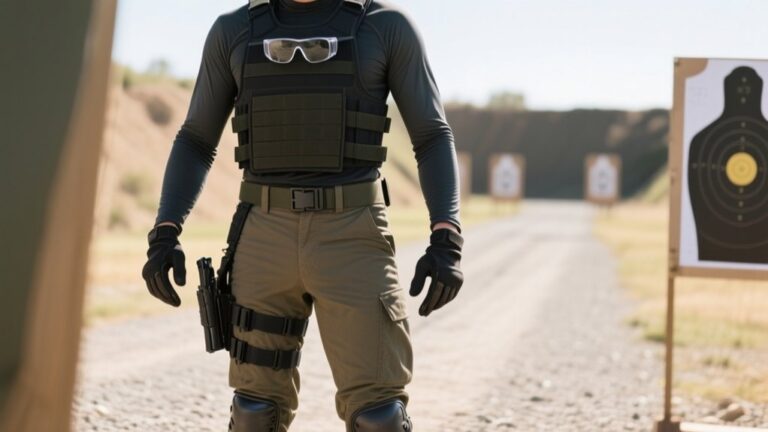
Establish clear safety rules, including mandatory briefings for all users and visible signage marking active shooting zones to boost awareness.
Regularly inspect and maintain these safety measures to avoid stray bullets and guarantee you meet local regulations.
Encourage open communication about safety practices and range rules, fostering respect and responsibility among all shooters.
Firearm Training Resources
When you build a shooting range, providing proper firearm training is just as essential as maintaining safety protocols. Start by implementing clear rules and backstop construction to prevent stray bullets.
Use firearm training resources from the NRA, which offer thorough safety courses ideal for new shooters, including children and women.
Keep communication open with visitors about active shooting times and safety measures to foster a secure environment.
Don’t hesitate to connect with local gun shops. They can recommend valuable training programs and share best practices.
Regularly assess and maintain safety features like barriers and berms to minimize risks and guarantee your range remains safe and operational.
These steps guarantee responsible firearm handling and reinforce a culture of safety at your shooting range.
Minimizing Environmental Impact and Managing Neighbor Relations
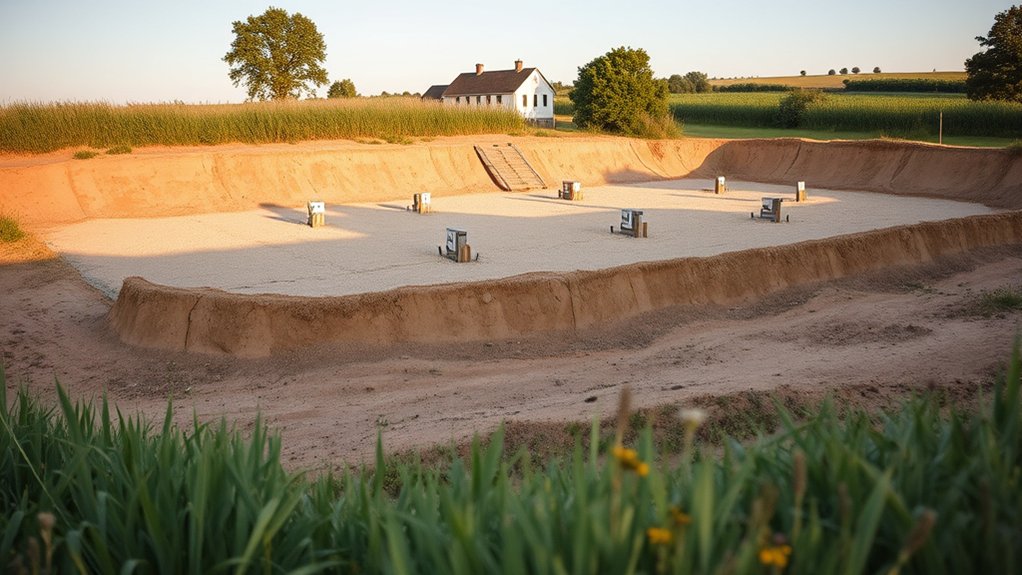
Since your shooting range can affect both the environment and your neighbors, you should take steps to minimize its impact and maintain good relations. Proper planning helps guarantee your shooting activities don’t disturb others or harm the environment.
To do this effectively:
- Use copper bullets to reduce lead contamination, especially near water sources.
- Communicate regularly with neighbors about shooting frequency and hours.
- Install backstops to prevent stray bullets and contain debris on your property.
- Utilize natural terrain like hills to reduce noise and increase safety.
- Consult local authorities to understand noise ordinances and environmental rules.
Essential Equipment and Maintenance for Personal Ranges
Three key elements define a safe and functional personal shooting range: the right equipment, regular maintenance, and a solid upkeep plan. Your essential equipment should include targets, backstops, benches, and safety berms to keep shooting safe and controlled.
Use durable materials like dirt, tires, or wood for backstops, and check them frequently to guarantee they’re effective.
Regular maintenance is crucial. Schedule inspections to replace worn targets, repair lanes, and manage erosion on backdrops.
Equip yourself with tools such as rakes and shovels to maintain shooting lanes and replenish backstop materials as needed.
How Building a Shooting Range Can Increase Property Value
Although adding a shooting range might seem like a niche improvement, it can greatly boost your property’s value by appealing to buyers who enjoy outdoor recreation and shooting sports.
Shooting ranges add versatility and attract a specific market of gun enthusiasts, which can set your property apart.
Here’s how building a shooting range can increase your property value:
- Enhances appeal to outdoor activity lovers and hunters
- Can increase market value by up to 20% through recreational features
- Attracts niche buyers in competitive real estate markets
- Supports long-term appreciation in regions valuing outdoor lifestyles
- Encourages community and family-friendly outdoor experiences
Practicing Responsible Firearm Use for Your Range and Community
Building a shooting range adds value and appeal, but it also comes with the responsibility of ensuring safety for everyone involved. To practice responsible firearm use, you need clear safety protocols and proper firearm handling rules that every user understands.
Regular safety training, like NRA resources, helps both new and experienced shooters stay sharp and safe. Make sure your range has proper backdrops and safety berms to contain stray bullets and protect your neighbors.
Speaking of neighbors, keep open communication about your shooting schedule to reduce noise complaints and build trust. You can also strengthen community support by hosting events or inviting locals to learn about safe firearm practices.
Frequently Asked Questions
What Types of Firearms Are Best Suited for a Home Shooting Range?
When it comes to firearm selection for your home shooting range, rimfire firearms like .22 caliber rifles are ideal because they offer low recoil and less noise.
Pistols, especially 9mm or .45 ACP, provide versatility and manageable power.
Shotguns work well for specific training, while air rifles are perfect for quieter indoor or backyard use.
Always prioritize safety features and guarantee your firearm selection complies with local laws and noise restrictions.
Can I Host Shooting Competitions or Events on My Private Range?
Hosting shooting competitions on your private range is like tending a garden. You must nurture it carefully under event regulations to see it flourish.
You can host, but you’ll need permits, notify local authorities, and follow noise and safety laws closely.
Liability insurance acts like a sturdy fence, protecting you from unexpected storms.
How Do Weather Conditions Affect Outdoor Shooting Range Use?
Weather conditions directly impact your outdoor shooting range use, affecting bullet trajectory, visibility, and shooter stability. You’ll need to factor in wind, rain, and extreme temperatures when planning safety protocols.
For example, strong winds can alter shots, while rain can create slippery surfaces.
Poor visibility from fog or snow demands stricter safety rules. Incorporating shelters and monitoring forecasts helps you maintain safety protocols and guarantees a safer, more enjoyable shooting experience.
Are There Specific Noise Abatement Technologies Recommended for Residential Ranges?
Yes, you should use noise reduction technologies like acoustic panels and heavy rubber mats to cut down sound transmission.
Installing baffles or sound barriers helps redirect noise away from neighbors. You can also choose subsonic ammunition to lower the gunfire’s sound signature.
Adding natural vegetation around your range provides extra noise absorption.
Regularly maintaining backstops guarantees less ricochet noise, keeping your residential shooting range quieter and more neighbor-friendly.
What Are Best Practices for Storing Ammunition on My Property?
To guarantee ammunition security, store your ammo in a cool, dry place between 60°F and 70°F, avoiding humidity.
Use a sturdy, locked container designed specifically for ammunition to prevent unauthorized access.
Keep your ammunition separate from firearms to reduce accidental discharge risks.
Regularly inspect and rotate your stock to maintain safety and usability.
Always follow local laws, as they might’ve specific requirements for ammunition security and storage practices on your property.
Conclusion
Building a shooting range on your property isn’t just about setting up targets. It’s about crafting a safe haven where responsibility meets recreation.
Like a well-tuned orchestra, every element, from legal permits to safety measures, must harmonize perfectly. When you design thoughtfully and act responsibly, you’re not just creating a range; you’re shaping a legacy of respect, safety, and community trust.
So take aim carefully and let your range be a symbol of wise stewardship and peace of mind.