Do Shooting Ranges Check For Felonies – Background Check Information
Shooting ranges usually ask for your ID to verify your age and identity but don’t perform felony background checks before entry or firearm rentals. While they confirm your ID’s validity and check for restrictions, they focus more on safety than running full legal eligibility reviews.
Felons are generally barred by federal law from possessing firearms, so it’s important to know your status. If you want to understand how age, permits, and policies impact your experience at ranges, keep exploring.
Why Do Gun Ranges Ask for Your ID?

Why do gun ranges ask for your ID before you step up to the firing line? They need to verify your age and identity to confirm you’re legally allowed to handle firearms.
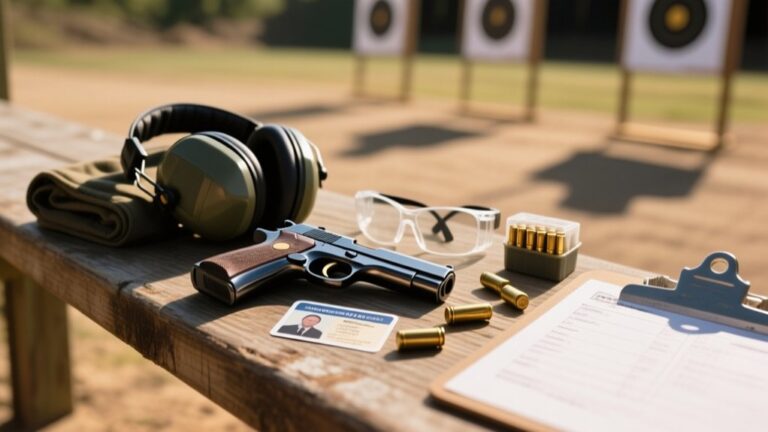
Checking your ID confirms it’s valid, not expired, and matches your appearance, which helps maintain a safe environment.
While ranges don’t always perform full background checks, your ID may be reviewed for any restrictions, such as a felony conviction, that legally prevent you from possessing firearms.
This step also links any rentals or incidents to you, aiding in liability and accountability.
What State IDs or Permits Do Gun Ranges Require?
When you visit a gun range, you’ll need to show a valid government-issued photo ID to confirm your age and identity.
It’s usually pretty straightforward, but depending on where you are, you might also need some extra permits, like a FOID card or an LTC, before you can start shooting.
So, it’s a good idea to check the specific rules of the range you’re going to because ID and permit requirements can vary quite a bit from place to place.
Better to be prepared than caught off guard!
Required State Credentials
Although requirements vary by location, gun ranges typically ask you to present a valid government-issued photo ID to verify your identity before entry.
Beyond this, many ranges require specific state credentials to comply with local laws.
While they usually don’t perform a criminal background check on-site, some may ask about your criminal history on waivers.
Here are common credentials you might need:
- FOID (Firearm Owner’s Identification) card in states like Illinois
- FID (Firearms Identification) or LTC (License to Carry) permits in states such as Massachusetts or Texas
- FPIC (Firearm Possession Identification Card) depending on your state’s regulations
Always check the required state credentials before visiting a gun range to avoid surprises.
ID Verification Policies
Gun ranges ask you to show a government-issued photo ID to confirm your age and identity before entry. This ID verification guarantees your identity matches the photo and isn’t expired. Some states require additional permits like FOID, FID/LTC, or FPIC due to legal issues.
While ranges mainly focus on verifying your ID, they might ask about criminal history on waiver forms but typically don’t run background checks. Before visiting, check the range’s specific ID policies and local laws to avoid surprises.
| State Requirement | Common IDs/Permits |
|---|---|
| Age Verification | Driver’s License, Passport |
| Additional Permits | FOID, FID/LTC, FPIC |
| ID Validity | Must be current, non-expired |
| Criminal History Check | Rare, usually on waiver forms |
| Legal Issues | Range-specific compliance |
Do Shooting Ranges Run Felony Background Checks?
How do shooting ranges handle felony background checks? Most shooting ranges don’t run felony background checks when you enter or use a lane. They focus on verifying your identity through a government-issued photo ID rather than confirming if you can legally possess a firearm.
Here’s what you should know:
On-premises firearm rentals usually don’t require background checks, but off-premises rentals do because of transfer laws.
Some private shooting clubs might require background checks for membership, potentially denying felons.
ID checks primarily confirm who you are, not your legal eligibility to possess firearms.
Can Felons Visit or Shoot at Gun Ranges?
If you’re a felon, visiting or shooting at a gun range can come with some serious legal risks because there are strict rules about firearm possession.
Most ranges will require background checks, which might stop you from getting in or taking part.
Felon Access Restrictions
Two key restrictions affect felons wanting to visit shooting ranges: federal laws and range policies.
If you’re a felon wondering if you can go to a range, know that ranges need to follow strict rules under 18 U.S. Code § 922, which generally bars felons from possessing firearms or renting guns.
Most ranges require a valid ID and background check, which will likely prevent felons from accessing them.
Here’s what you should keep in mind: felons are usually prohibited from entering ranges or using firearms on site.
Renting or borrowing guns at ranges is illegal for felons and risks arrest. Some states allow exceptions, but places like Indiana do not.
Until your rights are restored, it’s best to avoid shooting ranges altogether.
Legal Risks For Felons
Although you might feel drawn to visit a shooting range, felons face significant legal risks because federal law under 18 U.S. Code § 922 prohibits firearm access for those with felony convictions.
Most ranges perform background checks, which typically bar felons from renting or borrowing firearms on-site.
Even just being present at a range can expose you to legal risks, as law enforcement may suspect illegal possession.
If you’re a felon, trying to shoot without confirming your rights have been restored can lead to arrest and serious consequences.
Before visiting a range, make sure to verify your legal status.
Ignoring these background checks and regulations isn’t worth the risk, as it could result in further legal trouble and jeopardize your future.
How Does Age Affect Shooting Range Access?
How does your age influence access to shooting ranges? Age verification is essential since federal law prohibits handgun possession if you’re under 18, though you can own a long gun at 18.
Many ranges require you to be 21 to rent firearms, reflecting stricter local policies beyond owning a firearm laws. Your License to Carry status may also impact your access.
Here’s how age affects your shooting range visit:
- Under 18? You generally can’t handle handguns, but some ranges allow supervised shooting with parental consent.
- Ages 18-20? You can possess long guns but might face rental restrictions.
- 21 and older? You’ll usually have full access, provided you pass age verification and meet other requirements.
Always check local range policies before visiting.
What Should You Bring on Your First Shooting Range Visit?
Understanding the age requirements for shooting ranges helps you prepare for your visit, but knowing what to bring can make your experience smoother and safer.
First, bring a valid government-issued photo ID to confirm your identity and age at the shooting range.
Also, check for any required state credentials, like FOID, FID/LTC, or FPIC, before you go.
Don’t forget eye and ear protection; many ranges rent or sell these if you don’t have your own.
Wear closed-toe shoes and comfortable clothing suited for range activities.
If you’re new, consider scheduling an introductory lesson to familiarize yourself with range rules and handling firearms safely.
Being well-prepared guarantees your first visit goes smoothly and safely.
How Do Range Policies Keep Everyone Safe and Legal?
Because safety and legality are top priorities, shooting ranges enforce strict policies to protect everyone on site. These rules guarantee you enjoy your visit while respecting gun rights back to responsible owners and maintaining a secure environment.
Safety and legality are paramount, so shooting ranges enforce strict policies to protect all visitors.
Here’s how range policies keep you safe and legal:
- ID Verification: They check your valid ID to confirm your identity and prevent unauthorized range access.
- Waivers and Disclosures: You’ll sign waivers that may ask about any criminal history, supporting transparency and criminal defense awareness.
- Felony Restrictions: Ranges often restrict access to individuals with felony records to comply with insurance and legal requirements, keeping the environment safe for all.
These combined efforts create a responsible culture that respects your rights while prioritizing safety.
How Do Gun Ranges Use Your Driver’s License Data?
Shooting ranges rely on your driver’s license data to confirm your identity and age, making sure everyone follows local and federal firearm laws. Gun ranges check that your driver’s license is valid, unexpired, and matches your presence to prevent anyone convicted of a felony from accessing firearms.
While they typically don’t run full background checks, they may flag restrictions tied to your license. This data also helps with safety audits and incident records.
| Purpose | What They Check | Why It Matters |
|---|---|---|
| Identity Verification | Name matches license | Prevents impersonation |
| Age Confirmation | Date of birth | Guarantees legal firearm access |
| Validity Check | Expiration date | Confirms current authorization |
| Felony Restrictions | Firearm possession flags | Stops convicted felons from use |
Frequently Asked Questions
Can Minors Shoot at Ranges Without Adult Supervision?
You can’t let minors shoot at ranges without adult supervision because supervision requirements are strict.
Minors’ responsibilities include following all safety rules, but they need parental consent and a guardian present to guarantee safety.
Some ranges might allow shooting only after certified safety training, but generally, you’ll have to accompany minors to meet these rules.
Always check the specific range’s policies before you go to avoid any issues.
Are Private Ranges More Strict About Background Checks Than Public Ones?
Think of private range policies as a fortress, standing firm with strict background check procedures, while public range regulations feel more like open gates.
You’ll find private ranges often dig deeper into your history, ensuring safety by enforcing thorough checks.
Public ranges usually stick to basic ID verification, keeping things lighter.
Do Shooting Ranges Provide Firearm Rentals to First-Time Visitors?
Yes, many shooting ranges provide firearm rentals to first-time visitors.
When you’re a first-time shooter, ranges usually require a valid government-issued ID and may ask you to follow specific rental policies.
They often encourage you to take an introductory lesson to guarantee firearm safety.
What Happens if Someone Lies on the Waiver About Their Criminal Record?
If you lie on a waiver about your criminal record, you risk serious legal repercussions, including criminal charges for fraud.
Your waiver’s validity instantly becomes void, and the range can expel you on the spot.
Ethically, you’re putting safety at risk, which can lead to civil penalties if harm occurs.
Being honest protects everyone and keeps you clear of trouble, so don’t take the waiver lightly.
Are There Special Accommodations for People With Disabilities at Ranges?
Yes, many shooting ranges offer accessible facilities to guarantee you can participate comfortably.
They often provide adaptive equipment tailored to your needs, making shooting easier if you have mobility challenges.
Staff usually undergo disability training, so they understand how to assist you respectfully and effectively.
If you need specific accommodations, it’s a good idea to contact the range ahead of time to discuss your requirements and make sure everything’s ready for your visit.
Conclusion
When you step into a shooting range, your ID isn’t just a ticket; it’s the key that opens safety and legality. While not all ranges dig deep into felony backgrounds, they do check what’s necessary to keep things above board.
Remember, rules and policies act like a well-oiled machine, ensuring everyone plays by the book. So, come prepared, follow the guidelines, and enjoy your time hitting the mark with confidence and care.