What States Honor Wisconsin Concealed Carry Permit – Reciprocity Guide
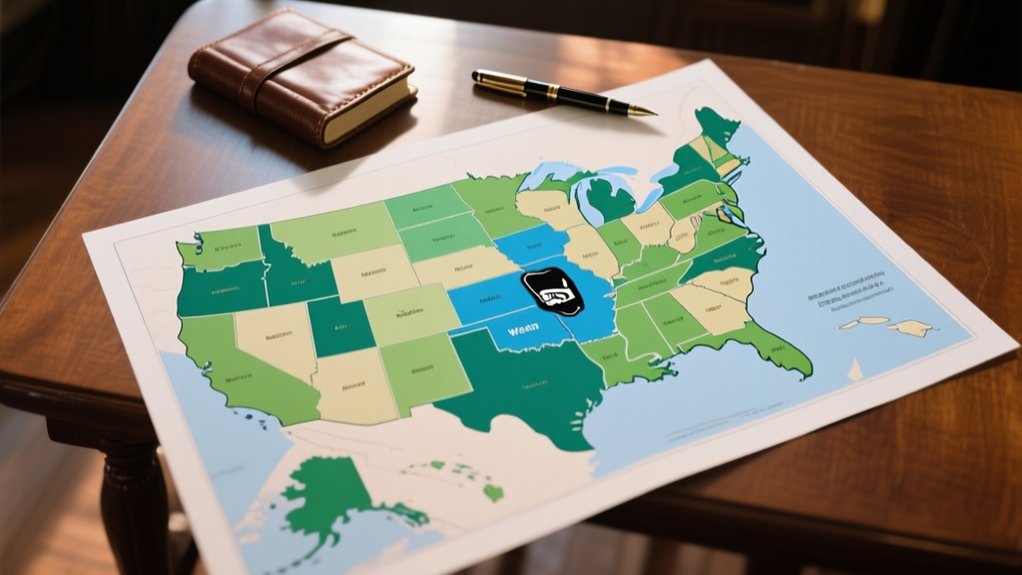
If you hold a Wisconsin concealed carry permit, 44 states recognize it through reciprocity or permitless carry laws. This includes states like Alaska, Arizona, Georgia, Idaho, Indiana, and Texas. Usually, there are conditions such as having a valid permit and carrying concealed only.
Some states limit recognition to residents or specific types of permits. Others don’t recognize Wisconsin permits at all. Since laws and reciprocity agreements can change, it’s really important to check the current status before you travel.
Knowing these details helps you carry legally across state lines and stay safe. It’s always better to be informed than caught off guard.
What Is Concealed Carry Reciprocity and Why It Matters
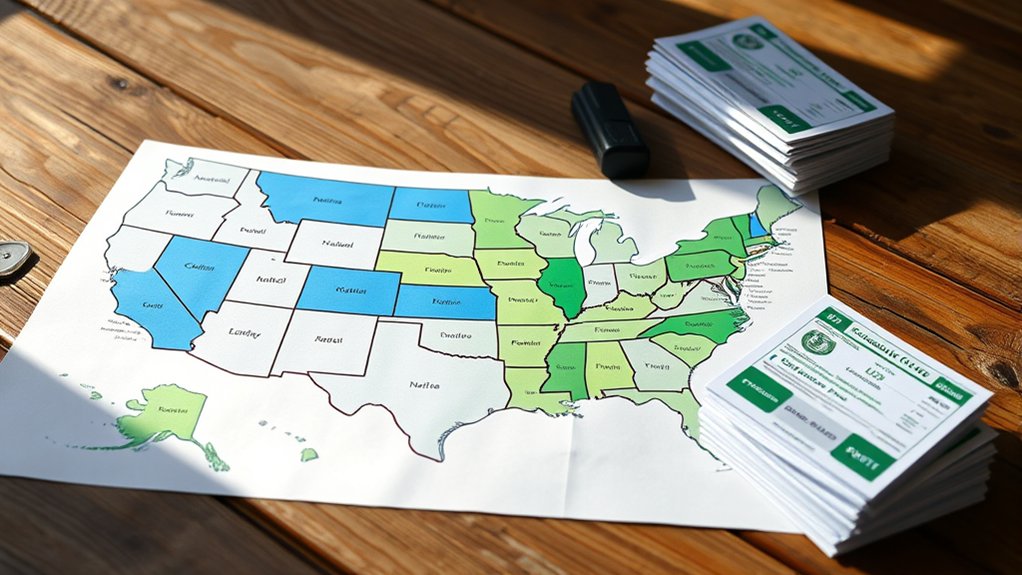
Although concealed carry laws vary widely across the United States, concealed carry reciprocity allows you to carry your firearm legally in multiple states by recognizing your home state permit.
Concealed carry reciprocity refers to agreements between states that acknowledge each other’s permits, enabling permit holders to exercise their rights beyond their issuing state.
Concealed carry reciprocity allows states to honor each other’s permits, extending legal rights across state lines.
These reciprocity agreements differ markedly: some states accept all out-of-state permits, while others only recognize permits from states with comparable legal standards.
The extent of recognition depends on factors like the existence of concealed carry laws, permit types, and specific treaties.
Staying informed about these reciprocity agreements is essential for you to travel lawfully and avoid inadvertent legal violations when carrying across state borders.
Which States Honor Wisconsin Concealed Carry Permits
You can carry your Wisconsin concealed carry permit in 44 states, thanks to reciprocity agreements or permitless carry laws.
However, recognition isn’t the same everywhere. For example, some states like Colorado and Pennsylvania have residency requirements or other conditions before they honor your permit.
Reciprocity States Overview
When carrying a Wisconsin concealed carry permit outside the state, it’s vital to understand which states recognize your permit through reciprocity agreements or permitless carry laws. Wisconsin maintains reciprocity with 44 states, allowing you to carry where these agreements or laws apply.
States like Alaska, Arizona, Georgia, Idaho, Indiana, and Texas honor Wisconsin permits either fully or under permitless carry provisions.
However, recognition varies. Some states accept only residents’ permits or those issued under specific reciprocity terms. Conversely, states such as California, New York, and Massachusetts don’t recognize Wisconsin permits at all.
Given these variations, you should verify each state’s reciprocity status and concealed carry laws before carrying firearms. This helps ensure compliance and avoid legal complications. Better safe than sorry, right?
Permit Recognition Variations
Understanding which states honor Wisconsin concealed carry permits requires careful attention to varying recognition rules. Reciprocity agreements and state recognition differ widely, affecting whether your Wisconsin permit is valid elsewhere.
For example, states like Alaska, Arizona, Indiana, and Texas fully recognize Wisconsin permits without restrictions. However, some states limit recognition to permits issued to residents or those meeting specific criteria such as age or permit type.
These variations mean you must verify each state’s current policies before traveling, as reciprocity status can change.
Non-Honoring States List
While many states recognize Wisconsin concealed carry permits, several explicitly don’t honor them. This creates significant legal risks for permit holders.
The non-honoring states include California, Connecticut, Delaware, Hawaii, Illinois, Maryland, Massachusetts, New Jersey, New York, Oregon, Rhode Island, Washington, and the District of Columbia.
Carrying a firearm in these states without valid local authorization may lead to felony charges or other serious penalties.
Although the federal Firearm Owners Protection Act (FOPA) permits the lawful transport of unloaded, locked firearms through these jurisdictions, it doesn’t grant carry rights. So, just passing through with your firearm isn’t the same as being allowed to carry it openly or concealed.
Reciprocity agreements can change, so you should verify current laws before traveling.
Understanding which states don’t recognize your Wisconsin concealed carry permit is vital. It helps you stay compliant and avoid legal complications while on the road.
States That Don’t Recognize Wisconsin Permits
Which states don’t recognize Wisconsin concealed carry permits, and what does that mean for permit holders? States like California, New York, and Illinois, along with coastal and northeastern states such as Rhode Island, Massachusetts, and Oregon, don’t offer reciprocity to Wisconsin permits.
In these non-recognizing states, carrying a firearm with a Wisconsin permit can expose you to legal penalties or even felony charges.
While federal law (FOPA) allows you to transport firearms lawfully through these states under specific conditions, openly carrying or concealed possession outside those conditions is prohibited.
Age and Permit Type Requirements Across Reciprocity States

Because age and permit type requirements vary across reciprocity states, you need to carefully review each state’s criteria before relying on your Wisconsin concealed carry permit.
Most reciprocity states require permit holders to be at least 21, which aligns with Wisconsin’s age standard. However, some states recognize only resident or enhanced Wisconsin permits, each with distinct requirements.
States like Maine and New Hampshire allow permitless carry at 18, yet they still impose specific age criteria for recognizing Wisconsin permits.
Plus, many states demand that permits be valid and issued under comparable standards, often including age restrictions.
For example, Colorado and Pennsylvania accept Wisconsin permits only if holders meet their own age and qualification rules.
Reciprocity Impact on Non-Residents Carrying Wisconsin Permits
If you carry a Wisconsin concealed carry permit as a non-resident, your rights really depend on the reciprocity agreements each state has with Wisconsin, plus their eligibility rules.
Some states only recognize permits from their own residents, which can limit your carrying options.
So, it’s super important to check the specific rules for each state before you carry.
That way, you can avoid any legal complications and stay on the safe side.
Non-Resident Permit Eligibility
Although non-residents typically cannot obtain a Wisconsin concealed carry permit, there is an exception for active military personnel stationed in the state. It’s important to understand how reciprocity works, especially if you carry a permit from another state.
Non-residents usually rely on their home state permits when carrying in Wisconsin because reciprocity agreements mostly recognize Wisconsin permits issued to residents. If your permit comes from a state that doesn’t recognize Wisconsin permits, you can’t legally carry here under reciprocity. That means reciprocity has limited practical impact on non-residents.
| Category | Details |
|---|---|
| Non-Resident Eligibility | Restricted to active military personnel |
| Reciprocity Recognition | Applies mostly to resident-issued permits |
| Permit Usage | Home state permits govern non-residents |
| Reciprocity Limitation | Non-recognizing states limit carry rights |
Reciprocity Agreement Limitations
Understanding how Wisconsin concealed carry permits are recognized outside the state requires careful attention to reciprocity agreement limitations, especially for non-residents holding these permits.
Reciprocity agreements vary in how they treat non-residents: some states recognize Wisconsin permits only if issued to residents, restricting non-residents from permit recognition under those agreements.
Furthermore, specific permit types, such as enhanced permits, may influence recognition. Reciprocity agreements often impose conditions like age restrictions or permit validity periods that affect non-residents carrying Wisconsin permits.
Some states don’t acknowledge Wisconsin permits for non-residents at all, while others require permits to fit within their reciprocity framework to grant recognition.
Key Restrictions and Prohibited Locations When Carrying Out of State
Because states have varying rules about where you can carry a concealed weapon, Wisconsin permit holders must carefully review restrictions before traveling.
Reciprocity agreements don’t override each state’s local laws and designated prohibited locations. To stay compliant, consider these key points:
Many states prohibit carry in schools, courthouses, and federal properties regardless of reciprocity.
Private properties or businesses often enforce “no guns” signs that legally restrict carry.
Age limits and permit type qualifications may vary, affecting your legal ability to carry.
Always verify state-specific laws to ensure you understand all restrictions before entering.
Taking a few minutes to check these details can save you from potential legal trouble.
Stay informed and carry responsibly.
Tips for Traveling Through Non-Reciprocal States
When you’re traveling through non-reciprocal states, it’s important to follow federal firearm transport regulations. That means you need to unload your firearm and securely lock it in a separate container.
You also want to make sure you’re complying with each state’s specific laws to avoid any legal trouble while you’re on the road.
A good rule of thumb is to prioritize safe storage by keeping your firearms out of reach from anyone in the vehicle.
Plus, double-check that your locked container meets all legal requirements before you hit the road.
Federal Firearm Transport
How can you legally transport your firearm through states that don’t recognize Wisconsin concealed carry permits? Federal firearm transport under the Firearm Owners Protection Act (FOPA) lets you travel through those non-reciprocal states if you follow some specific rules.
To make sure you’re complying with concealed carry laws and reciprocity limits, here’s what you need to do: keep your firearm unloaded. Then, store it in a locked, hard-sided container that’s out of reach from both the driver and passengers.
Also, keep your ammunition separate from the firearm, storing it somewhere different. Try to minimize stops and avoid overnight stays to keep FOPA protections intact.
Following these steps will help you stay on the right side of the law while traveling.
Compliance With State Laws
What steps should you take to guarantee compliance with state laws while traveling through non-reciprocal states? First, always assure your firearm is unloaded, stored in a locked container, and separated from ammunition. This aligns with both the Federal Firearm Owners Protection Act (FOPA) and local regulations.
Since reciprocity doesn’t apply, avoid carrying your concealed carry weapon openly or in accessible areas within your vehicle unless explicitly allowed. It’s a good idea to familiarize yourself with each state’s specific restrictions on firearm storage and transport before traveling.
Try to minimize stops during transit to reduce legal risks associated with improper firearm accessibility. Even with FOPA protections, failing to strictly adhere to state laws can result in penalties.
Safe Storage Practices
Although traveling through non-reciprocal states complicates concealed carry, adhering to safe storage practices guarantees legal compliance and reduces risks. Proper firearm transport is essential when reciprocity doesn’t apply. It helps minimize legal exposure.
Follow these safe storage tips:
- Store firearms unloaded in a locked, tamper-proof container during transport.
- Keep ammunition separate from firearms to meet federal and state safety standards.
- Use lockable gun storage devices, such as steel lockboxes with security cables, for vehicle transport.
- Avoid accessible areas like glove compartments or center consoles when passing through non-reciprocal states.
Also, make sure you’re familiar with each state’s firearm storage laws to stay compliant. These measures protect you legally and physically. They help you maintain responsible firearm transport despite the challenges posed by varying reciprocity regulations.
How to Verify Reciprocity Status Before Traveling
Before traveling, you should verify whether your Wisconsin concealed carry permit is recognized in your destination state by consulting the latest reciprocity maps and official state government websites. Reciprocity agreements vary, so you must confirm if the state honors Wisconsin permits or enforces permitless carry laws.
Always check if your Wisconsin concealed carry permit is accepted in your destination state before traveling.
Carefully review any restrictions tied to reciprocity, such as age requirements or permit types, to ensure compliance with state laws.
Furthermore, stay updated on recent legislative changes that could affect permit recognition.
When uncertain, contact local law enforcement or legal experts in the destination state for real-time clarification.
By proactively verifying reciprocity and understanding specific state laws, you reduce the risk of legal complications while carrying concealed across state lines.
This due diligence supports responsible and lawful firearm possession during your travels.
Differences Between Wisconsin Resident and Non-Resident Permits
Since Wisconsin issues concealed carry permits exclusively to residents, except for active military personnel stationed in the state, non-residents generally can’t obtain a Wisconsin permit. This distinction creates clear differences between resident permits and the options available to non-residents.
Consider these key points:
Resident permits are issued only to state residents, allowing them to benefit from Wisconsin’s reciprocity agreements with other states.
Non-residents typically must rely on reciprocity or permitless carry laws when carrying outside their home states.
Wisconsin doesn’t provide non-resident permits, which limits options for non-residents who want legal concealed carry within Wisconsin.
The recognition and validity of permits vary by state, so non-residents should carefully verify reciprocity before carrying.
Understanding these differences helps you navigate concealed carry laws effectively across jurisdictions. It’s always a good idea to double-check the rules wherever you plan to carry.
Best Practices for Carrying Wisconsin Permits Across State Lines
When you plan to carry your Wisconsin concealed carry permit across state lines, verifying the current reciprocity agreements is essential. These agreements frequently change, so it’s a good idea to check before you go. Always carry a valid, up-to-date permit and make sure you know each state’s specific carry laws, even if they honor Wisconsin permits.
Keep digital or physical copies of your permit and reciprocity information handy in case law enforcement asks. Remember, some states recognize Wisconsin permits only for residents or specific permit types. So, confirm your eligibility before traveling to avoid any surprises.
| State | Reciprocity Status | Key Restrictions |
|---|---|---|
| Illinois | No | No recognition of Wisconsin permits |
| Iowa | Yes | Resident permits honored only |
| Minnesota | Yes | Must follow Minnesota carry laws |
| Indiana | Yes | Permit types vary by reciprocity |
| Michigan | Yes | Permit valid for concealed carry only |
Frequently Asked Questions
Can I Carry a Concealed Weapon Without a Permit in Wisconsin?
You can’t carry a concealed weapon without a permit in Wisconsin. The state requires you to have a valid Wisconsin Concealed Weapons License or a recognized reciprocal permit for concealed carry.
While open carry doesn’t need a license, concealing a firearm without the proper permit is illegal and could lead to criminal charges.
To stay compliant, always make certain you have the necessary license before carrying concealed in Wisconsin.
How Do I Renew My Wisconsin Concealed Carry Permit?
To renew your Wisconsin concealed carry permit, start at least 90 days before it expires. You can submit your renewal application online or by mail through the Wisconsin Department of Justice.
Just complete the renewal form, pay the fee, and provide any updated information if needed.
Usually, you won’t have to retake training unless something changes with your eligibility.
Make sure you meet all the criteria to avoid any delays or denial when processing your renewal request. It’s pretty straightforward if you stay on top of it!
Are There Training Requirements for Obtaining a Wisconsin Permit?
Yes, you must complete an approved firearms safety training course to obtain a Wisconsin concealed carry permit. The course requires at least 8 hours of instruction, covering firearm handling, safety, and legal responsibilities.
It must be led by a certified instructor and include live-fire exercises.
Military personnel stationed in Wisconsin are exempt if they meet eligibility criteria. You’ll need to provide proof of course completion during your application.
What Happens if I Lose My Concealed Carry Permit While Traveling?
Losing your concealed carry permit while traveling is like misplacing a map in the Wild West. It demands swift action. You should immediately report the loss to Wisconsin’s issuing agency and request a replacement.
Carrying without a valid permit risks legal penalties. Some states might offer temporary permits, but rules vary. Always check local laws and carry proof of permit status, digital or physical, to avoid complications during your travels.
Can My Wisconsin Permit Be Revoked for Out-Of-State Violations?
Yes, your Wisconsin concealed carry permit can be revoked for out-of-state violations. If you commit offenses like felony convictions, domestic violence, or illegal firearm possession elsewhere, Wisconsin authorities may suspend or revoke your permit after investigation.
You’re responsible for following all firearm laws nationwide. Violations outside Wisconsin can directly impact your permit status.
The Wisconsin Department of Justice enforces compliance with both state and federal laws regardless of where the violation occurs. So, it’s important to stay aware of the rules no matter where you are.
Conclusion
Understanding concealed carry reciprocity can feel like decoding an ancient scroll, but staying informed is essential. You need to know which states honor your Wisconsin permit, the different age and permit requirements, and how non-resident rules apply.
Before you travel, always double-check the current reciprocity statuses to avoid any legal issues. By following best practices and respecting each state’s laws, you’ll carry responsibly and confidently across state lines. This way, your rights and safety stay protected.