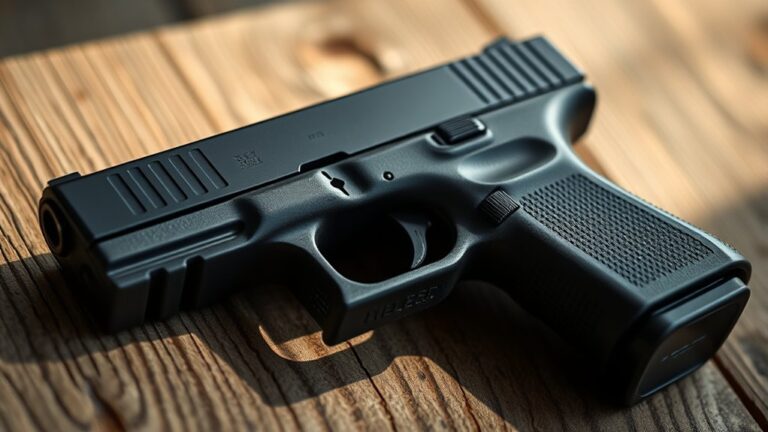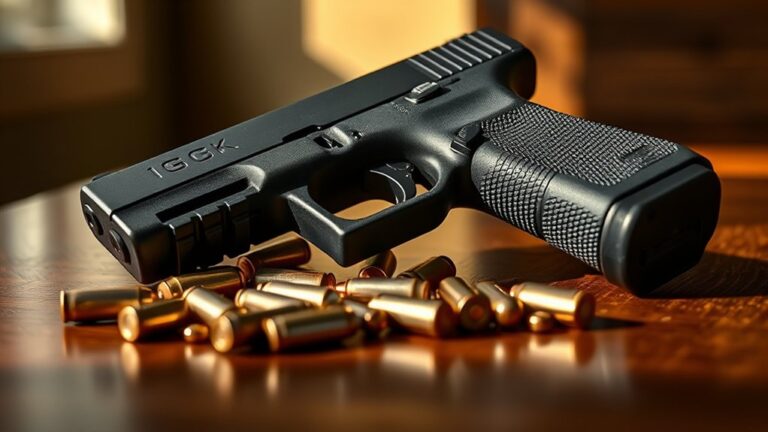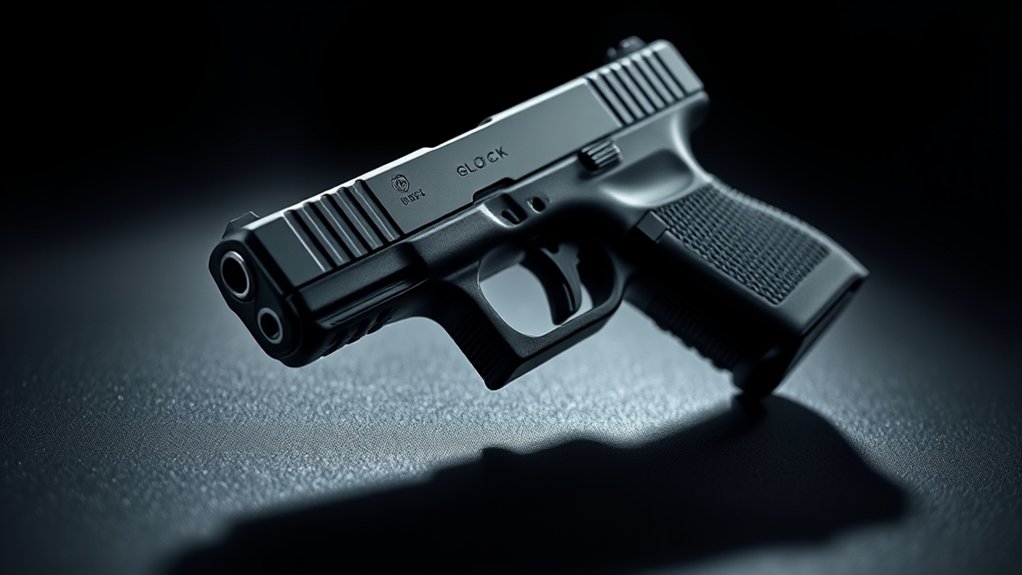
Is Glock Discontinuing Guns – Latest Updates Explained
Glock is discontinuing over two dozen popular models, including key Gen 4 and Gen 5 pistols. This move comes in response to increasing legal and regulatory pressures, especially from states like California.
They’re phasing out legacy models to prevent illegal modifications and to stay compliant with new safety laws. These older pistols are being replaced by the upcoming Glock V Series, which features advanced anti-switch technology and more streamlined designs.
If you’re wondering how this might affect your options or what Glock has planned for the future, it’s a good idea to stay informed.
Why Glock Might Discontinue Popular Models
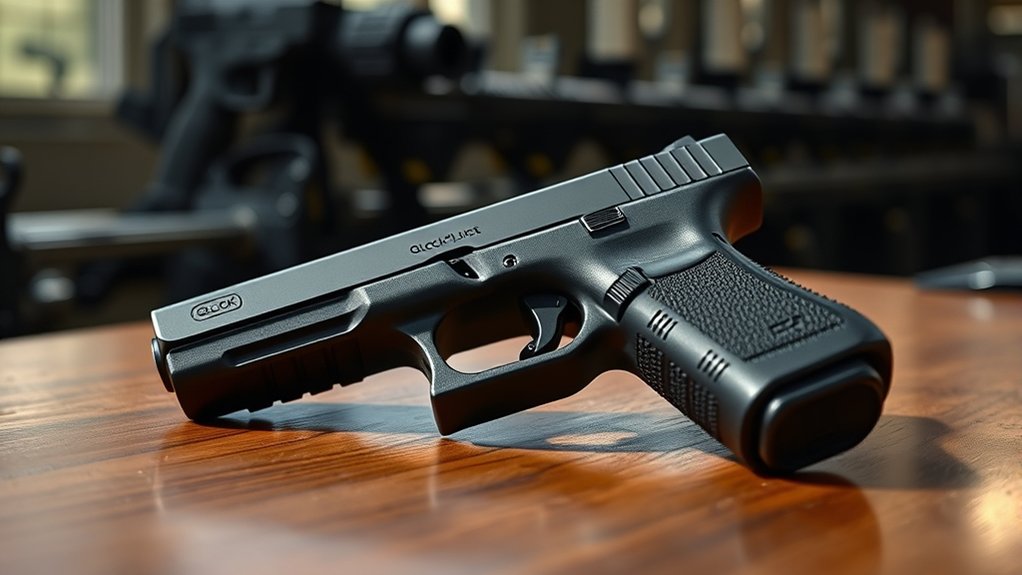
Although Glock has long been known for its popular models like the G17, G19, and G22, the company may soon stop producing these.
This is mainly because of increasing legal and regulatory pressures. Laws are changing, especially in states that ban firearms that could be easily converted to automatic.
Glock is reconsidering its product lineup to keep up with these new rules. Discontinuing certain models helps the company focus on newer designs, like the Glock V Series.
These newer models are better suited to meet current safety standards and regulatory requirements.
This move also helps Glock simplify its manufacturing process. It’s a strategic way to reduce the risk of illegal modifications, such as switch devices.
By narrowing its product options, Glock can better ensure its guns are compliant with the law.
Which Glock Models Are Reportedly Being Phased Out
So, it looks like Glock is winding down over two dozen of their models. That includes some pretty popular ones from the Gen 4 and Gen 5 lines, like the Glock 17 MOS and Glock 19 Gen 4.
It’s not just about duty pistols either—this phase-out also covers compact, subcompact, and competition models.
Many of these are being replaced by the new Glock V Series, which comes with updated tech and features.
If you’re curious about which models are still in production and how Glock is reshaping its lineup, it definitely helps to understand their strategic move in the market.
Discontinued Glock Models
As Glock prepares to streamline its product lineup, it plans to discontinue over two dozen models by November 2025. This includes key Gen 4 and Gen 5 versions of the G17, G19, G22, and G30.
These discontinued models span a wide range, from duty pistols to compact, subcompact, and long-slide competition variants. Both MOS and non-MOS configurations within the Gen 4 and Gen 5 series are affected.
This phase-out is part of Glock’s strategy to refine its offerings ahead of introducing the new V Series.
While many legacy models will cease production, some popular pistols like the Glock 43, 43X, and 48 will continue to be available.
The goal here is to optimize Glock’s product lineup for efficiency and market relevance.
Remaining Production Lineup
Glock’s plan to discontinue over two dozen models will directly impact a wide range of its lineup. This includes popular variants like the Glock 17 Gen 4 and Glock 19 Gen 5.
The move covers models such as the Glock 23 MOS, Glock 27 Gen 4, and Glock 30S, all of which are being phased out. Despite this, Glock confirms that some models will remain in production. These include the Glock 43, 43X, and 48.
Glock is streamlining its product lineup by focusing on fewer, more strategically important models.
The discontinued models span multiple calibers and sizes, from full-size to subcompact pistols.
This effort helps Glock optimize manufacturing and inventory management. It also prepares the company for new offerings in the future.
Model Replacement Strategy
While many popular Glock models like the 17, 19, 22, and 30 are being phased out, it’s important to know they’re being replaced by the new “V” series pistols. These new models feature advanced anti-switch technology to prevent automatic conversion.
Glock has decided to discontinue nearly two dozen pistol models. The goal here is to streamline their product lineup and ensure better legal compliance. The model replacement strategy mainly targets variants that have been linked to modification controversies.
This move helps Glock standardize its manufacturing processes. The V series, starting with models like the V17 and V19, includes enhanced safety features. These improvements are designed to address the changing landscape of firearm legislation.
How California Laws Are Influencing Glock’s Product Changes
So, you’ve probably noticed that California’s Assembly Bill 1127 is really making waves for Glock. Basically, it bans Glock handguns that have cruciform trigger bars, which means Glock has had to make some pretty quick changes to their products.
The law considers switch devices to be illegal machine guns, and that’s a big deal. In response, Glock has started adding anti-switch technology to their guns to stay on the right side of the law.
Because of these legal hurdles, Glock is also making the tough call to stop producing some models altogether and tweak others so they can still sell in California.
California’s Ban Impact
Because California recently enacted Assembly Bill 1127, which prohibits the sale or transfer of handguns with cruciform trigger bars—a design feature found in many Glock models—manufacturers like Glock have had to make changes to their product lines.
This California ban directly affects Glock’s strategy. They’re discontinuing certain models that no longer meet the new legal requirements.
The law also targets firearm modifications, especially banning switch devices that turn semi-automatic pistols into automatic weapons. This increases restrictions on what can be sold and used.
As a result, Glock is focusing on developing and promoting models less likely to be illegally modified. They want to stay compliant with the law while still offering options to their customers.
This shift in Glock’s product lineup reflects their response not only to current legislation but also to the anticipated future regulations. They aim to ensure their firearms meet California’s strict regulatory environment and reduce the risk of prohibited modifications.
Legal Challenges and Responses
How are California’s strict firearm laws shaping Glock’s product strategy? The passage of AB 1127 has pushed Glock to change its designs to stay compliant.
Here’s how legal challenges and legislation are driving these changes:
AB 1127 bans handguns with cruciform trigger bars. It specifically targets modifications that enable automatic firearms.
The law also classifies switch devices that convert semi-automatic guns into fully automatic ones as illegal machine guns.
There are ongoing lawsuits claiming that AB 1127 infringes on Second Amendment rights. This creates persistent legal hurdles for Glock and others.
In response, Glock is introducing models with anti-switch technology. These are designed to prevent illegal modifications and ensure compliance with the law.
How Lawsuits Are Challenging Glock Over Auto-Conversion Switches
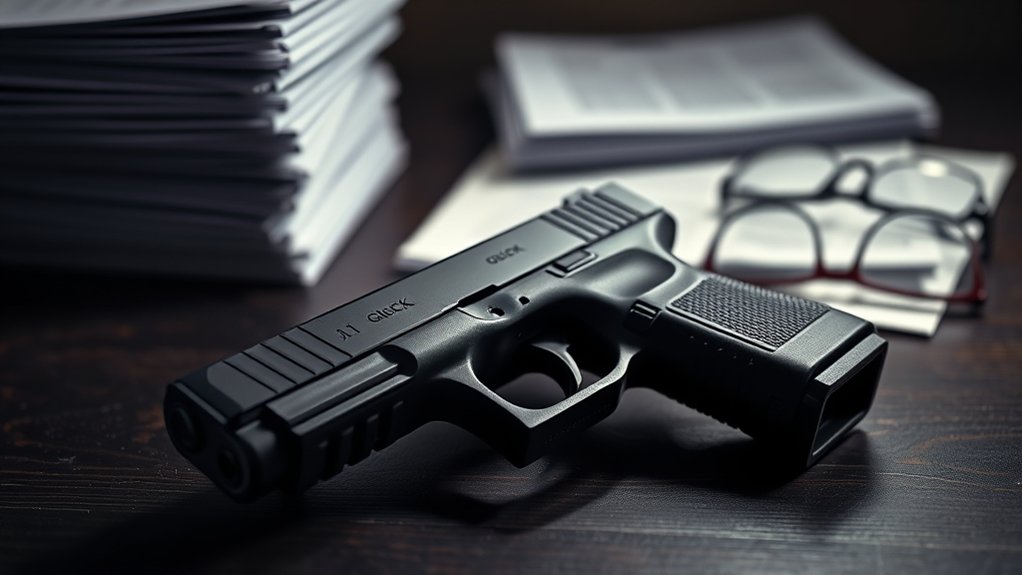
Although Glock hasn’t directly manufactured auto-conversion switches, lawsuits claim that their semi-automatic pistols are vulnerable to modification with these devices. These switches can turn a semi-automatic firearm into a fully automatic one.
Lawsuits allege Glock pistols can be modified into fully automatic firearms using conversion switches.
The legal challenges focus on Glock’s role in producing firearms that can be altered with auto-sear modifications. These modifications enable illegal fully automatic firing, which is a big concern for public safety.
California’s Assembly Bill 1127 bans handguns with cruciform trigger bars, which are often used in auto-sear conversions. This reflects how firearm regulations are evolving to address these issues.
In 2023, the ATF seized over 4,500 auto-conversion switches. This shows how widespread their illegal use has become.
Lawsuits in places like New Jersey, Chicago, and Minnesota argue that Glock’s products help facilitate the spread of illegally converted firearms. Courts allowing these cases highlight concerns about public safety and Glock’s indirect role in these modifications.
All of this has increased scrutiny on Glock, especially as regulators continue to tighten restrictions.
How the New Glock V Series Replaces Older Models
As Glock prepares to launch the V Series in December 2025, you’ll notice a more streamlined lineup. This new series is designed to replace many of the older, discontinued models.
The goal here is to simplify the product lineup while still adding important safety features. The V Series introduces anti-switch technology to prevent automatic conversions, which addresses previous safety concerns.
Initially, the lineup will exclude modular optics system (MOS) options. Instead, the focus is on core functionality and user safety.
Variants like the V17, V19, V43, V43X, and V48 will replace their Gen 4 and Gen 5 predecessors.
Glock plans to phase in the V Series gradually, aiming for full availability by mid-2026.
This move reflects Glock’s commitment to innovation. It also involves discontinuing redundant models for better efficiency.
What Glock’s New Strategy Means for Gun Innovation
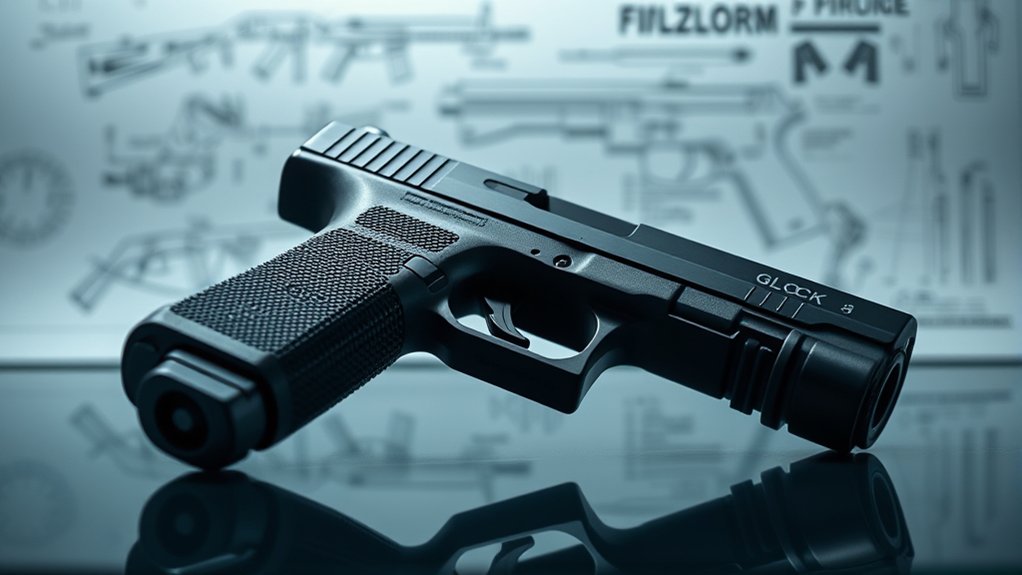
By streamlining its product lineup and introducing the V Series, Glock is setting itself up for faster innovation and better manufacturing efficiency.
Discontinuing older models helps reduce SKU complexity, so Glock can focus its resources on developing more advanced firearm technologies.
The V Series includes anti-switch features that are designed to prevent illegal automatic conversions. This directly addresses recent legal changes and compliance needs, like California’s restrictions on convertible firearms.
This strategic move allows Glock to align its designs with evolving regulations. It helps improve safety and makes it easier to adapt to new legal standards.
As a result, you’ll see quicker integration of compliant features and more refined engineering across Glock’s lineup.
What Gun Owners Should Know About Discontinued Glock Models
When Glock discontinues nearly two dozen popular models, including key Gen 4 and Gen 5 variants like the Glock 17, 19, and 22, it’s important to understand how this impacts you.
Availability of these models will decline, which could make them harder to find. This might even drive up their market value over time.
But don’t worry—discontinued Glock models will still get parts and service support. That means maintenance remains manageable even if your model isn’t in production anymore.
Glock’s move to focus on the new V series is about staying compliant with changing laws. It also helps prevent illegal modifications, keeping things safer for everyone.
Some models like the Glock 43, 43X, and 48 will stay in production. So, current users still have options to choose from.
Knowing these changes helps you manage your Glock ownership better and stay prepared for the future.
Frequently Asked Questions
Where Can I Find Discontinued Glock Models for Purchase?
You can find discontinued Glock models through select firearm retailers and specialty shops that stock rare collectibles and limited editions. Online marketplaces like GunBroker and Armslist often list vintage firearms with historical significance. These sites are great for finding pieces that appeal to collectors.
Acting quickly is essential because exclusive releases and rare models tend to sell fast. Checking with authorized distributors and visiting gun shows can also give you access to these hard-to-find firearms. This way, you’re more likely to come across the Glock model you’re after.
If you’re patient and keep an eye out, you might just find that discontinued Glock model you’ve been searching for.
Will Glock Provide Parts Support for Discontinued Models?
Yes, Glock guarantees parts availability and manufacturer support for discontinued models well into the 2040s.
You’ll benefit from warranty coverage, repair services, and complete technical documentation. This ensures reliable maintenance without any hassle.
Spare parts sourcing remains efficient thanks to Glock’s extensive inventory. Even if the model is no longer in production, getting the parts you need won’t be a problem.
Plus, aftermarket accessories continue to support these models. So, maintaining your firearm’s performance or functionality is straightforward, even after discontinuation.
How Will Discontinuation Affect Glock’s Resale Value?
You’ll see market value skyrocket like a rocket when Glock discontinues models, driven by collector interest and demand shifts. Resale trends show pricing fluctuations between 10-30%, with older models gaining investment potential instead of depreciation rates.
Limited supply fuels competition, pushing prices up. If you’re tracking resale trends, these discontinuations create prime opportunities. Demand often outpaces availability, making your Glock a rare gem rather than a depreciating asset.
Are There Alternatives to the Discontinued Glock Models?
You’ll find alternative models like the Glock 43X and 48 still available. They offer a wide range of accessory options and custom modifications, so you can personalize your firearm.
These models are available internationally and come with Glock’s dependable warranty coverage. Manufacturing locations ensure consistent quality, giving you peace of mind.
User reviews often mention their reliability, which is on par with the discontinued models.
Plus, brands like SIG Sauer and Smith & Wesson also provide similar options.
This gives you more choices beyond Glock’s lineup without sacrificing performance or support.
How Can I Verify if a Glock Model Is Officially Discontinued?
You might think verifying a Glock model’s discontinuation is as simple as reading tea leaves, but it’s not. Instead, check the manufacturer history and production timelines directly from Glock’s official sources.
Analyze market trends and model variations alongside consumer opinions to spot shifts.
Don’t overlook industry regulations and licensing issues that could affect availability.
Always rely on official announcements and authorized dealers to confirm if a model’s truly discontinued—not just rumors.
This way, you get accurate and trustworthy information about the status of any Glock model.
Conclusion
You should know that Glock’s decision to discontinue certain models is a response to changing legal pressures and market demands.
Over 40% of their traditional lineup is being phased out or replaced by the new V Series. This indicates a major shift in their design approach and focus on compliance.
As a result, you’ll notice fewer legacy models available. Glock is prioritizing innovation and stricter regulations, which impacts both collectors and everyday users in the firearms community.