How To Start A Shooting Range Business – Complete Startup Guide
To start a shooting range business, first research your local market and target audience to spot demand and gaps. Secure all federal, state, and local licenses, including an FFL, and guarantee compliance with safety and zoning laws.
Choose a compliant, accessible location with proper safety design. Estimate startup costs carefully and create a solid business plan. Implement strict safety protocols and hire trained staff.
Keep exploring to uncover strategies for successful promotion and operations.
Research the Shooting Range Market and Identify Your Audience

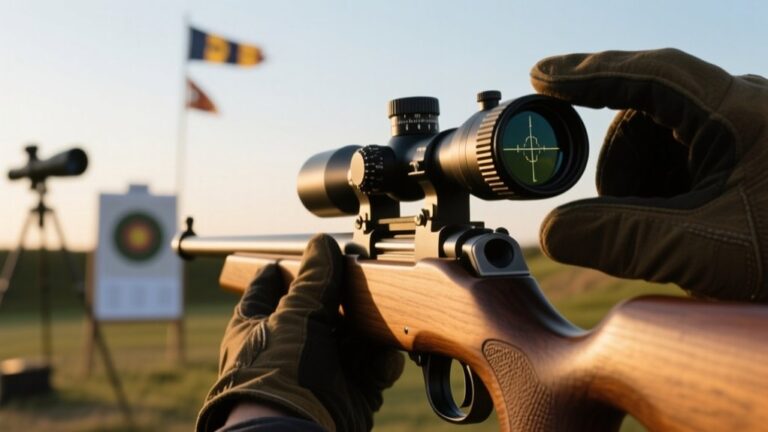
Before you open your shooting range business, you need to research the market and identify your audience. Start by analyzing the demographics in your area to pinpoint your target audience, including recreational shooters, competitive shooters, and local authorities.
Assess how far potential customers travel to existing ranges to understand demand and competition. Investigate current services provided, pricing structures, and customer feedback at these ranges to find market gaps you can fill.
Use resources from the National Shooting Sports Foundation to stay informed about industry trends and consumer preferences.
Considering family-friendly options can broaden your appeal and boost profitability.
Solid market research guarantees your range meets real needs, attracting diverse shooters while positioning you for success in a competitive market.
Secure Licenses and Ensure Shooting Range Compliance
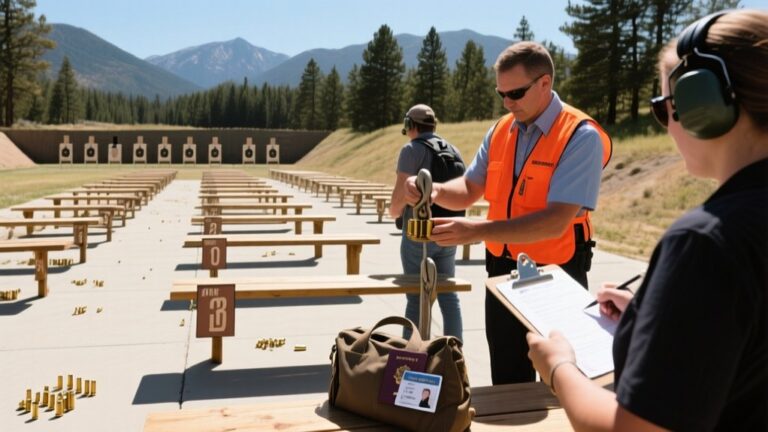
After understanding your market and audience, your next step is to secure the necessary licenses and confirm your shooting range complies with all regulations. Obtain a Federal Firearms License (FFL) if you plan to sell or rent firearms, making sure you pass the required background check and federal compliance.
Next, secure state and local permits, including zoning laws approval and business licenses. Adhere to OSHA guidelines on lead exposure and noise control to protect health and maintain compliance.
Obtain state and local permits, ensure zoning approval, and follow OSHA rules for safety and compliance.
Implement strict safety protocols and emergency procedures, and confirm your staff completes training courses to uphold industry standards.
Regularly review insurance coverage and operational practices to stay current with evolving regulations.
This thorough approach will help your shooting range operate safely and legally.
Select Location and Design Your Shooting Range
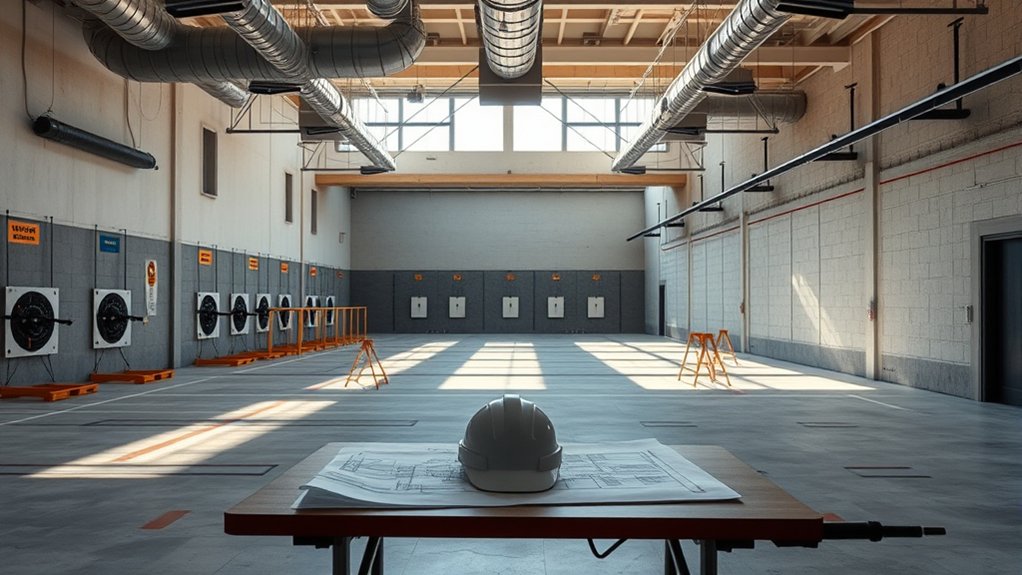
Choosing the right location is essential for your shooting range’s success. When you select a location, start by checking zoning laws to verify compliance with local regulations. Prioritize accessibility and visibility to draw customers from urban centers or busy areas.
Make sure the land size suits required shooting distances and safety buffers. Your shooting range design must incorporate safety features like ballistic containment systems and soundproofing to minimize noise. Collaborate with specialists to optimize layout and enhance customer flow.
| Factor | Key Considerations |
|---|---|
| Zoning Laws | Compliance with local rules |
| Accessibility & Visibility | Near urban/high-traffic areas |
| Shooting Distances | Adequate space and buffers |
| Safety Features | Ballistic containment, soundproofing |
Estimate Startup Costs and Develop Your Business Plan
Once you’ve selected your location and designed your shooting range, it’s time to estimate startup costs and develop a solid business plan.
Startup costs can range from $2 million to over $20 million, influenced by land acquisition, construction, indoor ranges, and equipment like firearms, ammunition, and targets.
You’ll need to factor in zoning laws and secure a Federal Firearms License (FFL) to operate legally.
Your thorough business plan should include revenue projections from memberships, rentals, and training courses to guarantee profitability.
Don’t forget safety measures and liability insurance, which are critical for protecting your investment.
Implement Shooting Range Safety Protocols and Hire Qualified Staff
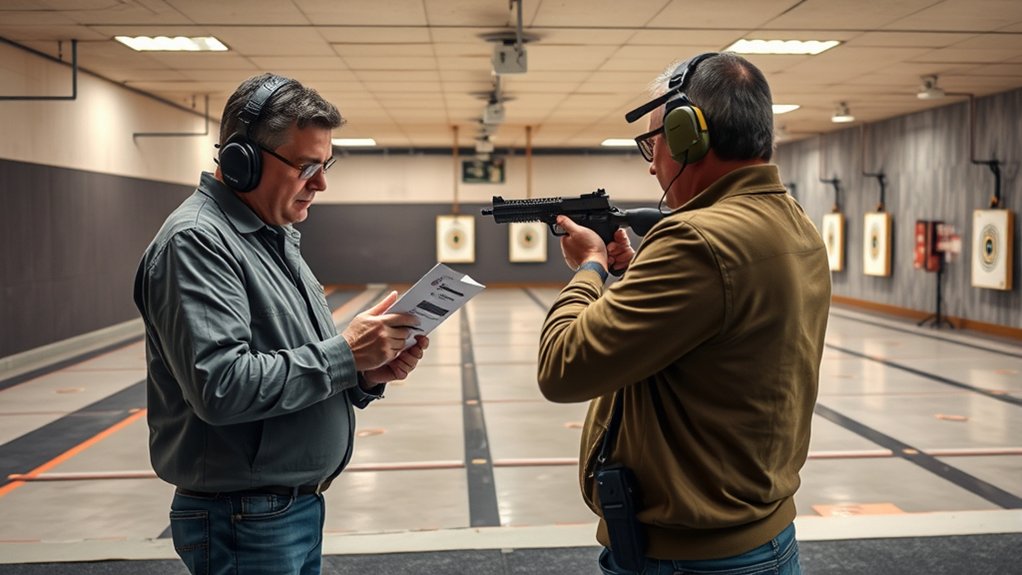
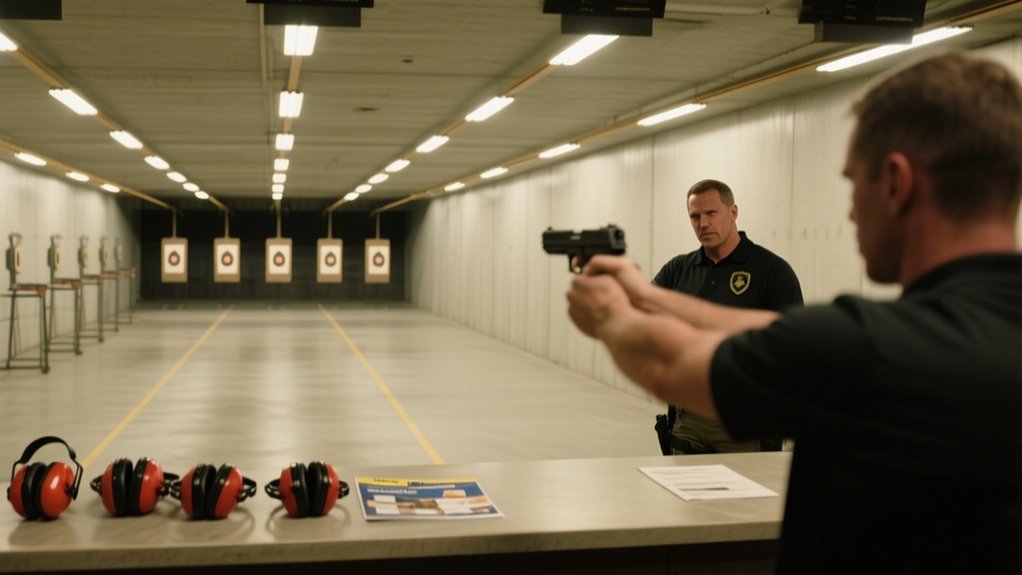
Prioritize safety by establishing clear protocols and hiring qualified staff who can enforce them effectively. Implement thorough safety protocols that include mandatory safety briefings to educate every customer on firearms safety before they use the range.
Employ certified Range Safety Officers trained in range operation, emergency procedures, and regulatory standards to maintain a secure environment. Guarantee clear safety signage is visible throughout your facility to remind patrons of essential rules.
Certified Range Safety Officers and visible safety signage ensure a secure and well-regulated shooting environment.
Maintain all equipment regularly to prevent malfunctions.
Key elements to focus on include:
- Mandatory safety briefings for all users
- Certified Range Safety Officers on duty
- Clear safety signage throughout the range
- Regular training sessions for staff
- Systematic equipment maintenance and inspections
These steps guarantee your shooting range runs safely and meets all regulatory standards.
Promote Your Shooting Range With Reservation Software
Although running a shooting range involves many moving parts, using reservation software can streamline your booking process and enhance customer satisfaction. This software lets customers view available slots, make secure transactions, and receive automated reminders. These features boost customer engagement and minimize wait times.
You’ll also optimize staffing and improve operational efficiency by analyzing usage patterns. This ensures a smooth check-in process that attracts more customers.
| Benefit | Impact |
|---|---|
| Enhance User Experience | Easy booking, fewer delays |
| Optimize Staffing | Right resources at the right time |
| Secure Transactions | Safe, seamless payments |
Frequently Asked Questions
What Types of Insurance Are Essential for a Shooting Range Business?
You’ll need liability insurance, including general and premises liability, to protect against injury or property damage claims.
Property insurance covers your building and equipment, while workers’ compensation provides employee coverage for job-related injuries.
Don’t forget product liability if you sell firearms or gear.
Cybersecurity insurance safeguards your data, and an umbrella policy offers extra protection beyond basic limits.
Equipment insurance guarantees your valuable gear stays protected, keeping your range secure from all angles.
How Can I Incorporate Training Classes Into My Shooting Range Offerings?
Did you know 78% of shooting range customers prefer ranges offering training programs? To incorporate classes, focus on instructor certification and strict safety protocols to build trust.
Schedule diverse sessions like target shooting, advanced techniques, youth programs, and group sessions to attract various skill levels.
Use customer feedback to refine offerings, and apply marketing strategies like social media and partnerships to boost enrollment.
This approach guarantees your range stays competitive and appealing.
What Are the Best Practices for Environmental Noise Control at Shooting Ranges?
You should use soundproof materials like acoustic panels and noise barriers to reduce environmental impact effectively.
Design your range with strategic spacing and orientation to minimize noise.
Stay compliant with zoning regulations and legal requirements by regularly maintaining equipment and monitoring noise levels.
Implement safety protocols and engage with the community to foster goodwill, ensuring your range operates smoothly while respecting neighbors and local authorities.
How Do I Handle Firearm Rentals and Liability Waivers?
Think of firearm rentals and liability waivers as the sturdy armor shielding your range. You’ll craft clear waiver forms outlining risks, responsibilities, and rental policies, ensuring legal compliance and liability coverage.
Enforce age restrictions, require valid IDs, and provide thorough customer education on firearm safety and range rules.
Maintain equipment meticulously to prevent malfunctions.
This approach, paired with solid insurance requirements, keeps your business protected and your customers safe.
What Technology Can Enhance Customer Experience Beyond Reservation Software?
You can boost customer experience by integrating Virtual Reality for immersive training and Interactive Displays that engage users.
Use Mobile Apps for easy booking, Loyalty Programs, and Membership Options to keep clients coming back.
Employ Customer Feedback tools and Real-time Analytics to improve services continuously.
Enhance Safety Features and host events to build community.
Don’t forget Social Media to share updates and promote Event Hosting, making your range a vibrant, connected hub.
Conclusion
Starting a shooting range business isn’t just about guns and targets; it’s about careful planning and safety, much like a knight preparing for battle. By researching your market, securing licenses, choosing the right location, and hiring qualified staff, you set yourself up for success.
Don’t forget to promote your range with modern tools like reservation software. Follow these steps, and you’ll be ready to hit your business goals bullseye in no time!