Are Shooting Ranges Safe – Safety Rules And Practices
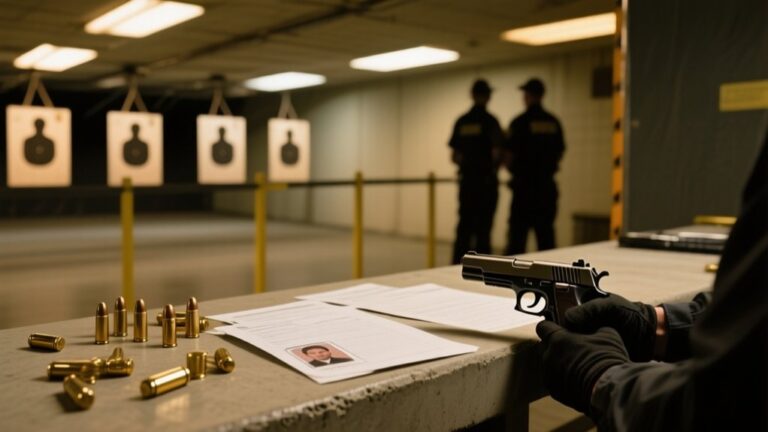
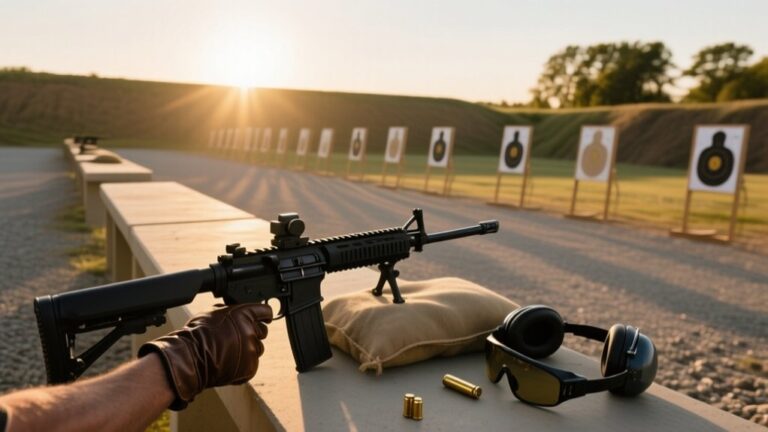
Shooting ranges are safe when you follow strict rules and stay alert. Always treat every firearm as loaded, keep your finger off the trigger until ready, and point the muzzle in a safe direction.
Wear proper eye and ear protection, obey commands from range officers, and identify your target plus what lies beyond it. Pay attention to your surroundings and handle malfunctions calmly.
Stick to these practices, and you’ll keep yourself and others protected while at the range. There’s plenty more to understand about safe shooting habits.
The Most Important Firearm Safety Rules at Shooting Ranges
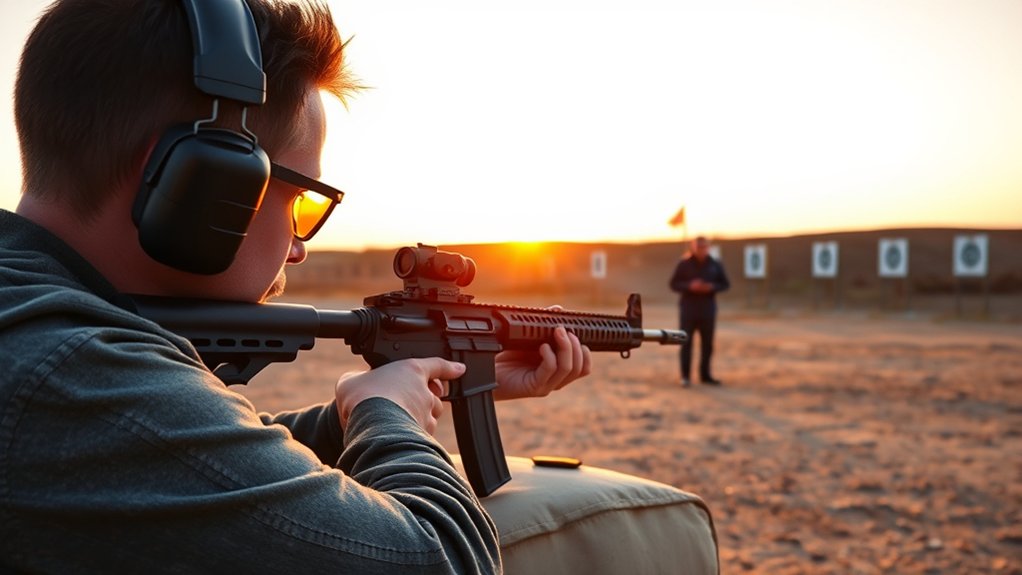
Always treat every firearm as if it’s loaded, and keep the muzzle pointed in a safe direction to prevent accidents. Practicing good firearm safety means keeping your finger off the trigger until you’re ready to shoot. This simple habit reduces unintentional firing considerably.
You also need to be aware of your target and what lies beyond it, since bullets can travel great distances, like a .22 caliber bullet exceeding 1.25 miles.
Always identify your target and what’s beyond to ensure safe shooting distances.
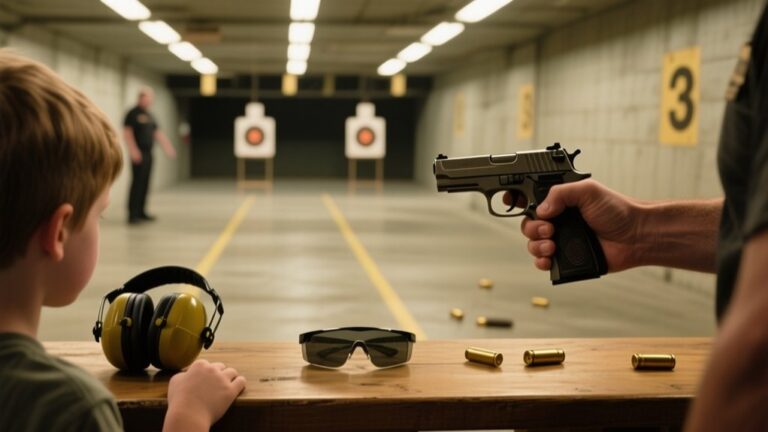
For your protection, always wear proper eye and ear protection to guard against noise and debris, making this a core part of shooting safety.
Finally, respect range safety by following all commands from range safety officers and posted rules. These essential steps help guarantee a safe environment for everyone at the range.
Key Safety Features That Make Shooting Ranges Safe
Shooting ranges use several built-in safety features to keep you protected while you practice. They’re designed with backstops and containment systems that prevent bullets from leaving the shooting area, ensuring a controlled environment.
When you’re at the firing line, strict safety protocols guide your actions, such as mandatory cease-fire commands, so firearms are only handled safely. You’ll always wear protective gear like eye and ear protection, reducing risks from noise and debris.
Plus, trained personnel, including Range Safety Officers, monitor activities closely, enforce rules, and assist whenever needed.
Regular maintenance and inspections guarantee that all safety equipment functions properly.
These combined features create a secure space where you can focus on improving your skills without unnecessary risks.
Applying the 180-Degree Rule for Muzzle Control
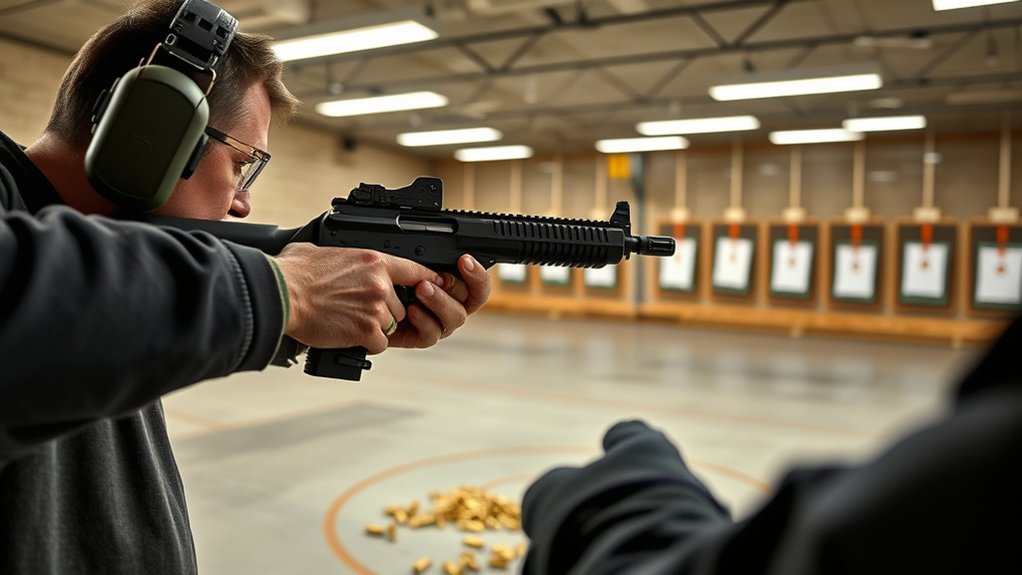
You need to keep your firearm pointed within a 180-degree arc in front of you to guarantee safe muzzle direction. This simple rule helps prevent crossfire hazards and keeps everyone on the range protected.
So, how do you make sure you’re following it right? It’s all about being aware of where your muzzle is at all times. By staying conscious of this 180-degree space, you reduce the risk of accidentally pointing your gun in an unsafe direction.
Every time you shoot, take a quick mental check: Is my muzzle still within that safe arc? If yes, you’re good to go. If not, adjust your position or angle before firing.
It’s an easy habit that makes a big difference in safety.
Understanding The 180-Degree Rule
When handling firearms on the range, it’s essential to keep the muzzle pointed within a designated 180-degree arc in front of you. This 180-Degree Rule guarantees your firearm always faces a safe direction, minimizing the risk of accidents.
To practice proper muzzle control, remember to:
- Always keep the muzzle within the half-circle ahead of you.
- Avoid pointing the firearm behind or to the sides.
- Be aware of your surroundings and adjust your position carefully.
- Follow instructions from Range Safety Officers to maintain firearms safety.
Safe Muzzle Direction Practices
Mastering the 180-Degree Rule means keeping your muzzle pointed safely downrange at all times. When handling firearms, you must always keep the muzzle within the designated half-circle in front of you to prevent it from pointing behind or at unsafe targets. This simple practice drastically reduces the risk of accidents.
Never rest the muzzle on any part of your body, like your feet or toes, to avoid injury from a negligent discharge. When moving, stay vigilant and control the muzzle direction to maintain a safe environment for yourself and others.
Preventing Crossfire Hazards
Although it might seem straightforward, applying the 180-degree rule is essential to preventing crossfire hazards on the range. This rule keeps your muzzle pointed within a designated half-circle in front of you, reducing risks for everyone.
To stay safe and maintain proper muzzle control, remember to always keep your firearm within the 180-degree arc. Be aware of your muzzle’s direction at all times.
Avoid pointing your firearm near other shooters or bystanders.
Also, follow instructions from Range Safety Officers enforcing the rule.
Common Ammunition and Firearm Restrictions at Ranges
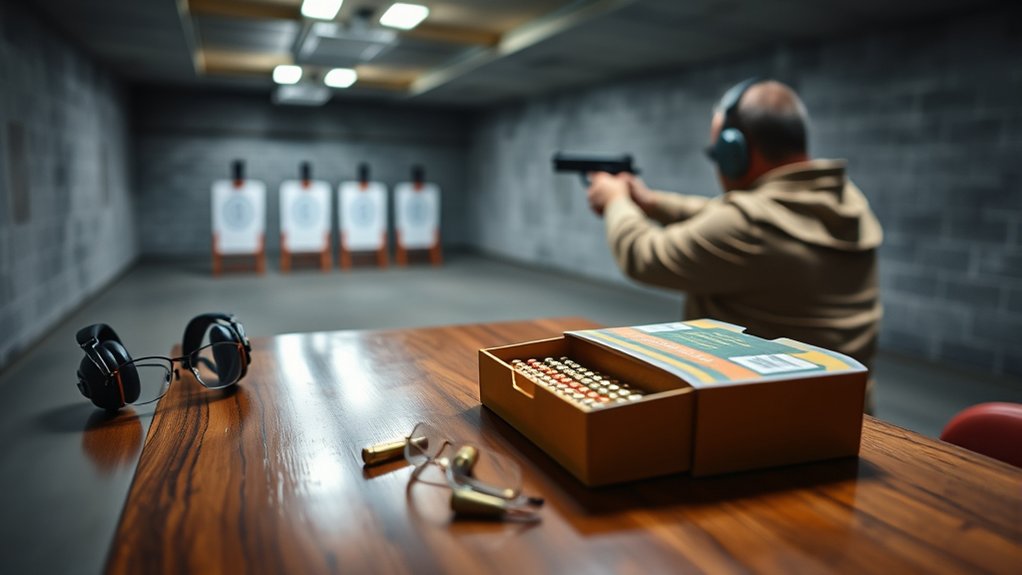
You’ll need to follow specific rules about what ammunition and firearms you can use at the range. For example, certain ammo types, like steel-core or tracer rounds, are often banned to keep everyone safe and protect the facility.
Also, many ranges limit the types of firearms and firing styles allowed. This helps control noise levels and reduce potential risks.
Ammunition Type Restrictions
Before heading to the range, you should always check which ammunition types are allowed. Many indoor facilities restrict certain rounds to protect equipment and guarantee safety.
Using the wrong ammunition can damage backstops and compromise safety protocols.
Common restrictions include:
- Steel-core ammunition is often banned because it can damage range equipment.
- Birdshot is prohibited due to excessive debris and increased safety risks.
- Many indoor ranges limit firearms to handguns, restricting long guns to reduce noise and hazards.
- Rapid fire or “mag dumps” are usually disallowed to maintain control and safety.
Always verify with your shooting range beforehand.
Following these ammunition type restrictions helps maintain a safe environment for you and others while protecting the facility’s firearms and equipment.
Firearm Usage Limitations
When you head to a shooting range, understanding firearm usage limitations is crucial for your safety and the facility’s upkeep. Many ranges restrict certain ammunition types like birdshot, tracer rounds, and steel-core ammo because they can damage backstops or create unsafe conditions.
You’ll often find that long guns face limitations indoors to reduce noise and enhance safety.
Never engage in rapid fire or “mag dumps,” as these violate safety rules and risk loss of control over a loaded firearm. Always follow the specific range’s firearms handling protocols and verify which ammunition types are allowed before shooting.
Adhering to these firearm usage limitations guarantees a safer environment for everyone and helps maintain the range in good condition for future users.
Using Eye and Ear Protection Correctly on the Range
Three essential pieces of gear you must never skip on the range are your eye and ear protection. Proper use of these safeguards is crucial for gun safety and your well-being at the shooting range.
Here’s how to use them correctly:
- Wear quality eye protection like safety glasses to shield your eyes from flying debris and spent casings.
- Use effective ear protection, preferably electronic earmuffs, to block harmful noise while allowing conversation.
- Confirm both your eye and ear protection fit well and are in good condition before each session.
- Regularly clean and inspect your gear to maintain its protective quality and encourage everyone at the range to do the same.
Following these steps keeps you safe and preserves your hearing for future shooting sessions.
Choosing Safe and Approved Targets for Practice
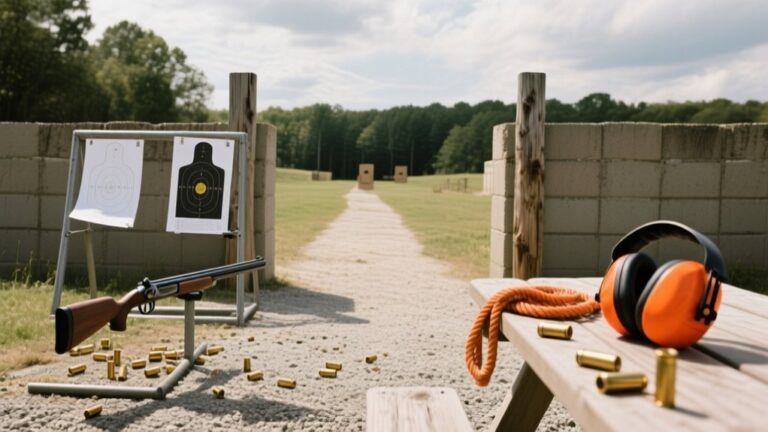
Although picking targets might seem straightforward, choosing safe and approved ones is critical for your safety and the range’s rules. Always select targets specifically approved by the range, like paper or steel targets, to guarantee compliance and reduce risks.
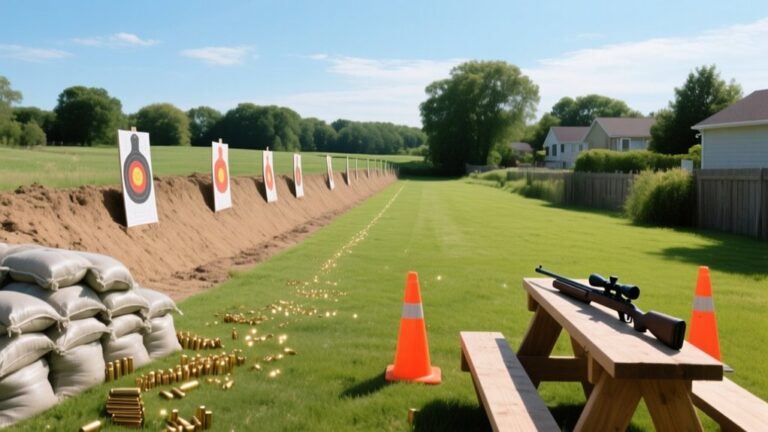
Avoid using unsafe items such as old electronics, glass, or food since they can cause hazards and attract pests outdoors. Make sure every target is placed in front of a proper backstop to prevent ricochets and stray bullets from endangering others.
Familiarize yourself with your range’s target restrictions because some materials may be prohibited due to damage or environmental concerns.
Finally, clean up used targets and trash in designated receptacles to maintain a safe, respectful shooting environment for everyone.
Why You Should Listen to Range Safety Officers
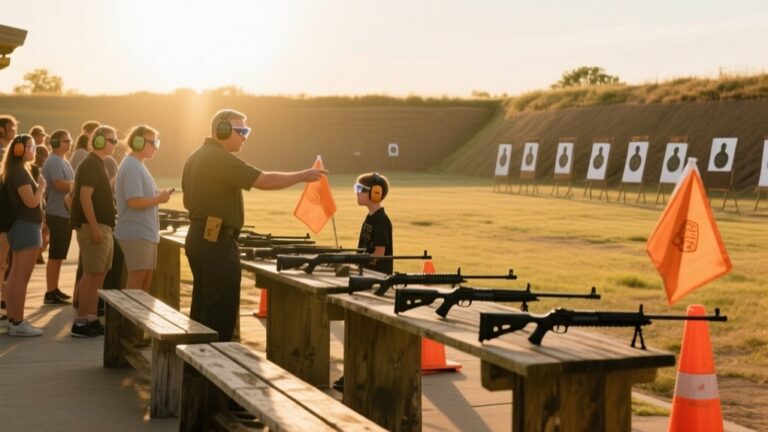
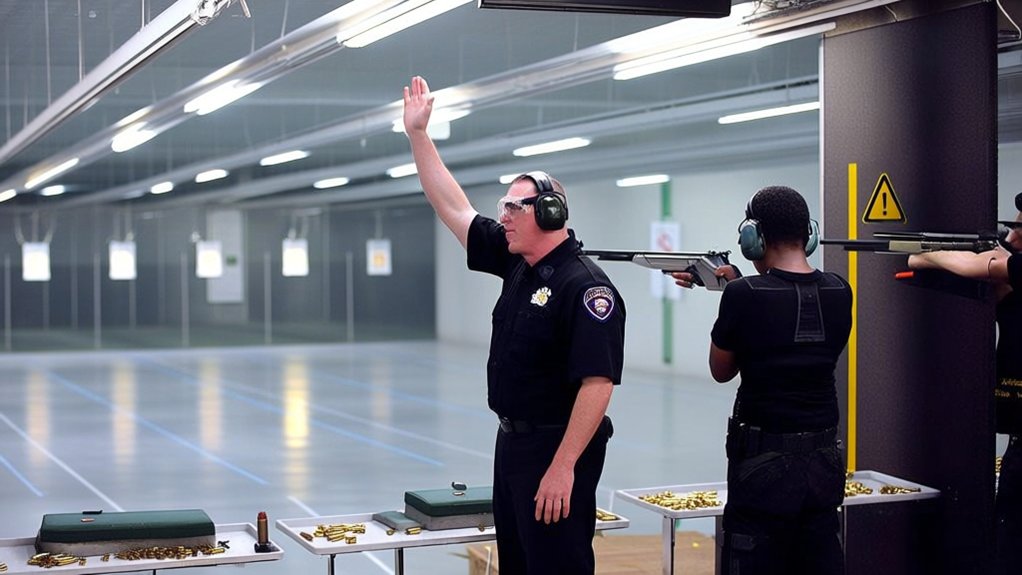
Listening to Range Safety Officers (RSOs) is one of the simplest ways you can protect yourself and others at the shooting range. These trained professionals enforce safety rules and guide you on proper firearm handling to prevent accidents.
When you listen carefully, you help keep the environment secure. Here’s why you should always follow their instructions:
- RSOs monitor your compliance with safety rules like the 180-degree rule.
- They provide immediate guidance to prevent negligent discharges.
- RSOs issue critical commands, including “cease fire,” to address unsafe conditions.
- Following their directions fosters a culture of respect and responsibility among all shooters.
Maintaining Discipline and Situational Awareness While Shooting
You need to stay focused and follow every range command to keep yourself and others safe.
It’s really important to pay close attention to your surroundings so you can spot any potential hazards before they turn into problems.
Keeping your discipline and awareness sharp is honestly your best defense against accidents on the range.
Importance Of Focus
When you stay focused while shooting, you greatly reduce the risk of accidents caused by distractions. Your safety depends on maintaining sharp focus and strong situational awareness at all times.
To keep control and prevent negligent discharges, remember to:
- Keep your finger off the trigger until you’re on target and ready to shoot.
- Constantly scan your surroundings, noting other shooters and any potential hazards.
- Follow range protocols strictly, especially when others are downrange.
- Practice regularly to reinforce discipline and quick, safe reactions.
Following Range Commands
Although maintaining focus is essential, following range commands is equally important to confirm everyone’s safety. Always wait for the Range Safety Officer’s command to “FIRE” before shooting to guarantee no one is downrange.
When you hear “CEASE FIRE,” stop shooting immediately, open your firearm’s action, and step back from the firing line. Only go downrange after the RSO declares a “COLD Range,” confirming all firearms are unloaded.
Keep an eye on fellow shooters to ensure no one handles firearms while others are downrange. Stick to designated paths when removing targets and respect the one-hour limit for range use.
Following these commands maintains discipline and promotes safety during shooting, protecting you and everyone around you at the range.
Awareness Of Surroundings
Since maintaining discipline is essential at the range, staying aware of your surroundings helps prevent accidents and keeps everyone safe. You must always keep your finger off the trigger until you’re ready to shoot and never handle firearms when people are downrange.
Here’s how to maintain awareness effectively:
- Regularly scan your environment to spot hazards and confirm the range is clear before handling firearms.
- Focus on your target and what’s beyond it to avoid unintended damage or injury.
- Obey all safety commands from Range Safety Officers, stopping immediately during a cease-fire and securing your firearm.
- Verify your backstop is a safe place to avoid ricochets by not shooting at hard surfaces.
Discipline and situational awareness go hand in hand to keep the range safe.
What to Do If Your Firearm Malfunctions on the Range
Encountering a firearm malfunction on the range can be unsettling, but staying calm and following proper safety steps is crucial. Keep the muzzle pointed in a safe direction, and don’t place your face near the breech.
Wait at least 30 seconds to rule out a hangfire before clearing the malfunction. Then, carefully open the action and check the chamber and magazine to make sure the firearm is unloaded.
Always follow the range’s safety protocols and notify the Range Safety Officer if you need help.
| Step | Action |
|---|---|
| 1. Muzzle Control | Keep muzzle pointed safely |
| 2. Wait | Pause 30 seconds for hangfire |
| 3. Inspect | Check chamber and magazine |
| 4. Verify | Confirm firearm is unloaded |
| 5. Notify RSO | Ask for assistance if needed |
How Following Range Rules Protects Everyone’s Safety
When you follow range rules carefully, you help create a safer environment for everyone shooting. These safety rules are designed to keep the safety of all participants front and center.
Here’s how your actions contribute:
- Always wear eye and ear protection to prevent injury from noise and debris.
- Adhere strictly to the 180-Degree Rule, ensuring firearms never point outside the designated safe zone.
- Respect commands like “cease fire” immediately, allowing safe pauses for changing targets or handling issues.
- Avoid prohibited ammunition types indoors to protect the facility and everyone present.
Frequently Asked Questions
How Do Shooting Ranges Manage Noise Levels Outside the Range?
You’ll notice shooting ranges manage noise levels outside by using noise mitigation techniques like soundproofing materials in their walls and ceilings.
They often build natural barriers and employ hearing protection options to reduce impact.
Plus, many ranges run community outreach programs to keep neighbors informed and address concerns.
These combined efforts help keep noise down, ensuring you can enjoy shooting without disturbing the surrounding area.
Are Shooting Ranges Environmentally Friendly?
Yes, you can find environmentally friendly shooting ranges that actively reduce lead contamination through lead reclamation and proper waste management.
They minimize noise pollution with sound barriers and natural backstops, helping protect nearby habitats.
These ranges focus on habitat preservation by limiting environmental impact and using eco-friendly materials.
What Are the Typical Costs Associated With Using a Shooting Range?
Typical costs at a shooting range include range membership fees, which can save you money if you go often.
You’ll also face target rental costs, usually a few dollars per session.
Ammunition prices vary, generally costing between $0.20 and $1.00 per round, depending on the caliber.
If you’re new, safety course fees might apply, ranging from $50 to $100.
Don’t forget potential firearm rental and protective gear expenses.
Can Beginners Rent Firearms at Shooting Ranges?
Yes, you can rent firearms at many shooting ranges. They often have clear firearm rental policies and require you to complete beginner training programs before you shoot.
You’ll also need to follow safety equipment requirements, like wearing eye and ear protection.
Don’t hesitate to ask range staff, who are usually well-qualified, for help selecting the right firearm and understanding safety rules to guarantee you have a safe, enjoyable experience.
How Do Shooting Ranges Handle Emergencies Unrelated to Firearms?
You’ll find shooting ranges handle non-firearm emergencies like pros, ready for anything short of a meteor strike!
Their emergency protocols include thorough staff training and medical readiness, so someone’s always prepared to help.
Clear evacuation procedures guide you safely out if needed, and communication systems alert everyone fast.
This means you’re in good hands, whether it’s a sudden medical issue or another unexpected event.
Conclusion
When you step onto the shooting range, think of safety rules as your trusty shield, guarding you and everyone around. By following the 180-degree rule, wearing your eye and ear armor, and listening closely to Range Safety Officers, you keep the danger at bay like a practiced dance.
Stay sharp, stay disciplined, and treat every click and bang with respect because in this controlled environment, your vigilance is the key that opens a safe, confident shooting experience.