Can You Have A Shooting Range On Your Property – Legal Guide And Tips
You can have a shooting range on your property if you follow local and state laws, including zoning and noise rules. You’ll need 5 to 10 acres with solid backstops like earth berms to stop bullets safely and clear signage to warn others.
Keep neighbors informed and minimize environmental impact by using safer ammo and managing lead. Staying compliant guarantees safety and legal peace of mind.
Keep exploring to uncover key setup tips and safety features for your range.
Legal Basics for Setting Up a Shooting Range
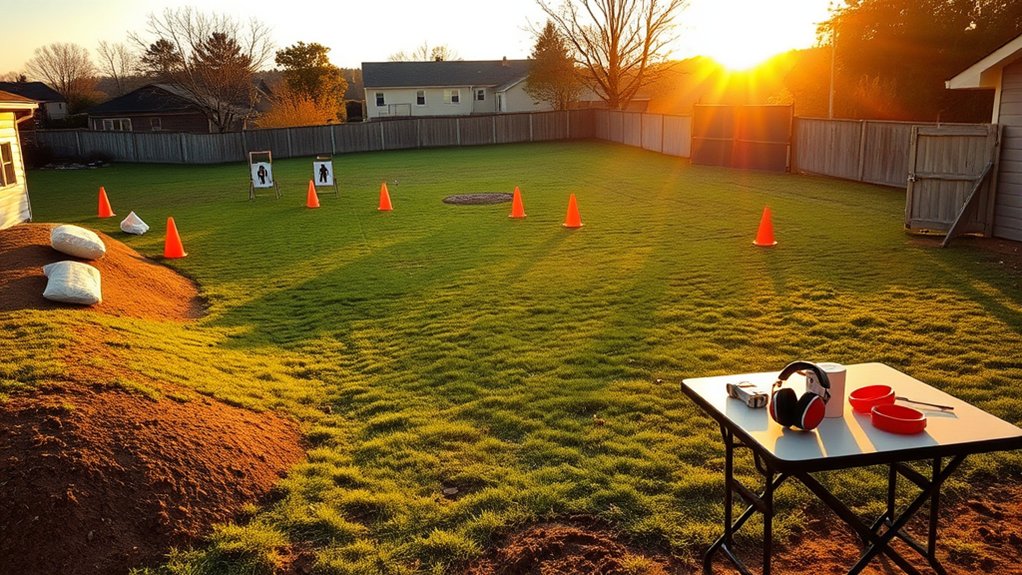
Before setting up a shooting range on your property, you’ll need to understand the legal landscape, which varies widely by state and locality.
Shooting ranges are generally legal in many states like Florida and Texas, but you must follow local rules carefully.
These include having proper backstops and ensuring you don’t discharge firearms over public roads or neighboring properties.
You’ll want to check local ordinances and zoning laws since noise restrictions and safety requirements can differ greatly by township or county.
Adhering to construction guidelines for bullet containment is essential, too.
Finally, it’s a good idea to communicate with your neighbors about your plans to maintain positive relations and address any safety concerns upfront.
Land Requirements for a Safe Shooting Range
Understanding the legal requirements sets the foundation, but you also need to focus on the physical space to keep your shooting range safe.
The land requirements typically call for at least 5 to 10 acres to provide enough room for safe discharging of a firearm and to protect neighboring properties.
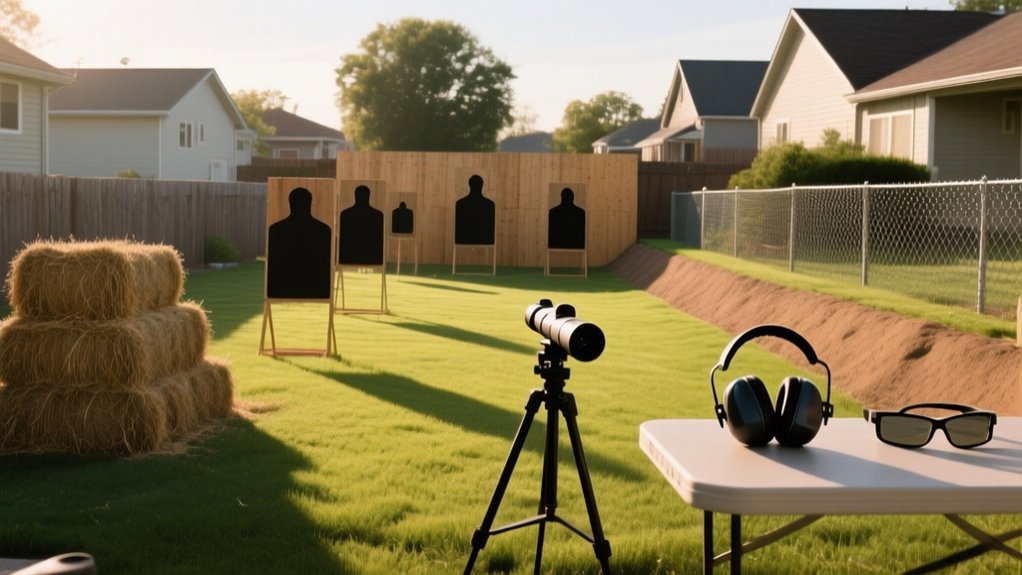
You’ll need a solid backstop made of earth or sand to stop bullets from escaping the range.
Local rules often mandate a buffer zone between your shooting area and nearby roads or buildings to reduce risks.
Confirm you clearly mark the shooting range with visible signs to alert others when firearms are in use.
Regularly maintaining your backstop and target areas guarantees ongoing safety and compliance with regulations.
Key Safety Features to Prevent Stray Bullets
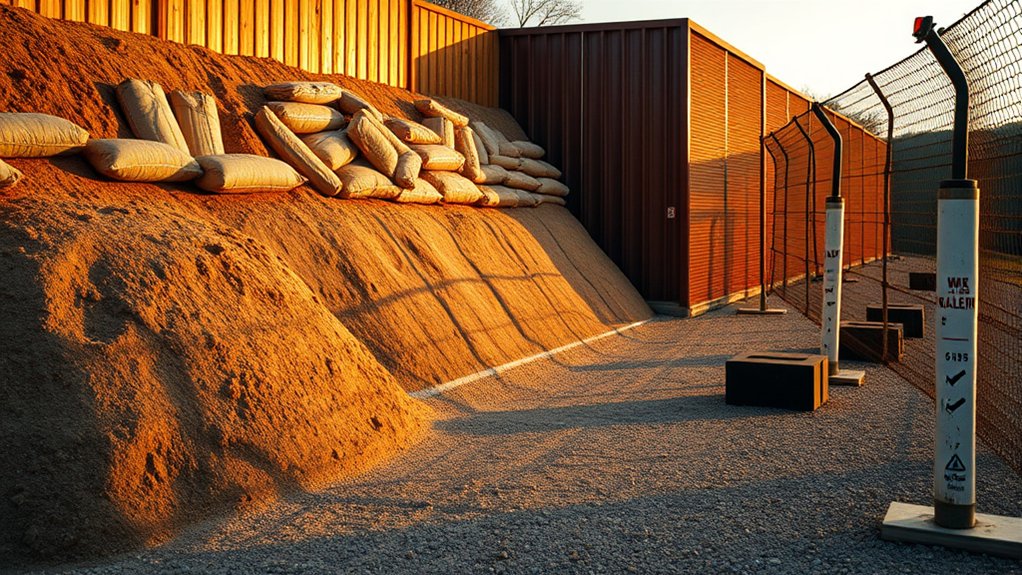
To keep stray bullets from leaving your shooting range, you need a solid backdrop between 20 and 60 feet high that can absorb or stop projectiles safely.
Safety berms and backstops made of earth or sand are your best defense against ricochets and stray shots.
Position your range to take advantage of natural barriers and reduce risk to neighbors.
Don’t forget to maintain and inspect these features regularly to guarantee they stay effective.
Here are three key safety features to focus on:
- Construct safety berms high enough to catch bullets and prevent escape.
- Install sturdy backstops that absorb impacts and minimize ricochet.
- Keep clear, visible signage to warn everyone of active shooting zones.
These measures protect you and your community from danger.
Local and State Regulations for Your Shooting Range
Because local and state regulations for shooting ranges vary widely, you’ll need to check with your local authorities to learn about specific permitting and zoning requirements before setting up your range.
On private land, many states allow backyard ranges if firearms aren’t discharged over public roads or populated areas and noise ordinances are followed.
For example, Texas lets municipalities regulate ranges within city limits, but state law often limits local control over firearm discharge rules.
Most states recommend having at least 5 to 10 acres with proper backstops and clear signage to guarantee safety.
Following these local and state regulations helps you avoid legal trouble and protect neighbors while enjoying your shooting range responsibly on your private land.
Managing Environmental Impact and Neighbor Relations
While setting up your shooting range, you must actively manage its environmental impact and maintain good relations with your neighbors. Minimizing soil contamination, especially near water sources, is critical. You can switch to copper bullets to reduce environmental impact and prevent lead buildup.
Open communication is key to neighbor relations. Inform them about shooting schedules and safety measures.
To keep your shooting range responsible and respectful:
- Hire experts for lead retrieval and regularly assess your range’s environmental footprint.
- Prevent debris from reaching neighboring properties or water sources with proper land management.
- Engage local environmental agencies to guarantee compliance and promote sustainability.
Setting Up and Maintaining Your Shooting Range
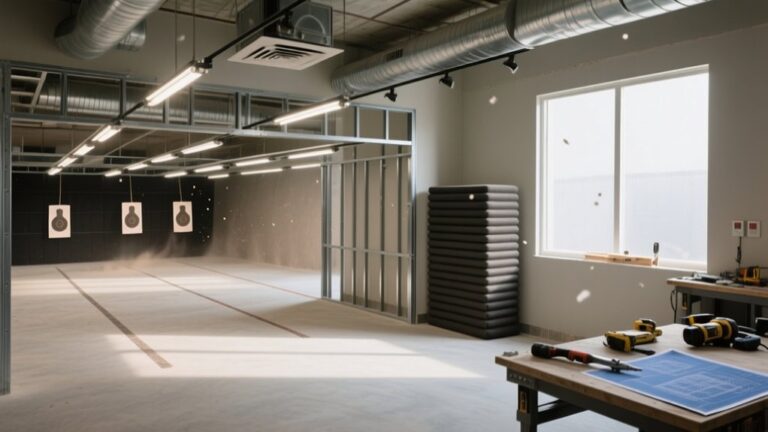
When you’re setting up your shooting range, it’s important to focus on designing a layout that’s both safe and effective.
Make sure you have proper backstops in place and clear signage to keep everyone informed. You’ll also want to follow strict safety protocols to protect yourself and anyone else on your property.
And don’t forget about regular maintenance. Keeping up with it will help your range stay functional and secure over time.
It really makes a difference in the long run.
Range Design Essentials
Setting up a safe and efficient shooting range starts with thoughtful design choices that consider both safety and functionality. When planning your shooting ranges, focus on these range design essentials to create a secure and enjoyable environment:
- Establish a proper backdrop between 20 to 60 feet high to stop ricochets and protect surrounding areas.
- Use at least 40 acres for home ranges, scaling up to 500 acres for long-range setups, ensuring safe distances and target placements.
- Incorporate natural land features like hills or canyons to enhance safety and reduce wind interference.
Regularly maintain your range by inspecting backdrops, berms, and targets.
Consulting experts can help optimize layout orientation for natural light and minimal glare, boosting your shooting experience.
Safety Protocols Implementation
Although designing your range carefully is essential, implementing strong safety protocols is what truly keeps everyone secure.
Start by building a proper backdrop or berm at least 5 feet high and 15 feet wide, using earth, sand, or railroad ties to contain projectiles and prevent ricochets.
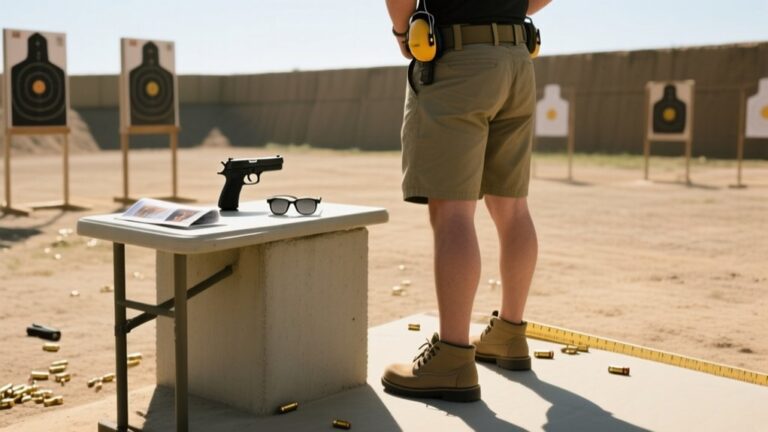
Clearly post safety protocols and range rules, notify visitors of active shooting times, and maintain open communication about safety practices.
Regularly inspect and maintain backstops, target placements, and lane conditions to guarantee ongoing safety.
Use signage to mark active shooting zones, keeping neighbors informed and reducing risks.
Finally, conduct routine safety drills and training, leveraging resources from organizations like the NRA.
These steps guarantee your shooting ranges operate safely and responsibly.
Promoting Responsible Firearm Use at Your Shooting Range
To promote responsible firearm use at your shooting range, you need to establish clear safety protocols and range rules that everyone follows. This guarantees proper firearm handling during recreational shooting and helps you meet insurance requirements.
Here’s how you can foster responsibility:
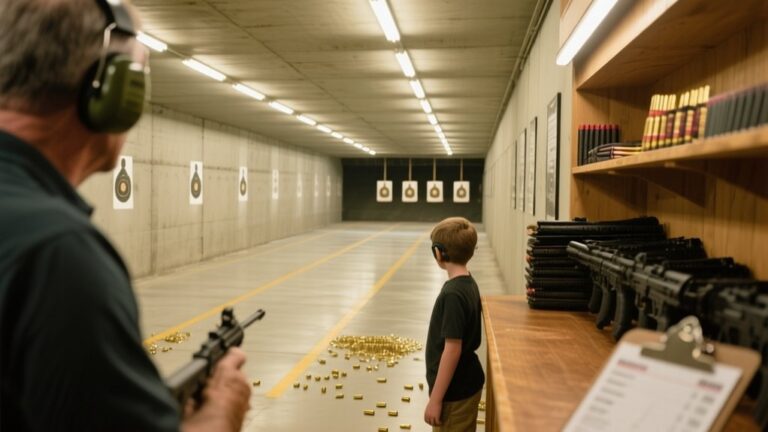
- Share educational resources, like NRA guides, to teach safe practices, especially for new shooters, children, and women.
- Regularly inspect and maintain safety features such as backstops and barriers to prevent accidents and stray bullets.
- Organize community shooting events that emphasize responsible ownership and open communication with neighbors to build trust.
Frequently Asked Questions
What Types of Firearms Are Best Suited for a Home Shooting Range?
For your home shooting range, focus on firearm selection that prioritizes safety and ease of use.
Choose lower-caliber firearms like .22 LR or .223 rifles, which offer manageable recoil and less noise. Handguns designed for target shooting work well, too.
Always pick firearms with built-in safety features to enhance range safety, especially if others join you.
Remember to comply with local laws to keep your practice both safe and legal.
How Can I Reduce Noise Pollution From My Shooting Range?
You can reduce noise pollution by installing sound barriers like berms made of earth or heavy materials around your shooting range.
These absorb and deflect noise effectively.
Using suppressors on firearms and switching to subsonic ammunition also help with noise mitigation.
Schedule shooting during less disruptive hours to keep good neighbor relations.
Don’t forget to maintain your barriers regularly to guarantee they keep muffling sound and minimizing environmental impact.
Are There Insurance Options Specific to Home Shooting Ranges?
Think of insurance coverage for your home shooting range as a safety net catching liability risks before they fall on you.
Yes, you can find specialized insurance options tailored for home ranges, often including endorsements that cover property damage and personal liability.
It’s smart to chat with your insurance agent to get the right protection, especially if you charge fees or host others.
This way, you’re shielded from unexpected claims.
What Are the Best Materials for Building a Shooting Range Backstop?
The best backstop materials you should use include earth, sand, gravel, and railroad ties because they absorb bullet energy well and reduce ricochet risks.
For safety considerations, make sure your backstop is at least 10 feet high and 15 feet wide.
Combining compacted dirt with steel or rubber layers can boost safety by minimizing bullet fragmentation.
Don’t forget to maintain it regularly, replenishing eroded materials to keep your range safe.
Can I Host Shooting Competitions or Events on My Property?
Yes, you can host shooting competitions on your property, but don’t jump the gun.
You’ll need to follow safety regulations carefully, ensuring proper backstops and safe distances.
Check if event permits are required, especially if you charge fees or expect many participants.
Notify local authorities to keep everything above board.
Conclusion
You might think setting up a shooting range on your property is complicated, but it turns out that with the right research and precautions, it’s more doable than you’d expect.
Coincidentally, the same safety measures that protect your neighbors also make your range a better place for responsible practice. By following legal guidelines and prioritizing safety, you’ll create a space that’s both fun and secure, proving you can enjoy shooting without the usual worries.