Can You Shoot Fmj At Indoor Range – Ammo Rules Explained
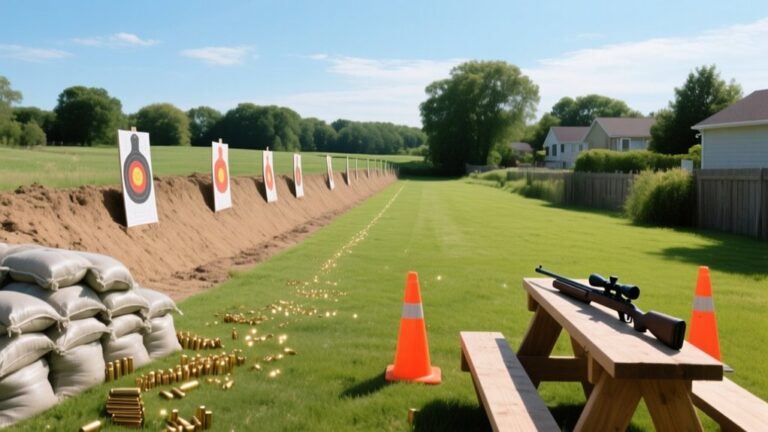
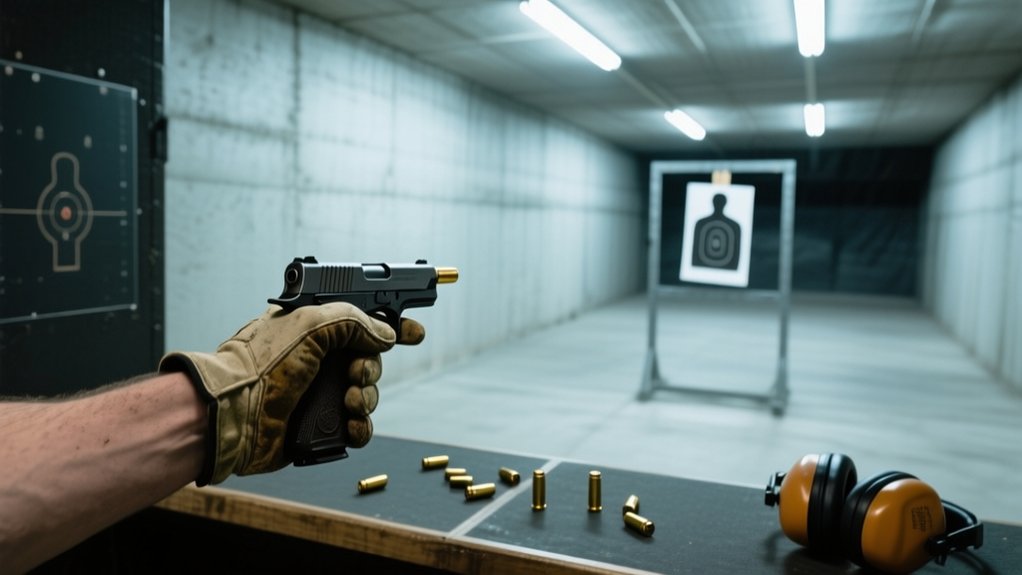
You can shoot FMJ ammo at many indoor ranges, but some restrict it due to ricochet risks and backstop damage. FMJ rounds tend to bounce unpredictably, posing safety concerns, especially in older facilities with softer backstops.
Modern ranges often use durable materials to handle FMJ safely, but alternatives like TMJ or frangible ammo may be required if FMJ isn’t allowed. Understanding specific range rules and ammo options helps you stay safe and shoot effectively. There’s more to know about choosing the right ammo and range setups.
What Is FMJ Ammo and Why It’s Common at Ranges
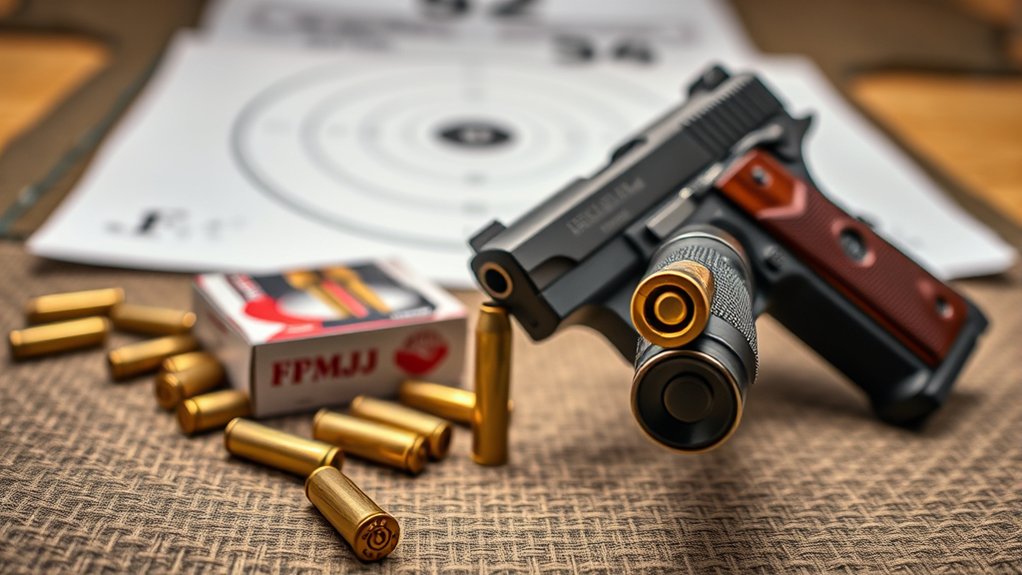
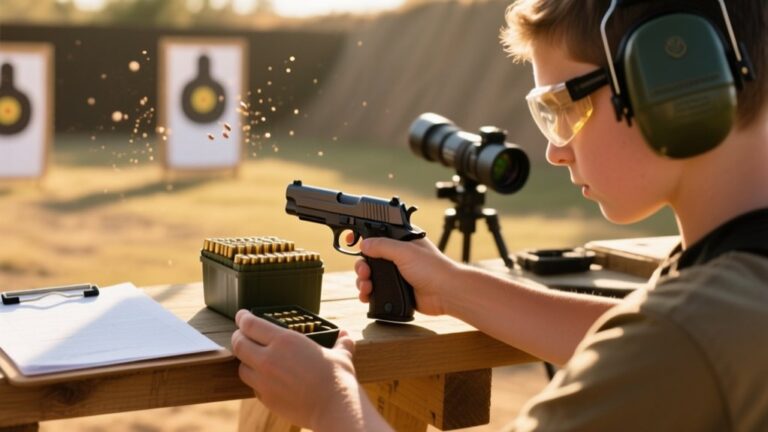
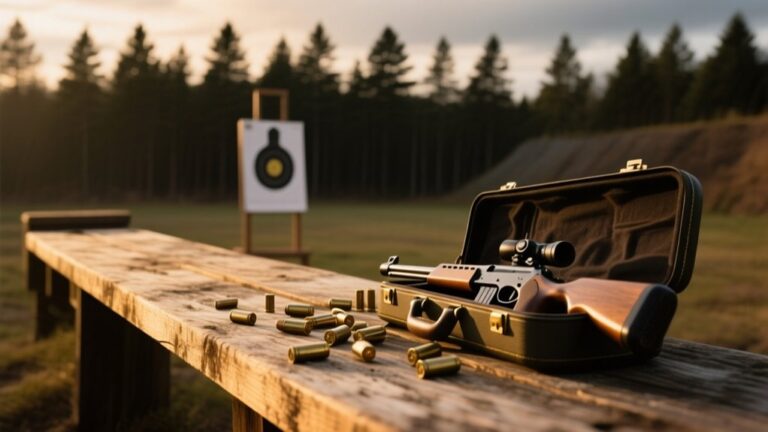
Full Metal Jacket (FMJ) ammo features a lead core wrapped in a harder metal shell, which keeps the bullet’s shape and flight stable, making it perfect for target practice.
When you’re at an indoor shooting range, FMJ is often the go-to choice for range ammunition because it causes less barrel fouling and performs cleaner than plain lead bullets.
At indoor ranges, FMJ ammo is preferred for cleaner performance and reduced barrel fouling.
You’ll also find FMJ ammo more affordable, letting you practice more without overspending.
However, indoor shooting environments enforce strict safety rules to manage risks like ricochets, especially with higher calibers. Understanding these rules helps you stay safe while using FMJ ammo.
Its versatility across calibers means you can use it with different firearms, making FMJ a reliable and popular option at most indoor ranges.
Backstops’ Role in FMJ Safety
When you use FMJ ammo at an indoor range, a reliable backstop plays an essential role in keeping you safe. Backstops are designed to safely capture or deflect bullets, minimizing the risk of ricochets that FMJ ammunition can cause if not properly contained.
Effective bullet traps absorb energy and prevent bullet fragments from scattering, which helps maintain a secure shooting environment.
Here’s what you should know about backstops and FMJ safety:
Quality backstops use materials like rubber or specially designed steel plates to reduce wear and enhance safety. Properly engineered backstops dissipate the energy of FMJ rounds, making indoor shooting feasible.
Some ranges restrict FMJ ammo to protect backstops from accelerated damage caused by steel-core bullets. Understanding backstops is key to ensuring FMJ ammunition safety indoors.
Why Ricochets Make Ranges Ban FMJ Ammo
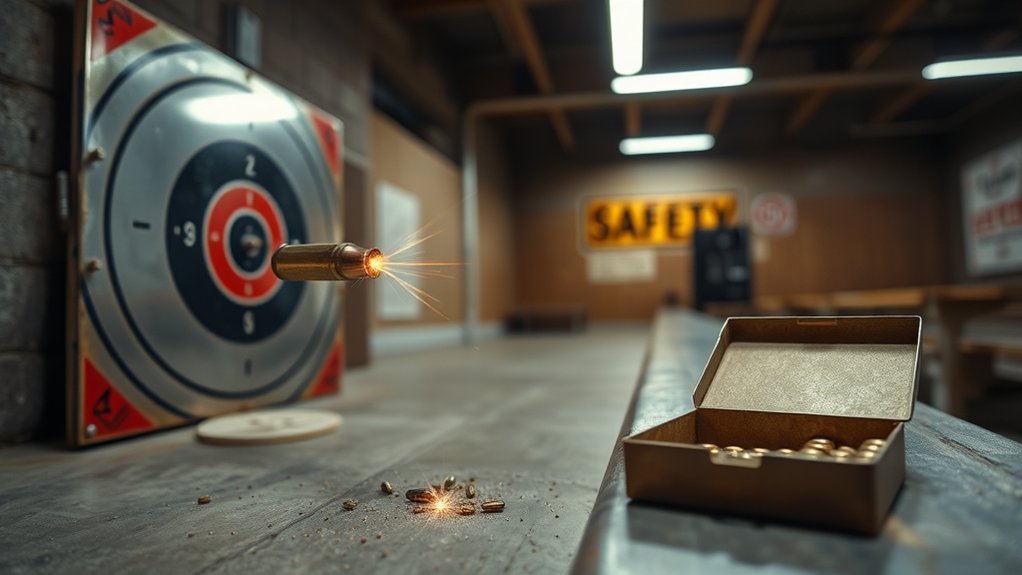
Because FMJ ammunition tends to cause unpredictable ricochets, many indoor ranges ban its use to protect shooters and staff. FMJ bullets, especially those with steel cores, can bounce off surfaces, creating a serious safety hazard.
These ricochets may strike unintended targets, increasing the risk of injury and damaging backstops. Even with quality bullet stops, FMJ rounds remain risky in indoor ranges.
| Factor | Impact | Reason |
|---|---|---|
| FMJ Design | Higher ricochet chance | Steel core causes rebounds |
| Ricochets | Safety hazard | Bullets bounce unpredictably |
| Indoor Range Policy | FMJ often banned | To protect shooters and staff |
Understanding this helps you appreciate why indoor ranges enforce FMJ restrictions for everyone’s safety.
Why Some Ranges Ban FMJ Ammo
You might be wondering why some indoor ranges don’t allow FMJ ammo at all.
Well, it usually comes down to safety concerns, like the risk of ricochets. FMJ rounds can also cause a lot of damage to the backstops.
Plus, some older range designs just weren’t made with these bullets in mind.
Safety Concerns And Ricochets
Although FMJ ammunition offers reliable performance, many indoor ranges ban it due to safety concerns involving ricochets. FMJ rounds can ricochet off surfaces, creating serious safety hazards for you and others nearby. The hard metal jacket tends to skip rather than embed, increasing the risk of unpredictable bullet paths.
Here’s why FMJ ammo raises safety worries:
- Ricochets can injure shooters and bystanders if backstops aren’t designed to absorb or contain them.
- FMJ ammunition accelerates wear on backstops, compromising range safety over time.
- Steel core or armor-piercing FMJs cause more damage, escalating potential hazards.
Understanding these risks helps you appreciate why some ranges restrict FMJ ammo for your protection and overall range safety.
Backstop Damage Issues
When indoor ranges restrict FMJ ammo, it’s often due to the significant damage these rounds can cause to backstops. FMJ bullets, especially those with steel cores, can accelerate backstop damage, forcing range operators to face costly repairs.
You’ll find that many ranges ban FMJ ammo to preserve their safety systems and reduce maintenance expenses. Ricochet risks from FMJ bullets add a serious safety concern. Fragments can bounce unpredictably, putting you and others at risk.
Some ranges even allow high-caliber hunting rounds while prohibiting FMJ to strike a balance between safety and minimizing wear.
Historical Range Design
Many indoor ranges still restrict FMJ ammo because their original designs can’t handle the risks these bullets pose. Built mainly between the 1940s and ’60s, these ranges were intended for soft lead bullets, not FMJ ammunition, which increases safety risks.
Older law enforcement facilities often feature concrete walls and steel gongs, surfaces that cause dangerous ricochets with FMJ rounds.
Historical practices play a big role in current policies, as some range operators resist updating rules despite modern safety advances.
You’ll find FMJ bans persist because:
- Original backstops can’t absorb FMJ impacts safely
- Ricochet hazards rise with steel and concrete contacts
- Operators prioritize longstanding safety standards over new tech
Understanding this helps you see why some indoor ranges still restrict FMJ ammo today.
Why Older Ranges Often Restrict FMJ Rounds
Because older ranges were designed with soft lead bullets in mind, they often can’t safely handle FMJ rounds.
These ranges, built from the 1940s to 1960s, typically feature concrete walls and steel targets that aren’t optimized to contain the ricochets FMJ ammo can cause.
Ranges from the 1940s-60s have concrete and steel setups not suited for FMJ ricochets.
Since FMJ bullets are harder and travel faster, they pose a higher risk of bouncing unpredictably, which compromises safety.
Many historical ranges also catered to revolver ammo with different ballistic properties, so FMJ rounds don’t fit their original design.
Moreover, some range operators stick to outdated safety standards, avoiding upgrades that could accommodate FMJ rounds today.
When you shoot FMJ in these older ranges, you increase the risk of accidents, which is why restrictions remain in place for your safety.
Other Common Ammo Restrictions: Steel Cases
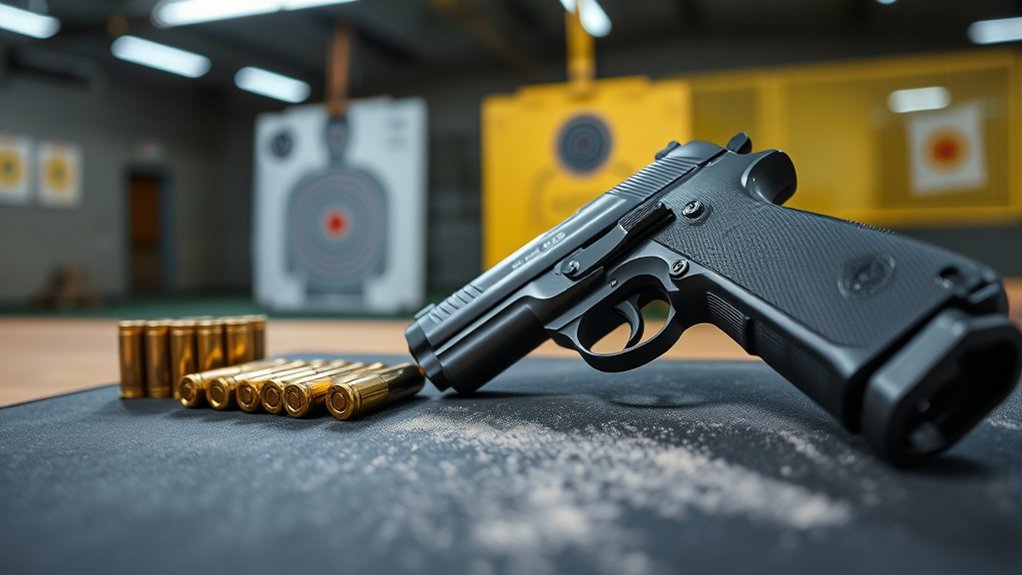
Though steel-cased ammo may seem like a practical choice, indoor ranges often ban it to protect their equipment and guarantee safety. Since steel core components can cause increased wear on backstops and machinery, many facilities enforce strict ammo rules.
When you bring FMJ Ammo, your ammunition MUST pass magnet tests to confirm it doesn’t contain steel that could damage the range.
Keep in mind:
- Steel-cased rounds, common historically due to WWII lead shortages, still raise concerns today.
- Not all steel-cased ammo is harmful, but ranges err on the side of caution.
- Improper handling and potential misfires with steel cases add to the risks.
To avoid issues, always check your ammo against the indoor range’s specific restrictions before shooting.
Modern Range Designs for Safe FMJ Use
You’ll notice that modern ranges use advanced backstop technology to safely absorb FMJ bullets and prevent ricochets.
This means they’re designed to handle the full metal jacket rounds without bouncing them back.
These designs help reduce risks and protect both shooters and the facility.
Advanced Backstop Technology
When you step into a modern indoor range, advanced backstop technology plays a crucial role in keeping FMJ ammunition use safe. These systems are designed to absorb the high-velocity impact of FMJ rounds, ensuring safety for both shooters and the facility.
Modern ranges invest in durable materials like ballistic rubber and steel traps. These effectively capture bullets while minimizing ricochet risks.
You’ll also find ranges employing advanced monitoring to analyze impact patterns and optimize safety measures continuously.
Key features include:
- Energy-dissipating backstops tailored for FMJ rounds
- Regular maintenance to prevent system degradation
- Integrated monitoring systems for impact analysis
Thanks to these innovations, modern ranges confidently allow FMJ use while maintaining strict safety standards.
Ricochet Prevention Systems
Because ricochets pose significant safety risks, modern indoor ranges employ advanced ricochet prevention systems specifically designed for FMJ ammunition. These systems use engineered backstops that absorb bullet energy efficiently, preventing ricochet by safely dissipating impact forces.
You’ll find bullet traps built to handle FMJ rounds, including those with steel core, ensuring durability and consistent safety. Many ranges combine FMJ with frangible bullets to further reduce ricochet chances while maintaining effective training.
Regular inspections and maintenance keep these systems reliable, especially since steel core or armor-piercing rounds can accelerate wear.
Options When Your Range Bans FMJ Ammo
Although some indoor ranges prohibit FMJ ammo due to safety concerns, you can still find effective alternatives like TMJ or frangible bullets that meet their requirements.
When your range bans FMJ, it’s essential to comply with safety guidelines while maintaining quality target shooting practice. Here are options to take into account:
Use TMJ or frangible alternative ammunition, which reduces ricochet risks and is widely accepted.
Check if your range allows hunting or soft point bullets as a substitute, offering similar performance.
Consult range management about proprietary or recommended ammo that aligns with their safety rules.
How to Choose the Right Ammo for Indoor Range Practice
If your indoor range restricts FMJ ammo, you’ll want to carefully select alternatives that meet their safety standards without compromising your training quality.
Start by choosing factory-produced, new ammunition, since most indoor ranges ban hand-loaded or reloaded rounds for safety and reliability.
While FMJ is cost-effective and designed for straight flight, some ranges disallow it due to backstop damage concerns.
Check your indoor range’s specific ammo rules before buying. If FMJ isn’t permitted, consider frangible or TMJ ammo, which offer similar performance with enhanced safety.
Also, pick bullet weights matching your carry ammo to maintain realistic recoil and improve your practice.
Frequently Asked Questions
Can FMJ Ammo Cause More Barrel Wear Than Other Bullet Types?
Yes, FMJ ammo can cause more barrel wear compared to softer bullet types because its bullet composition typically involves harder metals that increase friction.
If you shoot frequently with FMJ rounds, you might notice reduced barrel longevity unless you stay diligent with your cleaning maintenance.
Regular cleaning helps minimize wear by removing fouling and buildup, so balancing shooting frequency and upkeep is key to preserving your barrel’s lifespan.
Is FMJ Ammo More Expensive Than Hollow Point or Soft Point Rounds?
FMJ ammo usually costs less than hollow point or soft point rounds because its bullet construction is simpler, using a full metal jacket over a lead core.
If you prioritize performance, reliability, and penetration, FMJ rounds are a solid choice and fit many shooting preferences.
Hollow points or soft points, designed for expansion and stopping power, tend to be pricier.
How Does Humidity Affect FMJ Ammo Performance Indoors?
Humidity levels can affect FMJ ammo performance indoors by causing corrosion or moisture buildup, which might impact reliability.
You should keep indoor temperature stable and store your ammo in a cool, dry place to prevent damage.
Proper range ventilation helps control humidity and maintains consistent conditions.
Are There Specific FMJ Calibers Preferred for Indoor Ranges?
You probably don’t want to show up with a cannon when everyone’s shooting tiny calibers at the indoor range. Most indoor ranges have strict caliber restrictions.
You’ll find 9mm and .22 LR preferred for their balance of performance and minimal over-penetration.
You’ve got to respect safety considerations and range etiquette, so sticking to popular calibers guarantees everyone stays safe.
Plus, the performance comparison shows these calibers work best in confined spaces without causing unnecessary damage.
Can FMJ Ammo Be Safely Used in All Types of Indoor Pistols?
You can use FMJ ammo safely in most indoor pistols, but you’ve got to follow indoor shooting safety guidelines closely.
Bullet design matters; FMJs are harder and can cause more ricochets, so check if your range allows them.
Always respect range etiquette.
Listen to staff and use approved ammo types.
Ensuring your pistol is compatible with FMJ rounds and following these rules keeps you and others safe during practice.
Conclusion
So, you’ve learned that shooting FMJ ammo at indoor ranges isn’t always straightforward. While modern backstops and designs often handle FMJ safely, older ranges might ban it to avoid dangerous ricochets.
If your range says no, don’t fret. There are plenty of alternatives to keep your practice sharp. Remember, choosing the right ammo is like picking the perfect quill in the age of knights: it’s all about safety and effectiveness. Happy shooting!