Can You Shoot Shotguns At Indoor Ranges – Policies And Guidelines
Yes, you can shoot shotguns at indoor ranges, but you must follow strict policies. Only pump-action and semi-automatic shotguns with low brass, target-only ammo are allowed. Buckshot, slugs, and other powerful rounds are usually banned for safety.
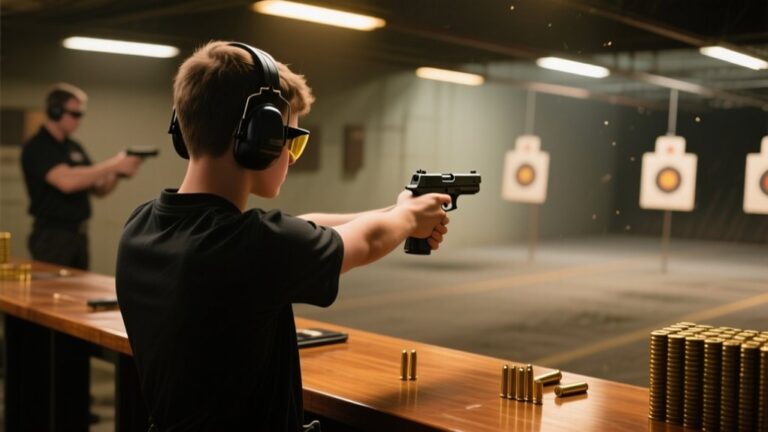
You’ll also need to wear eye and ear protection and follow range rules like loading one shell at a time. Minors require adult supervision, and rentals often have specific ammo limits. Keep following to understand key safety steps and range regulations.
Can You Shoot Shotguns at Indoor Ranges?
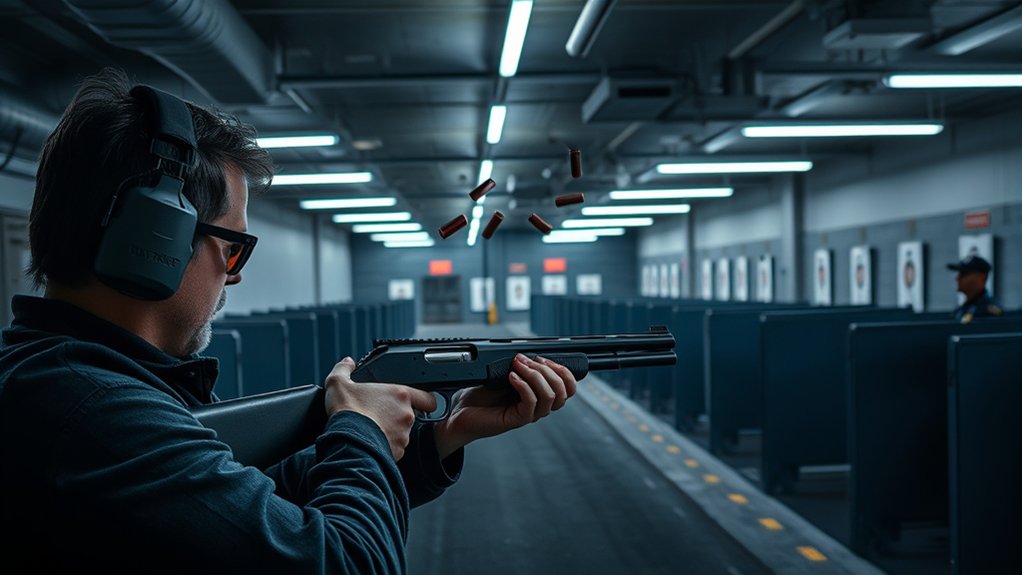
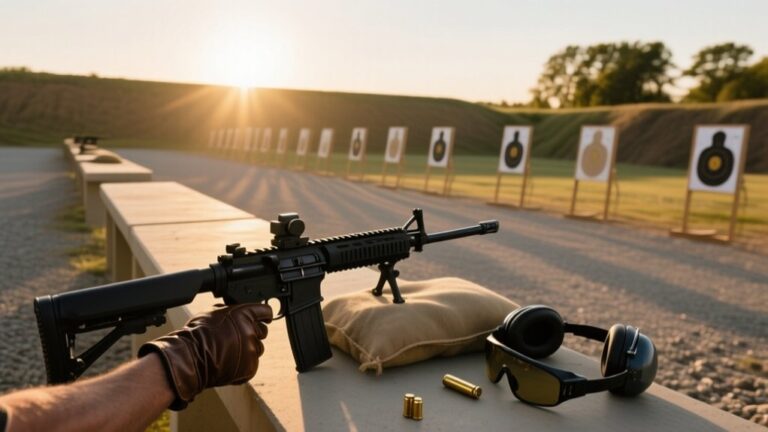
Can you shoot shotguns at indoor ranges? Yes, but with strict guidelines. Most indoor ranges allow shotguns, yet they enforce ammunition restrictions, typically permitting only low brass shells or target loads.
Indoor ranges often permit shotguns but restrict ammo to low brass shells or target loads for safety.
Buckshot and slugs are usually prohibited due to safety concerns. You’ll often find rules limiting you to one shell loaded at a time to minimize risk.
Many indoor ranges designate specific areas for shotgun use, so you’ll need to follow all safety protocols and range commands carefully.
Before you head out, it’s essential to check the range’s policies to verify your shotgun and ammo comply with their regulations.
Adhering to these rules keeps everyone safe and guarantees you have a smooth shooting experience indoors.
What Shotgun Types Are Allowed Indoors?
When shooting indoors, you’ll want to use shotguns that handle low brass shells, usually sizes 7½ to 9, which are designed for target practice.
These smaller shot sizes help keep things safe and manageable inside the range.
Also, it’s important to remember that only slugs are allowed in certain areas.
Buckshot and other types of ammo? They’re generally off-limits indoors.
Knowing these restrictions not only keeps you safe but also helps you follow the range’s rules without any hassle.
Permitted Shotgun Models
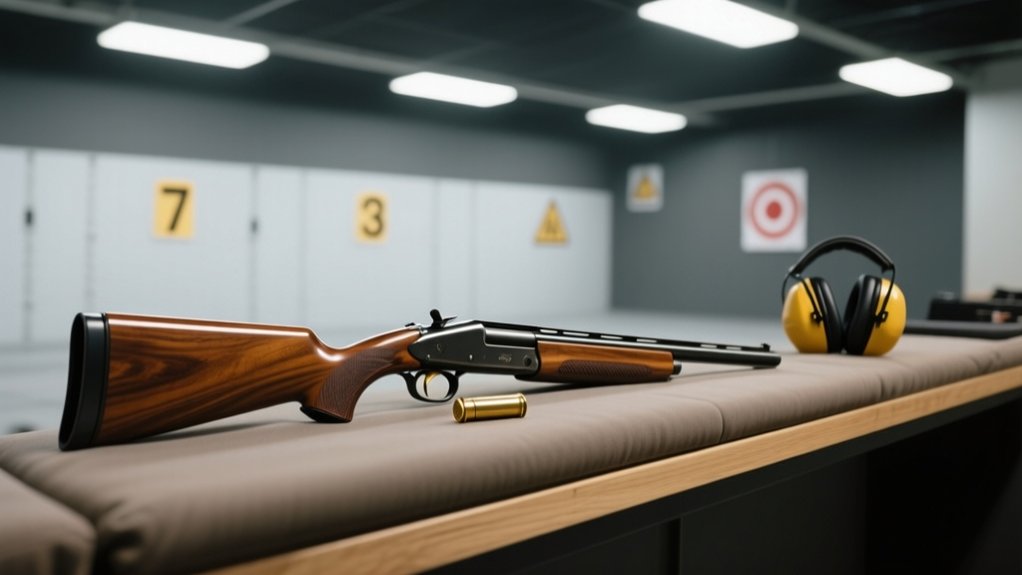
Indoor ranges typically allow only a few specific shotgun types to guarantee safety and protect the facility. You’ll find that pump-action and semi-automatic shotguns firing low brass shells (7½ – 9) are permitted on the range.
Slug shooting is off-limits, and all firearms must be unloaded until you’re on the firing line, following strict range rules. Clay targets are the only acceptable targets indoors, which helps maintain the range’s condition and safety.
| Shotgun Type | Permitted Use |
|---|---|
| Pump-action | Target loads only |
| Semi-automatic | Low brass shells, no slugs |
| Others | Generally prohibited indoors |
Ammunition Restrictions
Although you might be used to a wide range of ammunition outdoors, indoor shotgun ranges only allow target and low brass shells sized 7½ to 9. These ammunition restrictions are essential for safety and range maintenance.
Buckshot or slug rounds are strictly prohibited during indoor shooting because they pose significant hazards and can damage the facility. When using shotguns indoors, you’re limited to firing at clay targets, which are the only approved projectiles.
Before you shoot, always check the specific policies of the range you visit, as some may have additional restrictions or guidelines to follow.
Sticking to these rules guarantees a safe, enjoyable experience for everyone involved in indoor shooting.
Ammunition Restrictions for Shotgun Use Indoors
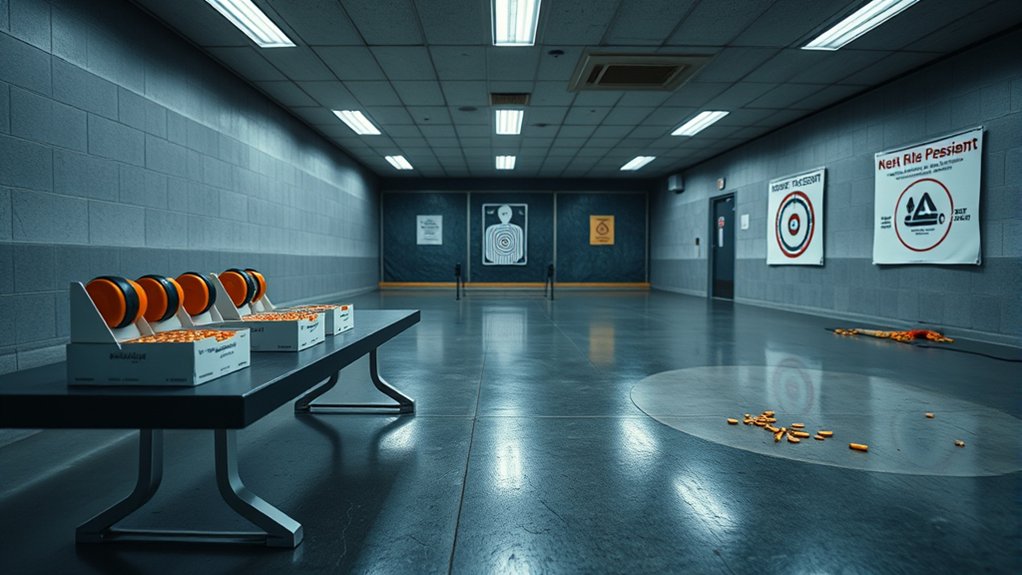
When you’re shooting indoors, it’s important to stick to approved shotgun ammunition. This means using target and low brass shells, usually sized between 7½ and 9.
You definitely want to avoid buckshot, slugs, and anything incendiary or tracer. These types are off-limits because they can damage the range and create safety hazards.
Approved Ammunition Types
When shooting shotguns indoors, you must use only target and low brass shells sized 7½ to 9. These approved ammunition types are vital for maintaining safety and complying with range regulations.
Indoor shotgun use demands strict adherence to safety protocols, and using the correct ammunition helps prevent damage to the range and guarantees a controlled environment.
Before heading to an indoor range, always verify their specific policies on ammunition, as requirements can vary.
Range management sets these guidelines to protect shooters and staff, so following them is imperative.
Prohibited Shotgun Rounds
Since indoor ranges have confined spaces, they prohibit the use of buckshot and slugs to prevent damage and guarantee safety. At indoor ranges, you’ll find that only target and low brass shells (sizes 7½ to 9) are allowed for shotgun use.
Using prohibited ammunition like incendiary, explosive, or tracer rounds is strictly forbidden to maintain a safe environment.
Before you head out, check the specific shotgun ammunition policies of the range you plan to visit, as rules can vary.
Adhering to these guidelines not only protects the facility but also secures your own safety and that of others.
Following all restrictions on prohibited shotgun rounds is essential for a secure indoor shooting experience.
Essential Safety Protocols for Shotgun Shooters
Although indoor shotgun shooting offers an exciting experience, it demands strict adherence to safety protocols to protect you and everyone around.
Always wear ear protection and eye protection to guard against loud noise and flying debris. Stay behind the firing line until it’s your turn, and never load more than one shell at a time to maintain control.
Follow range safety rules closely, especially during “CEASE FIRE” commands. Immediate compliance is essential.
Use only target and low brass shells (7½ – 9) to reduce damage and enhance safety.
Keep your shooting area clean by properly disposing of shells and trash.
Listen carefully and obey all range commands for a safe environment.
Shotgun Range Rules for Patterning and Firing
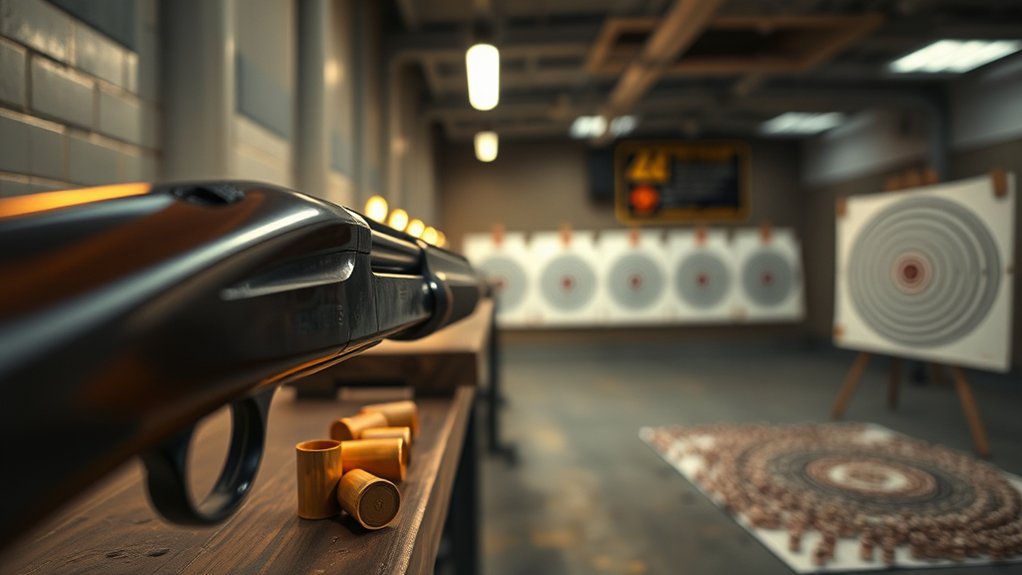
Following safety protocols sets the foundation for a successful indoor shotgun session, but understanding the specific range rules for patterning and firing is just as important.
At the shooting booth, you must use only target or low brass shells rated 7½ to 9. Load one shell at a time, except when shooting doubles, where two shells are allowed.
Clay targets are the only permissible targets, so bring your own throwers and clays.
Always follow commands from proper authorities and adhere strictly to safety protocols to guarantee everyone’s safety.
Keep your shooting booth clean by properly disposing of trash and spent shells.
How to Safely Transport Your Shotgun to the Range
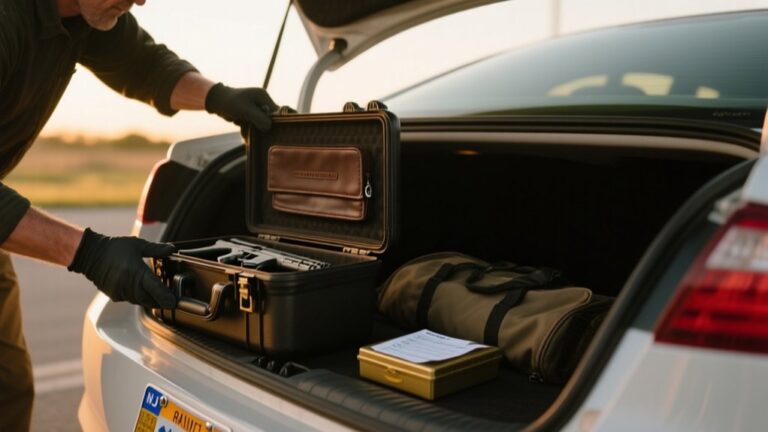
When you’re taking your shotgun to the range, it’s a good idea to use a locked case. This keeps your firearm secure and helps you stay on the right side of the law.
Also, be sure to store your ammunition separately from your shotgun. It’s an important safety step that you don’t want to skip.
And don’t forget to check the transport laws where you live. Knowing the rules can save you from running into any legal trouble.
Use a Locked Case
To transport your shotgun safely and legally, always use a locked case that keeps the firearm secure and unloaded with the action open. This practice guarantees you follow range policies and local regulations while preventing accidents.
When you transport your shotgun, make sure it’s unloaded and cased properly to avoid any misunderstandings or safety issues. Before heading to the range, double-check specific rules about shotgun use and ammunition types.
Remember to:
- Use a locked case that fully encloses the firearm during transport
- Keep the shotgun unloaded and the action open inside the case
- Transport your shotgun only in designated areas or as required by range policies
Following these steps assures a safe, responsible experience every time you visit the indoor range.
Follow State Transport Laws
Using a locked case to transport your shotgun is a great start, but you also need to follow your state’s specific transport laws to stay fully compliant.
Always keep your firearms unloaded with the action open inside the gun case to prevent accidents and meet legal requirements.
Make certain you know your local regulations, as some states require firearms to be stored in certain areas of your vehicle, like the trunk or another secured spot out of sight.
If law enforcement stops you while transporting your shotgun, notify them immediately to maintain transparency.
Secure Ammunition Separately
Although transporting your shotgun safely is essential, securing your ammunition separately is just as important to prevent accidents and comply with legal guidelines.
When you prepare for secure shooting, always keep your shotguns unloaded with the action open during transport.
Store your ammunition in a separate, securely closed container to avoid any accidental discharge. This practice not only enhances safety but also guarantees you meet legal requirements.
Remember to use padded cases for your shotgun to protect it from damage while traveling.
- Transport your shotgun in a locked case with the action open to show it’s unloaded.
- Store ammunition separately in a locked, closed container.
- Know and follow local laws on firearm and ammunition transport.
Age and Supervision Rules for Shotgun Shooters
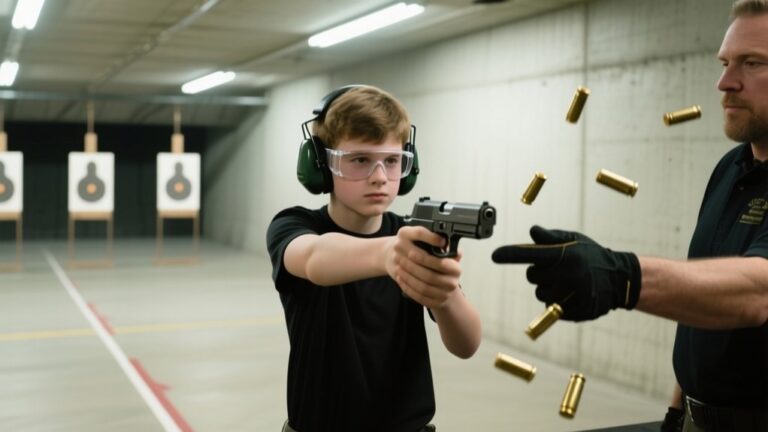
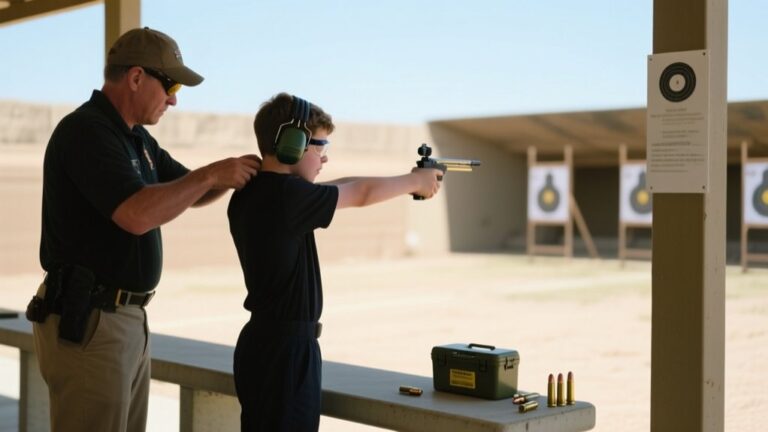
When you bring shooters under 16 to an indoor shotgun range, they must have an adult with them at all times. Minors aged 10 to 17 need constant supervision by a parent or guardian while handling shotguns.
If you’re between 18 and 20, you can shoot your own shotgun but won’t be allowed to rent one. Only those aged 21 and older can rent shotguns at indoor ranges.
Regardless of age, everyone must agree to a verbal safety briefing before entering the range.
These age and supervision rules guarantee safety and responsibility while using shotguns indoors.
Shotgun Rental Options at Indoor Ranges
After understanding who can handle shotguns at indoor ranges, you might wonder about rental options available to shooters. Most indoor ranges offer shotgun rentals that cater to various skill levels by providing different models.
These rentals typically include eye and ear protection, so you stay safe while shooting.
Keep in mind, shooting guidelines often limit ammunition types to low brass shells (7½ – 9) for safety and noise control.
Some ranges might ask you to bring your own clay targets and throwers.
- Check specific indoor range policies before renting
- Use only approved ammunition types for safety
- Expect rentals to include essential protective gear
How Range Officers Enforce Shotgun Safety Rules
Because safety is paramount, range officers take an active role in enforcing shotgun rules to protect everyone on the range. They strictly monitor ammunition, allowing only target and low brass shells (7½ – 9) and guarantee you load just one shell at a time, except for designated doubles.
Range officers issue clear commands and make certain all firearms are pointed downrange, following safety protocols without exception. They regularly inspect shooting areas to verify a clean, hazard-free environment by checking for proper disposal of spent shells and trash.
If you or anyone else behaves unsafely, range officers won’t hesitate to remove that individual to maintain a safe atmosphere. Their vigilance assures that your shotgun experience remains secure and enjoyable for all.
Cleaning Up and Post-Shooting Responsibilities for Shotgun Users
One key responsibility you have once your shooting session ends is to unload your shotgun before packing it away, ensuring everyone’s safety.
After shooting, you must also clean your shooting booth, dispose of trash properly, and sweep empty shells forward of the firing line.
Remember, all shotguns must be used only at designated ranges. It’s essential to leave your shooting area tidy before you leave the range.
Reporting any equipment issues to range staff right after shooting helps maintain a safe environment for everyone. Neglecting these post-shooting responsibilities can lead to removal from the range.
To summarize:
- Unload your shotgun before packing it away
- Clean your shooting booth and dispose of trash properly
- Report equipment concerns immediately after shooting
Frequently Asked Questions
Can I Use Birdshot or Buckshot Indoors?
You generally can’t use birdshot or buckshot indoors due to indoor range safety concerns and noise considerations.
Shotgun ammunition types like these produce excessive spread and noise, which can damage backstops and disturb others.
You should follow range etiquette guidelines, using only approved ammunition such as slugs or specialized rounds.
Always check your specific indoor range’s rules before shooting to guarantee safety and compliance with their policies.
Are There Specific Brands of Shotguns Recommended for Indoor Ranges?
About 65% of indoor ranges recommend specific shotgun types tailored to their range requirements.
When choosing, you’ll want brands known for reduced recoil and noise, like Mossberg or Remington, ensuring you meet noise considerations and safety measures.
These shotguns often feature specialized barrels or ammunition to minimize indoor hazards.
Always check with the range’s policies first, as they might restrict certain models or calibers to maintain a safe, comfortable environment for everyone.
How Do Indoor Ranges Handle Lead Contamination From Shotgun Shooting?
Indoor ranges control lead exposure by installing advanced ventilation systems that constantly filter the air, keeping it safe for you to breathe.
They follow strict cleaning protocols to remove lead dust from surfaces regularly.
You’ll also find they comply with health regulations requiring routine lead level monitoring, ensuring the environment stays within safe limits.
These combined efforts help protect your health while you enjoy shooting indoors.
Can I Bring My Own Shotgun Accessories or Modifications?
You can bring your own shotgun accessories, but they must align with the range’s accessory regulations and safety precautions.
Just like your choice of shotgun ammunition affects performance and safety, so does following range etiquette.
If your modifications compromise safety or disturb others, the range staff might ask you to remove them.
Always check with the range beforehand to guarantee your gear complies, keeping everyone safe and the experience enjoyable.
What Should I Do if My Shotgun Malfunctions at the Range?
If your shotgun malfunctions at the range, first follow safety protocols by keeping the muzzle pointed downrange and your finger off the trigger.
Identify common malfunction causes like jammed shells or misfires.
Use basic troubleshooting tips, such as clearing the chamber carefully.
Don’t hesitate to ask range staff for assistance. They’re trained to help and guarantee everyone stays safe.
Always prioritize safety over trying to fix complex issues yourself.
Conclusion
Now that you know the ins and outs of shooting shotguns at indoor ranges, you’re ready to enjoy your time safely and responsibly. Remember, not every shotgun or ammo type is welcome inside, so stick to the rules and listen to range officers like a knight heeding his king’s command.
Keep safety front and center, respect age limits, and clean up after yourself. That way, you’ll have a blast without any unnecessary drama!