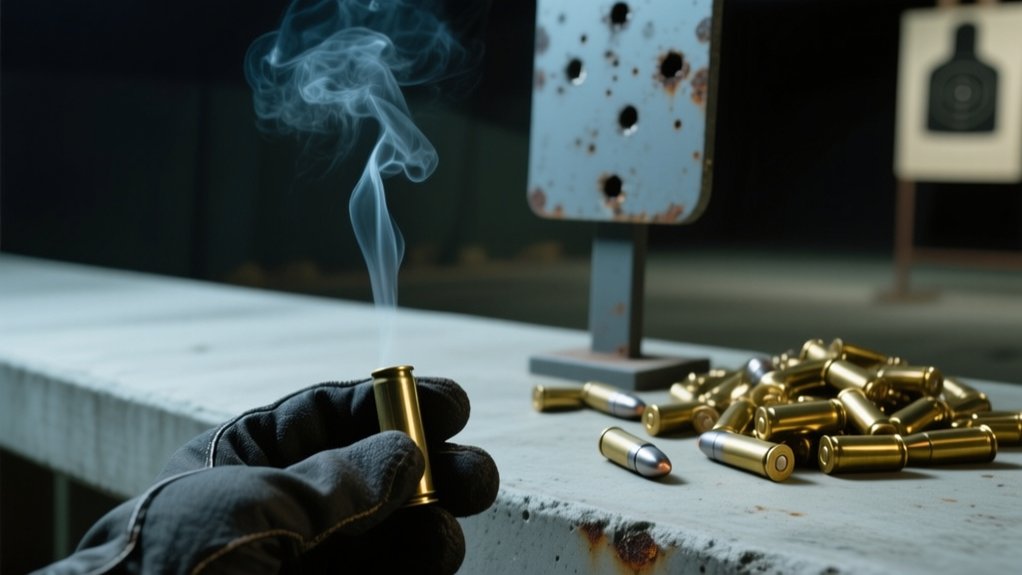
Why Can’t You Shoot Steel Cased Ammo At A Range – Reasons Explained
You can’t shoot steel cased ammo at many ranges because it causes safety risks and damages equipment. Steel cases spark more, increasing fire hazards, and their hardness wears out extractors and backstops faster.
This leads to costly maintenance and shortens range gear life. Many indoor ranges ban it to protect shooters and staff. If you want to understand how these issues affect your shooting experience and what alternatives exist, keep exploring these important points.
What Is Steel Cased Ammo and How Is It Different?
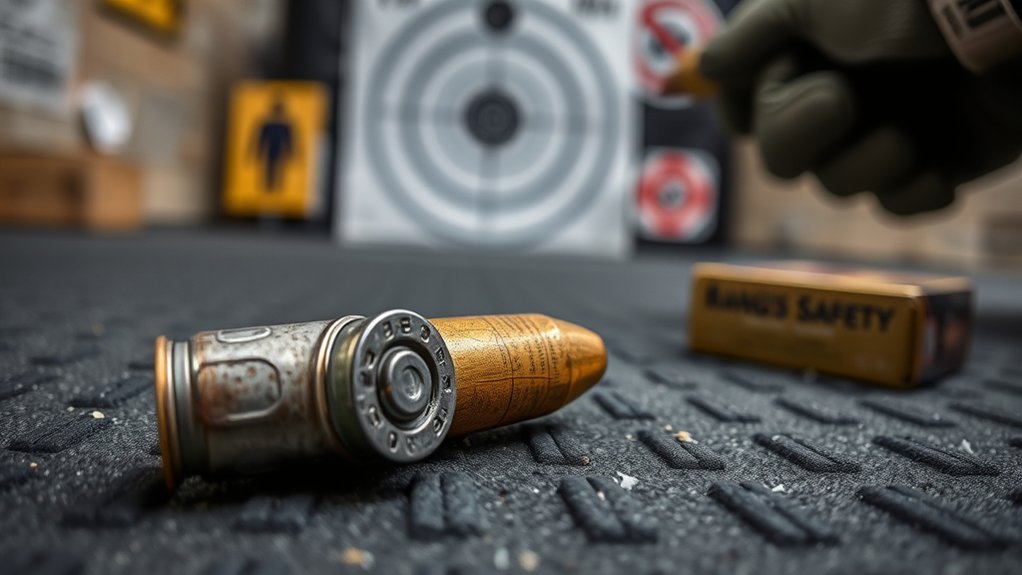
Steel cased ammo uses a casing made of steel instead of brass, which makes it cheaper but also non-reloadable. Unlike brass, steel casings don’t allow you to reload rounds, so you’ll need to buy new ammo each time.
You’ll notice steel cased ammo is often less reliable than brass because it can cause feeding issues and malfunctions in your firearm.
Steel cased ammo may cause feeding problems and malfunctions, making it generally less reliable than brass.
It’s important to know that steel cased ammo differs from steel core ammo; the former refers to the casing material, while the latter has a steel projectile.
Many shooting ranges enforce strict range rules that prohibit steel cased ammo due to concerns about equipment damage and safety.
Understanding these differences helps you follow range rules and choose the right ammo for your needs.
Why Do Ranges Restrict Steel Cased Ammo?
Because ranges prioritize safety and equipment longevity, they often restrict steel-cased ammo. You’ll find that many ranges ban steel cases due to concerns over damage and fire risk.
Steel can wear down extractors faster, increasing maintenance costs. Plus, steel cases spark on impact, which could ignite unburned powder indoors.
To keep things safe and efficient, ranges enforce bans for these reasons:
- Steel cases cause faster wear on range equipment and backstops.
- Sparks from steel increase fire risk, especially in enclosed spaces.
- Recycling complications arise since steel cases can’t be mixed with brass casings.
Fire and Safety Hazards of Steel Cased Ammo
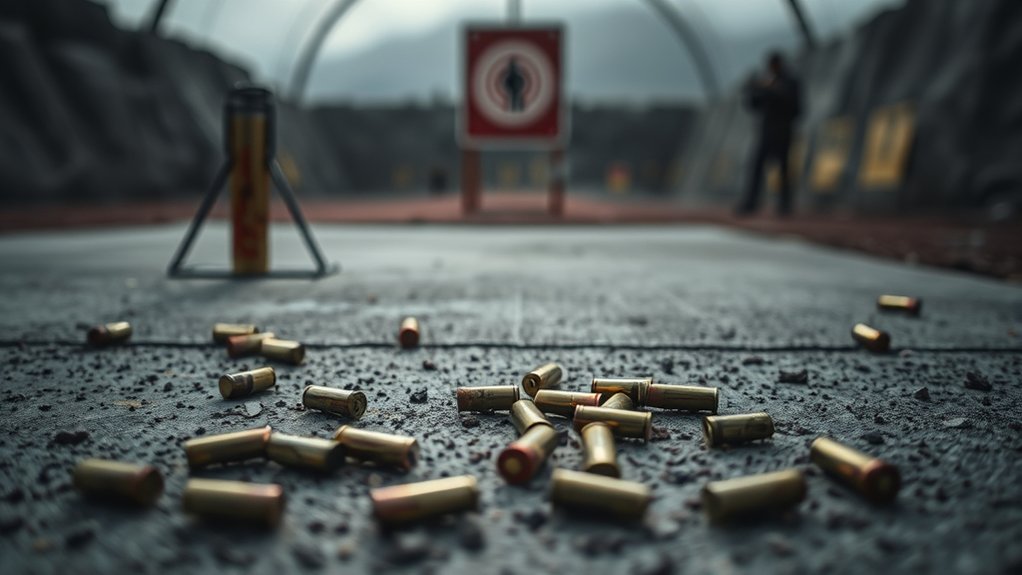
When you choose ammo for the range, it’s important to evaluate how its composition affects safety.
Steel cased ammo can create significant fire hazards because the steel core and casing often spark when hitting hard surfaces like concrete.
These sparks can ignite unburned powder, especially in dry conditions or confined spaces like indoor ranges.
The steel core also raises safety concerns by increasing the risk of unpredictable ricochets and fragments, which can endanger shooters and bystanders.
Many ranges prohibit steel cased ammo to prevent these fire and safety risks.
Using it can also damage backstops and infrastructure, indirectly increasing fire hazards and operational dangers.
Considering these factors helps you maintain a safer shooting environment for everyone involved.
How Steel Cased Ammo Can Wear Out Range Equipment
Although steel cased ammo offers a cost-effective option for shooters, it can accelerate wear and tear on range equipment. When you use steel ammo, you increase the strain on critical components, causing faster degradation.
Here’s how steel ammo wears out range gear:
- Steel cases cause more friction during ejection, wearing down extraction mechanisms and leading to frequent malfunctions.
- The hardness of steel damages backstops and traps, forcing costly repairs or replacements.
- Steel cases striking hard surfaces create sparks and abrasions, further degrading range materials.
Why Some Ranges Ban Steel Cased Ammo to Save Money
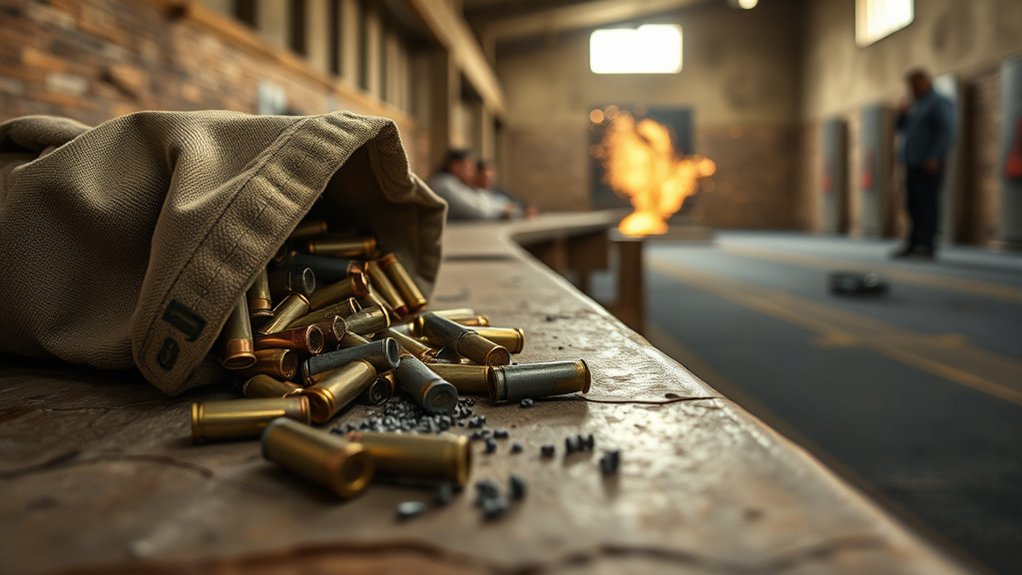
Since steel cased ammo can increase maintenance costs and complicate disposal, many shooting ranges ban it to protect their bottom line. Steel casings reduce the value of collecting brass because they aren’t reloadable and can’t be resold. This cuts into the range’s profits from spent casings.
Also, disposing of steel cases drives up operational costs due to extra processing and potential equipment wear. You’ll often find ranges banning steel casings to avoid these hidden expenses and fire risks from steel projectiles hitting hard surfaces.
| Issue | Impact on Range |
|---|---|
| Steel casings | Non-reloadable, low resale |
| Collecting brass | Reduced value/profits |
| Operational costs | Increased disposal effort |
| Equipment wear | Higher maintenance costs |
| Fire risk | Safety concerns |
Variations in Range Rules for Steel Cased Ammo
You’ll notice that range rules for steel cased ammo can vary quite a bit depending on whether you’re shooting indoors or outdoors.
Indoor ranges often have stricter rules—sometimes they even restrict or ban steel cased ammo altogether because of safety concerns.
On the other hand, outdoor ranges usually tend to be more lenient with it.
Range Policy Differences
When you visit a shooting range, you’ll find that policies on steel-cased ammo vary considerably. Some ranges ban it outright, while others allow it under strict conditions. These differences often come down to safety and economic concerns tied to range policies.
Here are three key factors influencing these rules:
- Indoor ranges frequently prohibit steel-cased ammo because magnetic projectiles can spark on backstops, risking fires.
- Some ranges permit steel-cased ammo only if it contains non-magnetic projectiles to reduce hazards.
- Economic interests also matter. Ranges prefer brass casings for scrap value, so they discourage steel cases.
Always check with range staff beforehand to avoid confusion about steel-cased versus steel-core ammo and stay within policy guidelines.
Indoor Versus Outdoor
Two main types of ranges, indoor and outdoor, handle steel-cased ammo very differently.
Indoor ranges often ban steel-cased ammo because its harder cases can spark when hitting backstops, risking fires from unburned powder. They also prioritize protecting equipment, as steel damages traps more than brass casings.
Furthermore, many indoor ranges rely on collecting and reselling brass casings, so they restrict steel ammo to maintain profits. Some indoor facilities may allow steel-cased ammo if the bullets aren’t magnetic, reducing spark risks.
Outdoor ranges, however, have fewer limits since open air lowers fire hazards and equipment wear is less critical.
You’ll find more flexibility using steel-cased ammo outdoors, while indoors, you’ll likely need to stick with brass casings to comply with safety and economic policies.
How to Choose and Use Range-Friendly Ammo
Although it might seem straightforward, choosing the right ammo for the range requires careful attention to both safety and range rules. Many indoor ranges prohibit ammunition containing steel due to safety hazards and equipment damage.
Choosing the right ammo for the range demands careful attention to safety and range-specific rules.
To pick range-friendly ammo, consider these steps:
- Use brass-cased ammo whenever possible for reliability and fewer malfunctions.
- Avoid steel-cased ammo and aluminum-cased ammo unless your range explicitly allows them.
- Check your range’s policy and use a magnet to detect steel-core projectiles, which are often banned.
Following these tips helps protect you, the range, and your shooting experience.
Frequently Asked Questions
Can Steel Cased Ammo Affect Firearm Performance or Reliability?
Yes, steel-cased ammo can affect your firearm’s performance and reliability.
You might notice more chamber fouling since steel cases don’t expand like brass, leading to residue build-up.
Extraction issues are also common because steel is harder and less elastic, causing your extractor to wear faster or fail.
Furthermore, firing pin impacts may feel different, sometimes leading to misfires.
Are There Any Legal Restrictions on Purchasing Steel Cased Ammo?
You won’t face federal ammunition regulations restricting steel cased ammo purchases, so you can buy it freely.
However, some local laws might vary, so you should double-check.
Steel case benefits include cost savings and availability, but their environmental impact is higher due to non-recyclable steel cases.
Always review local ammunition regulations before buying to stay compliant, especially since retailers and ranges might’ve their own rules affecting your use of steel cased ammo.
How Does Steel Cased Ammo Compare in Cost to Brass Cased Ammo?
You’ll notice steel cased ammo often costs around 20-30% less than brass, making the price comparison pretty clear upfront.
But when you dig into performance analysis, steel’s harder material can cause more wear on your firearm and isn’t reloadable like brass.
These material differences mean your initial savings might get eaten up by maintenance or replacement costs, so weigh both cost and long-term effects before choosing ammo.
Can Steel Cased Ammo Be Reloaded or Recycled Effectively?
You can’t reload steel cased ammo effectively because of serious reloading challenges.
Steel lacks the case durability brass offers and doesn’t expand or contract well. This makes it unsafe to reuse.
Plus, recycling steel casings poses environmental impact concerns since many ranges don’t accept them.
Sorting steel from brass is tricky too.
What Alternatives Exist for Budget-Conscious Shooters Avoiding Steel Cased Ammo?
If you’re avoiding steel-cased ammo, consider budget-friendly brands offering lead-free options that are safer and range-approved.
Reloadable brass ammo is another solid choice, letting you save by reloading your own rounds over time.
You can also look into bulk purchases from reputable manufacturers to get better deals.
These alternatives keep your shooting affordable without sacrificing reliability or violating range rules.
Conclusion
Shooting steel-cased ammo at the range is like throwing a wrench into finely tuned machinery. It might seem harmless, but it can spark safety hazards, wear out costly gear, and drain the range’s resources.
To keep your shooting experience smooth and safe, stick to range-friendly ammo. By choosing wisely, you’re not just protecting equipment—you’re keeping the range a welcoming place for everyone to sharpen their skills without a hitch.