Is Dry Firing A Glock Bad – Effects And Safety Explained
You can confidently dry fire most modern Glocks without damaging your firearm because they’re designed to handle repeated dry firing.
Still, it’s always a good idea to make sure your Glock is unloaded before you start. Check the manual for any specific guidance just to be safe.
Using snap caps is a smart move, especially for older models. They help protect the firing pin and can make your training last longer.
Dry firing is a great way to improve your trigger control and shooting skills safely. Keep practicing, and you’ll see progress in no time.
Understanding the mechanics of dry firing, along with safety tips and best practices, is key. Keep going and get the most out of your dry fire training.
Is Dry Firing Your Glock Safe?
While dry firing your Glock is generally safe, it’s always a good idea to double-check your specific model’s manual before practicing.
Most modern Glocks are designed to handle dry firing without any damage, so you can train confidently without worries.
Modern Glocks tolerate dry firing well, allowing safe and worry-free training sessions.
That said, some older or limited-edition models have softer firing pins that might wear down if you dry fire too much.
To keep your firing pin in good shape and stay safe, make sure your Glock is unloaded and the chamber is clear before you start.
Using snap caps can also help protect your firearm during dry firing, preventing unnecessary stress on the firing pin.
When Should You Use Snap Caps With Your Glock?
Whenever you practice dry firing with your Glock, using snap caps is essential to protect the firing pin from damage. Snap caps cushion the firing pin’s impact, especially in older or rimfire Glock models prone to peening.
You should always use snap caps during trigger pulls, malfunction drills, or extended dry fire sessions. Doing so helps maintain your Glock’s internal components and extends its lifespan.
| When to Use Snap Caps | Reason |
|---|---|
| Trigger Practice | Protects firing pin impact |
| Malfunction Drills | Prevents internal damage |
| Repeated Dry Fire | Extends firearm longevity |
Always confirm your snap caps match your Glock’s caliber and size before use. This step is key for maximum safety and effectiveness.
What Happens Inside Your Glock When You Dry Fire?
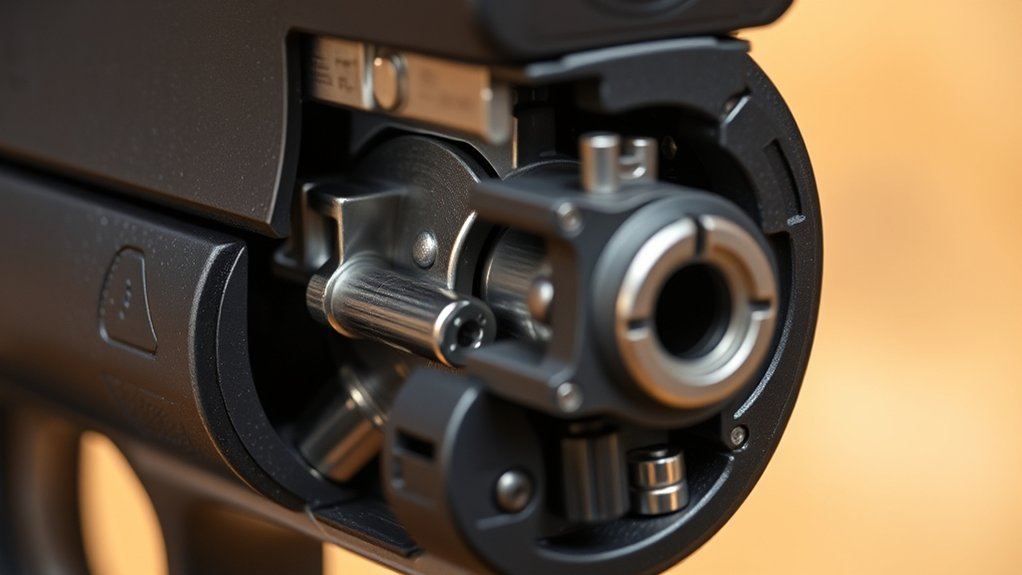
Because your Glock uses a striker-fired mechanism, dry firing causes the firing pin striker to release and cycle without igniting a primer.
When you dry fire, the firing pin moves forward, simulating a live shot but without the cartridge firing.
This design allows for safe dry fire practice, helping you develop trigger control without risking damage.
The firing pin in your Glock is built from durable materials, capable of withstanding thousands of dry fire cycles with minimal wear.
While repeated dry firing can cause slight wear on the firing pin or extractor over time, this impact is generally negligible and safe for most models.
For added safety and to prolong the firing pin’s life, consider using snap caps during dry fire practice.
Why Newer Glock Models Are Better for Dry Firing
As Glock keeps innovating, their newer models are now much better suited for dry firing. These models use improved materials and reinforced firing pin safeties that help make the firearm more durable.
This means you can practice trigger control without worrying about damaging your gun. Thanks to advances in engineering, these pistols can handle the repeated stresses of dry firing. You no longer need to use snap caps for safe practice.
The high-strength polymer frames combined with steel inserts boost their durability even more during dry fire sessions. Many manufacturers now explicitly say that their newer Glock models are safe for dry firing. This shows their commitment to making dry firing safe and effective.
How to Set Up Safe Dry Fire Practice for Your Glock
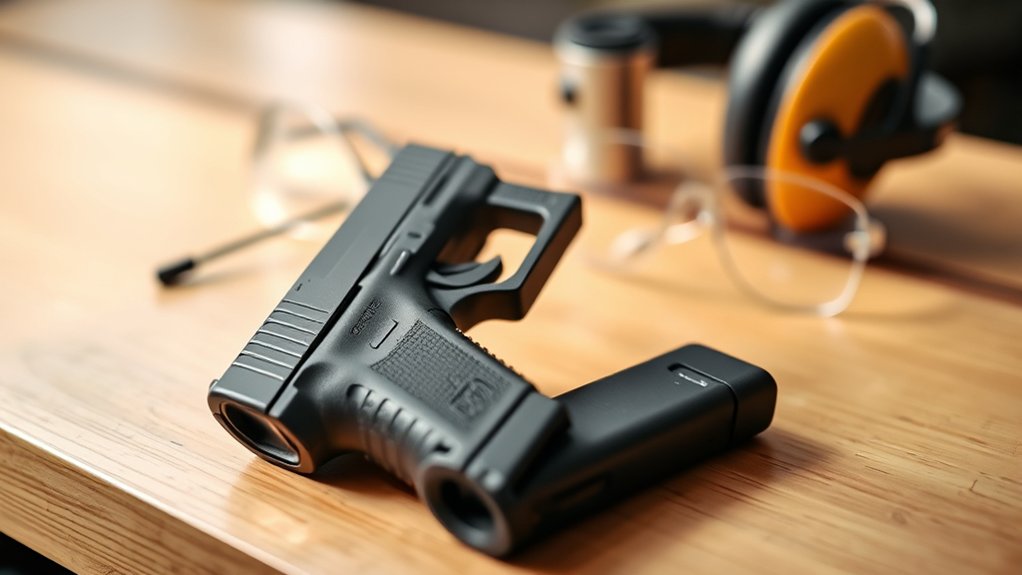
Before you start dry firing your Glock, make sure it’s completely unloaded. Remove all ammunition from your practice area to keep things safe.
Setting up safe dry fire practice is all about safety protocols and proper trigger control. It’s important to follow these steps to stay safe and get the most out of your practice.
First, check your Glock’s manual to confirm it’s safe to dry fire. Some models might have specific recommendations or precautions.
Next, use snap caps or laser training cartridges. These tools help protect the firing pin and extend the life of your firearm.
Set up a sturdy backstop to catch your dry fired targets. This will help prevent ricochets and keep your area safe.
Choose a distraction-free environment so you can focus fully. This helps improve your technique and keeps safety top of mind.
Always pay attention to your trigger pull. Aim for smooth, controlled movements to practice proper technique and safety.
Key Benefits of Dry Firing to Improve Glock Skills
Once you’ve set up a safe and distraction-free dry fire practice session, you can start enjoying the main benefits it offers for improving your Glock skills.
Dry firing helps sharpen your trigger control and trigger press, all without using live rounds. This consistent practice builds muscle memory, making your shots smoother and more natural. It also improves your sight picture and sight alignment, so you can shoot faster and more accurately.
Dry firing refines trigger control and sight alignment, building muscle memory for faster, more accurate shots without live rounds.
Using snap caps during drills protects your Glock’s firing pin, which helps extend your firearm’s lifespan. It’s a simple way to keep your gun in good shape while practicing.
Dry firing is great for spotting tiny micro-movements that might affect your accuracy. Once you notice them, you can make precise adjustments to improve.
Adding laser training cartridges gives you visual feedback, so you can see exactly how well you’re doing in real time. It’s a handy tool for refining your technique and building confidence.
Common Dry Fire Mistakes Glock Owners Make
Although dry firing is a valuable training tool, many Glock owners make critical mistakes that can compromise safety and damage their firearm. It’s really important to prioritize safety and proper technique during these sessions.
One common mistake is dry firing with a loaded chamber or without verifying that the gun is unloaded first. Never assume your gun is safe—always double-check.
Another mistake is skipping the use of snap caps or dummy rounds. This can lead to unnecessary wear on the firing pin and chamber. Protect your Glock by using the proper tools.
Also, keep in mind that some Glock firing pins are brittle and can break if not protected during dry fire practice. Be cautious and handle your firearm carefully.
Many people forget to check if the slide is fully locked back. Not doing so can hinder trigger control practice and give a false sense of readiness.
Lastly, practicing dry firing in unsafe or distracted environments is risky. Always choose a safe, dedicated space to ensure you and others stay safe.
Avoid these pitfalls to improve your skills safely and extend your Glock’s lifespan.
Frequently Asked Questions
Can Dry Firing Damage the Glock’s Striker or Firing Pin?
You won’t usually cause striker damage or firing pin wear by dry firing a modern Glock, as its internal components handle material fatigue well.
However, if your Glock is older or has worn parts, repeated dry firing might increase the risk of damage. It’s a good idea to be cautious in those cases.
To protect your gun, use snap caps during practice. They help cushion the firing pin and reduce wear.
Always check your specific model’s manual to confirm whether dry firing could harm its internal components over time.
How Often Should I Dry Fire My Glock for Skill Improvement?
You should aim for a dry fire frequency of 2 to 3 times per week, performing 50 to 100 dry fire drills each session.
This level of practice helps maximize skill development by reinforcing muscle memory and improving trigger control.
Regular dry fire sessions over several weeks will lead to noticeable gains in both accuracy and speed.
Stick to this routine, and you’ll find your Glock handling becoming smoother and more instinctive.
And the best part? You can do it without risking any damage to your firearm.
Are There Specific Glock Models That Should Never Be Dry Fired?
Yes, some Glock model variations, especially older or less common ones, should never be dry fired without caution.
Manufacturer recommendations advise using snap caps or dummy rounds for these models. This helps prevent damage to the firing pin and other internal parts.
Always check your specific Glock’s guidelines before dry firing.
Consulting the official manual or reaching out to Glock’s support can help you stay safe.
It’s important to follow these precautions so you can practice effectively without risking your firearm’s integrity.
What Accessories Enhance Dry Firing Practice With a Glock?
To enhance your dry firing practice with a Glock, use snap caps to protect the internal parts during your training drills. They help prevent damage and make your practice safer and more effective.
Incorporate laser training cartridges like Pink Rhino. These give you instant visual feedback, which is great for improving your trigger control and aiming accuracy.
The BlackbeardX system is another great accessory. It simulates realistic trigger resets, helping you refine your shooting technique without live fire.
Always pair these accessories with a quality backstop for safety. And don’t forget to regularly inspect your gear to ensure everything stays in good condition.
Follow these tips to make your dry fire sessions safe, productive, and fun every time.
Can Dry Firing Affect Glock Warranty or Service Agreements?
Dry firing your Glock usually won’t affect warranty implications if you follow manufacturer policies and avoid damage.
However, doing it repeatedly without using snap caps can cause wear on the firing pin or other parts. This wear might lead to service restrictions or even claims being denied.
If damage happens because of improper dry firing, you could be responsible for repair costs. In some cases, your warranty could be nullified.
Always check your owner’s manual to make sure you’re practicing safely. This helps protect your service agreements and keeps your Glock in good shape.
Conclusion
Think of dry firing your Glock like tuning a musical instrument. Done right, it sharpens your skills without wearing out the strings.
When you practice safely, using snap caps if needed, you’re building precision and confidence with every shot.
Avoid common mistakes, and your Glock will respond like a well-played melody.
Embrace dry fire as your secret rehearsal. It turns practice into mastery without firing a single bullet.