How To Open A Gun Safe – Access Guide And Tips
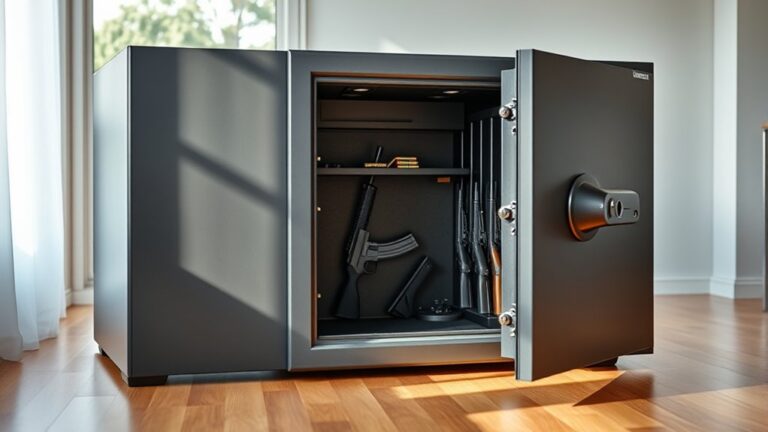
To open your gun safe, start by identifying the type of lock it has—whether it’s a mechanical dial, electronic keypad, or key lock. Make sure you have the correct combination or key ready.
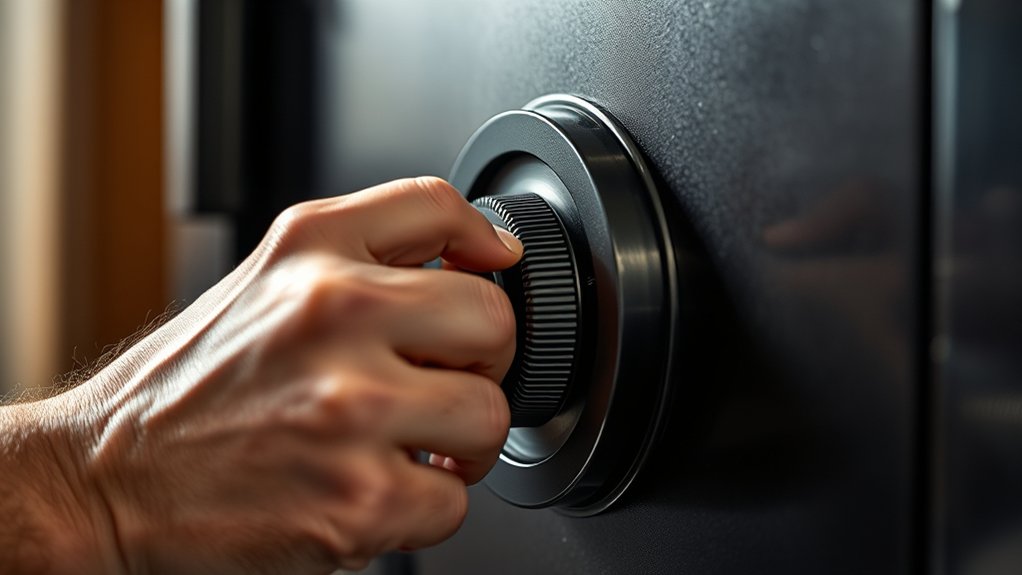
If you have a dial lock, carefully follow the combination sequence. Take your time to turn the dial smoothly and accurately.
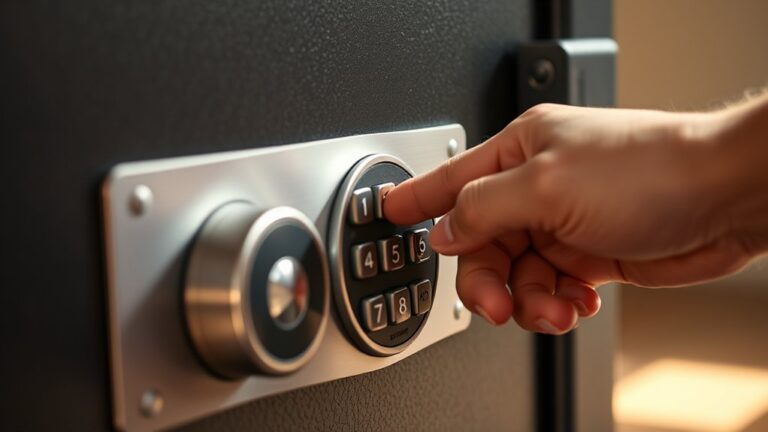
For electronic safes, check the batteries first. Replace them if needed and try entering your code again. If the keypad has an override key, use it if you’re having trouble.
Always keep backup access secure and only authorized people should have it. If you’re still having trouble opening the safe, avoid forcing it open. Forcing can cause damage or make the problem worse.
In that case, it’s best to contact a professional locksmith. They have the right tools and experience to help you safely open your safe.
Understanding how to properly maintain and prepare your safe can make access easier and more secure in the long run.
Identify Your Gun Safe Type and Lock Mechanism
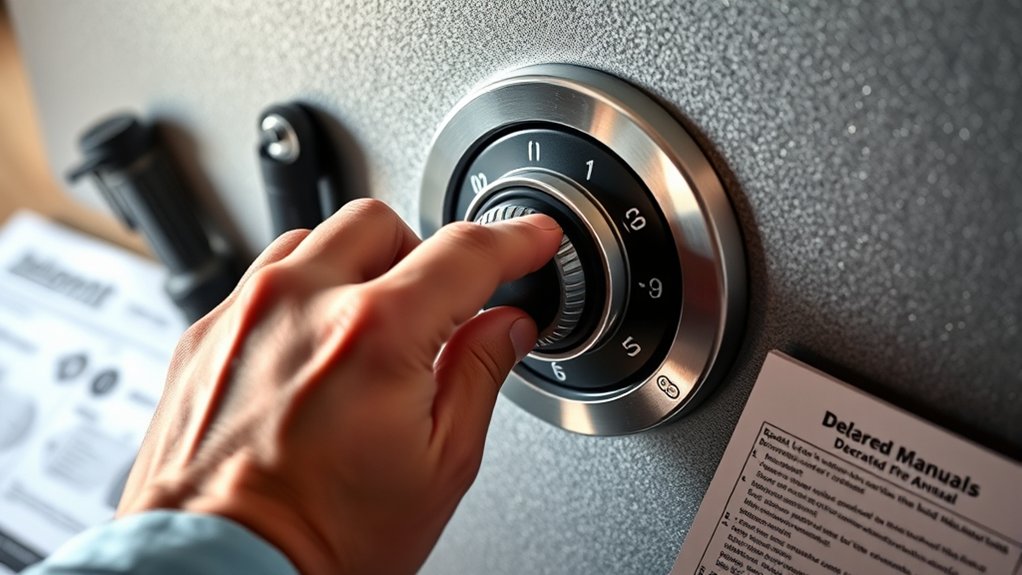
Before you try to open your gun safe, it’s important to figure out what type it’s and what kind of lock it has. Each type needs a different approach, so knowing this can save you time and prevent damage.
Safes can have all sorts of locking systems. Some are mechanical with dials that you turn to align tumblers. Others are electronic and use digital keypads. There are also safes operated with traditional keys.
Safes feature various locks—mechanical dials, electronic keypads, or traditional keys—each requiring a different opening approach.
Some models combine a combination lock with a key lock for extra security. This can make opening them a bit trickier. Recognizing your safe’s lock type is key—it helps you use the right method and avoid mistakes.
Look for visible controls like a dial, keypad, or keyhole. If you have any documentation or instructions, now’s a good time to check them out.
Getting a clear idea of your safe’s lock mechanism helps you open it safely and correctly. It also prevents you from using unnecessary force or risking damage during the process.
Essential Preparations Before Opening Your Gun Safe
Before you try to open your gun safe, double-check that you have the right access credentials—whether it’s the combination, key, or override code. It’s always good to make sure you’re using the correct info so you don’t run into any trouble.
If your safe has electronic locks, take a quick peek at the batteries. If they’re weak or dead, go ahead and replace them.
This simple step can save you from a frustrating lockout and help ensure everything goes smoothly when you open it.
Verify Access Credentials
Although you might be eager to open your gun safe, it’s important to verify that you have the correct combination, key, or override code first.
This helps you avoid getting locked out or causing any damage. Start by confirming the model of your safe and reviewing its manual.
If you’re unsure, contact the manufacturer for guidance. Knowing the proper procedure for your specific safe is always a good idea.
Carefully enter the combination or use the designated key, following the instructions exactly. Double-check that you’re using the right credentials.
Also, inspect the lock for any mechanical wear, like worn dials or loose keys, which could make opening more difficult.
Make sure you’re authorized to open the safe and have proof of ownership if needed.
Following these steps will help you avoid mistakes and keep your firearm storage secure.
Check Power Supply
When you’re preparing to open an electronic gun safe, it’s important to check if the power supply is working properly. Start by inspecting the batteries. Make sure they’re fresh, installed correctly, and approved by the manufacturer.
Use a multimeter to check their voltage. If the batteries are below the recommended level, replace them.
For safes with external power options, examine the power cords. Ensure they’re securely plugged into a working outlet.
Regular maintenance helps keep everything running smoothly. Replace batteries every 12 to 24 months to avoid unexpected power issues.
Overlooking these steps can lead to lockouts, so take your time and be careful.
Always double-check the power supply to keep your safe accessible when you need it.
How to Open Mechanical Dial Safes
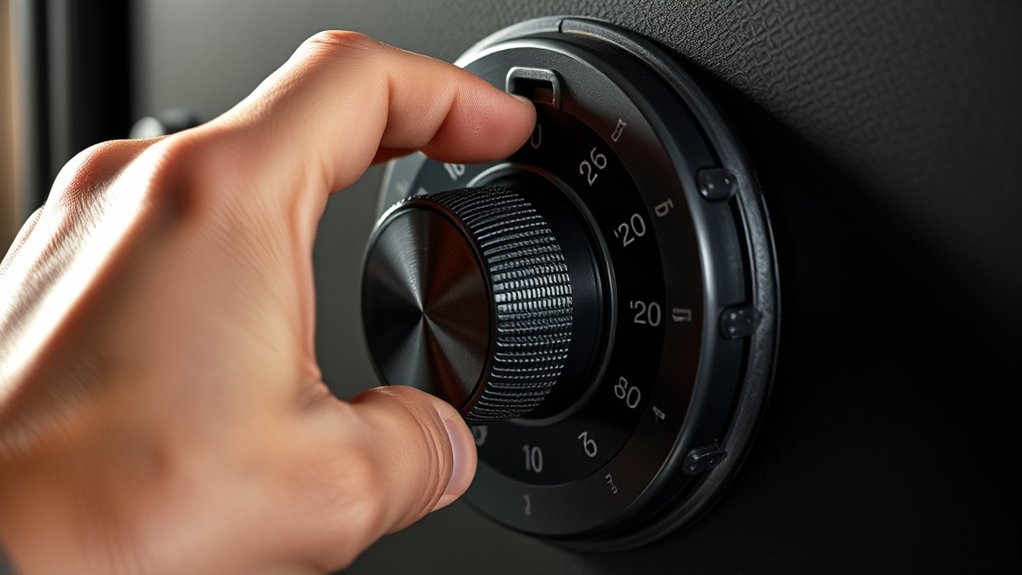
If you want to open a mechanical dial safe, you’ll need to follow a specific sequence of precise turns.
Start by turning the dial clockwise to clear it. Then, stop exactly on the first number of your combination codes.
Next, rotate the dial counter-clockwise, passing the first number once before stopping exactly on the second number.
Then, turn the dial clockwise again to the third number. Make sure to align it precisely with the index line without overshooting.
Once all three numbers are correctly dialed, engage the lock mechanism by turning the handle downward to open the safe.
Use smooth, deliberate movements and double-check each number as you go to avoid mistakes.
Mastering this process is key for mechanical dial safes, because dialing the combination correctly is the only way to open the safe reliably and securely.
Opening Electronic Gun Safes and Troubleshooting
First things first, make sure the batteries in your electronic gun safe are fresh and installed correctly. Sometimes, power issues happen just because the batteries are dead or not making good contact.
If the keypad isn’t responding, don’t panic! Just follow the code reset procedures outlined in your user manual. It’s important to do this carefully so you don’t accidentally lock yourself out.
And remember, it’s always a good idea to keep the override key somewhere safe but accessible, just in case you need it.
If you’re still having trouble after trying these steps, be sure to check the manual for specific troubleshooting tips related to your model.
Battery Replacement Tips
Maintaining your electronic gun safe’s battery is key to making sure you can always get in when you need to. It’s a good idea to check the batteries regularly and replace them at least once a year. Use high-quality, manufacturer-recommended batteries for the best results.
Dead batteries are a common reason the keypad stops responding. Replacing them on time keeps your lock reliable and ready to use.
When swapping out batteries, carefully remove the old ones, making sure to note the correct polarity.
Insert the new batteries correctly, then test the safe to make sure it’s working before closing it up.
It’s smart to keep spare batteries nearby so you’re not caught off guard during an emergency or routine access.
Following these simple tips will help keep your safe ready to go. This way, you’ll avoid frustrating lockouts caused by weak or dead batteries.
And most importantly, your firearms will stay protected and accessible whenever you need them.
Code Reset Procedures
Proper battery care keeps your electronic gun safe functioning smoothly. But sometimes, you may still need to reset the code to regain access or fix keypad issues.
Start by checking the manufacturer’s manual, since reset procedures can vary depending on the model. Many safes have a hidden reset button, often located inside the keypad or behind a panel. You can press this button with a paperclip or a similar tool.
If the keypad isn’t responding, try replacing the batteries first. Then, attempt entering the factory settings code to disengage the safe.
Some models offer a master override or emergency reset option in case you’ve forgotten the code.
Always make sure you know your safe’s model and serial number before attempting a reset. If you’re unsure about the process, don’t hesitate to contact customer support.
This helps prevent any damage or accidentally voiding your warranty.
Electronic Lock Troubleshooting
When electronic locks fail to respond or accept your code, it’s important to troubleshoot the issue step by step to regain access without causing damage.
Start by checking the batteries. Dead or low batteries are a common reason why electronic locks stop working. Use a multimeter to verify the voltage and replace them with batteries recommended by the manufacturer.
If the keypad isn’t responding, try cleaning it gently with a soft cloth. Sometimes dirt or grime can interfere with the buttons.
Next, reset the lock to its factory settings, especially if you’ve forgotten the code. Follow the manufacturer’s instructions carefully to do this.
If these steps don’t work, contact the manufacturer for additional troubleshooting help or to get override codes.
Persistent problems should be handled by a professional, like a locksmith or safe technician. They can fix the issue safely and prevent any damage to your gun safe or lock mechanism.
How to Use Backup Keys and Override Codes for Gun Safe Access
Although electronic or mechanical locks usually work reliably, it’s smart to keep backup keys and override codes handy. That way, you’ll still be able to access your safe if the primary method fails.
Backup keys are generally stored somewhere secure and separate from the safe. This helps prevent unauthorized access while still giving you a reliable backup.
Override codes, which are provided by the manufacturer, are a crucial fallback. They come in handy if you forget the combination or lose the primary key.
To use these options properly, keep backup keys and override codes in a secure, hidden spot away from the safe.
Make sure to check on them regularly to ensure they’re in good condition and accessible when needed.
Always follow the manufacturer’s instructions carefully to avoid damaging the lock or voiding your warranty.
Using these methods correctly means you can open your gun safe safely and without hassle when you need to.
When to Call a Professional Locksmith (And How)
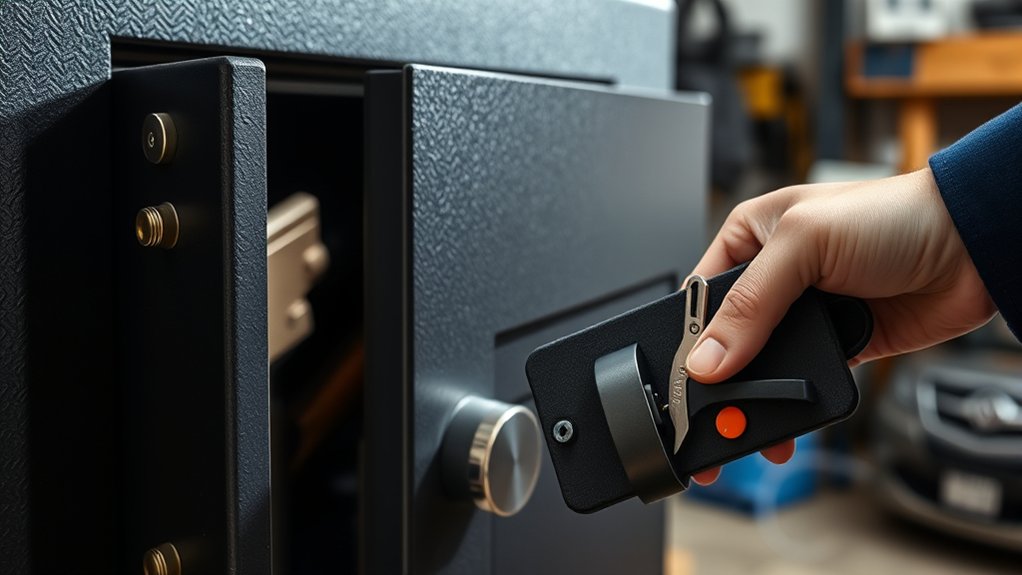
If you find yourself unable to open your gun safe after trying all troubleshooting steps, it’s important to contact a licensed locksmith right away. This is especially true if the lock mechanism looks damaged or isn’t responding.
Don’t try to force it open by drilling or prying. These methods can cause permanent damage to your safe and may void any warranty you have. It’s better to leave it to the experts.
Avoid drilling or prying your safe—these can cause lasting damage and void your warranty.
Before calling a locksmith, make sure you can prove you own the safe and are authorized to open it. This helps avoid any legal issues down the line.
Choose a professional locksmith who’s insured and experienced with gun safes. An experienced locksmith knows the ins and outs of safe locks and will handle the situation carefully.
They’ll minimize the risk of damaging your safe and ensure you get access quickly and securely. Contact a licensed locksmith as soon as possible to protect your safe and its contents.
Tips to Maintain Your Gun Safe and Prevent Lockouts
To keep your gun safe functioning reliably and avoid lockouts, you need to stay on top of regular maintenance and follow best practices.
Neglecting this can lead to costly access issues when you need your firearm the most. Always change the batteries in electronic safes promptly and check their status regularly. This helps prevent lockouts caused by power failure.
Securely store your backup key and master codes in separate, memorable locations. That way, you’ll have quick access during emergencies. Keep a record of the correct combination and update it as needed to avoid forgetting codes.
Also, make sure to clean and lubricate mechanical parts using manufacturer-approved products. This reduces wear and keeps everything working smoothly.
If you encounter any problems, don’t hesitate to contact the manufacturer for guidance.
Consider scheduling professional inspections every five years. Regular checkups can catch issues early and keep your gun safe in top condition.
Frequently Asked Questions
Can I Open a Gun Safe Without the Combination or Key?
You generally can’t open a gun safe without the combination or key without risking damage.
Lock picking and bypass techniques require expertise and mightn’t work on modern safes.
Safe drilling or password hacking often voids warranties and can compromise security.
If you need emergency access or find yourself locked out, it’s best to call a professional locksmith.
They have the specialized tools and skills to open safes safely and legally.
This way, you keep your safe intact and avoid unnecessary trouble.
How Do Environmental Factors Affect Gun Safe Lock Performance?
Ever wondered how humidity effects and temperature sensitivity impact your gun safe lock? Moisture intrusion can cause corrosion risk, leading to rusted or stuck mechanisms.
Rapid climate changes may cause condensation, damaging electronic components.
Without proper environmental shielding and climate control, dust, dirt, and heat degrade plastic parts. This reduces lock reliability and can make your safe less secure.
To keep your safe functioning smoothly, you need to maintain stable conditions. Protect it from harsh environmental factors like moisture, extreme temperatures, and debris.
Regular checks and proper placement can go a long way in keeping your lock in top shape.
Are Biometric Gun Safes More Secure Than Mechanical or Electronic Locks?
Biometric security generally offers quicker access and reduces risks tied to lost keys or forgotten codes. However, it’s not foolproof. The accuracy of biometric scanners can suffer if they’re dirty or damaged, which means regular calibration is needed.
Mechanical locks are pretty reliable but come with their own issues. You might lose the key or face forced entry, which can compromise safety.
Electronic safes bring advanced features but can be vulnerable to hacking. This makes them less secure if not properly protected.
To boost safety, it’s a good idea to combine biometric features with other security measures. Multi-factor authentication can add an extra layer of protection and peace of mind.
What Should I Do if My Gun Safe Alarm Keeps Going Off?
If your gun safe alarm keeps going off, start by performing the alarm reset procedures listed in your manual. Sometimes a simple reset can solve the issue quickly.
Next, check for maintenance problems like low battery life or wiring faults. These small issues can cause false alarms and are easy to fix.
Troubleshoot your security system by reviewing the sensitivity settings. Make sure your safe isn’t in a spot where vibrations from nearby activities might trigger the alarm.
Also, consider the safe’s location. Placing it in a stable, vibration-free area can reduce false triggers.
If the problem continues, think about upgrading your alarm system or contacting a professional locksmith. They can help diagnose and fix more complex issues.
Acting quickly helps keep your safe secure and working properly without unnecessary disruptions.
Can I Change the Combination on My Gun Safe Myself?
Yes, you can change the combination on your gun safe yourself if the model supports combination resetting.
Just make sure to follow the manufacturer’s instructions carefully so you don’t accidentally cause lock replacement or emergency access issues.
It’s a good idea to update your code periodically for better security.
If you run into any troubleshooting problems, don’t force the change.
Instead, contact customer support to avoid damaging the safe or getting locked out.
Taking these cautious steps will help keep your safe secure and working properly.
Conclusion
Remember, “a stitch in time preserves nine.” By understanding your gun safe’s lock type and preparing properly, you can avoid frustrating lockouts.
Whether you’re using mechanical dials, electronic keypads, or backup keys, approach each step cautiously and methodically. Take your time and double-check your inputs before moving on.
If you run into a snag, don’t hesitate to call a professional locksmith. Trying to force it open might cause damage, which you definitely want to avoid.
Regular maintenance of your safe keeps things working smoothly. This ensures reliable access and keeps your firearms protected when you need them most.
Stay vigilant and prepared.