How To Hide A Gun Safe – Placement Ideas And Tips
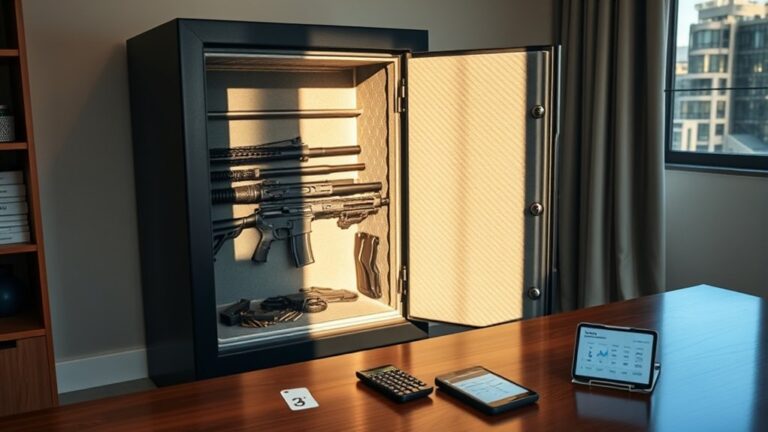
To hide a gun safe effectively, place it in discreet spots like basements, closets, or behind furniture. These locations help it blend into your decor while staying secure and protected from environmental risks.
Use false walls, hidden compartments, or camouflage with clutter to keep it out of sight. These tricks make it harder for anyone to find or recognize the safe.
Balance concealment with quick, authorized access by choosing lock types wisely. Bolting the safe down is also a good idea to prevent theft or tampering.
Smart placement and clever disguises are key to safeguarding your firearms. Explore deeper strategies to refine your setup and keep your guns safe and out of plain sight.
Why Hiding Your Gun Safe Makes Your Home Safer
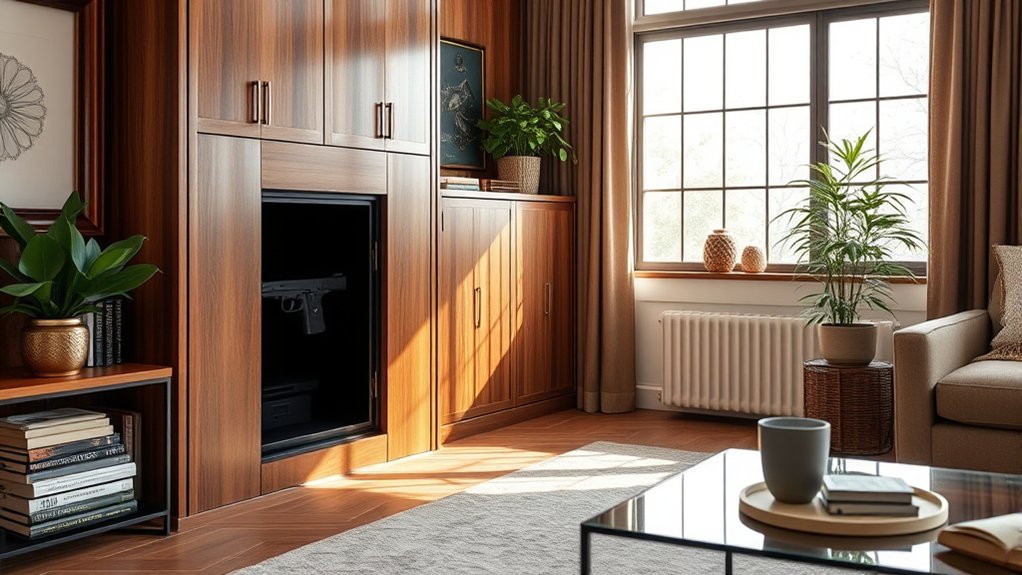
Because burglars often target visible safes, hiding your gun safe can significantly lower the risk of theft and unauthorized access.
Using concealed safes helps keep firearms out of sight and reach, which is especially important for child safety and preventing burglaries.
Discreet storage options, like hidden compartments, reduce the chances of your safe drawing attention during a break-in.
Hiding your safe not only prevents theft but also keeps curious visitors or neighbors from snooping around.
By blending your safe into your home’s environment, you create a practical barrier against unauthorized access.
This ensures your firearms stay secure and out of reach of the wrong people.
Prioritizing safe concealment is an easy and effective way to protect your valuables and keep your family safe.
Best Locations to Hide Your Gun Safe at Home
When deciding where to hide your gun safe at home, it’s important to consider both the pros and cons of different spots.
For example, basements and closets each have their own advantages and drawbacks when it comes to security and easy access.
If you’re thinking about hiding it in the living room, that can be a pretty clever move since it helps keep the safe out of plain sight.
Just make sure to plan carefully so it doesn’t stand out or get spotted easily.
Now, the garage might seem like a convenient spot, but it comes with some challenges.
The temperature can fluctuate a lot there, which isn’t great for your firearms, and it’s also usually less secure.
Basement And Closet Options
When choosing a spot to hide your gun safe, basements and closets are some of the best options. They offer natural concealment and easy access.
Basements are great because they’re often tucked away in corners or behind shelving. This makes your safe less visible and less likely to catch a burglar’s eye. Plus, basements usually have stable temperature and humidity, which helps protect your firearms over time.
Closets are convenient because you can keep your safe hidden behind clothing, false panels, or locked compartments. This way, you get quick access when you need it. Just make sure the closet door isn’t easy to inspect and that you reinforce the structure.
It’s important to reinforce both basement floors and closet structures to support the weight of the safe. Prioritize these discreet, reinforced spots to boost security and concealment.
That way, your gun safe stays well-hidden without sacrificing safety or easy access.
Living Room Concealment
Although living rooms are central gathering spaces, they also offer some clever ways to hide a gun safe without making it obvious.
One option is to use custom furniture like end tables, coffee tables, or storage ottomans that have hidden compartments. These can conceal your safe while still being easy to access when needed.
Another idea is to install hidden wall panels or false panels behind artwork, mirrors, or picture frames. This creates seamless concealed spaces that blend right into your decor.
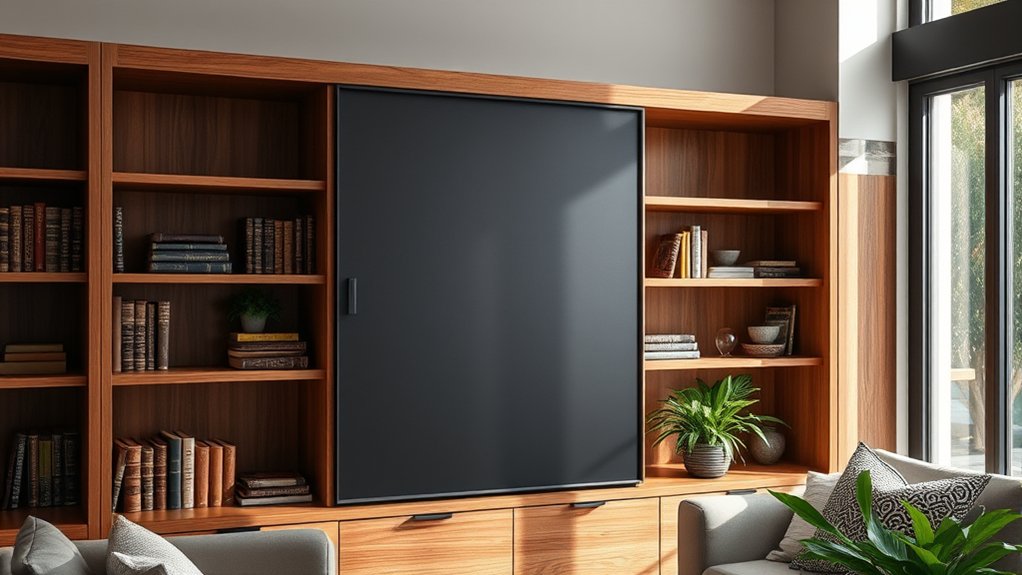
You can also hide the safe within built-in shelves or behind large entertainment centers. Just make sure it’s placed away from windows and high-traffic areas to keep it discreet.
These strategies help your safe blend naturally with your living room decor. Plus, they provide secure, practical, and easy-to-reach storage solutions.
Garage Storage Challenges
Since garages often experience temperature swings and offer less security than other parts of the home, storing your gun safe there requires careful planning. The uninsulated environment can damage firearms and ammunition, so consider adding climate control or protective liners inside the safe.
Security is a big concern. Garage doors are common targets for burglars, making quick access easy for thieves. To help prevent this, bolt down your safe so it can’t be easily removed.
Try to conceal the safe within clutter or behind cabinets. This reduces visibility and makes it less tempting for someone to break in. Avoid placing it near the garage entrance or windows, as these spots are more vulnerable.
Remember, clutter can be both helpful and a problem. Use it strategically to hide the safe without making it hard for you to access when needed.
A good garage storage setup balances concealment, security, and environmental protection. This way, your firearms stay safe and in good condition.
General Concealment Strategies for Gun Safes
If you want to keep your gun safe truly out of sight, blending it into your existing decor is one of the most effective concealment methods. To achieve discreet hidden storage with maximum security, focus on these three strategies:
First, try camouflaging your safe by placing it behind furniture like bookshelves or large cabinets. This technique disguises the safe as part of the room’s natural layout. It makes it less likely anyone will notice it at a glance.
Next, consider using fabric covers or furniture cloaks. These help conceal the safe’s shape and prevent easy detection. Plus, they add an extra layer of disguise and protection.
Finally, choose less obvious locations such as pantries, under stairs, or inside closets. These spots offer discreet security by keeping safes out of plain sight.
With these simple tips, your safe stays hidden in plain sight.
Hidden Panels and False Walls for Concealment
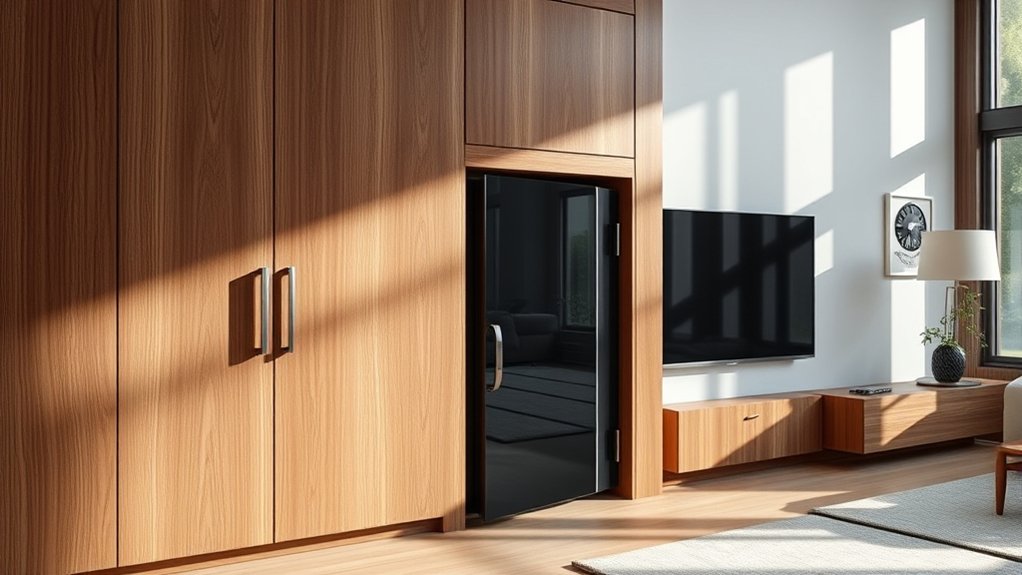
When you want to hide your gun safe with maximum discretion, hidden panels and false walls are a great option. By modifying drywall or paneling, you can create hidden compartments that blend right in with your existing walls. This makes it almost impossible for someone to detect the safe.
False walls, reinforced with sturdy framing and locking mechanisms, give you both concealment and security. They ensure your safe stays protected and out of sight.
Using drywall, plywood, or decorative panels lets you create discreet access points that don’t give away the safe’s location.
Proper wall modifications and careful finishing are key. You want to make sure everything looks flawless so there’s no suspicion during routine inspections or casual glances.
With some planning and effort, hidden panels and false walls provide a practical, secure, and nearly invisible way to hide your gun safe.
Disguising Your Gun Safe With Furniture and Decor
Although securing your gun safe is essential, disguising it within furniture and decor is a smart way to keep it out of sight without losing easy access.
Focus on practical strategies like using large furniture such as bookcases or armoires. These pieces can blend your safe seamlessly with your existing decor, making it less suspicious.
Use large furniture like bookcases or armoires to seamlessly blend your gun safe with your decor.
You can also incorporate hidden compartments or false panels in custom-built furniture. This way, the safe stays completely disguised but remains easy to reach when needed.
Covering the safe with fabric or decorative cloth that matches surrounding furniture is another effective trick. It helps make the safe less noticeable and keeps a uniform look in your space.
Integrating your gun safe into furniture without obvious signs of tampering ensures discreet concealment.
With a little planning and customization, you can keep your safe both secure and naturally hidden within your home’s decor.
Pros and Cons of Garage, Basement, and Closet Storage
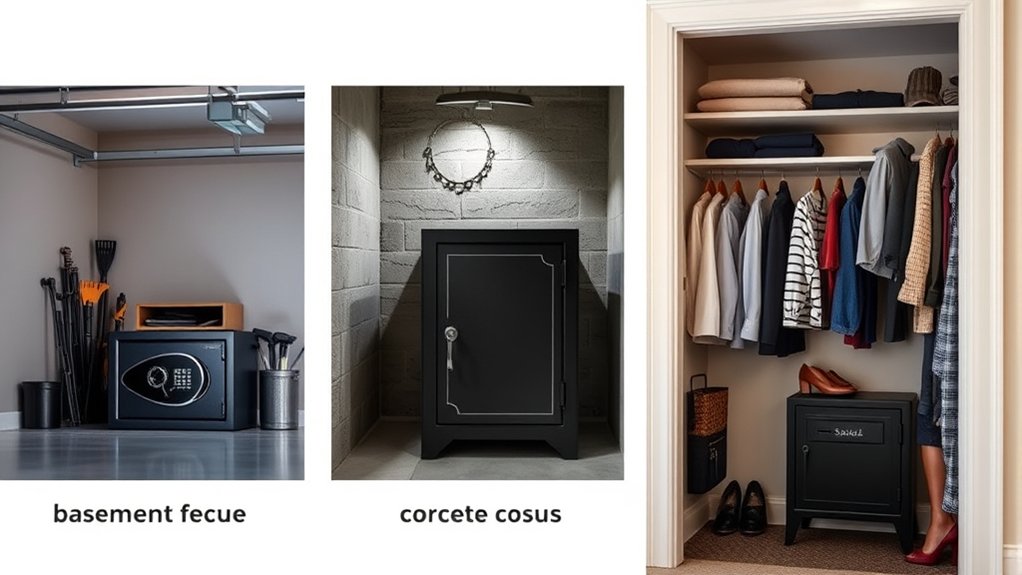
You might want to think twice before putting your gun safe in the garage. The temperature there can swing pretty wildly, which isn’t great for your safe. Since garages are more accessible, they also increase the risk of theft or damage.
Basements can be a better option since they usually have more stable conditions and are easier to hide. But keep an eye out for moisture and clutter—both can cause issues with your safe over time.
As for closets, they’re super convenient for quick access, but they often don’t offer the security or discreetness you really want for your firearms.
Garage Storage Risks
Where should you store your gun safe to balance security and environmental risks? The garage has some unique challenges to consider.
First, theft prevention is a big concern. Garages are often vulnerable because doors can be easier to breach, and safes can be visible. If your safe isn’t well-concealed or bolted down, someone might steal it using a vehicle or chains.
Second, think about security and access control. Many garages don’t have strong locking systems, which means there’s a higher risk of unauthorized access. To keep your firearms safe, you’ll need to add better security measures.
Third, environmental risks are common in garages. Temperature swings and humidity can damage firearms and ammunition over time.
If you decide to store your safe in the garage, make sure it’s securely bolted down and hidden from view. Pair it with strong access controls to prevent unauthorized use.
Ignoring these factors can put your firearms and home security at risk. Proper precautions are essential to keep everything safe and secure.
Basement And Closet Benefits
Because basements and closets offer different advantages, choosing the right spot for your gun safe is all about balancing security, accessibility, and environmental factors.
A basement provides excellent concealment and strong structural support. It also offers stable temperature and humidity levels, which helps keep your firearms in good condition. However, you’ll need to address moisture and potential flooding risks to keep your safe secure and your guns protected.
Closets are great for quick access and discretion. If they’ve a lockable door, they can be quite secure too. But they usually lack good environmental control, which might affect your firearms over time. Plus, closets can be easier for intruders to find or access.
Both options tend to be better than garages when it comes to concealment and ease of access. Still, you should think about climate stability and how easily someone might notice the safe.
Ultimately, whether you go with a basement or closet, prioritizing structural support and environmental control is key. This way, your gun safe stays secure and your firearms stay in top condition.
Balancing Gun Safe Accessibility and Concealment
Although it’s important to keep your gun safe out of plain sight, you also need to make sure it’s easy to access in emergencies. Balancing concealment and quick access is key.
Start by choosing a safe location that’s discreet. Keep it away from obvious entry points and areas with a lot of foot traffic. This way, it stays secure without attracting unwanted attention.
You might also consider hidden compartments or disguised safes, like furniture pieces. These can hide your gun safe effectively while still letting you get to it quickly when needed.
Installing biometric or keypad locks is a great idea too. They allow trusted users to open the safe fast without making it obvious or compromising concealment.
Frequently Asked Questions
What Maintenance Is Required to Keep a Gun Safe Functional?
You need a strict cleaning schedule to keep dust and debris out of your gun safe. Regularly dust and wipe down the interior to prevent buildup that could cause issues later.
Focus on lubrication points like hinges and bolts annually to guarantee smooth operation. This helps prevent sticking or squeaking when opening or closing the safe.
Replace batteries regularly to avoid lock failures. It’s also a good idea to perform lock calibration to maintain security and ensure the lock functions properly.
Organize the interior to prevent moisture buildup. Keep items neat and consider adding silica gel packs to control humidity levels.
Inspect the safe for any damage or rust. Address issues promptly to keep your safe in top shape.
Maintain proper ventilation to help control humidity and prevent corrosion.
Don’t forget to stay on top of security updates. Keeping your safe’s software and locks up to date makes it more reliable and tamper-proof.
How Do Humidity and Temperature Affect Gun Safe Storage?
Humidity and temperature act like silent thieves, slowly stealing your firearm’s integrity. You need humidity control and temperature regulation to prevent corrosion and mold growth.
Using a dehumidifier and moisture barriers inside the safe helps protect climate-sensitive materials from damage.
Regular environmental monitoring is also key to keeping the safe’s environment ideal.
Without these precautions, condensation can form. This weakens your gun safe’s structure and risks damaging your investment.
Stay proactive to keep your firearms secure and in pristine condition.
Are Biometric Locks More Secure Than Traditional Lock Types?
Yes, biometric locks generally offer higher security than traditional locks because of their biometric accuracy and quick access through fingerprint sensors.
But it’s also important to think about how durable the lock is and whether it could be hacked. The quality of the system really matters here.
Technology upgrades are making biometric locks safer and reducing the chances of failure.
Managing who’s access is key to keeping everything secure. Proper user management helps prevent unauthorized entry.
Always go for a reliable model that balances convenience with strong protection.
Can a Gun Safe Be Insured Separately From Home Insurance?
When it comes to insuring a gun safe, you can definitely get coverage separate from your home insurance. It’s not a one-size-fits-all kind of deal.
If you’ve invested in discreet locations like wall mounting, floor concealment, or furniture integration, you’ll want specialized policies that recognize those hidden storage methods.
Hidden compartments and camouflaged hiding spots may require proof of value or security features.
Always check with your insurer to make sure your gun safe is properly covered.
What Size Gun Safe Is Best for Different Firearm Collections?
For small collections, go for a compact safe. Look for one with customizable interiors. This helps you maximize firearm organization and keeps your gun safe looking tidy.
Medium safes are great if you have multiple handguns and rifles. They usually offer concealed placement options. Some even have security alarm integration for extra safety.
Large safes work best if you have an extensive collection. They balance easy access with secure installation tips. This way, your collection stays protected but still reachable when you need it.
If you want flexibility, consider portable safe options. They’re easy to move and adapt to different spaces. Always think about future expansion when choosing your ideal gun safe size.
Conclusion
Hiding your gun safe effectively boosts home safety. Did you know 60% of burglaries happen because valuables are left unsecured?
Choosing the right location is key. Consider spots like closets or basements where a thief might not look first.
Using concealment techniques can make a big difference. Think about false walls or disguised furniture to keep your safe hidden.
Balancing concealment with quick access is important. You want to be able to reach your firearms fast if needed, but also keep them out of sight from intruders.
Taking practical steps now can help protect your family. Smart, thoughtful placement is the way to go for safety and peace of mind.