
Do You Need A Concealed Carry Permit In Ohio – Legal Requirements Explained
You don’t need a concealed carry permit in Ohio if you’re 21 or older and legally eligible, thanks to permitless carry since 2022. However, permits are still necessary for carrying in restricted areas, for interstate travel under reciprocity, and for added legal protections.
You must still follow laws about where you can’t carry, like schools and government buildings. Training isn’t required for permitless carry but is essential if you want to get a permit.
There are more details that explain when permits and rules apply, so it’s a good idea to know exactly what’s required depending on your situation.
Key Takeaways
- Ohio allows permitless concealed carry for adults 21+ who meet legal criteria, with no training or background check required since June 13, 2022.
- A concealed carry permit is still needed for reciprocity, carrying in restricted places, and legal protections during law enforcement encounters.
- Individuals under 21 cannot carry concealed without a permit, regardless of other eligibility factors.
- Eligibility for a permit requires Ohio residency, no disqualifying convictions, and completion of an 8-hour firearm safety course.
- Carrying concealed is prohibited in certain places like schools, government buildings, mental health facilities, and airports beyond security checkpoints.
Who Can Carry Concealed Without a Permit in Ohio?

Who can legally carry a concealed handgun without a permit in Ohio? Adults aged 21 and older who meet legal eligibility requirements can carry a loaded, concealed handgun without a permit since June 13, 2022. This applies to Ohio residents and non-residents employed in Ohio.
You don’t need firearms training, a background check, or a license to carry under this permitless carry law. However, if you’re under 21, carrying a concealed handgun remains illegal.
While carrying without a permit is lawful for eligible adults, you still have to follow handgun safety and storage regulations to prevent accidents and unauthorized access. Permits are available if you want reciprocity or extra legal protections but aren’t required for basic concealed carry under current Ohio law.
When Is a Concealed Carry Permit Still Required?
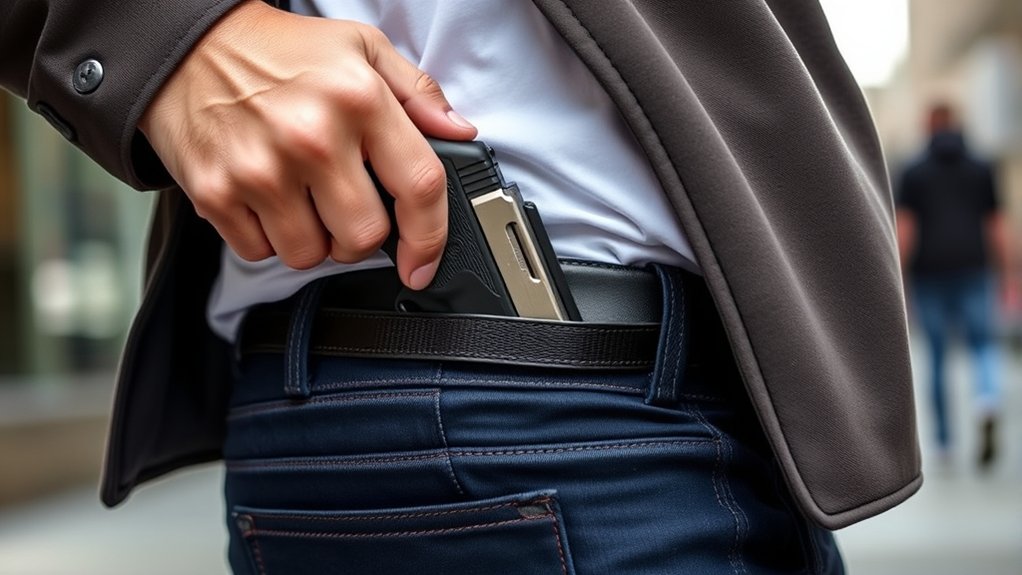
You still need a concealed carry permit when you’re traveling to other states that recognize Ohio’s permits through reciprocity agreements.
If you’re carrying in school safety zones or places with specific restrictions, a valid permit is also required—unless you qualify for certain exemptions.
Plus, having a permit offers legal protections and benefits, especially if law enforcement asks for proof during a stop.
Reciprocity And Travel
Although Ohio recognizes concealed carry permits from other states through reciprocity agreements, non-residents still need a valid permit to carry concealed unless they qualify under Ohio’s permitless carry laws.
If you hold an Ohio permit, you can carry concealed in states honoring Ohio’s reciprocity.
However, when traveling to states without reciprocity, you must follow their specific laws, which may include obtaining a local permit or adhering to permitless carry rules.
Remember, Ohio’s permitless carry applies only within Ohio to adults 21 and older.
Out-of-state residents employed in Ohio can carry with an Ohio permit, but this privilege ends if their employment does.
Understanding these nuances helps clear up common concealed carry myths and reinforces responsible gun safety while traveling across state lines.
School Zone Regulations
When carrying a firearm near school property in Ohio, a concealed carry permit is still mandatory unless the weapon is securely stored inside a locked vehicle. The law aims to enhance school safety by regulating firearm storage and possession within 1,000 feet of school zones.
Without a permit, carrying a firearm in these areas is a felony. Even with a license, you have to follow strict legal conditions.
Leaving a firearm in a locked vehicle on school grounds doesn’t break these rules, as long as it stays inaccessible.
Here are some essential points about school zone regulations:
- A permit is required to carry within 1,000 feet of schools.
- Carrying without a permit is a felony offense.
- Firearms must be stored securely in locked vehicles.
- School or law enforcement authorization is necessary.
- These laws prioritize school safety and responsible firearm storage.
Legal Protections Benefits
How does a concealed carry permit continue to protect you in Ohio despite permitless carry laws? Even though you can carry without a permit, legal protections and permit benefits remain vital.
You still need a permit to carry in restricted areas like school zones and government buildings. Without one, carrying concealed there can lead to criminal charges.
Your permit also serves as proof of training and is necessary for entry into places requiring a license. Additionally, it guarantees reciprocity with other states, allowing you to carry legally beyond Ohio.
Law enforcement may ask to see your permit during stops if you’re carrying concealed, which shows its ongoing legal importance.
What Are the Legal Eligibility and Training Requirements?
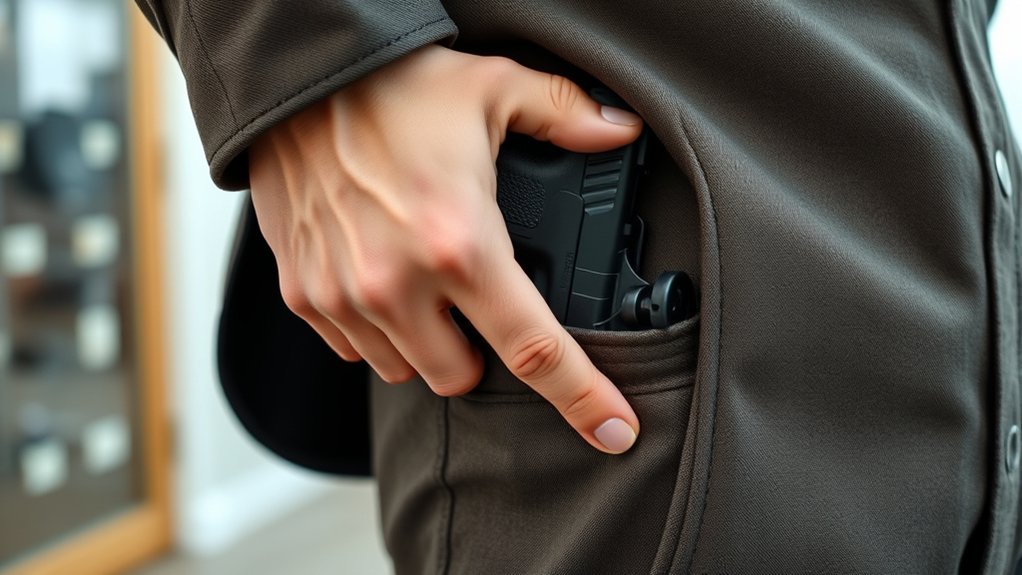
To qualify for an Ohio concealed carry permit, you need to be at least 21 years old. You’ll also have to complete an 8-hour firearm safety course, which includes both classroom instruction and live-fire training.
Your training certification must be current within the last three years. However, there are some exceptions if you have military or law enforcement experience.
On top of that, you can’t have any disqualifying criminal records, mental health restrictions, or active protective orders that would make you ineligible.
Eligibility Criteria Overview
Although Ohio law permits many residents to apply for a concealed carry permit, you must meet specific eligibility criteria to qualify. You need to be at least 21 years old and have lived in Ohio for a minimum of 45 days.
Passing a firearms safety training course is essential, covering safe firearm storage and handling. This course lasts at least 12 hours and includes both classroom instruction and practical exercises. Additionally, you must obtain certification within three years before applying.
Certain disqualifications, such as felony convictions or protective orders, will bar you from licensing procedures.
Key eligibility factors include:
- Minimum age of 21
- Ohio residency of at least 45 days
- Completion of 12-hour firearms safety training
- Certification obtained within three years
- No felony convictions or mental incompetence
Mandatory Training Components
Meeting Ohio’s eligibility standards involves more than just age and residency requirements. You’ll also need to complete specific firearm safety training. This entails an 8-hour course demonstrating your competency in safe handling, storage, and shooting skills.
The course includes at least 2 hours of in-person instruction on firearm maintenance, safe use, storage, and ammunition handling. You must pass both written and practical exams to prove your proficiency.
Certification must be obtained within three years before applying for a concealed carry license.
These licensing procedures guarantee you understand responsible firearm use. Exemptions apply to active military, retired law enforcement, and federal officers with proper documentation, relieving them from these training requirements.
Meeting these standards helps maintain safety and compliance throughout the licensing process.
Disqualifications And Restrictions
Even if you meet the basic criteria like age and residency, Ohio has some strict rules that might stop you from getting a concealed carry permit.
For example, if you have felony convictions or certain violent misdemeanors, you can’t apply. Also, if you’re currently under indictment, that’s a no-go.
If there’s a court-issued protection order against you, that also means you’re not eligible. Issues like mental incompetence or substance abuse will disqualify you as well.
On top of that, you need to complete an approved firearm safety training course within three years before applying. This course covers things like safe handling, ammunition restrictions, and storage regulations.
Here are some key disqualifications and restrictions to keep in mind:
- Felony convictions and violent misdemeanor records
- Current indictments or protection orders
- Mental health and substance abuse prohibitions
- Mandatory proficiency in firearm safety training
- Compliance with ammunition restrictions and proper storage regulations
Where Can You Not Carry a Concealed Handgun in Ohio?
When carrying a concealed handgun in Ohio, you need to avoid certain places where guns are clearly not allowed. For example, you can’t carry in police stations, sheriff’s offices, highway patrol posts, or any BCI-controlled premises.
Correctional institutions, detention centers, and courthouses also have restrictions on concealed carry.
Some government buildings don’t allow it either. Airports are off-limits beyond the security checkpoints, and mental health facilities prohibit firearms as well.
Schools, school buses, and designated school safety zones usually don’t allow guns unless you have a valid CHL and follow specific rules.
Places of worship might restrict firearms too, unless the organization says it’s okay.
It’s important to watch for concealed carry signs since they clearly mark where you can’t carry.
Also, keep in mind that ammunition rules might be stricter in these areas, so always check local laws before carrying your handgun.
Why Get a Concealed Carry Permit If Permitless Carry Is Allowed?
While Ohio allows adults 21 and older to carry a concealed handgun without a license, getting a concealed carry permit still comes with some key benefits. For one, a permit gives you reciprocity with other states, which means your carry rights are recognized beyond Ohio. It also serves as legal proof that you’ve undergone proper training and follow responsible firearm storage practices.
Using concealed carry apps can be a great way to stay updated on where permitless carry isn’t allowed, so you can stay compliant with the law. Plus, some places still require a valid license to carry legally. Holding a permit shows you’re serious about safety and legal accountability.
Here’s what you get with a permit: access to reciprocity benefits in multiple states, a way to demonstrate responsible firearm handling, and extra legal protections if you ever have an encounter with law enforcement.
You can also lawfully carry in restricted areas like schools and government buildings. And, again, concealed carry apps help you navigate the often tricky carry laws with confidence.
What Are the Consequences of Violating Ohio Concealed Carry Laws?
If you violate Ohio’s concealed carry laws, you could face serious legal consequences ranging from misdemeanors to felonies depending on the nature of the offense. Carrying a concealed weapon in prohibited locations like schools or government buildings may result in felony charges.
Failing to produce a valid concealed carry license when asked can lead to civil penalties or misdemeanor charges, which might include additional licensing fees.
Not showing your concealed carry license when requested may result in fines or misdemeanor charges.
Improper firearm storage or carrying a firearm while intoxicated risks criminal prosecution. Repeat violations or possession of banned weapons can escalate penalties to felony levels, potentially involving jail time.
Understanding and complying with Ohio’s concealed carry regulations guarantees you avoid costly fines, criminal records, and other legal complications related to firearm storage and licensing fees.
How Does Permitless Carry Affect Background Checks and Training?
Understanding the consequences of violating Ohio’s concealed carry laws highlights why it’s important to know how recent changes affect background checks and training requirements.
Under Ohio’s permitless carry law, if you’re 21 or older, you can carry a loaded, concealed handgun without a background check or firearm training. However, background checks and training are still mandatory if you decide to get a license for reciprocity or extra legal protections.
Law enforcement protocols emphasize that permitless carry doesn’t require disclosure or immediate background checks. But they continue educating the public through social media to keep everyone informed.
Keep in mind:
- Using firearms without training can increase risks
- Lack of mandatory background checks may raise public safety concerns
- Law enforcement relies on education to ensure compliance
- Licensing still offers legal benefits and safeguards
- Personal responsibility becomes critical in permitless carry situations
Frequently Asked Questions
Can I Carry a Concealed Handgun While Hunting Without a Permit?
You can carry a concealed handgun while hunting without a permit because there are permit exemptions. Just make sure you follow all the hunting restrictions carefully.
It’s always a good idea to check the specific local regulations before you head out. That way, you’ll be sure your activities comply with all firearm and area rules. Staying informed helps you avoid any trouble while enjoying your hunt.
How Does Ohio Recognize Concealed Carry Permits From Other States?
Ohio recognizes concealed carry permits from other states through interstate reciprocity, provided their licensing criteria are substantially similar. You’ll find permit recognition depends on valid, comparable standards, reviewed regularly by Ohio’s Attorney General for accuracy and legality.
It’s important to know that Ohio keeps a close eye on these agreements to make sure everything stays up to date and lawful. So, if you have a permit from another state, it’s a good idea to check whether Ohio currently honors it before carrying. This helps avoid any unexpected issues while you’re in Ohio.
Are There Specific Firearm Storage Laws for Concealed Carry Permit Holders?
Imagine locking your toolbox tightly. Ohio’s firearm storage regulations don’t add extra locks for permit holders. You, as a permit holder, share equal responsibilities in ensuring firearms stay secure.
This means preventing theft or accidents by following general safety laws diligently. It’s all about keeping things safe and responsible, no matter if you have a permit or not. Just like you’d keep your tools safe, treat your firearms with the same care.
Can Minors Carry Concealed Firearms With a Permit in Ohio?
You can’t carry concealed firearms as a minor in Ohio due to strict minor restrictions. Permit eligibility starts at 21, so minors aren’t legally allowed to obtain or use a concealed carry permit under state law.
Basically, if you’re under 21, the law just doesn’t allow it. So, no concealed carry permits for minors in Ohio. It’s all about keeping things safe and following the rules.
What Is the Process for Renewing an Ohio Concealed Carry Permit?
Renewing your Ohio concealed carry permit is a well-oiled machine: schedule an appointment, submit updated background checks, pay permit fees, and provide any new personal info.
You might also need to re-qualify by demonstrating firearm safety skills. It’s pretty straightforward once you know the steps. Just make sure to keep track of your renewal date so you don’t miss anything.
Conclusion
While Ohio lets you carry concealed without a permit, it’s not always a free-for-all. Knowing when a permit is necessary and where you can’t carry is essential.
Don’t throw caution to the wind. Understanding eligibility, training, and legal limits helps you stay compliant.
Getting a permit offers benefits like easier travel and background checks. Staying informed guarantees you protect your rights without risking serious consequences.