How To Move A Large Gun Safe – Safe Moving Guide
To move a large gun safe safely, first empty it and take it apart if possible. This makes it lighter and easier to handle.
Next, wrap the safe with blankets or moving pads for extra protection. This helps prevent scratches or dents during the move.
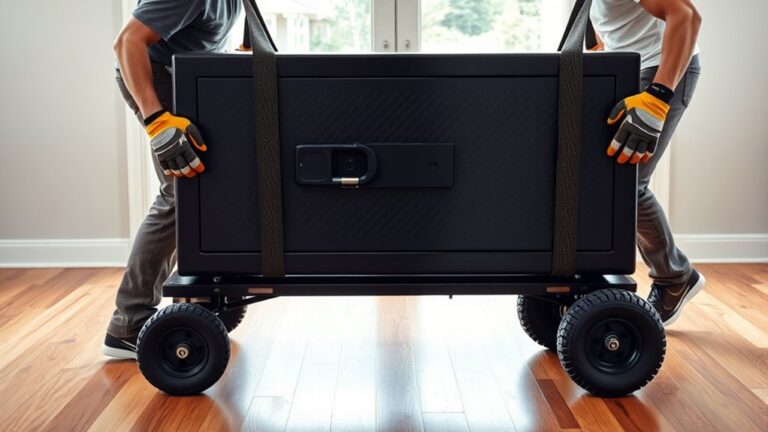
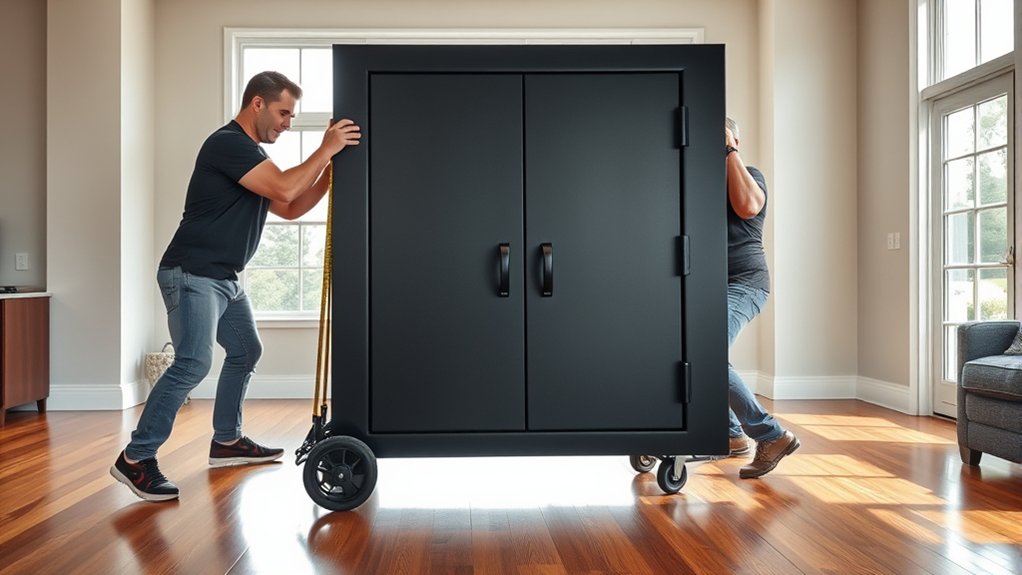
Use a heavy-duty dolly that’s rated for the weight of the safe. Secure the safe tightly to the dolly with ratchet straps to keep it from slipping.
Plan your route carefully before you start. Measure doorways, hallways, and staircases to make sure everything fits.
Work with others to lift and move the safe. Take your time and navigate obstacles steadily to avoid accidents.
Finally, place the safe on a level surface once you reach your destination. Bolt it securely to prevent any shifting or tipping.
Keep following these steps for a smooth, secure move. With some planning and help, you’ll get your safe where it needs to go safely.
Figuring Out Your Gun Safe’s Size and Weight
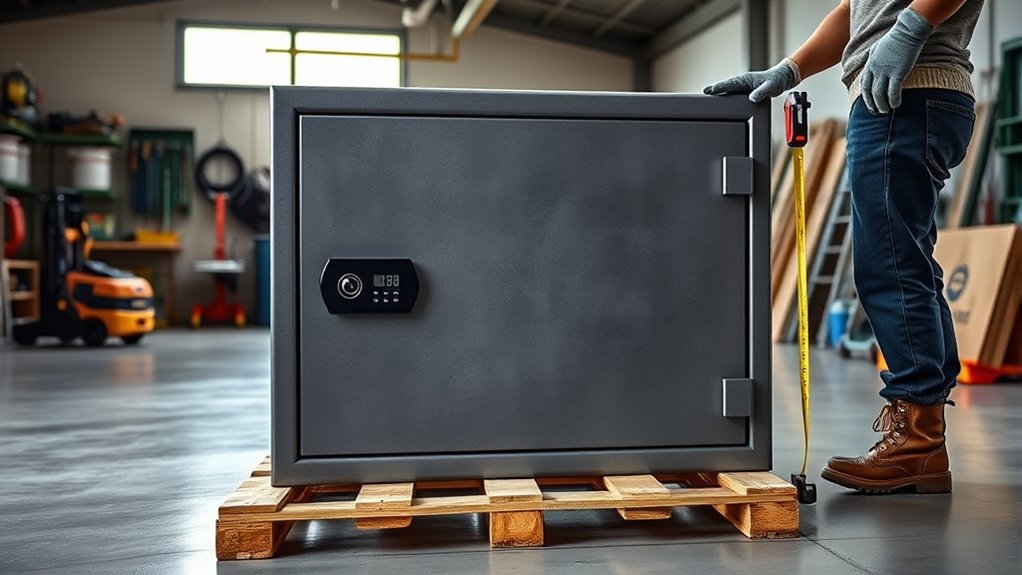
Before moving your gun safe, you need to figure out its size and weight accurately. Start by checking the manufacturer’s specifications or serial number labels for exact weight details.
Small safes usually weigh between 200 to 600 pounds. Larger models can get up to 1,600 pounds. The weight depends on materials like steel, fireproof insulation, and locking mechanisms.
If you can’t find manufacturer data, measuring the safe’s dimensions is a good next step. Use these measurements to estimate the weight based on typical material densities.
Knowing the exact weight and size helps you plan the move safely. It also helps you choose the right equipment for the job.
Getting this step right prevents damage to your safe and reduces the risk of injury. Handle your gun safe with care, and make sure you’re prepared before moving it.
Essential Equipment for Moving a Large Gun Safe
Once you’ve figured out the size and weight of your gun safe, it’s time to gather the right tools to make the move safe and smooth.
Start with a heavy-duty appliance dolly rated for at least 1,000 lbs. It should have built-in straps or brackets to hold the safe securely in place.
Begin with a sturdy appliance dolly rated for 1,000 lbs, featuring secure straps or brackets.
Use furniture sliders made of durable plastic or felt to protect your floors when sliding the safe across surfaces.
Secure the safe firmly to the dolly with high-quality ratchet straps. This helps prevent shifting during transport and keeps everything stable.
Equip yourself with steel-toe boots and heavy-duty gloves. They’ll give you safety and a good grip when handling the safe.
When loading the safe into your moving truck, use a hydraulic lift or ramps designed for heavy loads. This makes lifting easier and reduces strain.
Don’t forget moving blankets. They help cushion and protect the safe’s surfaces during the move.
With the right heavy-duty equipment, you can ensure a controlled, safe move from start to finish.
Planning Your Route for Moving a Large Gun Safe
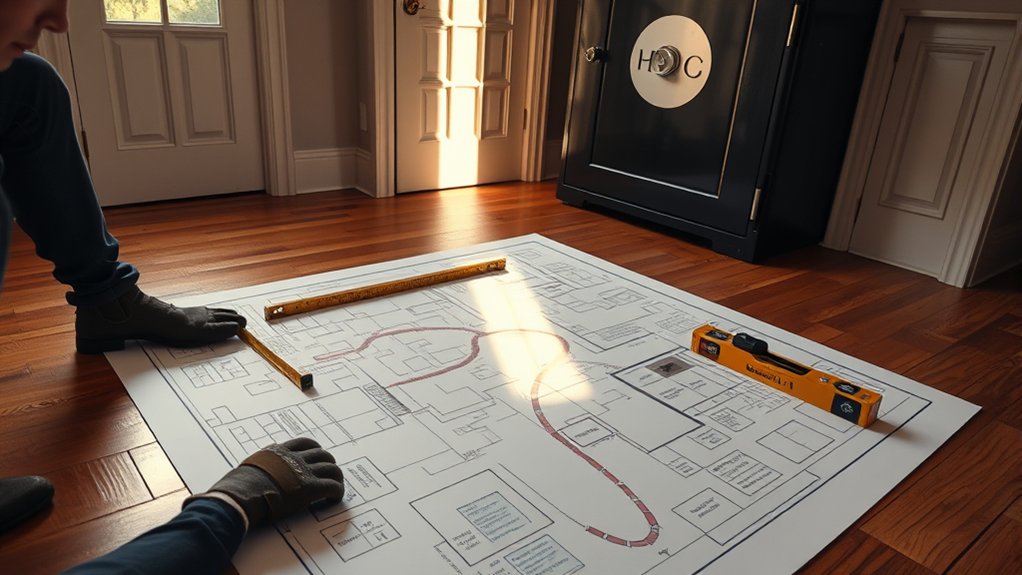
When you’re planning to move a big gun safe, start by measuring all the doorways and hallways to make sure it’ll fit through comfortably. Don’t forget to include handles and any protrusions that might get in the way. It’s better to double-check now than to run into surprises later.
Next, take a look at the staircases along the route. You’ll want to check their width, how steep they are, and if there are any turns that could make moving the safe tricky. Knowing these details can help you figure out the best way to get the safe down or up the stairs safely.
Finally, it’s a good idea to identify some alternative routes just in case your main path turns out to be too narrow or blocked. Having a backup plan can save you a lot of hassle and help ensure everything goes smoothly.
Measure Doorways Accurately
Although it might seem straightforward, measuring doorways accurately is key to avoiding surprises when moving your large gun safe.
Start by recording the measurements of the doorway—width, height, and depth. Then, extend this to include hallway dimensions and any entry points along your route.
Don’t forget to measure the safe itself, paying attention to protruding handles or locks that could affect clearance. Comparing these measurements carefully with the passage size will help ensure everything fits smoothly.
It’s also a good idea to account for obstacles like light fixtures or wall-mounted objects. Knowing about these in advance can help you plan your route better.
Precise route planning depends on these details, so you can identify tight corners or narrow passages before you move.
This methodical approach prevents damage and makes the process much easier. It confirms that your safe will fit through all the intended entry points without any hassle.
Assess Staircase Accessibility
After confirming that your safe can pass through doorways and hallways, turn your attention to the staircase. Measure the staircase width and clearance at each turn to guarantee maneuverability.
It’s important to check if the stairs are reinforced to handle the safe’s weight, especially if it’s over 700 lbs. Take a look at any landings or intermediate platforms that can make turns and lifting easier. This can really help with the overall process.
Next, examine the stairs for narrow steps or tight corners. These can require special handling or extra caution.
Finally, assess the staircase’s condition—look for stability and any obstructions. Ensuring these aspects are in good shape is crucial for safety.
Identify Alternative Routes
When planning to move a large gun safe, it’s a good idea to identify alternative routes in case the main pathways are too tight or blocked.
Start by measuring doorways, staircases, and narrow passages to make sure everything can clear easily.
Take note of obstacles like tight corners, low ceilings, or uneven surfaces that might slow you down or cause damage.
Think about exterior access points too, like windows or side doors—they might make your job a lot easier.
Mark potential routes with tape or chalk so you can visualize the path ahead of time.
It’s also helpful to test the dimensions beforehand to avoid surprises on moving day.
If staircases are narrow or winding, you might need specialized equipment or professional movers.
By carefully evaluating and preparing your routes, you’ll have a smoother, safer move.
Plus, you’ll reduce the risk of accidents or last-minute problems.
Preparing and Protecting Your Gun Safe Before Moving
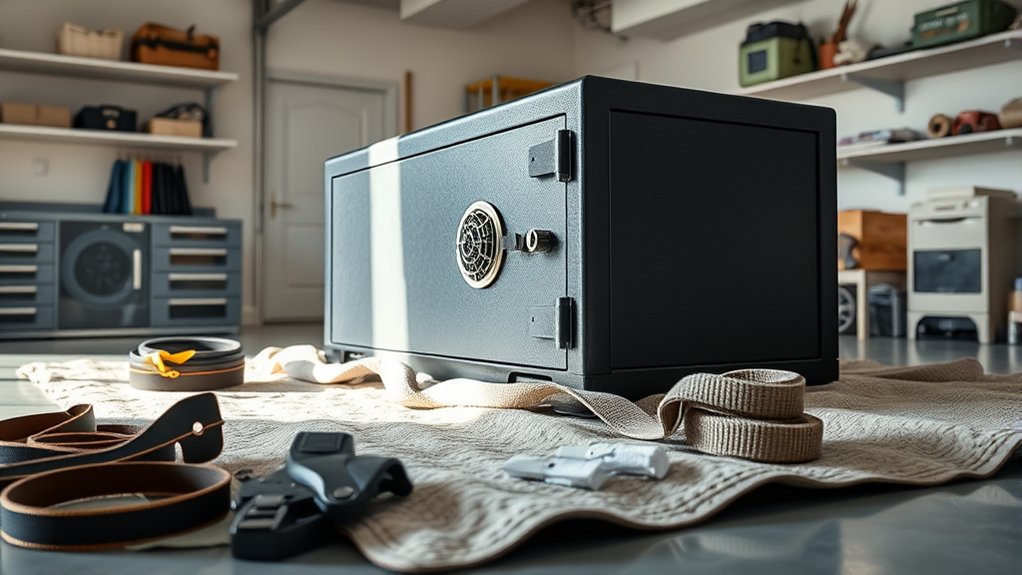
Before moving your gun safe, make sure you empty it completely. Remove all firearms, ammunition, and valuables. This helps reduce the weight and prevents anything from shifting during transit.
To get your safe ready and protected, follow these simple steps:
First, disassemble any removable electrical components like locks or alarms. Store firearms separately in cases or lockboxes. This keeps everything safe and makes the move easier.
Next, wrap the entire safe with moving blankets and stretch wrap. This shields its finish from scratches and impacts during the move.
Use furniture sliders that are suited to your flooring. Felt sliders work well on hardwood floors, while plastic sliders are better for carpets. They make handling easier and help prevent damage.
Finally, when your safe isn’t being moved, position it against walls or inside closets. This helps stabilize it and protects the surrounding surfaces.
Following these steps will help ensure your gun safe stays secure and undamaged throughout the move.
Lifting and Securing Your Safe on a Dolly
Though lifting a large gun safe demands careful coordination, securing it properly on a dolly is essential for safe transport. Start by tilting the safe carefully onto a dolly rated for at least 1,000 lbs. Have your team lift one end at a time while maintaining proper posture.
Carefully tilt the safe onto a sturdy dolly, lifting one end at a time with proper posture.
Use moving blankets to protect surfaces and the safe’s finish. Once the safe is on the dolly, secure it with multiple ratchet straps around the top, middle, and bottom. Make sure the straps are tight and evenly spaced to keep the safe balanced.
Proper strap placement helps prevent tipping and shifting during movement. Check how the weight is distributed on the dolly and make adjustments if needed. Always wheel the dolly slowly and steadily.
Using the right equipment and taking your time can prevent slips or sudden movements. Safety should always come first when moving heavy safes.
Transporting Your Gun Safe and Handling Stairs
Once your gun safe is securely strapped to the dolly, moving it through staircases can be tricky. It’s a task that needs special equipment and some skill. Handling stairs with a heavy safe requires precision and safety.
First, use motorized dollies or lifts specifically designed for heavy safes. This helps reduce the strain on you and lowers the risk of accidents. Before moving, make sure the safe is fully disconnected and unbolted.
For safes over 700 pounds, it’s best to bring in multiple professional safe movers. They know proper lifting techniques and can handle the weight safely.
Clear the stairway of any obstacles and use ramps made for heavy loads. This will make the transition smoother and safer for everyone involved.
Following these steps helps ensure the safe and controlled movement of heavy safes on stairs.
Unloading and Installing Your Gun Safe Safely
Once you’ve carefully taken the safe off the dolly, go ahead and loosen all the straps and coverings. It’s best to do this before you start moving it again.
When you’re ready to position the safe, use furniture sliders or a dolly to move it gently—try not to rush or tilt it suddenly, as that can cause damage or make it harder to handle.
Before you finish, double-check that the safe is level. Make sure it’s securely bolted to the floor so it doesn’t shift or tip over later on.
Also, give the area a quick sweep to remove any debris—this helps ensure everything stays steady and safe once it’s all set up.
Safe Placement Tips
Before unloading your gun safe, make sure you’ve picked a level, accessible spot that can handle its full weight and support secure bolting. Proper placement is really important for safety and stability.
Start by carefully positioning the safe, making sure it’s level and aligned properly to prevent it from tipping over. Clear the area around the safe so you can move freely and avoid any obstructions.
Once it’s in place, remove all protective wrapping and furniture sliders. This helps prevent unwanted movement while you’re working with the safe.
Next, secure the safe by bolting it down firmly to the floor. Double-check that the floor can support the safe’s weight securely.
Before putting your items back inside, verify the stability and alignment. Taking these steps will keep your gun safe secure, stable, and easy to access over the long run.
Removing Transport Equipment
How exactly do you unload and install your gun safe without risking damage or injury? Start by carefully removing transport equipment. First, loosen the ratchet straps securing the safe to the dolly.
With multiple helpers, gently tilt the safe back and slide furniture sliders or the dolly underneath. This allows for controlled unloading.
Having teamwork here helps prevent tipping and damage during the move.
Once the safe is in place, remove all protective coverings like blankets or stretch wrap. This gives you a clear view to inspect its placement.
Finally, secure the safe to the floor using bolts. This ensures stability and security in its new spot.
Final Positioning Checks
Although you’ve removed all straps and protective coverings, you still need to verify that the designated spot is level, stable, and strong enough to support the safe’s weight.
Final positioning calls for a thorough check to make sure the safe sits securely on a level surface with stable footing. It’s important to follow these steps carefully:
First, confirm that the floor or platform is obstacle-free and can handle the weight without shifting. You don’t want surprises once you start placing the safe.
Next, position the safe with proper alignment. Make sure it’s easy to access but still maintains security standards.
Then, anchor the safe firmly to the floor or wall according to the manufacturer’s guidelines. This helps prevent tipping or theft.
Finally, double-check that pathways around the safe remain clear. This avoids any damage or accidents during adjustments.
Following this process will help ensure your gun safe is installed safely and securely.
Frequently Asked Questions
Can Gun Safes Be Moved Without Professional Help?
Yes, you can move gun safes without professional help, but you’ll need the right equipment and some strong friends. Having multiple helpers is essential to handle the heavy lifting safely.
Plan your route ahead of time. Measure doorways and tight spots to make sure the safe will fit through easily. Take safety precautions to avoid any injuries or damage to your home.
Use straps and floor protection to keep everything secure and prevent scratches. Secure the safe tightly on a heavy-duty dolly before moving it.
If your safe weighs over 300 pounds, assistance becomes even more important. Having extra help helps ensure you move it safely and avoid accidents.
How Do I Prevent Damage to Flooring When Moving a Safe?
Did you know over 60% of home damage during moves happens because of poor floor protection? It’s a common problem, but luckily, it’s easy to prevent.
Start with a thorough assessment of your flooring. Take a good look at the surface to identify any weak spots or areas that need extra care.
Use moving pads and thick blankets as protective coverings. They help evenly distribute the weight of the safe and prevent scratches or dents.
Applying padding techniques like corner guards can also shield surfaces from bumps and impacts.
Laying plywood sheets underneath the moving path creates a smooth, sturdy surface. This adds an extra layer of protection and makes moving easier.
And remember, never drag the safe across the floor. Always lift and carry to keep your flooring in tip-top shape during the move.
What Is the Best Way to Clean a Gun Safe After Moving?
To clean your gun safe after moving, start with safe cleaning by wiping the interior and exterior using a damp cloth and mild detergent for stain cleaning and dust removal.
Use compressed air to clear vents and hinges, making sure to get into all those tight spots for a thorough interior clean.
Control moisture by drying surfaces fully. If needed, apply a rust inhibitor to help protect against corrosion.
For odor elimination and deodorizing, consider using activated charcoal or baking soda. Both are great at absorbing unwanted smells.
Finish up with some surface polishing to restore the finish and give your safe a nice, protected look.
Are There Specific Insurance Policies for Moving Gun Safes?
Imagine your gun safe as a fortress on wheels, demanding robust protection. Yes, specialized insurance policies exist, offering coverage options tailored to moving liability and damage protection.
You’ll want valuation coverage to reflect your safe’s worth accurately.
Be methodical: review policy exclusions carefully to avoid surprises during the claim process.
Always confirm your insurer and mover provide specialized insurance that covers safes over your unit’s weight and size threshold.
How Often Should Gun Safes Be Relocated Safely?
You should relocate your gun safe only once every 5 to 10 years unless there’s an urgent need.
When you do decide to move it, make sure to follow strict safety precautions. Use proper 搬运工具 and 安全装备 to ensure everything stays safe.
Plan your 搬运路线 carefully to avoid hazards along the way. It’s also important to apply 搬运技巧 like correct 重量分配 to prevent any damage or accidents.
Gather a skilled 搬运团队 to help with the move. Choose a 搬运时间 when traffic and obstacles are minimal to make the process smoother.
Taking this methodical approach keeps your safe intact and everyone secure during the move.
Conclusion
Moving your large gun safe is like steering a ship through rocky waters. You need careful planning, the right tools, and steady hands.
Start by measuring your safe. Knowing its size helps you plan the best way to move it.
Next, prep your safe thoroughly. Empty it out and secure any loose parts. This makes the move safer and easier.
Make sure to secure the safe properly with straps or moving blankets. This keeps it stable during transportation.
Follow each step carefully. With patience and precision, you can move your safe without a hitch.
Once in place, double-check that it’s secure and level. Then, you’re all set—your safe is exactly where it should be.