What Is The Best Gun Safe – Top Models Reviewed
You need a gun safe with at least 10-gauge steel, reinforced locking bolts, and verified UL or NIST ratings for both fire and burglar resistance.
Top models from brands like Browning, Fort Knox, and Rhino offer advanced locks, including biometric options. They also have flexible interiors to fit your collection’s size and allow for growth.
Prices can vary a lot, so it’s important to consider capacity, security features, and fire ratings carefully. Take your time exploring your options to find the perfect safe tailored to your needs.
Key Features of the Best Gun Safes
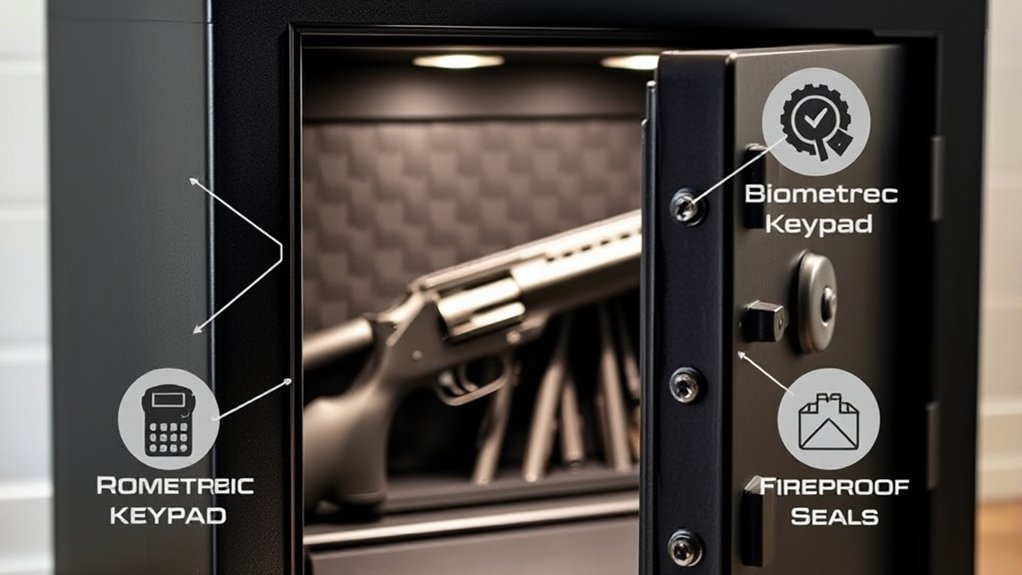
When choosing the best gun safe, you should prioritize construction quality and locking mechanisms to guarantee maximum protection. Look for steel construction that’s at least 10-gauge thick, as it offers formidable resistance against forced entry.
Prioritize strong steel construction and secure locking mechanisms for maximum protection when selecting a gun safe.
Pay close attention to locking bolts. Robust, reinforced bolts on the door help prevent prying attempts and boost security. Advanced locking systems, especially a biometric fingerprint reader, provide quick, reliable access while keeping your guns secure.
Make sure the safe has a verified security rating, like UL or NIST certification. This confirms it can withstand break-in attempts and fire exposure.
Fire resistance is also crucial — opt for safes tested to endure high temperatures for at least 30 minutes.
These features work together to give you peace of mind. They ensure your firearms are safe from theft, damage, and unauthorized access.
Choosing Gun Safe Capacity and Size
Choosing the right gun safe capacity and size starts with taking a good look at your current firearm collection. Think about how many guns you already have and consider any future additions you might want to make.
It’s a good idea to select a safe with at least 20% more capacity than you currently need. This helps prevent overcrowding and makes it easier to organize your collection.
When it comes to size, consider the overall dimensions and interior setup. Features like adjustable shelves and racks can help maximize space for different types of firearms.
Make sure the safe will fit comfortably in your intended location. Check for enough door clearance and space for installation so you’re not caught off guard.
Here’s a quick comparison to help you decide:
| Safe Size | Capacity | Ideal Use |
|---|---|---|
| Small (<10 cu ft) | 1-10 firearms | Just a few handguns or pistols |
| Medium (10-25 cu ft) | 10-30 firearms | Mixed collection, rifles and pistols |
| Large (>25 cu ft) | 50+ firearms | Big collections and easy access |
Matching the capacity and size to your needs ensures your gun safe performs well and keeps your collection secure.
Understanding Gun Safe Locking Systems
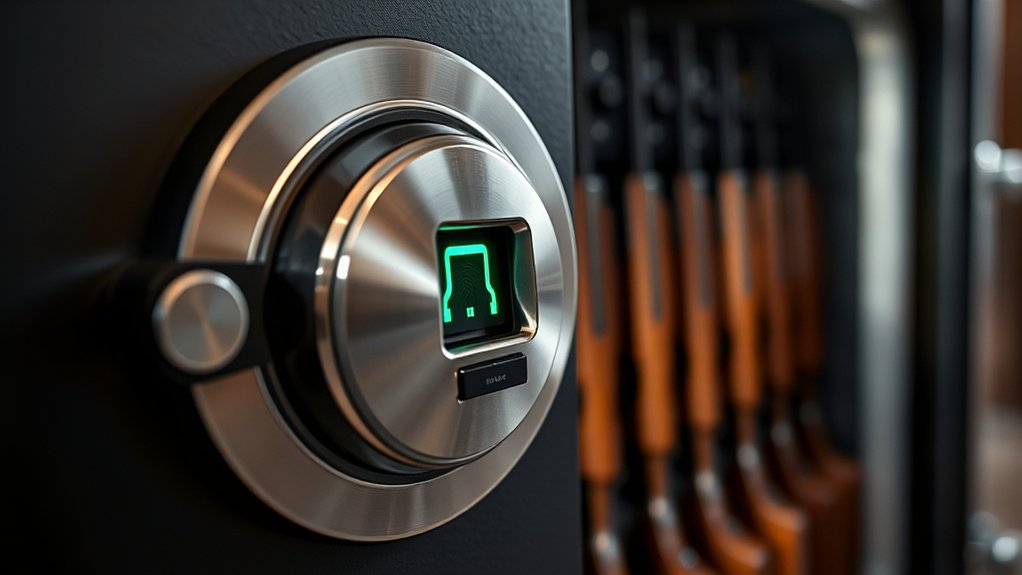
After figuring out the right capacity and size for your gun safe, the next step is choosing a locking system that matches your security needs and how you want to access your firearms.
You’ll find several main types of locks:
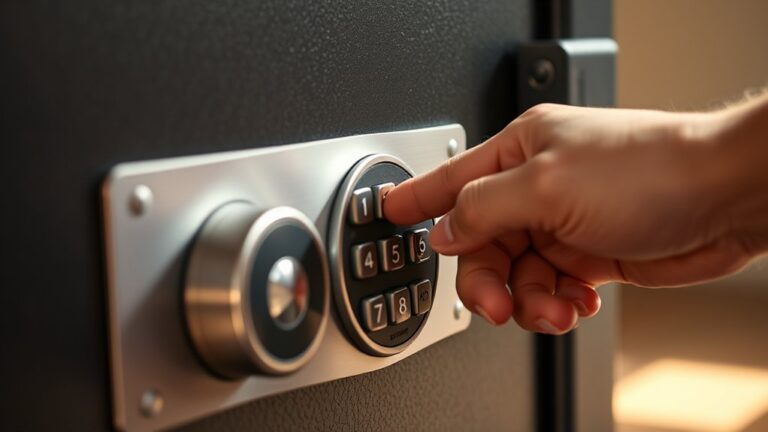
Mechanical locks use physical dials or keypads. They don’t need batteries and are simple and reliable for security.
Electronic locks operate with digital codes. They often have features like backlit keypads and battery backups, making access convenient and programmable.
Biometric locks authenticate via fingerprint recognition. They provide fast, high-security entry but do require power.
Hybrid systems combine different methods, such as biometric with mechanical override. This offers extra security and redundancy.
When selecting a lock, think about how easy it’s to use and how secure it needs to be. Consider the lock’s reliability, power needs, and your personal preferences.
The goal is to protect your firearms effectively while making access manageable for you.
Why Fire and Burglar Resistance Matter for Gun Safes
When you’re choosing a gun safe, it’s really important to look at both fire protection and burglar resistance. Think of it this way—you want to make sure your firearms stay safe no matter what kind of extreme conditions they face. That’s where fire protection standards and burglar resistance features come into play.
Getting familiar with safe ratings like UL TL-15 or fire-resistance certifications can actually help you spot the models that have been tested against professional break-in attempts and intense heat. It’s like having a badge of confidence that your safe can handle the worst.
But just having a safe with the right ratings isn’t enough on its own—proper installation is just as important. Without it, even the best safes mightn’t do their job properly.
Fire Protection Standards
A gun safe’s ability to withstand fire is just as important as its resistance to burglary when it comes to protecting your firearms. Fire protection standards help verify how well a safe can handle intense heat, often exceeding 1,200°F, without damaging your valuables inside.
These standards tell you how long the safe can keep the internal temperature at a safe level during a fire. Common ratings like 1-hour or 2-hour give you a good idea of the safe’s fire resistance.
High-quality models achieve this by using specialized materials such as fireboard, steel liners, and concrete fills.
When you’re looking at fireproof claims, it’s best to focus on verified standards. These are confirmed through rigorous independent testing.
Make sure to check the details like the duration of the fire rating, the maximum internal temperature maintained, and the quality of insulation materials used.
Also, look for certification from recognized testing agencies. This helps ensure the safe truly meets the claimed fire protection standards and will keep your valuables safe in a fire.
Burglar Resistance Features
While fire protection shields your firearms from heat and smoke damage, burglar resistance focuses on preventing unauthorized access and theft.
To guarantee maximum burglary resistance, you need a gun safe built with thick, reinforced steel and equipped with drill-resistant plates. These features deter forced entry and tampering, making it much harder for burglars to break in.
Robust locking mechanisms add another layer of security, helping to prevent thieves from bypassing the safe easily.
Proper installation is also key—bolting the safe to the floor is essential to stop thieves from simply removing it.
By combining these features, you not only protect your firearms from theft but also complement fireproofing measures. This creates an all-around defense against both break-ins and fire damage.
Prioritizing these burglar resistance elements keeps your firearms secure no matter what happens.
Importance Of Safe Ratings
How do you know if a gun safe truly offers reliable protection against fire and burglary? Safe ratings are the key.
Fire ratings and burglary resistance certifications like UL TL-15 provide clear, standardized benchmarks. When you’re looking at fireproof safes, keep these points in mind:
Verified fire ratings mean the safe can resist temperatures up to 1,200°F for at least 30 minutes. This helps ensure your valuables stay protected during a fire.
Burglar resistance ratings show if a safe can withstand drills, tools, and physical attacks. It’s all about knowing your safe can handle someone trying to break in.
Proper installation and anchoring are crucial to get the most out of your fireproof safe. Without it, even the best-rated safe mightn’t perform as intended.
And remember, don’t rely just on marketing claims. Only certified safe ratings guarantee tested protection you can trust.
Comparing Browning, Fort Knox & Rhino Models
Though all three brands—Browning, Fort Knox, and Rhino—offer sturdy gun safes, each one focuses on different things like security, capacity, and interior options.
Browning really shines with American-made craftsmanship. Their safes feature fireproof insulation and flexible Axis interior systems. You can fit up to 49 guns, plus practical gear lofts for extra storage.
Fort Knox puts security first. They use AR500 steel armor and welds on the inside and outside to make their safes extremely tough. Their fire-resistant models are perfect for high-risk environments. These safes tend to be larger and generally cost above $6,000.
Rhino’s Raptor RX6636GL combines advanced locking technology with plush interiors. It matches Browning’s capacity of 49 guns but comes at a more affordable price around $4,768.
In the end, your choice depends on what matters most to you—whether it’s premium American manufacturing, maximum security, or a safe with a refined interior and fire protection.
Gun Safe Prices: What to Expect
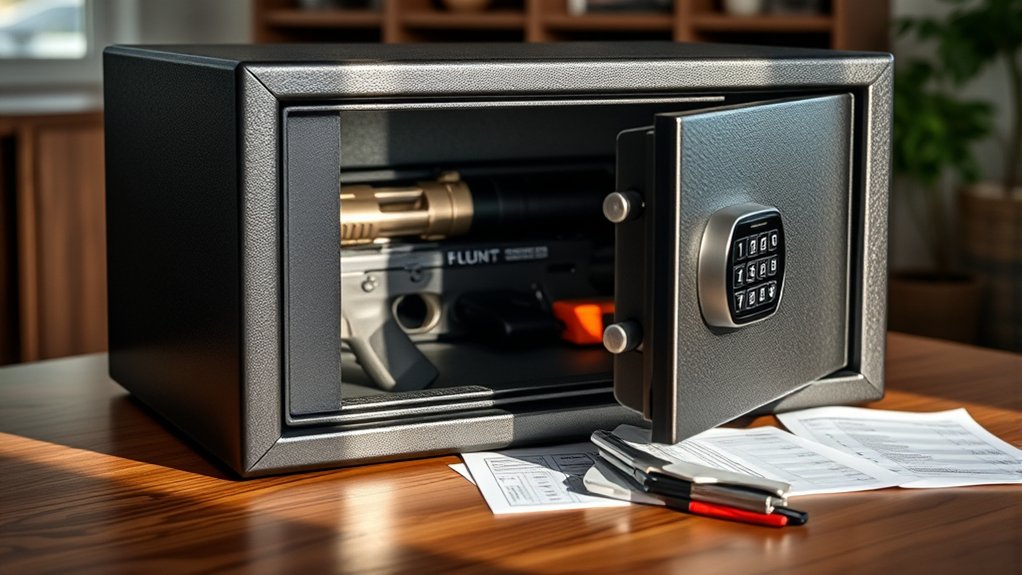
When you’re looking at gun safes, prices can really vary. You might find some basic models starting around $500, while high-end, feature-packed safes can cost over $35,000.
The size of the safe, security features like biometric locks, and whether it has fire or burglary ratings all play a role in what you’ll end up paying.
If you’re working with a tighter budget, don’t worry — there are plenty of reliable and budget-friendly safes out there. They mightn’t have all the bells and whistles, but they still provide solid protection without costing a fortune.
Typical Price Ranges
Gun safes come in a wide range of prices, starting around $500 and going well past $10,000 for high-end models. Knowing what to expect in different price ranges can help you find a safe that fits both your security needs and your budget.
Entry-level safes usually cost between $500 and $1,000. They offer basic security features and minimal fire ratings. These are good if you’re on a tight budget and need simple protection.
Mid-range safes range from $1,000 to $3,000. They typically have better fire ratings and improved locking mechanisms. These safes are a solid choice if you want more security without breaking the bank.
Premium safes can cost anywhere from $3,000 to over $10,000. They come with advanced security features, superior fireproofing, and larger capacities. If you’re storing valuable firearms or important items, these are a great option.
For maximum protection, ultra-premium safes can even surpass $10,000, sometimes reaching $35,000. These safes offer the highest level of security for valuable collections or precious items.
Factors Influencing Cost
Because several factors directly impact the price of a safe, understanding these elements helps you make an informed decision.
The size and capacity of a gun safe play a big role in the cost. Naturally, larger safes designed to hold more firearms tend to be more expensive.
Security features also influence the price. Reinforced steel construction and advanced lock types like biometric or electronic locks can increase the cost.
A verified fire rating is another important factor. Backed by UL or independent testing, it adds significant value by ensuring fire protection.
Customization options, such as interior organization, can also add to the overall expense.
While basic models with minimal security and smaller size are often under $1,000, premium safes with better fire ratings, enhanced security, and larger capacity can cost over $10,000.
These higher-priced safes reflect their durability and the level of protection they offer.
Budget-Friendly Safe Options
How much should you expect to spend on a budget-friendly safe? Typically, these safes cost between $50 and $300. They offer basic security for small firearm collections or for travel purposes.
Affordable gun safes often feature lightweight construction and simple mechanical locks. Keep in mind, they usually have limited fire protection.
When considering these options, think about a few key points:
- Materials: Thinner steel means less durability over time.
- Security: Basic mechanical locks don’t have advanced features.
- Fire protection: Minimal or none in lower-cost models.
- Size and organization: Usually smaller safes with limited interior features.
While budget safes do provide essential storage, they don’t match the protection levels of higher-end models. They’re more suited for basic security and portability without costing a fortune.
If you’re looking for simple security without breaking the bank, these affordable gun safes can work for you. Just be aware that there are some compromises in protection and durability.
Where to Buy Quality Gun Safes
Where can you find a quality gun safe that meets your security needs and budget? Start by exploring reputable brands like Fort Knox, Browning, Liberty, and Rhino. These brands are usually available through authorized dealers or specialized firearm and safe retailers.
Buying directly from the manufacturers’ official websites is a smart move. It guarantees authenticity, gives you access to the latest models, and includes warranty support.
If you want to see the safes in person, established retailers like The Safe Keeper in Las Vegas are great options. They offer a wide selection of gun safes and provide expert guidance both in-store and online.
Many local gunsmith shops and security stores also offer professional safe installation and customization. This ensures your security products are properly placed and tailored to your needs.
Choosing trusted sources helps you get a durable, secure safe that fits your requirements without sacrificing quality.
Frequently Asked Questions
How Often Should I Service or Maintain My Gun Safe?
You should service your gun safe at least once a year to keep firearm access smooth and secure.
Take a moment to check the locks, hinges, and any alarm systems regularly. This is especially important if your safe has biometric security or is placed in a challenging environment.
If your safe uses electronic locks, remember to replace the batteries every 6 to 12 months. It’s a simple step that can prevent you from getting locked out when you need your guns most.
Be sure to verify that emergency access functions properly. It’s always good to test these features periodically.
For added peace of mind, consider having a professional service your safe every 2 to 3 years.
Proper placement of your safe also plays a role in maintaining its overall reliability and security.
Can I Install a Gun Safe by Myself or Need Professional Help?
Sure, you can definitely tackle DIY installation if you enjoy wrestling with bolts and dreaming about safe anchoring like a pro.
For small safes, it’s often straightforward—you’ll appreciate mastering access control and space optimization firsthand.
But if your safe’s a beast or demands high security, professional assistance guarantees it’s anchored right, preventing theft or tipping disasters.
Don’t let overconfidence turn your fortress into a flimsy box. Know when to call the experts.
What’s the Average Lifespan of a High-Quality Gun Safe?
You can expect a high-quality gun safe to last between 25 and 50 years with proper care. Its durability depends on using sturdy materials and fire-resistant features, which help keep your firearms secure over the long run.
To make sure it lasts, regularly check your access control systems and inspect the safe for any damage.
Avoid exposing it to moisture, as this can cause rust and compromise the safe’s integrity.
Taking steps to prevent theft and organizing the safe smartly also helps preserve its condition.
When you pay attention to these details, your investment stays protected for decades.
Are There Insurance Benefits to Owning a Certified Gun Safe?
Yes, owning a certified gun safe with fireproof features, a reliable lock mechanism, biometric access, emergency release, and an alarm system often grants you insurance benefits.
Insurers see these advanced security measures as a big plus. They can help lower your premiums and make the claims process easier if you experience theft or fire.
Just make sure your safe meets UL or similar standards. Keep the certification handy so you can show it when needed.
That way, you’ll maximize your savings and ensure your firearms are well protected under your policy.
How Do Humidity and Temperature Affect Gun Safe Contents?
Humidity control and temperature regulation are essential for keeping your gun safe contents in good shape. Without managing moisture properly, high humidity can lead to rust and mold forming on your firearms and gear.
Temperature swings are just as problematic. They can cause condensation inside the safe, which increases the risk of corrosion over time.
That’s why using climate monitoring tools is so helpful. They let you keep an eye on the environment inside your safe.
By maintaining stable conditions, you help preserve your firearms and ammunition. Managing these factors actively prevents damage and helps everything inside last longer.
It’s all about creating the right environment so your gear stays in top condition.
Conclusion
When choosing the best gun safe, you’re not just buying a box. You’re investing in peace of mind.
Think about capacity, locking systems, and fire resistance. These are your safety net in uncertain times.
Brands like Browning, Fort Knox, and Rhino offer reliable options tailored to your needs. Prices can vary, but quality never comes cheap.
By understanding these key factors, you’ll secure your firearms with precision and confidence. This turns protection from a mere option into an unshakable fortress.