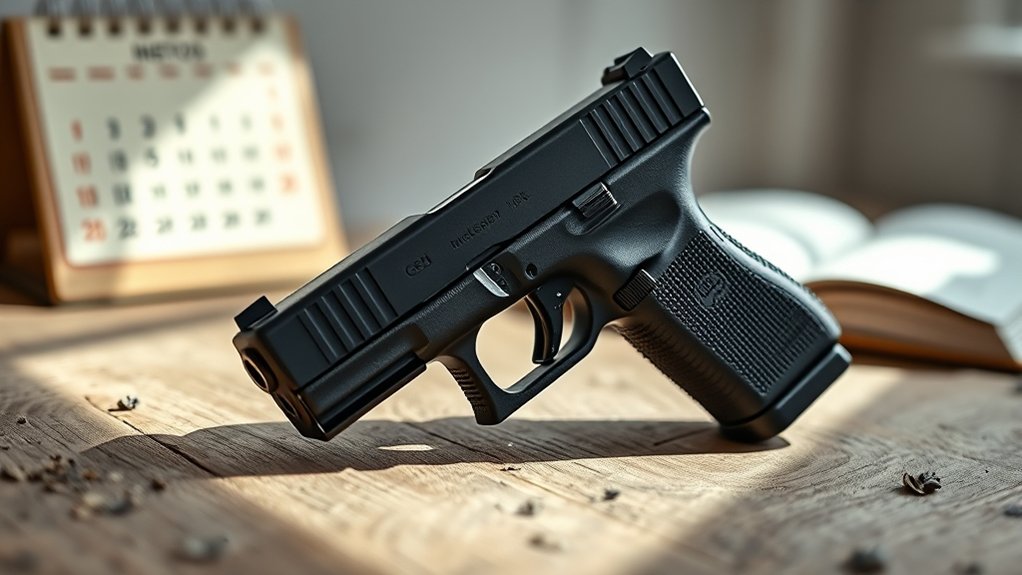
When Did Glock Gen 3 Come Out – Release Date Explained
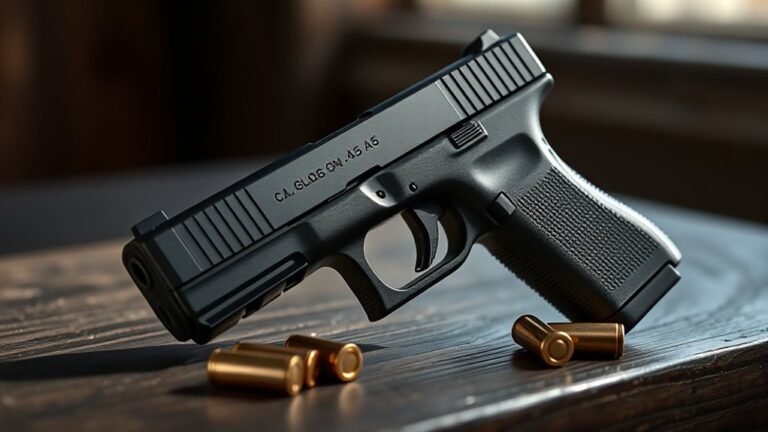
You’ll find that the Glock Gen 3 officially launched in 1998, announced at the SHOT Show that year. It introduced some key upgrades like an accessory rail, finger grooves, and a reinforced locking block for durability.
Early models included the Glock 17, 19, 22, and 23. These were all designed for improved reliability and performance. The Gen 3 was produced until 2025, setting the standard for versatility and toughness.
Exploring its features reveals why it remains a top choice today. It’s a gun that combines innovation with proven design, making it popular among both professionals and enthusiasts.
When Did Glock Gen 3 Officially Launch?
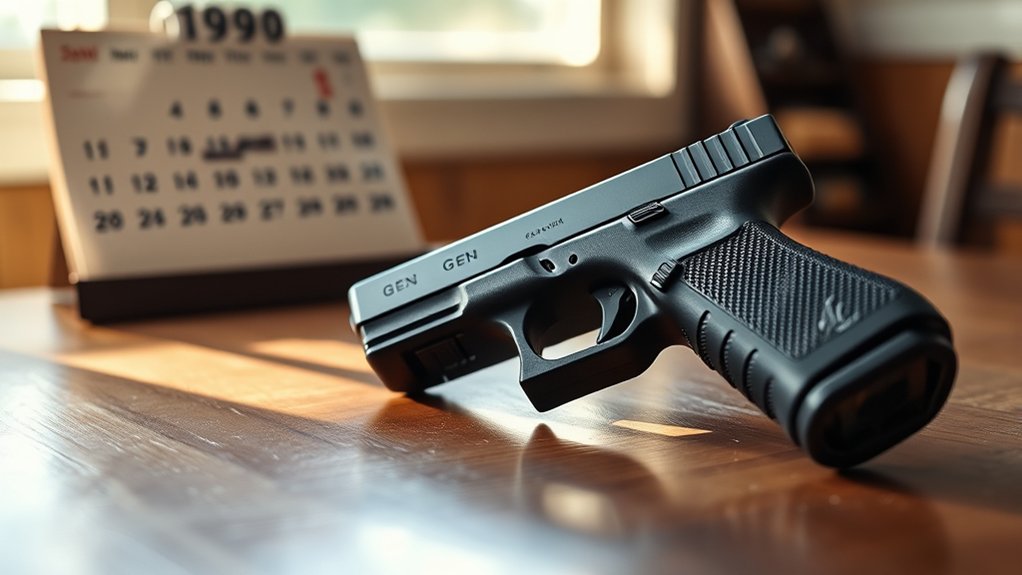
Although Glock had already built a solid reputation with its earlier models, the official launch of the Gen 3 pistols happened in 1998.
This new generation introduced some key upgrades, like an accessory rail and finger grooves for better grip. The release was announced at the SHOT Show in 1998, where Glock first publicly showcased the Gen 3 models.
This was a major milestone for Glock. The Gen 3 quickly gained popularity among law enforcement and civilians alike.
What Features Made Glock Gen 3 a Major Upgrade?
The 1998 launch of the Glock Gen 3 marked a clear leap forward in handgun design, driven by user feedback and evolving tactical needs. You’ll notice that Glock Gen 3 considerably improved grip and durability.
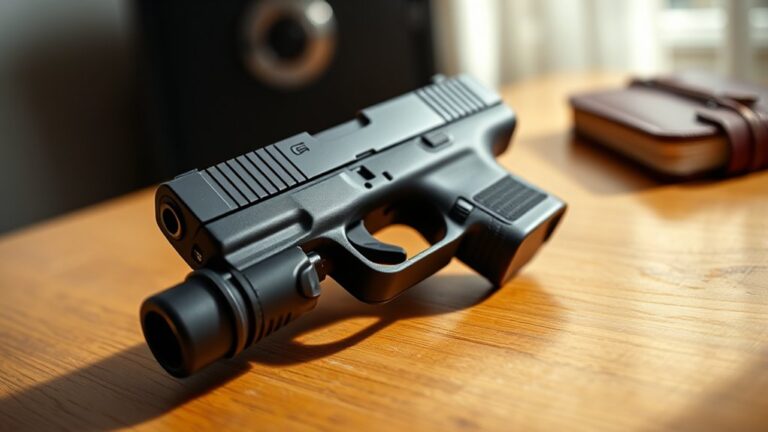
The redesigned grip now features finger grooves and aggressive grip checkering, which really helps with control and comfort. Plus, the frame includes an accessory rail, so you can easily attach tactical lights or lasers.
Some key upgrades include a reinforced locking block and a third locking pin, which boost the pistol’s structural integrity. The finish is also more durable, helping the gun last longer under tough conditions.
Key upgrades include a reinforced locking block, a third locking pin, and a more durable finish for lasting performance.
Glock also expanded the lineup to include more calibers, giving you a wider range of options to choose from. All these features made Glock Gen 3 a major upgrade over earlier versions.
Which Models Were Introduced With Glock Gen 3?
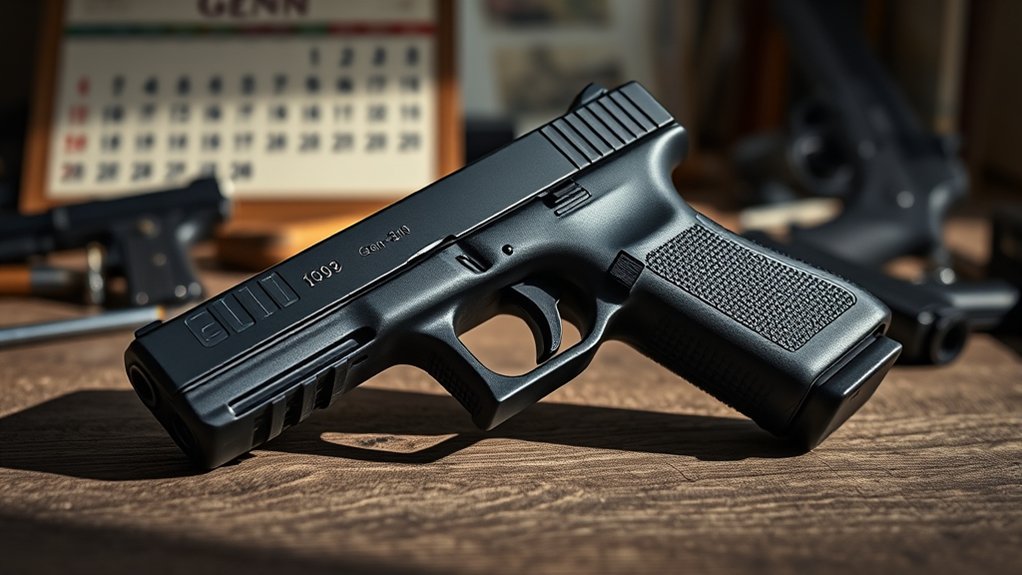
Which Glock models debuted with the Gen 3 release in 1998? The initial Gen 3 lineup included the Glock 17, Glock 19, Glock 22, and Glock 23.
These models brought some important updates. For example, they added the Glock accessory rail, which made it easier to attach tactical lights or lasers. They also introduced finger grooves for a better grip and improved safety features.
The Glock 17 and Glock 19 quickly became popular among law enforcement agencies. They’re known for their reliability and versatility, making them go-to choices.
Besides these core models, Gen 3 also introduced variants like the Glock 26 and Glock 36. These expanded the options for different preferences and needs.
How Did Glock Gen 3 Improve Reliability and Performance?
Because Glock Gen 3 introduced a stronger third locking block pin and an improved extractor and ejector system, you’ll notice a big boost in the pistol’s durability and chambering consistency.
These upgrades directly improve Glock Gen 3’s reliability and performance, even in tough conditions. The reinforced locking block pin helps maintain structural integrity during repeated firing, while the refined extractor and ejector reduce malfunctions by making cartridge ejection and feeding smoother.
Other notable improvements include a recoil spring assembly with a single captive spring, which delivers smoother recoil management and better shot-to-shot consistency.
The internal components and frame are more robust, increasing long-term durability.
Plus, the universal accessory rail adds to the firearm’s versatility without sacrificing reliability. All these upgrades make Glock Gen 3 a more dependable and high-performing gun for users who need consistent function and durability.
How Long Was Glock Gen 3 Produced and Supported?
Although newer Glock generations have come out since then, Glock Gen 3 stayed pretty popular in the market for almost thirty years.
Its production started in 1998 and continued until late 2025. That’s about 27 years of being in active production, which shows Glock’s dedication to making a reliable and well-loved model.
Even after newer models hit the scene, Glock Gen 3 kept being made and supported. You could still find aftermarket parts and accessories for it during this time.
The official discontinuation happened in late 2025, marking the end of its support period. But many Glock Gen 3 pistols are still in service today, proving their long-lasting durability.
What Glock Generation Followed Gen 3?
Since Glock Gen 3 set a high standard after its 1998 release, the next generation had to offer meaningful improvements.
The Glock Gen 4, launched in 2010, is the generation that followed Gen 3. It marked a significant evolution in Glock pistols. The focus was on enhancing ergonomics and modularity across Glock models, including the popular Glock 17 Gen variants.
Key Glock improvements in Gen 4 include:
- Introduction of the Glock modular backstrap system for customizable grip sizes
- Redesigned Glock slide for better durability and recoil management
- Enhanced grip texture and magazine release for improved handling
These updates show Glock’s commitment to refining its generations while maintaining reliability and performance.
The Gen 4’s improvements solidified its place as a pivotal step beyond the Gen 3 release date.
Why Does Glock Gen 3 Remain Popular Today?
You’ll notice that Glock Gen 3’s tough build means it can handle a lot without breaking down, which is why so many people still trust it today. It’s built to last and perform well, even with heavy use.
Plus, there’s a huge selection of aftermarket parts and accessories out there, so you can easily customize or maintain your pistol just the way you want.
All this reliability and flexibility is what keeps the Gen 3 popular, even with newer models available. It’s a tried-and-true choice that continues to stand the test of time.
Durable Construction Benefits
Because the Glock Gen 3 debuted in 1998, it’s had decades to prove its durability and reliability under tough conditions. Its reinforced polymer frame and high-quality materials provide outstanding wear and corrosion resistance, which is essential in harsh environments.
It’s been extensively tested in military and law enforcement settings worldwide, confirming its dependability. The Gen 3’s durable construction ensures consistent performance even after years of tough use.
It also resists environmental factors that can weaken other firearms, making it a reliable choice in any setting. Plus, it’s easy to maintain, which helps keep it performing well over the long run.
This balance of ruggedness and simplicity makes the Glock Gen 3 a trusted option. Its proven track record and solid build make it a durable platform that professionals and enthusiasts rely on.
It remains popular today because it can handle the challenges faced in the field.
Extensive Aftermarket Support
The Glock Gen 3’s rugged build and proven reliability have helped create a strong aftermarket scene that keeps it popular. You’ll find a wide range of parts and accessories made specifically for it, including triggers, sights, slides, barrels, and grip enhancements.
This extensive support makes it easy to customize your Glock to match your personal style or tactical needs. Many manufacturers produce aftermarket parts, giving you plenty of options to choose from. These parts not only improve performance but also ensure they work seamlessly with your firearm.
The Gen 3’s popularity isn’t just because it’s durable. It’s also because of this rich ecosystem of accessories. Whether you want simple upgrades or advanced modifications, there’s something available.
No matter if you’re a civilian, law enforcement officer, or competitive shooter, the Glock Gen 3’s compatibility with accessories is a big reason it stays in high demand.
Frequently Asked Questions
What Calibers Were Available for Glock Gen 3 Models?
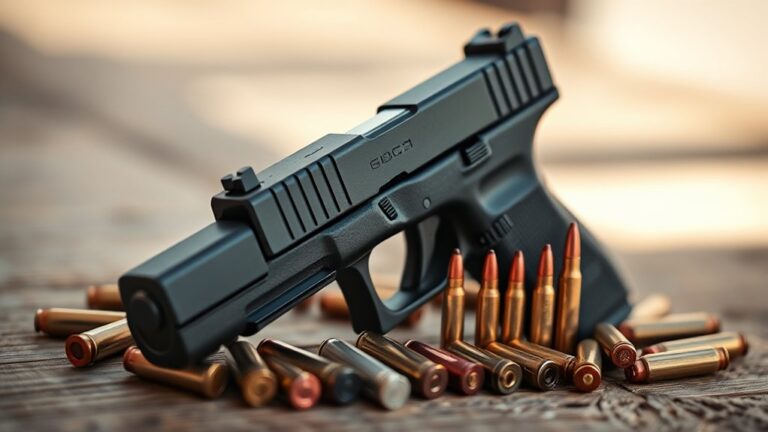
You’ll find Glock Gen 3 caliber options initially included 9mm, .40 S&W, and .357 SIG, with chamber sizes catering to reliable caliber performance.
Later, they expanded to .45 ACP, 10mm Auto, and even .22 LR conversions, offering a variety of ammunition types.
This caliber selection guarantees magazine compatibility across models, allowing for easy caliber upgrades.
It also helps maintain safety when switching between different rounds.
Understanding these caliber variations helps you appreciate Glock’s focus on reliability and versatile choices.
How Does Glock Gen 3 Compare in Weight to Earlier Generations?
Think of carrying a slightly heavier backpack with better padding. It’s barely noticeable but definitely improves comfort.
The Glock Gen 3 weighs just about 0.05 ounces more than Gen 2.
This small increase is due to an enhanced ergonomic grip, added safety features, and a steel serial number plate.
Despite these subtle changes, the slide design and barrel length stay pretty much the same.
Recoil management, magazine capacity, and concealability also remain similar.
The overall durability testing standards and trigger pull are consistent with previous models.
Plus, it offers improved sight options for better aiming.
Are Glock Gen 3 Parts Interchangeable With Other Generations?
You’ll find some Glock Gen 3 parts partially interchangeable with Gen 4, but not fully.
Grip textures, trigger upgrades, and slide modifications often differ, which can affect how well they fit.
Custom holsters usually work across different models, but magazine extensions and recoil springs probably won’t due to design changes.
Slide stops and safety features also vary from one generation to another.
When it comes to sights and lighting accessories, compatibility depends on the specific mounts and rail designs used.
Always double-check that a part fits properly before making any upgrades.
What Accessories Are Compatible With Glock Gen 3 Pistols?
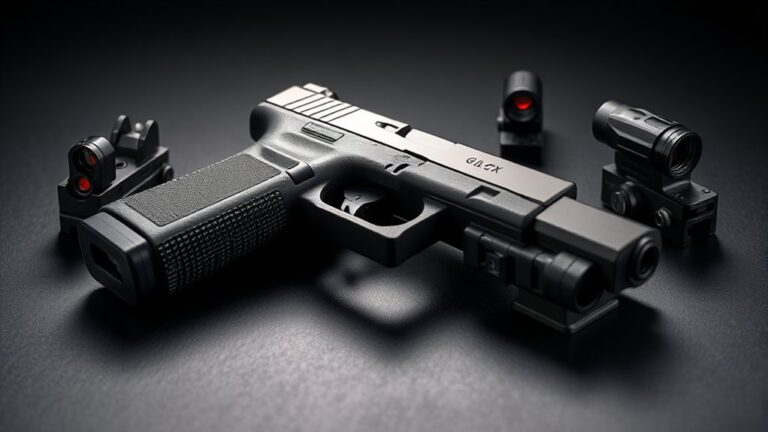
Think of your Glock Gen 3 as a blank canvas, ready for customization. You’ll find holster options tailored to its frame and magazine capacity upgrades, including extended mags.
Sight upgrades and laser attachments fit perfectly, enhancing accuracy. Trigger modifications and grip enhancements improve control.
You can swap slide finishes and barrel lengths to suit your style. Plus, storage cases and cleaning kits designed for Gen 3 keep your pistol protected and maintained.
Was Glock Gen 3 Used by Any Military Units?
Yes, several military units used the Glock Gen 3 because of its ergonomic design and reliable trigger mechanism.
You’ll appreciate its enhanced grip texture and safety features that are well-suited for tactical gear demands.
Custom holsters fit this model nicely, complementing its slide finish and sight options for different operations.
Its magazine capacity supports extended use, and maintenance tips help ensure durability in tough conditions.
Conclusion
You can’t underestimate the impact of Glock Gen 3. It revolutionized handgun design with its enhanced features and reliability. Released in the late 1990s, it set a new standard that still influences pistols today.
Though newer generations have come out, Gen 3’s blend of durability and performance keeps it incredibly popular among shooters worldwide. Its legacy is a big reason why many still choose this model over others.
Understanding its history helps you appreciate why this model remains a cornerstone in firearm design. It’s proven its value time and again, standing the test of time in the firearms community.