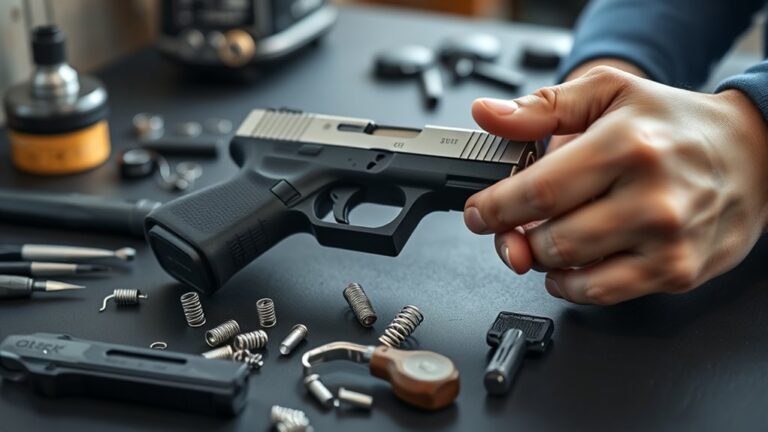
Where To Oil A Glock – Lubrication Points Guide
To properly oil your GLOCK, focus on the slide’s breech ends and rails, barrel lugs, muzzle area, and the frame’s connector or hook.
Use the 3-2-1 method: three drops on the slide, two on the barrel, and one on the frame.
Spread the oil evenly across each area and wipe away any excess. This helps prevent dirt buildup and keeps your firearm clean.
Proper lubrication is key to reducing friction, wear, and potential malfunctions.
Follow these guidelines carefully to master the art of precise oiling and keep your Glock performing at its best.
Why You Should Properly Lubricate Your GLOCK
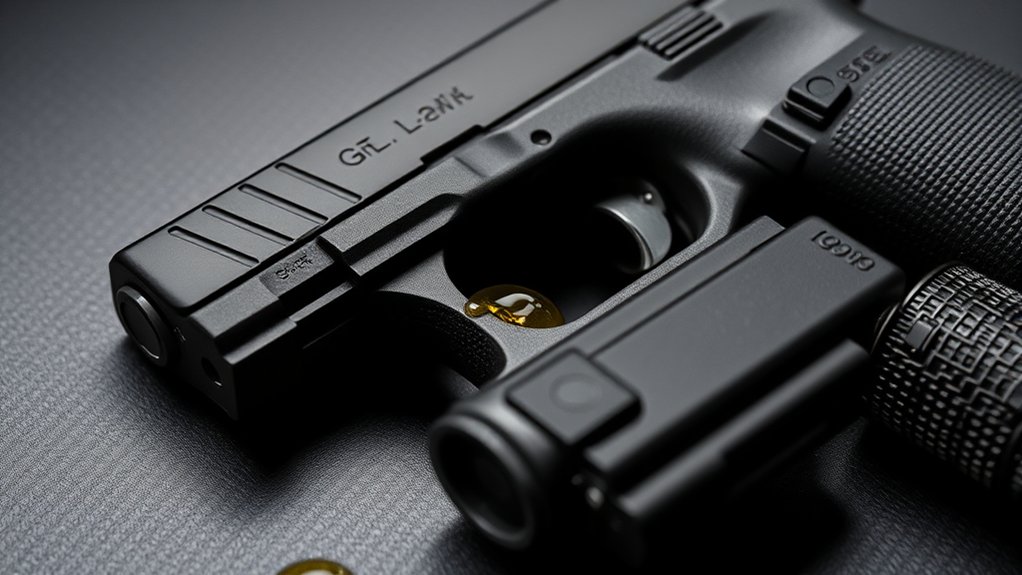
Although it might seem straightforward, properly lubricating your GLOCK is essential to reduce friction between moving parts. This helps prevent premature wear and extends the firearm’s service life.
You need precise friction reduction to keep your firearm cycling reliably. That means each round should chamber smoothly without any jams or malfunctions caused by dirt or debris buildup.
Applying lubricant correctly at the right points supports your firearm’s longevity. It minimizes wear and helps maintain consistent accuracy over time.
But be careful—over-lubrication can attract dirt and other contaminants. This can increase wear and even lead to firearm failure.
Following the manufacturer’s recommended lubrication procedures is key. It guarantees your GLOCK performs at its best and prevents unnecessary damage.
Preparing Your GLOCK for Lubrication
Before you start lubing up your GLOCK, it’s super important to make sure it’s completely unloaded. Take out the magazine and clear the chamber, then rack the slide a few times just to double-check.
Once you’re confident it’s safe, you can move on to disassembling the firearm into its main parts, following the proper safety steps.
These precautions help you get to all the spots that need lubrication safely and effectively.
Safety Checks Before Cleaning
How do you guarantee your GLOCK is safe to clean and lubricate? Start with some essential safety checks.
First, confirm the firearm is unloaded by removing the magazine.
Next, do a thorough visual inspection of the chamber. Physically verify that no round is present.
Then, rack the slide multiple times to eject any residual ammunition. This ensures the chamber is completely clear.
Always handle your firearm properly by pointing it in a safe direction during these steps.
Only after you’re certain your GLOCK is unloaded and safe should you proceed.
Never remove the slide or any major parts until you’re 100% sure the weapon is clear.
Following this disciplined approach keeps you safe and makes the cleaning and lubrication process smooth.
Field-Stripping Preparation Steps
Once you’ve confirmed your GLOCK is completely unloaded by removing the magazine and clearing the chamber, you can start the field-stripping process.
Rack the slide multiple times to make sure no ammunition remains inside. It’s important to follow the manufacturer’s instructions carefully during disassembly to avoid damaging any parts.
Separate the slide, barrel, and frame, and place each part in a clean, organized area. This helps streamline the lubrication and reassembly process later on.
Always double-check your owner’s manual for specific safety and disassembly procedures.
Prioritizing safety throughout the entire process will help maintain your GLOCK’s integrity and ensure everything goes smoothly.
Understanding the 3-2-1 Lubrication Method
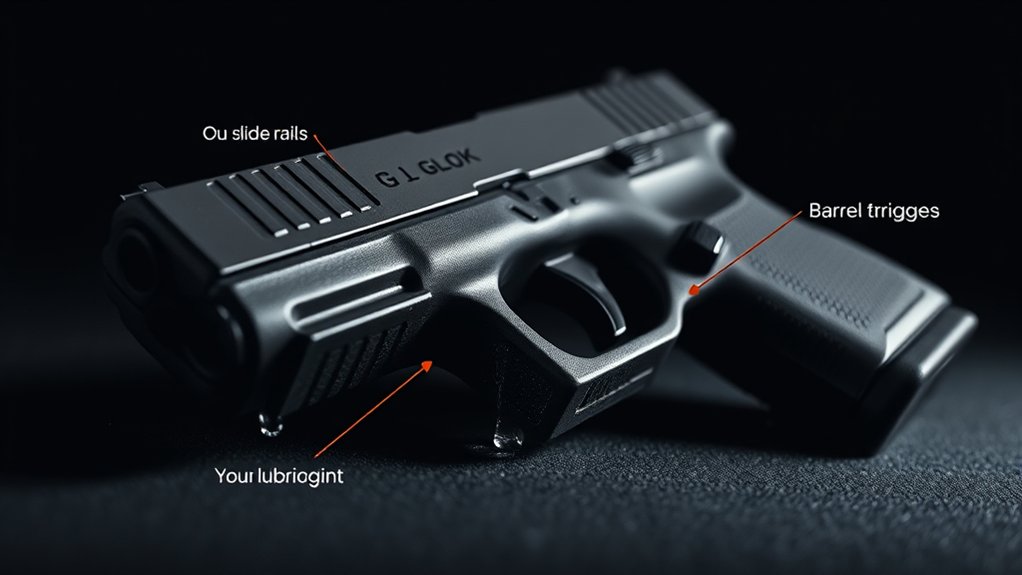
Although proper lubrication is critical for Glock reliability, applying too much oil can cause malfunctions. The 3-2-1 lubrication method helps you apply the right amount—three drops on the slide, two on the barrel, and one on the frame—targeting key contact points without excess.
Focus on the slide’s breech ends and under the hood near the front sight. Also, apply oil to the barrel’s lugs and muzzle area, as well as under the connector on the frame. These are the critical areas that need lubrication to keep your Glock running smoothly.
After applying the oil, spread it evenly along these surfaces. Use your pinkie or a cloth to ensure consistent coverage. This helps prevent issues caused by over-lubrication while protecting the parts that wear the most.
Lubricating the Slide, Barrel, and Frame
Where should you focus your lubrication efforts on a Glock? Concentrate on three critical areas to ensure maximum function and longevity.
Slide: Apply oil at the breech end of each rail and under the hood near the front sight. Spread lubricant evenly along the entire length of the slide rails using your pinkie finger. This helps reduce friction and prevents corrosion.
Barrel: Place two drops of oil—one on the locking lugs and another near the muzzle. This keeps the barrel moving smoothly and ensures reliable cycling.
Frame: Use one drop of oil under the connector or hook area. This helps with proper mechanical function by reducing wear on contact points.
Proper lubrication of the slide, barrel, and frame is essential for keeping your Glock reliable and performing at its best.
Key Points for Slide and Rail Lubrication
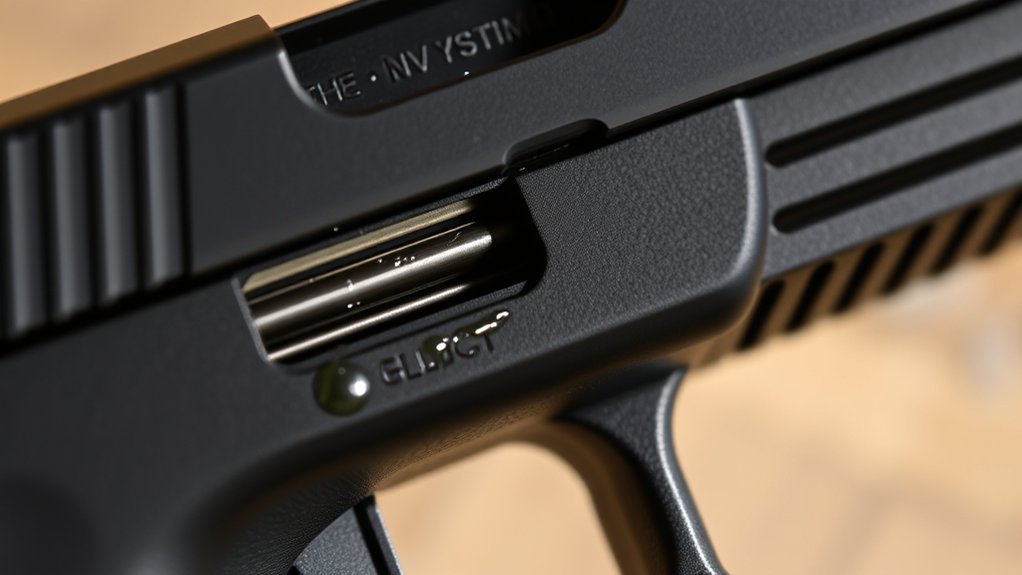
Because the slide and rails are in constant motion and experience friction, it’s important to lubricate these areas carefully. Doing so helps ensure smooth operation and prevents unnecessary wear.
Focus on the slide rails at the breech end and all critical contact points. This includes the hood near the front sight and where the slide contacts the frame.
After cleaning, apply a small amount of oil evenly along the entire length of the slide rails. This helps prevent rust and keeps debris from building up.
Use just a tiny bit of oil, spreading it carefully with your pinkie or a cloth. Avoid applying too much, as excess oil can attract dirt and grime.
Make sure to regularly check and reapply lubrication during maintenance. This keeps your Glock functioning reliably and reduces friction.
Properly caring for these key points will keep your slide operating smoothly and help extend the lifespan of your firearm’s components.
How to Lubricate the Barrel Lugs and Muzzle
First, you’ll want to find the barrel lugs carefully. Once you’ve got them in sight, put just a single drop of oil on each one. This helps keep the lock and release action smooth and easy.
After that, move to the muzzle area and add a little oil there too. Just a small amount will do—this helps prevent rust and keeps dirt from building up.
You can use your pinkie finger or a clean cloth to spread the oil around evenly. Just be careful not to use too much, because excess oil can attract dirt and make things run less smoothly.
Locate Barrel Lugs Correctly
Although locating the barrel lugs may seem straightforward, applying one drop of oil directly onto each lug is really important for smooth barrel movement during firing and cycling.
Proper lubrication of the barrel lugs helps keep the barrel aligned and reduces wear on your Glock. To do this correctly, start by identifying the raised lug surfaces around the barrel’s circumference. These are the parts that engage with the slide.
Once you’ve found them, apply a single drop of oil on each lug. This helps prevent metal-on-metal friction and keeps everything moving smoothly.
Next, place an additional drop near the muzzle to lubricate contact points and help reduce fouling buildup.
Use a clean pinkie finger or a small applicator to spread the oil evenly. Be careful not to over-oil the muzzle area because excess lubricant can attract dirt and impair your pistol’s performance.
Apply Oil Evenly
After placing a drop of oil on each barrel lug and near the muzzle, it’s important to spread it evenly. This helps ensure consistent lubrication across all critical points.
Use a clean finger or a precise applicator to distribute the oil smoothly around the barrel lugs and muzzle area. Make sure you cover the entire surface without applying too much.
Proper oil distribution minimizes friction and wear on the barrel lugs, which is key for reliable cycling. Be careful not to let the oil pool, as excess oil can attract dirt and debris, potentially causing issues.
Keeping the lubrication even and controlled reduces metal-to-metal contact. This not only extends the firearm’s service life but also helps maintain peak performance.
Regularly inspect the area during maintenance to see if reapplication is needed. By staying consistent with your oiling routine, you’ll keep your Glock’s barrel assembly running smoothly and reliably.
Maintain Muzzle Lubrication
When maintaining your Glock’s barrel lugs and muzzle, apply one drop of oil directly to the barrel lugs where they contact the slide. This helps ensure smooth cycling every time you shoot.
Proper muzzle lubrication is super important. It reduces friction and helps prevent rust from forming. Focus your oil application precisely to maximize your firearm’s performance.
Use your pinkie finger or a small applicator to spread the oil evenly on the barrel lugs and muzzle. This makes sure everything stays well-lubricated without overdoing it.
Next, put a drop of oil near the muzzle. This protects against rust and makes cleaning easier later on.
Finally, wipe away any excess oil. You don’t want buildup or debris sticking around, so a quick wipe does the trick.
This targeted lubrication helps your Glock cycle reliably, keeps the barrel in good shape, and makes sure it performs well during every shot.
How to Avoid Over-Oiling Your GLOCK
If you put too much oil on your GLOCK, it can attract dirt and debris. This buildup can speed up wear and lead to malfunctions.
Over-oiling also messes with lubrication because the extra oil can seep into places it shouldn’t. This can make the slide less smooth and hurt your accuracy.
To avoid this, only use a small amount of oil—about six drops in total. Follow the 3, 2, 1 method during maintenance to keep it simple.
This way, you get the right amount of lubrication without any buildup. After applying, wipe away any excess oil to prevent sludge from forming.
Keeping your gun clean and properly oiled helps it run smoothly and last longer. By controlling how much oil you use, you’ll keep your GLOCK reliable and performing well over time.
Frequently Asked Questions
Can I Use Grease Instead of Oil on My Glock?
You shouldn’t use grease instead of oil on your Glock. Proper cleaning and maintenance mean using the right lubrication techniques with oil.
Oil works well because it penetrates small contact points and helps reduce friction.
Grease tends to attract dirt and debris, which can cause problems over time. It can also make slide movement less smooth and may lead to malfunctions.
For the best results, always stick with recommended lubrication products and maintenance tools designed specifically for your Glock. This way, you’ll keep your firearm operating smoothly and ensure it lasts a long time.
How Often Should I Lubricate My Glock With Regular Use?
You should lubricate your Glock after every firing session to keep it running smoothly. This helps maintain optimal performance and prevents wear on the moving parts.
If you’re storing your Glock for an extended period, check it monthly. During these inspections, look for dryness or buildup and apply lubricant as needed. Keep in mind that storage conditions like humidity and temperature can affect how often you need to oil it.
The longevity of your lubricant can vary, so always pay attention to how your firearm looks and feels. Regular lubrication helps prevent rust and corrosion, which can damage your gun over time.
Staying on top of cleaning and lubricating your Glock ensures it stays reliable and safe to use. It also extends the overall lifespan of your firearm, so it’s worth making it part of your routine.
Does Lubrication Affect Glock Accuracy or Performance?
Absolutely, lubrication has a big impact on your Glock’s accuracy and overall performance. When you reduce friction between the moving parts, each shot tends to be smoother and more consistent.
Without proper oiling, parts can wear out faster. This wear can cause misalignments, which hurt your precision.
Over-lubricating, on the other hand, can attract dirt and debris, which also harms performance.
So, applying lubricant at the right points isn’t optional. It’s a must if you want your Glock to stay reliable and accurate.
Proper lubrication helps keep everything working smoothly, making sure your gun is ready for every shot.
Can Improper Lubrication Cause Malfunctions or Damage?
Yes, improper lubrication can cause malfunctions or damage by increasing friction and wear on critical components.
You need to prioritize lubrication safety and make sure the materials are compatible. This helps prevent chemical reactions that could degrade parts.
Maintenance troubleshooting often shows that excess oil attracts dirt, leading to jams. On the other hand, not enough lubrication can cause parts to seize or stick.
Applying lubricant at the wrong points can also mess up slide function and overall reliability.
What Type of Oil Is Best for Glock Lubrication?
You should use high-quality, synthetic gun oils specifically designed for firearm maintenance when lubricating your Glock. These oils provide excellent metal-to-metal protection during cleaning and can handle high temperatures without breaking down.
Stick to CLP formulations like Hoppe’s No. 9 or Ballistol to ensure reliability. These products are specially made for firearms and help keep your Glock running smoothly.
Maintaining proper lubrication frequency during firearm maintenance is key. It helps prevent malfunctions and ensures your Glock operates smoothly over time.
Avoid using household oils, as they can cause damage to your firearm. Always choose products made for firearm lubrication to keep your Glock in top shape.
Conclusion
Think of your GLOCK as a finely tuned machine. Oil it right, and it’ll perform with precision.
The key is mastering the 3-2-1 lubrication method. Focus on slide rails, barrel lugs, and key frame points to keep everything running smoothly.
Avoid over-oiling—too much is like flooding a river. It can cause more harm than good.
Treat your GLOCK with exact care, and it’ll reward you with reliable performance every time you pull the trigger.