Is My Concealed Carry Permit Valid In Other States – Reciprocity Rules Explained
Your Florida concealed carry permit is recognized by several states like Alabama, Arizona, and North Carolina. But not all honor it. States such as California and Massachusetts don’t because they have different standards.
Recognition often depends on your age, residency, and whether the state has formal reciprocity agreements. You also need to carry proper ID and follow local restrictions where you go.
Since rules vary widely and some states restrict permit holders, it’s really important to understand these nuances before traveling. That way, you can carry lawfully and securely.
If you dig a little deeper, you’ll find essential details about permits, exceptions, and compliance. It’s worth exploring so you’re fully informed.
Which States Recognize Florida Concealed Carry Permits
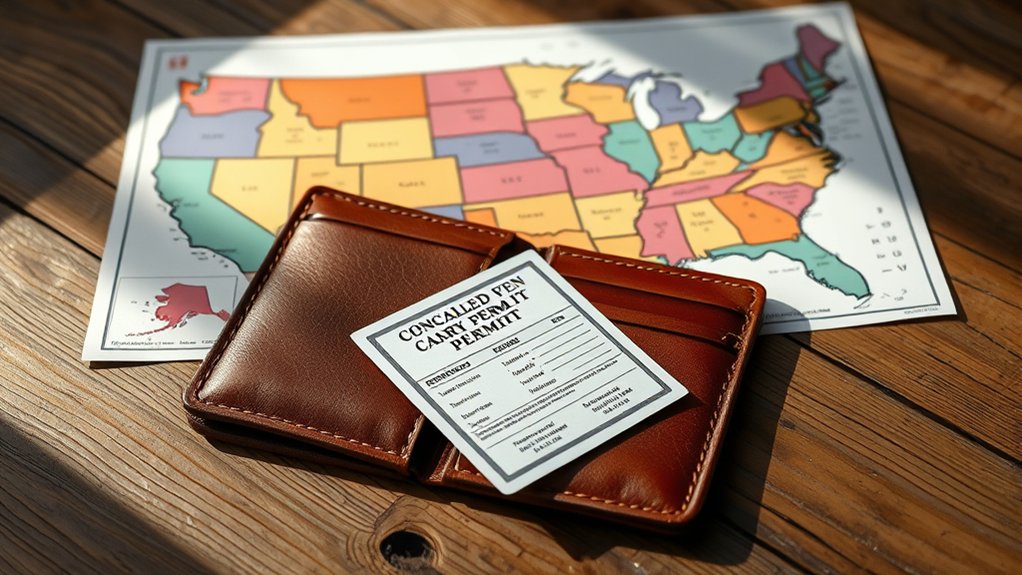
Although Florida issues concealed carry permits with broad recognition in mind, not every state honors them. You should know that Florida recognizes permits from states with established reciprocity agreements, including Alabama, Alaska, Arizona, and North Carolina. These agreements often rely on formal statutes or proclamations, such as Missouri’s effective from September 6, 2005.
However, some states like California and Massachusetts don’t recognize Florida concealed carry permits due to differing licensing standards or absence of reciprocity. If you hold a valid Florida permit, you generally can carry concealed weapons in other states recognizing Florida licenses, but you must comply with each state’s laws.
Concealed Carry Reciprocity Across States
When you carry a concealed weapon across state lines, understanding concealed carry reciprocity becomes essential because each state sets its own rules for recognizing out-of-state permits.
Reciprocity varies widely. Some states, like Missouri and North Carolina, have formal reciprocity agreements, while others recognize permits unilaterally or not at all.
Recognition depends on whether your permit meets specific criteria, including background checks, fingerprinting, and age requirements.
States such as California, Massachusetts, and Oregon don’t recognize any out-of-state concealed carry permits. That means you’d need to get a local license to carry legally there.
Before you travel, make sure to verify each state’s reciprocity agreements and permit recognition rules.
Staying informed helps ensure your concealed carry remains lawful across different states with varying regulations. It’s always better to double-check than to risk running into legal trouble.
How Age and Residency Affect Florida Permit Validity
Because Florida law recently evolved, individuals aged 18 to 20 can now obtain concealed carry permits if they meet eligibility requirements. This change follows a court ruling that struck down the previous age restriction.
Residency status does not affect your Florida permit validity. Nonresidents 21 and older can lawfully carry concealed weapons if they comply with Florida’s laws or hold a valid out-of-state license.
Service members and honorably discharged veterans aged 18 and older are exempt from the general 21+ age rule. Understanding how age and residency interplay is essential for permit reciprocity.
| Category | Age Requirement | Residency Requirement |
|---|---|---|
| General Public | 21+ | Resident or Nonresident |
| Military & Veterans | 18+ | Resident or Nonresident |
| Nonresident Licensees | 21+ | Valid out-of-state license |
Understanding States That Don’t Recognize Florida Permits
If you hold a Florida concealed carry permit, you need to know that several states don’t recognize it for reciprocity or concealed carry rights.
States like Massachusetts, New Hampshire, and Oregon explicitly refuse to honor Florida’s permit validity. This means you can’t legally carry concealed weapons there using your Florida permit.
Moreover, some states recognize Florida permits only under specific conditions, such as residency. This limits reciprocity for out-of-state visitors.
This lack of recognition often comes from differing licensing standards or background check requirements.
Florida permits are also generally not accepted in territories like Puerto Rico, Guam, and the U.S. Virgin Islands.
To avoid legal issues, you should always verify each state’s stance on reciprocity before carrying concealed weapons outside Florida.
Exceptions and Limits in Reciprocity Agreements

You need to understand that reciprocity agreements often include exceptions for military personnel and veterans. This means they might get broader recognition in some states compared to others.
Also, many states have strict limits on which types of permits they recognize. So, not all permits are treated equally when you cross state lines.
Knowing these specific exceptions and restrictions is really important. It helps you stay compliant and avoid any legal trouble down the road.
Military And Veteran Exceptions
While most states enforce a minimum age of 21 for concealed carry permits, Florida allows nonresidents who are active service members or honorably discharged veterans aged 18 or older to carry concealed weapons if they meet legal requirements. This age exemption reflects a broader trend where reciprocity agreements often recognize concealed carry permits issued to military personnel and veterans under specific conditions.
However, these exceptions vary by state. Some states explicitly exempt military and veteran permit holders from standard age or licensing requirements.
When traveling or stationed in different states, you need to comply with local reciprocity rules because recognition of military and veteran concealed carry rights isn’t uniform.
Understanding these nuances is important. It helps you carry legally and avoid penalties while benefiting from your military or veteran status.
State-Specific Recognition Limits
Because states set their own standards for recognizing concealed carry permits, reciprocity agreements often include specific exceptions and limits you need to know. Some states, like Idaho and Montana, only grant recognition to enhanced or specific permit types. This means reciprocity is restricted to those with higher standards.
Washington accepts certain out-of-state licenses, such as those from North Carolina, but excludes others like California’s. Recognition limits frequently depend on criteria like fingerprinting, mental health checks, age restrictions, and background screenings.
States including Massachusetts and Oregon don’t recognize any out-of-state licenses, regardless of permit class. Understanding these state-specific recognition limits is vital to guarantee your permit validity when traveling.
Always verify the exact reciprocity rules before carrying concealed across state lines to avoid legal complications.
Verifying Florida Permit Reciprocity Before Travel
Before traveling to Florida with a concealed carry permit, make sure you verify whether your home state’s permit is recognized under Florida’s reciprocity agreements. Florida only honors valid permits from states with specific reciprocity statutes or agreements, so not all states qualify.
To confirm if Florida will recognize your permit, consult the Florida Department of Agriculture and Consumer Services or official reciprocity lists before you travel. Keep in mind that reciprocity status can change, and some permits may be acknowledged without granting full carry rights in Florida.
As a nonresident permit holder aged 21 or older, you must guarantee your valid permit meets Florida’s criteria to carry concealed legally. Always check the most current reciprocity rules to avoid legal complications while traveling in Florida.
Safe Carry Tips for Florida Permit Holders Traveling
If you’re a Florida permit holder traveling to another state, you need to get familiar with that state’s concealed carry laws and reciprocity status. Not every state recognizes Florida’s permit, so it’s important to check if your valid license is accepted before you go.
States like Texas, Alabama, and North Carolina have reciprocity agreements, which means you can carry concealed weapons legally there.
Keep in mind, each state has its own rules about where and how you can carry, so make sure to review those restrictions before you travel.
Military members and honorably discharged veterans aged 18 and over have some specific privileges, but they still must follow local laws.
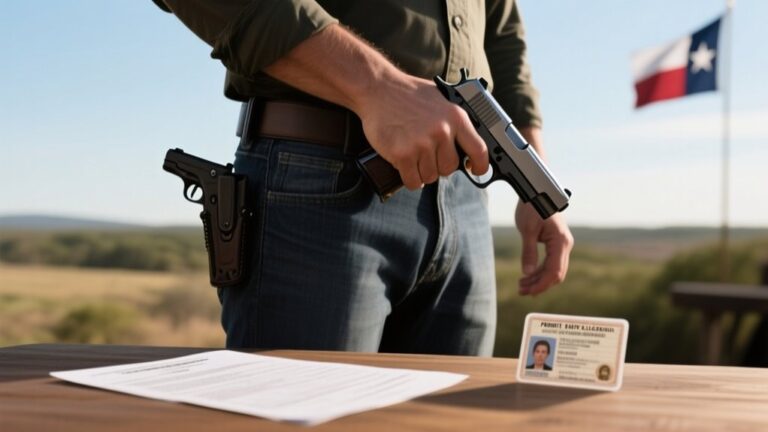
Always carry your permit and identification with you. Avoid prohibited areas, and understand that reciprocity doesn’t override state-specific regulations.
Staying informed helps you carry safely and legally across state lines.
Frequently Asked Questions
Can I Carry Concealed Without a Permit in States With Constitutional Carry?
Yes, you can carry concealed without a permit in states with constitutional carry laws. However, you need to follow each state’s specific rules.
Some states restrict permitless carry in certain places like schools or private property.
If you plan to travel, make sure to check local laws carefully because restrictions and requirements vary. It’s always a good idea to stay informed to avoid legal issues.
That way, you can be sure you’re complying with all the regulations in the state you’re in.
How Do Mental Health Records Impact Permit Reciprocity?
Mental health records greatly impact permit reciprocity because states require thorough background checks to ensure safety.
If your issuing state doesn’t review mental health histories, other states may reject your permit.
States demand that mental health screenings meet their standards before recognizing out-of-state permits.
Are Non-Resident Permits Recognized the Same as Resident Permits?
Think of resident and non-resident permits as different keys to similar doors. You won’t find non-resident permits universally recognized like resident ones.
States have varying policies—some accept non-resident permits through specific agreements, others don’t.
Your non-resident permit’s acceptance depends on the issuing state’s criteria and reciprocity rules. So, don’t assume equal recognition.
Always verify each state’s stance before carrying concealed outside your home state.
What Steps Are Needed to Get a Permit Recognized in Another State?
To get your permit recognized in another state, you need to verify that your permit meets that state’s requirements, including age and training standards.
Check if your state has a reciprocity agreement or unilateral recognition with the destination state.
Also, confirm the effective date of recognition and review local carry restrictions.
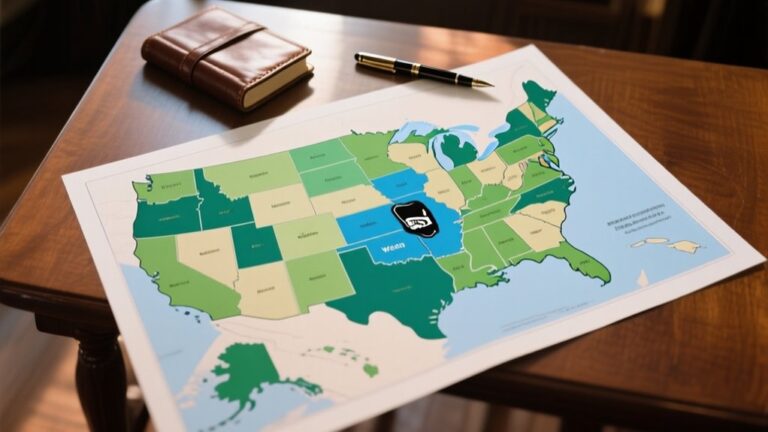
It’s a good idea to contact local law enforcement or use official reciprocity maps to get accurate info.
Taking these steps helps make sure your permit will be valid and legally recognized during your visit.
This way, you avoid any surprises while you’re there.
Can Permit Holders Carry in Federal Buildings or National Parks?
You can carry concealed in national parks if state law allows it, thanks to the 2010 federal law that aligns park rules with state regulations. So basically, if your state says it’s okay, you’re good to go in the parks.
Federal buildings are a different story. Federal law generally bans concealed carry in these places unless specific agency rules say otherwise. For example, courthouses and military bases strictly prohibit it.
It’s always a good idea to check individual federal facility policies before carrying. Over 60% of federal buildings enforce such restrictions, so better safe than sorry!
Conclusion
Knowing if your Florida concealed carry permit is valid in other states is like steering a complex map. You need to understand reciprocity rules clearly.
Always check each state’s recognition, age, residency requirements, and exceptions before you travel. Staying informed guarantees you carry legally and safely. It also helps you avoid costly mistakes.
Remember, your permit’s validity isn’t universal. So, verify reciprocity every time you cross state lines to protect yourself and others responsibly.