What Is Concealed Carry Reciprocity – Permit Recognition Explained
Concealed carry reciprocity lets you legally carry a concealed weapon in states that recognize your permit. Recognition depends on formal agreements or state laws, residency, age, and the type of permit you hold, whether it’s standard, enhanced, or special.
Some states only accept resident permits or have strict age rules, which can limit where you can carry. Understanding these factors is really important for lawful travel.
It’s a good idea to explore how these details influence your permit’s validity and what legal responsibilities you have across different states. That way, you’ll stay on the right side of the law wherever you go.
What Is Concealed Carry Reciprocity?
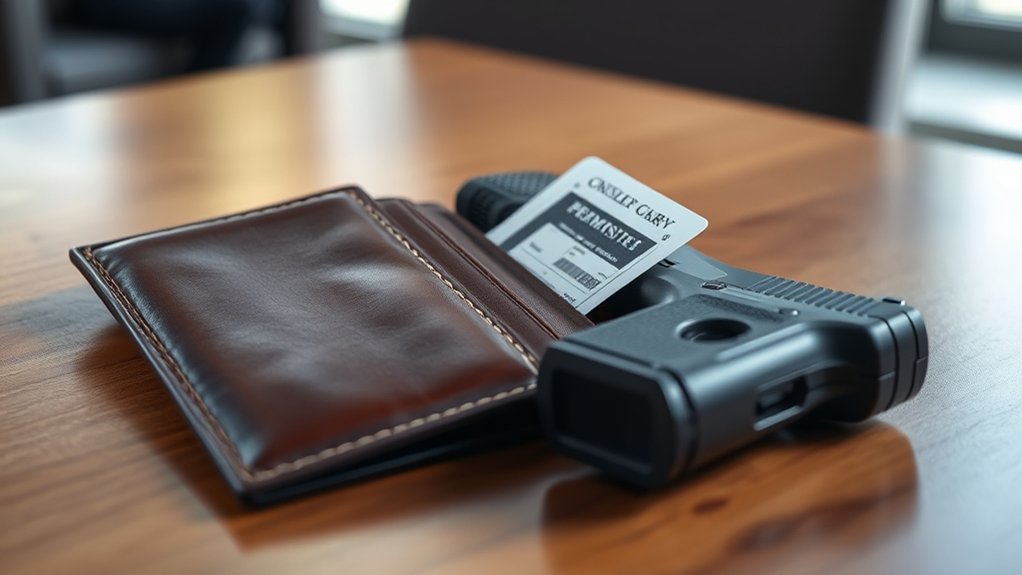
Although concealed carry permits vary by state, concealed carry reciprocity allows you to lawfully carry a concealed weapon in states that acknowledge your permit.
Concealed carry reciprocity means that permits issued by one state are valid in another, so you can carry concealed weapons beyond your home state.
Concealed carry reciprocity lets you legally carry your permit across different states beyond your home jurisdiction.
Recognition levels differ: some states offer full reciprocity, others partial, and some none at all. These agreements can be bilateral, involving mutual acknowledgment, or unilateral, where only one state accepts the other’s permit.
Regardless, you need to comply with the specific state laws where you carry concealed weapons.
Factors influencing recognition include background checks, training standards, and permit validity.
Understanding these distinctions helps you know where your permit is honored and ensures you carry lawfully across jurisdictions.
How Written Agreements and State Laws Affect License Recognition
When you carry a concealed weapon across state lines, the recognition of your license hinges on both written agreements and individual state laws. Written agreements, or reciprocity agreements, are formal documents signed by state representatives that explicitly recognize each other’s concealed carry licenses.
Moreover, some states rely on statutory reciprocity, recognizing out-of-state licenses based on laws rather than formal agreements. License recognition often depends on whether the issuing state’s laws meet specific standards, including age and background check requirements.
State laws may also restrict recognition to residents, excluding non-resident permits or those issued to individuals under 21. The recognition status can vary by license type and the provisions outlined in either written agreements or state laws.
How Residency and Age Affect Concealed Carry Permit Recognition
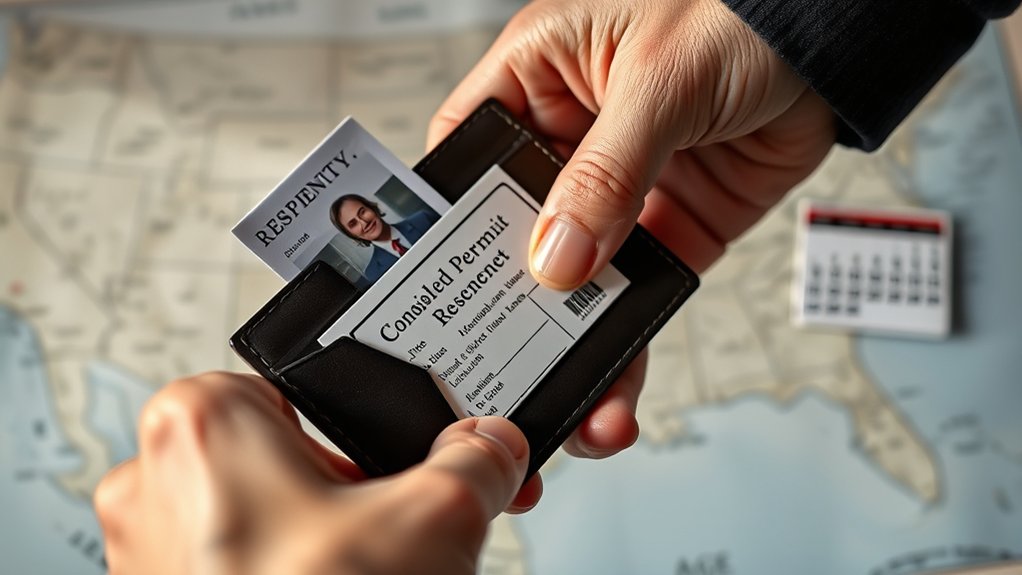
To have your concealed carry permit recognized in other states, you usually need to meet certain residency requirements. This generally means showing that you actually live in the state where the permit was issued.
Age is another important factor to keep in mind. Most states only honor permits if you’re 21 or older, so that can affect whether your permit is valid elsewhere.
Knowing how residency and age come into play makes it easier to understand where and when you can legally carry concealed.
That way, you’re not caught off guard when traveling.
Residency Requirements Overview
How do residency and age impact the recognition of concealed carry permits across states? Residency requirements have a big effect on reciprocity agreements. Many states only recognize permits issued to their own residents, which means out-of-state permit holders face limits.
Also, several states don’t recognize permits for people under 21. This means younger permit holders and non-residents might not be able to carry concealed where strict residency and age rules apply.
| State Policy | Residency Requirement | Reciprocity Impact |
|---|---|---|
| State A | Resident only | Recognizes in-state permits only |
| State B | Resident, 21+ years | Excludes underage/out-of-state |
| State C | Non-resident permits accepted | Broader reciprocity |
| State D | Resident only, 21+ | Strict reciprocity, limited travel |
Knowing these requirements makes it easier to understand where your permit will be recognized. It helps you navigate permit recognition more effectively.
Age Restrictions Explained
Residency plays a significant role in permit recognition, but age restrictions add another layer of complexity to concealed carry reciprocity. Many states set the minimum age for concealed carry permits at 21, though some allow exceptions for military members or veterans aged 18 or older.
This variation affects reciprocity, as states with stricter age requirements may not recognize permits issued to individuals under 21 from other states.
Furthermore, permit recognition often excludes non-resident licenses or those held by younger individuals unless specific exemptions apply. Understanding how state laws address age restrictions is vital because even if your permit is valid where issued, it may not be honored elsewhere based on your age.
Impact on License Recognition
Why does your concealed carry permit sometimes go unrecognized in other states? The impact on license recognition largely hinges on residency and age requirements within reciprocity agreements. Here’s why:
Many states only recognize permits issued to residents. That means non-resident licenses often don’t get reciprocity.
Age also plays an important role. States typically recognize permits for individuals aged 21 or older and often deny recognition to younger holders.
Some states, like Maine, categorically refuse to recognize non-resident permits regardless of age. This limits reciprocity even further.
Understanding these factors helps you anticipate where your permit will be recognized. Residency status and age eligibility really influence whether states honor your concealed carry permit.
How Different Concealed Carry License Types Affect Reciprocity Recognition

You’ll find that reciprocity recognition really depends on the type of concealed carry license you have. Some states only accept standard licenses.
Others might recognize enhanced or special permits, which usually come with extra training requirements.
So, it’s important to understand how these differences impact your license’s validity when you cross state lines.
Knowing this can help you carry lawfully without any surprises.
License Type Variations
How do different concealed carry license types influence reciprocity recognition across states? The type of license you hold, whether standard, enhanced, or lifetime, directly impacts how other states recognize your permit under reciprocity agreements. Here’s what you need to take into account:
Enhanced permits often require extra training and background checks. Because of these stricter state laws, they tend to be more widely accepted in reciprocity arrangements.
Some states limit license recognition to specific types. So, holding a less detailed license might restrict your concealed carry rights elsewhere.
Reciprocity can also vary based on whether the license was issued to a resident or non-resident. This difference affects your eligibility in different jurisdictions.
Understanding these license type variations helps you comply with state laws and maximize recognition while carrying concealed across state lines.
Impact On Recognition
When considering concealed carry reciprocity, what you need to know is that not all permit types receive equal recognition across state lines. The impact on recognition depends heavily on the license types issued by your home state and the specific state laws of the jurisdiction you visit.
Some states restrict permit recognition to enhanced or unrestricted licenses, while others accept all permit types, including standard or temporary permits.
Furthermore, recognition validity often hinges on whether your license meets the receiving state’s training and background check standards.
States may also limit reciprocity to licenses from certain states, excluding non-resident or special permits.
Understanding these distinctions is essential because they directly affect your ability to legally carry concealed across different jurisdictions under reciprocity agreements.
Which States Recognize Pennsylvania Concealed Carry Licenses
Which states recognize Pennsylvania concealed carry licenses can profoundly impact your ability to carry across state lines. Recognition varies by state, often depending on reciprocity agreements or unilateral decisions.
Key points to take into account include:
States like Alaska, Arizona, Arkansas, California, Colorado, Connecticut, and Delaware recognize Pennsylvania licenses, enabling you to carry concealed legally in those jurisdictions. Recognition typically applies only to Pennsylvania residents holding valid licenses; non-residents or individuals under 21 may face restrictions.
Despite out-of-state recognition, Pennsylvania requires you to hold a Pennsylvania-issued license to carry concealed within its borders.
Understanding this patchwork of recognition helps you navigate legal responsibilities effectively.
Always consult official state resources to confirm current reciprocity status and specific conditions tied to concealed carry licenses.
Limits on Applying for Concealed Carry Licenses in Other States
While knowing which states recognize your Pennsylvania concealed carry license informs where you can legally carry, it doesn’t guarantee you can apply for or obtain a license in those states. Many states impose strict residency requirements, limiting non-residents from applying for concealed carry permits.
Recognition of your Pennsylvania permit doesn’t ensure you can apply for or get a license in every state.
Even if a state recognizes out-of-state permits under reciprocity agreements, you still must meet that state’s specific application requirements to secure a new license.
Some states, like Maine and Massachusetts, neither recognize out-of-state permits nor allow non-residents to apply for their licenses. These restrictions highlight that recognition alone doesn’t equal eligibility.
So, to legally carry across state lines, you need to understand both reciprocity and each state’s application criteria.
Pay special attention to residency rules and background checks too. They can vary quite a bit from one place to another. Knowing the details helps you avoid surprises when you travel.
How to Stay Compliant When Traveling Concealed
Because laws governing concealed carry vary considerably across states, you must thoroughly research and confirm the validity of your permit and applicable reciprocity agreements before traveling.
To stay compliant when you carry a concealed firearm, adhere to these critical steps:
- Verify the reciprocity and license recognition between your home state and the destination. Make sure your out-of-state permit is valid under their concealed carry laws.
- Understand and follow all state laws at your destination, including restrictions on carrying in schools, government buildings, and private properties.
- Keep your permit and identification accessible. Also, stay updated on any changes to state laws or reciprocity agreements that might affect your legal carrying status. It’s important to stay informed so you don’t accidentally break any rules.
Frequently Asked Questions
Can Concealed Carry Reciprocity Affect Airline Travel Regulations?
No, concealed carry reciprocity doesn’t affect airline travel regulations. When you fly, TSA rules govern firearm transport. You need to declare your firearm, keep it unloaded, and pack it in an approved locked container within your checked baggage.
Even if your permit is recognized across states, you still have to follow federal regulations. So, don’t rely on reciprocity alone.
Always follow TSA and airline rules to avoid legal issues during air travel.
Are There Penalties for Unknowingly Violating Reciprocity Laws?
Yes, you can face penalties for unknowingly violating reciprocity laws. States often impose fines, confiscate firearms, or press criminal charges, depending on the violation’s nature.
Some classify offenses as misdemeanors or felonies, especially when carrying occurs in restricted areas or without proper permits.
Since ignorance isn’t a valid defense, you must stay informed about each state’s reciprocity agreements and regulations to avoid legal consequences.
How Does Reciprocity Impact Private Property Carry Permissions?
Reciprocity doesn’t change your ability to carry on private property. Property owners have the final say when it comes to firearm permissions, no matter if your permit is recognized in another state.
Even if your permit is valid somewhere else, you still have to follow the rules set by the private property owner. Carrying without their permission can lead to trespassing charges or getting asked to leave.
Do Concealed Carry Reciprocity Laws Apply to Non-Residents Temporarily?
If you’re visiting California from Texas, your Texas concealed carry permit likely won’t be recognized because California doesn’t honor most out-of-state permits.
Concealed carry reciprocity laws can apply to non-residents temporarily, but only if the state you’re visiting recognizes your home state’s permit.
You must always check specific state agreements since recognition varies widely. This affects your legal ability to carry concealed while traveling.
It’s a good idea to look into the rules before you hit the road.
Can Reciprocity Agreements Change Without Public Notice?
Yes, reciprocity agreements can change without public notice. You should know that states often update or revoke these agreements through legislative or executive actions. These changes may not involve formal announcements.
Because changes can occur quietly, sometimes after political negotiations or court rulings, it’s important to keep an eye out. You need to regularly check official government or law enforcement websites to stay informed about current reciprocity policies.
Don’t rely solely on outdated information.
Conclusion
Understanding concealed carry reciprocity is like maneuvering a complex map. Each state’s rules and agreements shape your path. You have to consider written agreements, residency, age, and permit types to know where your license holds weight.
Staying compliant while traveling means being vigilant and knowing the specific laws of each state. It can feel like a lot to keep track of, but once you get the hang of it, it becomes easier to navigate.
By grasping these nuances, you can confidently carry concealed. This way, your rights and responsibilities stay aligned with the legal landscape you’re traveling through.