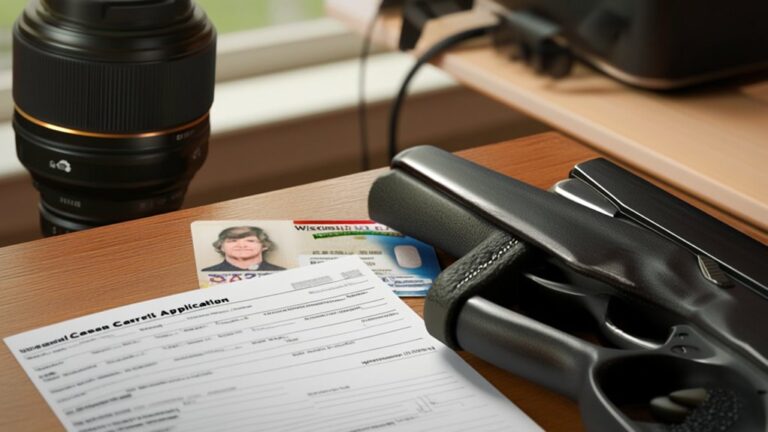
Can You Carry A Gun Without Concealed Permit – Laws And Penalties Explained
You can’t legally carry a concealed gun in Virginia without a permit. Doing so is a Class 1 misdemeanor and comes with penalties like fines, jail time, and permit revocation.
To carry legally, you must meet age and background criteria. You also need to apply through the Circuit Court and pass a state police check.
There are some exceptions, like carrying on private property. It’s really important to understand the legal requirements, restrictions, and penalties before carrying concealed to avoid serious consequences.
More details explain how to stay compliant. So, make sure you know the rules before you carry.
Is Carrying a Concealed Gun Without a Permit Legal in Virginia?
Is carrying a concealed gun without a permit legal in Virginia? No, it’s unlawful to carry a concealed weapon without a valid concealed carry permit in Virginia. The state’s firearm laws clearly require you to have this permit to carry a concealed handgun legally.
Violating this rule is considered a criminal offense, classified as a Class 1 misdemeanor. If you carry a concealed weapon without a permit, you face significant penalties, including fines, potential jail time, and even the invalidation of any existing permits you hold.
While open carry is generally allowed if you legally possess the firearm, concealed carry without the proper permit strictly isn’t. Virginia enforces these penalties rigorously to make sure compliance with its firearm laws.
Eligibility to Carry Concealed Without a Permit
You should know that whether you can carry a concealed firearm without a permit depends a lot on the state you’re in. It often comes down to things like your age and other legal rules.
For instance, Texas lets people over 21 carry without a permit, but both federal and state laws still prevent certain folks—like anyone with a felony record—from doing so.
Permitless Carry Eligibility
Although many states have embraced permitless carry laws, eligibility to carry a concealed firearm without a permit generally hinges on your legal right to possess a gun. Under these laws, you must meet all firearm laws requirements, including not being prohibited due to felony convictions or domestic violence misdemeanors.
Most states don’t require a background check or safety training for permitless carry, but federal restrictions still apply. You can carry a concealed firearm if you’re legally allowed to possess one and aren’t barred under state or federal law.
However, permitless carry doesn’t grant you the right to carry on private property that prohibits firearms or in restricted areas like schools and government buildings.
Understanding these eligibility rules guarantees you comply with current firearm laws.
Age And Restrictions
Age plays a vital role in determining your eligibility to carry a concealed firearm without a permit. Most states set the minimum age at 21. However, some state laws allow individuals aged 18 to 20 to carry concealed weapons without a permit, often due to specific legislation or court rulings.
Federal firearm laws generally prohibit possession under 18. But age restrictions for carrying long guns tend to be lower, typically starting at 18.
It’s important to understand your state’s specific age restrictions because carrying a concealed weapon below the minimum age can lead to illegal carry charges.
Since concealed carry permits usually require meeting the minimum age, failing to comply with age and state laws risks legal penalties and criminal charges related to unauthorized firearm possession.
Exceptions Allowing Concealed Carry Without a Permit
You can carry a concealed firearm without a permit in certain situations defined by law. For example, if you’re on your private property or performing official duties as law enforcement or military, you’re usually allowed to do so.
These exceptions also include carrying concealed at your own residence or workplace. Plus, transporting a firearm in a locked container is generally permitted without a permit.
That said, it’s really important to know that these rules can vary depending on where you live, and they often come with strict limitations.
Legal Exceptions Explained
When can you legally carry a concealed firearm without a permit? Legal exceptions vary by jurisdiction, but generally, you’re allowed to carry without a license if you meet specific criteria under concealed carry laws.
For example, carrying a firearm in your home or fixed business often falls under exceptions to concealed carry requirements.
Some states let you carry openly without a license, which can indirectly exempt you from needing a concealed carry permit.
Also, law enforcement officers and certain military personnel may carry concealed firearms without permits while on duty, reflecting specific firearms regulations.
Other exceptions might apply during lawful hunting or sporting activities, depending on state laws.
It’s really important to understand these legal exceptions to make sure you’re following firearms regulations and avoid any penalties.
Permitted Concealed Carry Scenarios
Understanding the specific scenarios where concealed carry is permitted without a license can clear up a lot of common questions about firearm regulations. It’s important to know that there are permit exemptions under certain legal exceptions. These allow you to carry lawfully without needing a concealed carry permit.
For example, you can carry a firearm on your own property or at your fixed place of business.
Also, law enforcement officers or military personnel are allowed to carry concealed firearms while performing their official duties.
You’re also covered if you’re engaged in lawful hunting, target shooting, or firearm training activities.
Plus, some states have open carry rules that apply when you carry without a permit. These rules make sure that simply carrying a firearm doesn’t break any other laws.
Penalties for Illegal Concealed Carry in Virginia
Although Virginia allows concealed carry with a valid permit, possessing a concealed weapon without one is a Class 1 misdemeanor. This offense can be punished by up to 12 months in jail and fines reaching $2,500.
In Virginia, carrying a concealed weapon without a valid permit is a Class 1 misdemeanor with serious penalties.
Under Virginia laws, carrying a firearm without a valid permit is a serious criminal offense with stiff penalties. If you’re caught carrying unlawfully in prohibited areas, you might face additional penalties or even felony charges.
Also, repeatedly violating firearm possession laws leads to increased jail time and could result in losing your firearm rights. Any illegal carry invalidates any existing permit, which makes subsequent offenses even more serious.
It’s important to understand these consequences if you want to follow concealed carry rules and avoid harsh legal trouble in Virginia.
Ways to Defend Yourself if Charged With Illegal Concealed Carry

Facing charges for illegal concealed carry can feel overwhelming, but several defenses may apply depending on your situation. You can use these defense strategies to address criminal charges effectively.
First, you might be able to prove the firearm wasn’t concealed. Maybe it was openly carried or visible, which could mean there was no concealed carry violation.
You could also show lawful ownership or that the weapon was used for a legal activity, like transportation following proper procedures.
Another approach is to challenge the validity of the stop or search. If law enforcement didn’t have probable cause or didn’t follow proper procedures, that could help your case.
Finally, if you’d a valid permit at the time or qualify for a legal exception, that might negate the charges altogether.
It’s always a good idea to consult an experienced attorney. They can help tailor your defense based on the specifics of your case and the laws in your jurisdiction.
How to Get a Concealed Carry Permit in Virginia
How do you get a concealed carry permit in Virginia? You start by submitting an application to the Circuit Court Clerk’s Office in your jurisdiction. You’ll need to answer questions under oath as part of the process.
You must meet eligibility criteria. For example, you have to be at least 21 years old, or 18 if you’re an honorably discharged veteran. Then, you’ll need to pass a background check.
After paying the application fee, the Virginia State Police will review your background. They decide whether to issue or deny the permit. Sometimes, the application process might include additional questions or hearings if any concerns come up.
| Step | Requirement | Authority Involved |
|---|---|---|
| Application | Submit to Circuit Court | Circuit Court Clerk |
| Eligibility Check | Age, background | Virginia State Police |
| Review & Decision | Verify info, approve/deny | Virginia State Police |
This process ensures you’re following Virginia’s firearm laws and permit requirements.
Important Tips for Complying With Virginia Concealed Carry Laws
To comply with Virginia concealed carry laws, you must obtain a valid concealed handgun permit from the Circuit Court Clerk’s Office before carrying a concealed weapon.
Obtaining a valid concealed handgun permit from the Circuit Court Clerk’s Office is essential before carrying concealed in Virginia.
Legal compliance requires you to always carry your permit on your person for law enforcement inspection when carrying firearms.
You should avoid prohibited locations such as schools, courthouses, and private properties with posted no-carry signs.
Also, make sure to carry your handgun in a proper holster and never in areas banning concealed weapons.
Before possessing or carrying firearms, confirm you meet Virginia’s age and background requirements.
Following these steps helps you avoid penalties associated with violating concealed carry laws in Virginia.
Staying informed and diligent is key to lawful, responsible firearm possession.
It’s really important to keep up with the rules so you’re always on the right side of the law.
Frequently Asked Questions
Can Non-Residents Apply for a Virginia Concealed Carry Permit?
Yes, you can apply for a Virginia concealed carry permit as a non-resident only if you have legal residence or domicile in Virginia.
You’ll need to meet all eligibility criteria, including passing background checks and meeting age and mental health requirements.
If your home state’s permit isn’t recognized by Virginia, applying through a Virginia Circuit Court is necessary.
Always verify reciprocity agreements before assuming your permit is valid in Virginia.
Are There Firearm Storage Requirements in Vehicles for Concealed Carry?
Yes, you must follow firearm storage requirements when carrying a concealed weapon in your vehicle. Most states require you to store your gun in a locked, closed compartment like a glove box or trunk. This helps prevent unauthorized access.
Even with a permit, openly carrying a firearm in a vehicle without proper storage can be illegal. So, it’s important to know the rules in your state.
Failing to comply may lead to fines or misdemeanor charges.
Always secure your firearm correctly while transporting it. That way, you stay safe and avoid any legal trouble.
How Does Virginia Law Treat Carrying Firearms on Private Property?
Carrying firearms on private property in Virginia is like walking on a path marked by clear signs. You just have to follow the posted rules.
If the property owner hasn’t posted a prohibition, you can legally carry there with permission. However, ignoring no-gun signs can lead to criminal charges such as trespassing or illegal carrying.
You need to respect private property rules. Otherwise, law enforcement may remove you and enforce penalties accordingly.
What Are the Rules for Carrying Firearms During Hunting or Recreational Activities?
You can carry firearms during hunting or recreational activities if you follow state-specific rules. Typically, you must use the firearm only in designated hunting zones and during legal seasons.
Your firearm usually needs to be unloaded and safely stored unless you’re actively hunting or involved in shooting sports.
Some areas restrict firearm types regardless of permits. Violating these rules can lead to fines or criminal charges.
Can a Concealed Carry Permit Be Revoked for Non-Criminal Reasons?
Think of your concealed carry permit like a fragile glass. Yes, it can break without any criminal action. Authorities may revoke it if you submit false info, miss renewal deadlines, or violate administrative rules.
Even mental health concerns or carrying in restricted areas can trigger revocation. You’ll usually get formal notice and a chance to contest.
Conclusion
Carrying a concealed gun without a permit in Virginia isn’t a risk you want to take lightly. It could feel like walking a legal tightrope over a pit of alligators. You really need to understand when it’s allowed, know the penalties, and follow the law precisely.
Getting your permit is the safest way to protect yourself and avoid severe consequences. Stay informed and comply fully. That way, you’ll keep both your rights and your peace of mind intact.