How To Carry Concealed When Riding – Safe Motorcycle Carry Tips
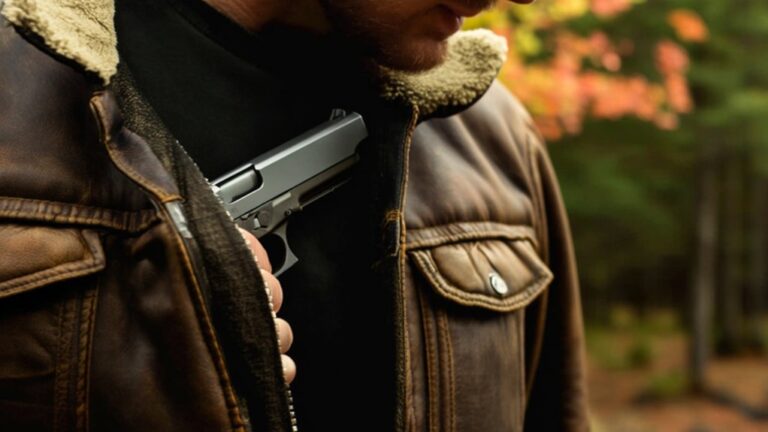
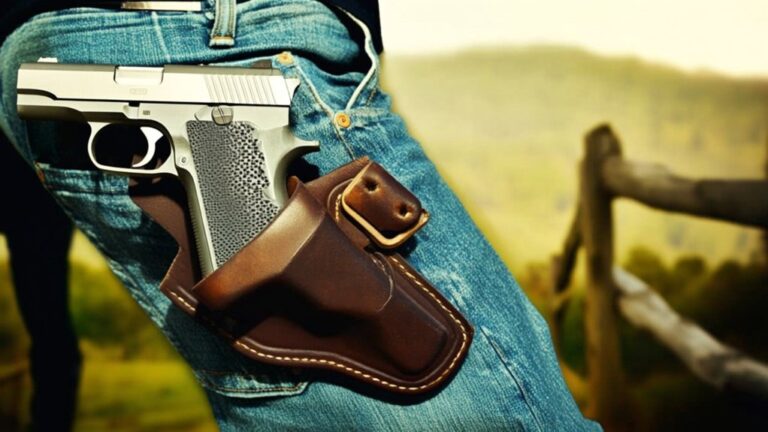
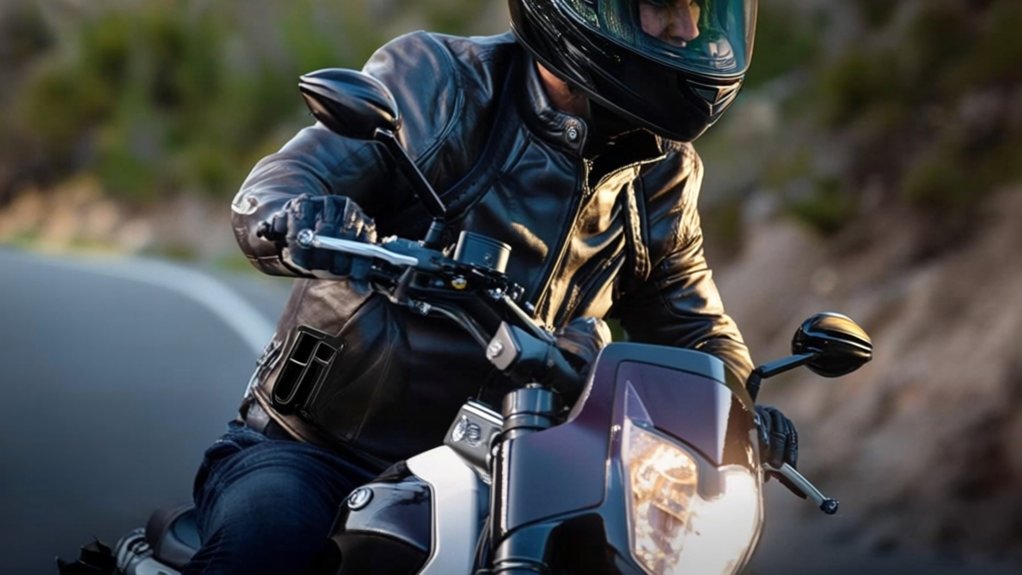
To carry concealed safely while riding, use a retention holster that fits securely and covers the trigger completely. Position it for easy access, usually at 3-4 o’clock or inside your jacket.
Choose riding gear with snug, reinforced pockets or built-in holsters to minimize printing and keep your firearm stable against vibrations.
Practice drawing with your full gear on and stay aware of your local concealed carry laws. Mastering these basics guarantees you’re prepared and protected on the road.
Why You Need a Specialized Setup for Motorcycle Concealed Carry
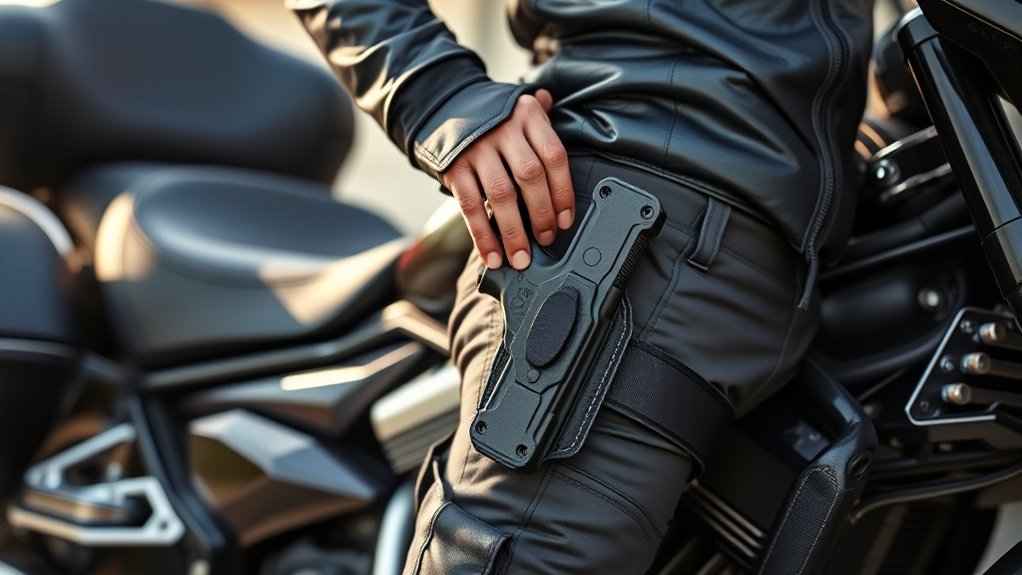
Because motorcycle riding exposes you to wind, vibrations, and constant movement, you need a specialized concealed carry setup that keeps your firearm secure and hidden. Standard holsters often fail under these conditions, risking firearm shifting or accidental exposure.
For effective motorcycle concealed carry, you must use retention holsters designed to withstand impact and vibration. This ensures your gun stays firmly in place. Also, prioritize trigger protection to prevent unintentional discharge during the ride.
Concealment is essential too. Integrating your holster with proper riding gear, like jackets featuring built-in holsters or reinforced pockets, helps maintain a low profile without sacrificing easy access.
This specialized setup balances safety, security, and concealment. It lets you carry confidently while navigating the dynamic environment of motorcycle riding.
How to Choose a Secure, Quick-Access Holster for Motorcycle Riding
When selecting a holster for motorcycle concealed carry, you’ll want one that combines high retention with quick access. This guarantees your firearm stays secure yet ready for immediate deployment.
Prioritize holsters offering full trigger guard coverage, like the Safariland 7377/7378, to maximize firearm security during vibrations and movement.
Make sure the holster attaches firmly to your gear or clothing. This helps prevent shifting or dislodging on rough terrain.
Look for adjustable retention features so you can customize stability without sacrificing quick-access capability.
Also, choose models compatible with your firearm size, such as Bursa Thunder .380 or Glock 19x. This is especially important if you prefer open carry without a belt.
Durability in dirt and off-road environments is essential to maintain consistent firearm security and reliability throughout long solo rides.
Best Holster Positions for Concealed Carry on Different Motorcycles
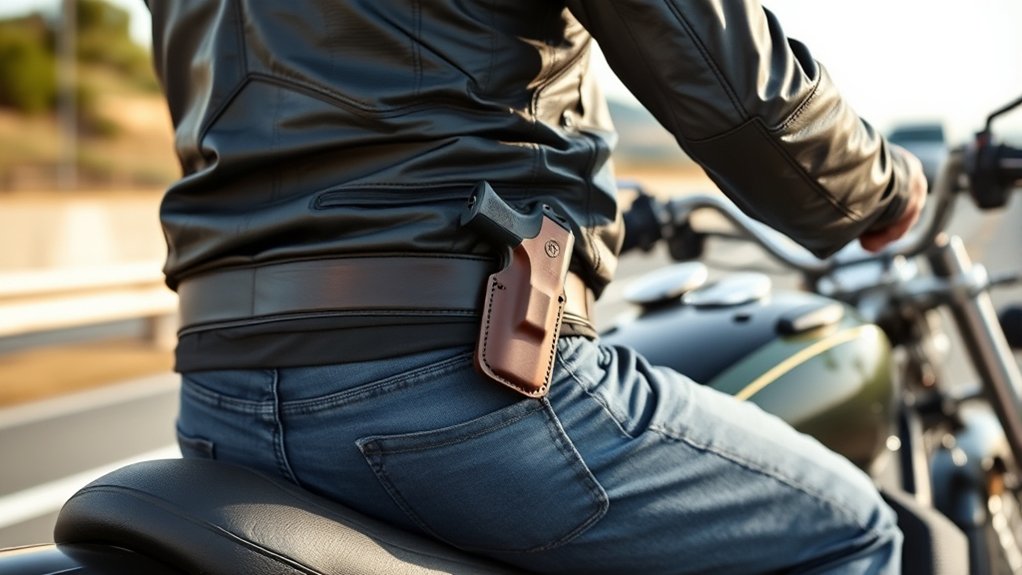
Choosing the right holster is just one part of effective concealed carry on a motorcycle. Where you position it plays a big role in both accessibility and comfort.
On sportbikes, placing IWB holsters at 3-4 o’clock offers quick access while keeping things concealed during those aggressive forward-leaning positions.
Cruiser riders often go for appendix carry or small-of-the-back holsters. These are usually securely attached to reinforced motorcycle jackets, which helps with stability and concealment.
Shoulder holsters under riding gear are another great option, especially if you’re wearing bulkier jackets. They provide a reliable way to draw quickly.
Touring riders tend to benefit from holsters placed inside tank bags or saddlebags. This setup combines concealment with a secure attachment.
It’s important to adjust your holster position as you change riding postures. That way you avoid printing or shifting, ensuring safe and immediate access without sacrificing comfort or concealment.
Riding Gear That Enhances Concealment and Accessibility
Even if you pick the perfect holster and position, your riding gear plays a crucial role in maintaining concealment and guaranteeing quick access. Choose jackets with reinforced pockets and built-in holsters for discreet concealment and smooth accessibility. Heavy-duty materials like leather or canvas prevent printing and resist wind.
A concealed carry vest with secure, lined pockets adds another layer of protection and quick reach. Structured fits reduce garment flapping, minimizing firearm exposure. Secure closures stabilize your gear during high-speed rides.
| Benefit | Gear Feature |
|---|---|
| Discreet Concealment | Built-in holsters, lined pockets |
| Accessibility | Reinforced ambidextrous pockets |
| Protection | Heavy-duty leather or canvas |
| Stability | Secure zippers, snaps, Velcro |
Pick riding gear that complements your holsters to ensure safety and confidence on every ride. It makes a big difference when you’re out there on the road.
How to Hide Your Gun While Riding Without Printing
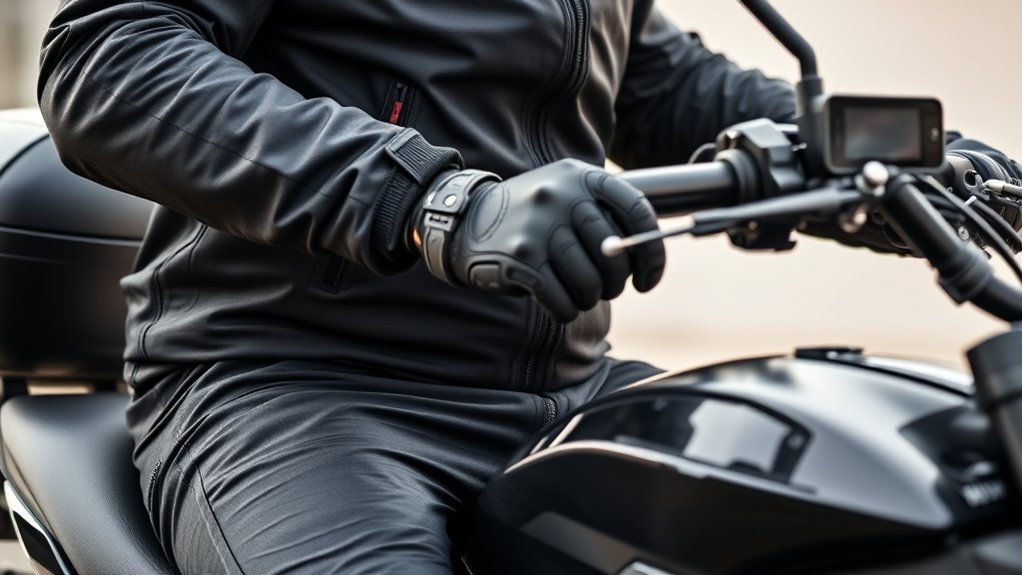
You’ll want to go for form-fitting, moisture-wicking layers that cut down on fabric movement and keep your firearm from printing. Think about choosing structured outerwear, like leather or heavy canvas—it helps block the wind and hides your gun’s outline.
Also, make sure to secure any loose clothing and layer up smartly. That way, your concealed carry stays discreet, even when you’re riding at high speeds.
Clothing Choices For Concealment
When you wear form-fitting compression undershirts beneath your riding gear, you stabilize your firearm and reduce printing by keeping clothing from flapping or riding up. Your clothing choices directly affect concealment, so opt for jackets with structured linings and secure closures like zippers or snaps. These features keep jacket pockets tight, preventing your gun from shifting or showing through.
Layered clothing works well, but make sure each piece fits properly. Too loose invites printing, and too tight restricts movement.
Dark, non-reflective fabrics further minimize the firearm’s outline, especially in bright conditions.
Regularly check clothing fit and coverage while seated to confirm your firearm remains concealed. Managing how your clothing fits and behaves helps you maintain effective concealment without compromising comfort or safety on the road.
Managing Wind And Movement
Because wind and movement can quickly betray your concealed firearm while riding, managing how your clothing behaves at high speeds is critical. Wind resistance can cause loose garments to flap, increasing the risk of printing. Choose form-fitting undershirts to stabilize your holster and reduce excess fabric movement.
Outer layers should be longer and made from structured materials that minimize riding up. Make certain your jacket securely fastens with zippers, snaps, or Velcro tabs to prevent flapping caused by wind resistance.
Regularly check your clothing fit and holster positioning while seated or in riding gear to maintain concealment.
Layering Techniques For Coverage
Controlling how your clothing layers interact plays a big role in keeping your firearm concealed while riding. Start with form-fitting, moisture-wicking undershirts to stabilize holster placement and reduce printing.
Layered clothing with built-in concealment pockets or holsters enhances coverage by preventing outlines from showing during movement.
Choose longer, structured riding gear or tactical jackets designed specifically for concealed carry to cover your firearm effectively. Secure outer layers with zippers or snap closures to stop flapping at high speeds, which can reveal your weapon.
Regularly inspect your clothing layers while seated to make sure nothing bulges or shifts.
Securing Your Firearm Against Shifts on Rough Terrain
Although rough terrain can jostle your firearm unexpectedly, you can secure it effectively by choosing holsters with adjustable retention and strong attachment points designed to prevent shifting.
Opt for holsters featuring high-friction or textured surfaces to reduce slippage on uneven trails.
Incorporate additional retention accessories like thumb breaks or retention straps to keep your firearm firmly in place during jolts and vibrations.
Tighten your riding jacket or vest over the holster to minimize movement and maintain consistent positioning.
After each ride, inspect and readjust your holster and cover garments to guarantee everything remains stable and secure.
Quick and Safe Draw Tips for Motorcycle Riders
Securing your firearm against shifting sets the foundation for a quick and safe draw when riding. To master concealed carry on a motorcycle, position your holster in an accessible location, commonly IWB at 3-4 o’clock or beneath your motorcycle jacket. This helps reduce movement during deployment.
Position your holster accessibly, like IWB at 3-4 o’clock, to ensure a secure, quick draw while riding.
Use a holster with adjustable retention and full trigger guard coverage. This lets you draw quickly without fumbling or risking accidental discharges.
Practice drawing your firearm while seated on your motorcycle to build muscle memory and ensure smooth handling.
Regularly simulate emergency scenarios while wearing your riding gear. This trains you for real conditions you might face on the road.
Also, keep your clothing secure and free from flapping to prevent snagging or delays. These steps prepare you for safe, efficient firearm deployment during critical moments when riding.
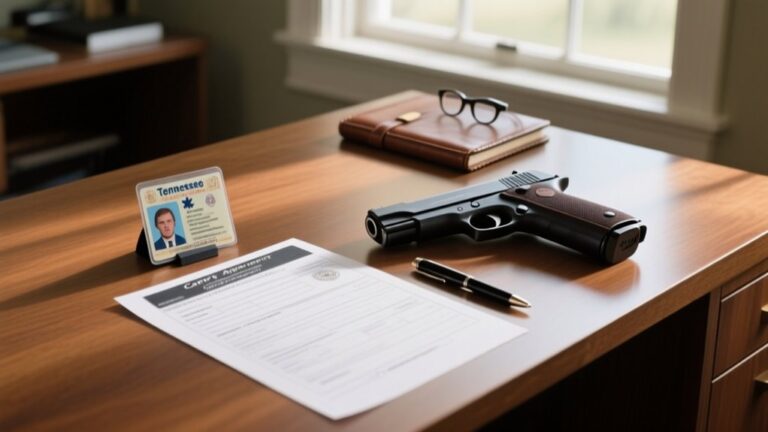
Concealed Carry Laws Every Motorcycle Rider Should Know
When carrying concealed on a motorcycle, you need to know that firearm laws vary widely by state and can directly impact how you carry and transport your weapon.
As a motorcycle rider, understanding concealed carry laws is essential to ensure you stay legal. Most states require a valid permit to carry concealed, but some treat motorcycles as extensions of your vehicle. This can influence how your firearm stays concealed or stored during transport.
Open carry laws also differ from state to state, so you should check whether your state allows open carry or strictly concealed carry.
On top of that, carry laws might restrict firearms in sensitive places like schools or courthouses. It’s always best to check local regulations before you ride to avoid any legal trouble.
Staying informed not only protects you but also helps you practice safe and responsible firearm handling on your motorcycle.
Frequently Asked Questions
Can I Carry a Firearm in My Motorcycle Saddlebags Safely?
Yes, you can carry a firearm safely in your motorcycle saddlebags if you take proper precautions.
Always store your unloaded firearm in a purpose-built, lockable case or holster to prevent movement and accidental discharge.
Use durable, padded saddlebags and secure them tightly to your bike.
Make sure to regularly check the mounting and closure.
Don’t forget to follow local laws regarding firearm storage.
Taking these steps helps guarantee your safety and compliance on the road.
What’s the Best Way to Clean My Firearm After a Long Ride?
Studies show that 85% of firearm malfunctions stem from poor maintenance. After a long ride, clean your firearm promptly to remove dirt and sweat.
Use a proper cleaning kit with solvents and brushes, and disassemble it as per the manual.
Focus on the barrel, slide, and recoil spring.
Make sure to dry all parts thoroughly before moving on.
Then, apply a light coat of lubricant before reassembling your firearm.
This routine guarantees reliable function and helps prevent rust.
Keeping your firearm in top shape is easier than you might think!
How Do Weather Conditions Affect Concealed Carry While Riding?
Weather affects your concealed carry by impacting clothing fit and holster security. Wind at high speeds can lift your clothing or shift your holster, risking exposure.
Hot weather pushes you toward lighter clothes that offer less concealment.
Rain makes grips slippery, compromising retention.
Cold weather layers help conceal but add bulk, hindering quick access.
Always anticipate sudden weather changes that might flap your clothing and reveal your firearm unexpectedly.
Are There Specific Insurance Policies for Armed Motorcycle Riders?
You’d think insuring a firearm on a motorcycle would be as easy as riding downhill with the wind at your back, but it’s not. Yes, specific insurance policies exist for armed motorcycle riders, often as add-ons to standard coverage.
You’ll want to check if your policy covers theft, loss, or damage to your firearm.
Always consult your agent to make certain your guns are protected and meet permit and storage requirements.
How Should I Store My Firearm When Parked Overnight?
You should store your firearm in a secure, lockable container designed specifically for firearms when parked overnight. Use a motorcycle lockbox or tank bag with lockable compartments to keep it safe.
Make sure the firearm is unloaded and secured with a trigger lock or locked holster.
Keep it dry, away from extreme temperatures, and protected from moisture.
Always check that your storage method complies with local laws to avoid legal issues. It’s better to be safe and follow the rules so you don’t run into any trouble.
Conclusion
Mastering motorcycle concealed carry means merging mindful methods with meticulous maintenance. You’ll want a secure setup, smart holster selection, and savvy gear to stay safe and stealthy.
Remember, rapid readiness requires regular practice and respecting relevant regulations. By balancing balance, bravery, and best practices, you’ll confidently carry concealed while cruising.
Stay sharp, stay secure, and stay street-smart every time you saddle up for your ride.