What Is The Best Caliber For Long Range Target Shooting – Top Choices Explained
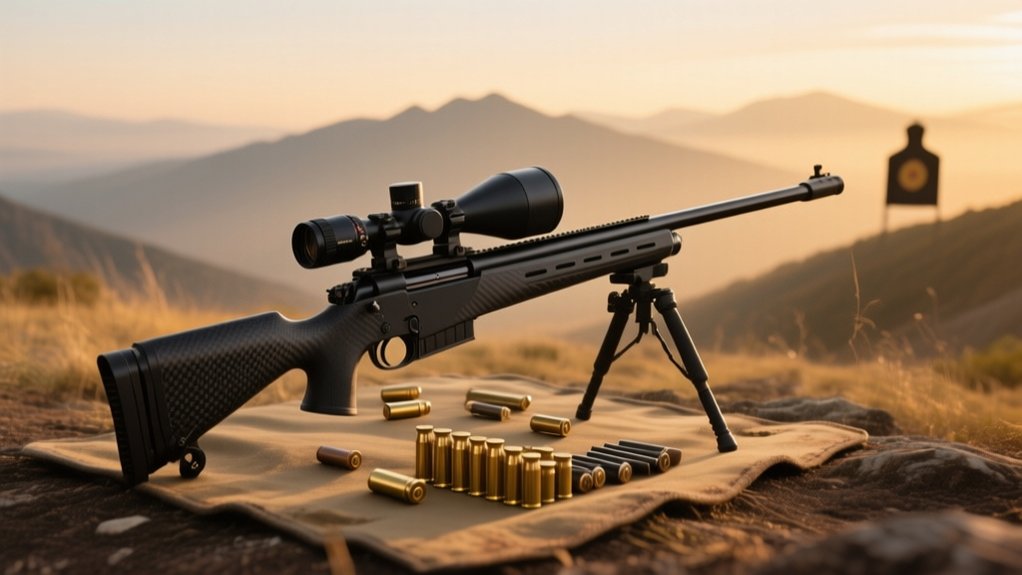
For long-range target shooting, you want a caliber that balances high ballistic coefficient, manageable recoil, and good ammo availability. The 6.5 Creedmoor stands out for its accuracy beyond 800 yards and low recoil, making it ideal for most shooters.
If you need extreme distance, calibers like the .300 PRC or .375 Chey-Tac deliver superb performance past 1,000 yards. Choosing the right caliber also depends on your rifle and shooting conditions, with factors like barrel life and terrain shaping your best option.
Exploring these details can help you fine-tune your choice for top accuracy.
Key Traits of Ideal Long-Range Shooting Calibers
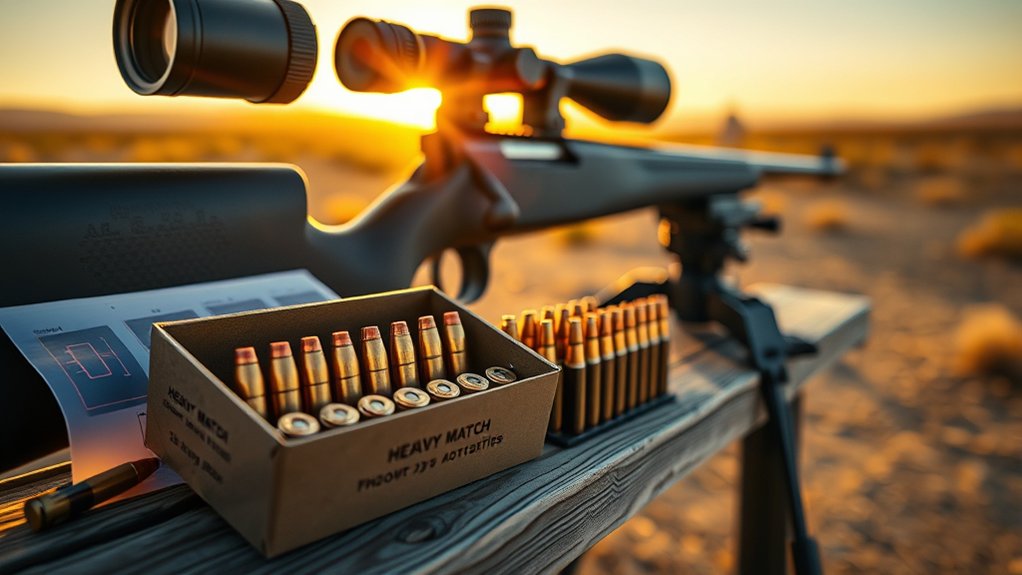
When you choose a caliber for long-range shooting, you want one with a high ballistic coefficient to resist wind drift and retain velocity over distance. A cartridge designed for this purpose balances muzzle velocity and bullet weights to optimize performance.
Heavy bullets generally handle wind drift better and maintain energy, while lighter bullets can offer flatter trajectories. You’ll find that calibers like the 6.5 Creedmoor and .300 PRC are popular because they combine high ballistic coefficients with suitable muzzle velocities.
Heavy bullets resist wind drift and retain energy, while lighter ones provide flatter trajectories for precision shooting.
Factory ammunition availability is another key factor; calibers such as the .308 Winchester and 6.5 Creedmoor are widely accessible, making them practical for all skill levels.
Precision rounds and proper bullet selection further enhance accuracy in demanding long-range shooting scenarios.
Ballistic Coefficients and Trajectory Explained
Although many shooters focus on muzzle velocity, understanding ballistic coefficients (BC) is key to mastering long-range trajectory. Ballistic coefficients measure a bullet’s ability to cut through air resistance, with a high BC helping maintain velocity and energy downrange.
For practical long-range shooting, a match cartridge with a G1 BC of .600 or higher offers a flatter trajectory and less wind drift. When you combine a high BC bullet with proper load development, you optimize your shot’s consistency and accuracy.
For example, the Nosler 105-grain RDF’s G1 BC of .571 lets it exceed 3,000 fps, proving efficient for long-range targets.
Knowing how BC interacts with muzzle velocity and environmental factors sharpens your skill and confidence on every shot.
Best Calibers for Beginner and Intermediate Shooters
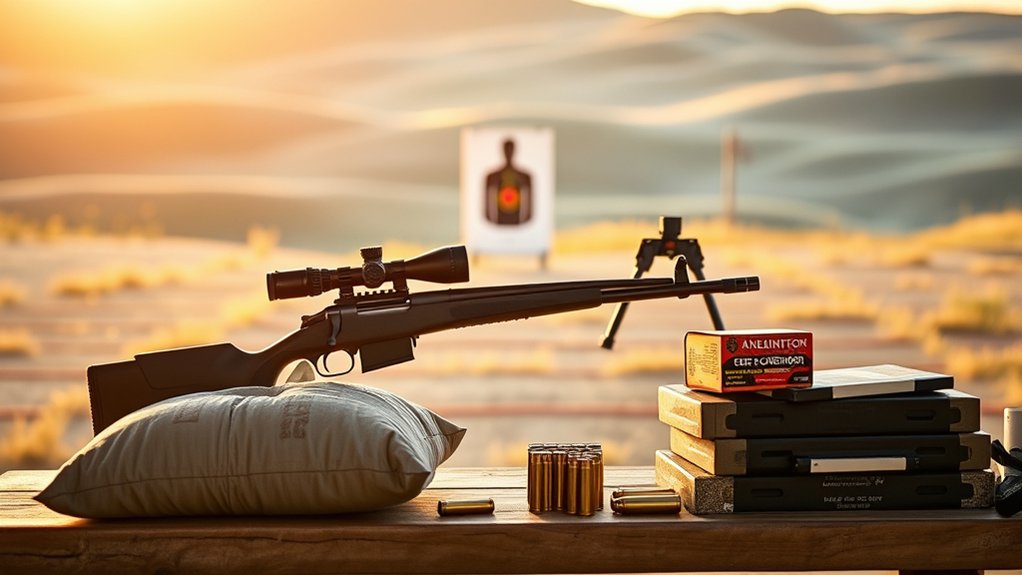
Choosing the right caliber can make all the difference as you develop your long-range shooting skills. For beginner and intermediate shooters, calibers like the .308 Winchester and 6.5 Creedmoor offer manageable recoil and excellent bullet options for effective long-range shooting.
The .243 Winchester provides a light recoil and flat trajectory, perfect for new shooters. Meanwhile, the 6mm ARC fits well on AR-15 platforms, balancing power and control for intermediate shooters. The 7mm Remington Magnum brings more power with less recoil than other magnums, ideal if you want to stretch your range further.
| Caliber | Recoil Level | Best Use |
|---|---|---|
| .308 Winchester | Manageable | Versatile, up to 800 yards |
| 6.5 Creedmoor | Low | Accuracy beyond 800 yards |
| .243 Winchester | Very Low | Beginners, small to medium game |
| 6mm ARC | Moderate | AR-15 platform, 1,000 yards |
| 7mm Remington Magnum | Moderate-High | Larger game, long-range shooting |
High-Performance Calibers for Extreme Long Range
If you want to push your shooting skills beyond typical distances, high-performance calibers designed for extreme long range are essential. The .375 Chey-Tac stands out in long-range shooting with its impressive ballistic coefficient and factory ammo options that excel past 2,000 yards.
The .300 Norma Magnum offers a balanced long-range cartridge, delivering great muzzle velocity and manageable recoil for shots up to a mile.
The .300 Norma Magnum balances high velocity and manageable recoil for reliable accuracy up to a mile.
For a cost-effective choice, the 7mm SAUM uses high ballistic coefficient bullets to reach 1,700–2,000 yards.
The .257 Blackjack combines high muzzle velocity with a remarkable .340 BC, effective up to 1,000 yards.
Don’t overlook the .50 BMG; it’s a powerful option for extreme distance with significant energy retention.
Your bullet selection here directly impacts precision and performance at these ranges.
Balancing Caliber Recoil, Barrel Life, and Ammo Availability
You need to manage recoil so you can stay on target and clearly spot your shots.
At the same time, it’s important to maximize barrel life to get the most out of your rifle without having to replace it often.
And don’t forget—choosing calibers with readily available ammo will help keep your practice consistent and budget-friendly.
Managing Recoil Effectively
While managing recoil might seem secondary to precision, it directly impacts your ability to maintain accuracy during long-range shooting sessions. Choosing calibers like 6.5 Creedmoor helps keep recoil manageable, making follow-up shots easier and reducing shooter fatigue.
In contrast, heavier calibers such as the 300 Winchester Magnum deliver more power but generate stronger recoil, which can challenge your control. The 308 Winchester strikes a solid balance with moderate recoil and excellent barrel life, supporting extended shooting with less wear.
Effective recoil management also involves ammunition selection. Common calibers like 308 and 6.5 Creedmoor offer plentiful options, and accessories like muzzle brakes considerably reduce felt recoil.
Maximizing Barrel Longevity
Because barrel life directly affects both accuracy and cost, choosing the right caliber means balancing recoil, barrel wear, and ammo availability.
Opting for calibers like 6.5 Creedmoor or .308 Winchester supports greater barrel longevity thanks to their moderate velocities compared to heavy magnum cartridges that accelerate barrel erosion.
Lower recoil calibers such as the 6.5 Creedmoor let you handle more practice sessions without fatigue. This helps preserve barrel life through consistent use.
Plus, their wide ammunition availability keeps shooting affordable and frequent without excessive wear.
High ballistic coefficient cartridges reduce the rounds needed to build skill, which indirectly extends barrel life.
Ensuring Ammo Accessibility
Although selecting the ideal caliber involves balancing recoil and barrel life, guaranteeing ammo accessibility is equally important for consistent long-range shooting. You want a caliber that’s easy to find and supports effective recoil management without sacrificing barrel life.
Consider these factors:
- Ammo Availability: The .308 Winchester and 6.5 Creedmoor are popular choices with wide ammunition accessibility, saving you time and expense.
- Recoil & Barrel Life: The 6.5 Creedmoor offers lower recoil for longer practice sessions, while the .308 Winchester boasts a barrel life exceeding 7,000 rounds, balancing durability and comfort.
- Performance Metrics: Both calibers deliver solid ballistic coefficients and muzzle velocity, optimizing precision and consistency in long-range shooting.
Choosing calibers like these guarantees you won’t be limited by scarce ammo or excessive recoil, supporting sustained accuracy and reliability.
Picking the Best Caliber for Your Shooting Goals
You’ll want to start by thinking about your shooting goals and the kind of terrain you’ll usually be practicing in.
It helps to consider things like distance, wind, and cover since these can all impact how well your shots land.
And, of course, you’ll want to balance your budget to pick a caliber that works for both your goals and your wallet.
Assess Shooting Objectives
How do you choose the best caliber for your long-range shooting goals? Start by evaluating your shooting objectives to match your precision rifle and cartridge to your needs. Consider these three factors:
- Purpose & Distance: Whether your focus is target shooting, competition, or hunting, select a bullet and hunting cartridge suited for the required range. For long-range shooting beyond 800 yards, calibers like 6.5 Creedmoor or .300 PRC stand out.
- Recoil Management: Choose calibers with manageable recoil to maintain control and accuracy, especially during extended practice sessions or competitions.
- Ammunition Availability & Cost: Opt for cartridges with ample ammunition selections available today, such as .308 Winchester or 6.5 Creedmoor, balancing cost and performance to guarantee sustainable shooting.
Evaluate Terrain Impact
Once you’ve pinpointed your shooting objectives, consider how the terrain where you’ll be shooting influences your caliber choice. Flat terrains favor calibers with high ballistic coefficients like the 7mm Remington Magnum for long-range shooting, while mountainous areas call for manageable recoil options such as the 6.5 Creedmoor.
Windy conditions demand bullets that resist drift, making the 7mm Remington Magnum a smart pick. Match your distance goals: .308 Winchester or 6.5 Creedmoor excel up to 1,000 yards, whereas the 300 Win Mag suits longer shots and big game hunting.
| Terrain Type | Recommended Caliber | Key Feature |
|---|---|---|
| Flat Terrain | 7mm Remington Magnum | High BC, energy retention |
| Mountainous | 6.5 Creedmoor | Manageable recoil |
| Windy Areas | 7mm Remington Magnum | Wind resistance |
| Long Distance | 300 Win Mag | Big game, extended range |
Balance Budget Constraints
Why should budget play a key role when choosing your caliber for long-range shooting? Balancing budget constraints guarantees you pick a caliber that fits your shooting goals without overspending. Consider these factors:
- Availability of ammunition: Common calibers like 6.5 Creedmoor and .308 Winchester offer affordable, easy-to-find ammo, unlike pricier options with limited supply.
- Recoil and shooting comfort: Higher muzzle velocity calibers may improve long-range precision but increase recoil, affecting your practice frequency.
- Reloading components: Choosing a caliber compatible with handloading can cut costs markedly over time.
While advanced calibers provide better accuracy at extreme ranges, the .308 Winchester remains a budget-friendly choice effective up to 800 yards.
Always match your caliber to your goals and wallet for sustainable long-range shooting success.
How Rifle Platforms Influence Long-Range Caliber Choice
Although selecting the right caliber is essential for long-range shooting, your choice heavily depends on the rifle platform you use.
Choosing the right caliber is crucial for long-range shooting and depends significantly on your rifle platform.
Bolt-action rifles are preferred for their rigidity and precision, making them ideal for hitting distant targets. Semi-automatics offer quicker follow-up shots but might sacrifice some accuracy.
Pay attention to barrel twist rate because it impacts bullet stabilization and long-range accuracy. For example, a 1:8 twist suits heavier 6.5mm bullets well.
Recoil management also plays a key role. Lighter calibers like 6.5 Creedmoor reduce recoil, aiding faster target reacquisition.
Consider rifle weight too. Heavier rifles improve stability and recoil control but can be less portable.
Finally, ammunition availability influences your caliber choice. Popular rounds like .308 Winchester and 6.5 Creedmoor have broader options, simplifying sourcing for long-range shooting.
Reloading and Accuracy Tips for Your Caliber
When you reload for long-range shooting, paying attention to consistent powder loads and precise case preparation will boost your accuracy considerably.
Start by selecting a high-BC bullet that suits your cartridge, like a Nosler 105-grain RDF, to enhance ballistic performance.
Next, focus on:
- Consistent powder loads Maintain uniformity to reduce velocity spread.
- Case preparation Resize and trim your brass for consistent chamber fit.
- Seating depth Adjust bullet seating to optimize alignment and group size.
Use chronograph measurements to track muzzle velocity. This data is essential for calculating drop and wind drift.
Frequently Asked Questions
How Does Weather Affect Long-Range Shooting Accuracy?
You’ll notice weather affects long-range shooting accuracy through wind effect, which can push your bullet off course.
Humidity impact and temperature variations change air density, altering bullet speed and drop.
Mirage influence can distort your sight picture, while altitude considerations affect air pressure and trajectory.
Precipitation challenges reduce visibility, and atmospheric pressure changes affect bullet velocity.
Daylight conditions impact your target acquisition, so adjusting your shooting techniques to these factors is key for precision.
What Optics Are Best Suited for Long-Range Calibers?
For long-range calibers, you want scope types with high magnification levels (10x-25x) and quality lens coatings for clarity.
Reticle options like mil-dot or BDC help with accurate holdovers.
Parallax adjustment is essential for precision at varying distances, and sufficient eye relief keeps you comfortable.
Consider durability factors like waterproofing and shock resistance.
Compare brands for reliability, and guarantee your mounting systems are solid to maintain zero under recoil.
How Important Is Bullet Seating Depth in Long-Range Shooting?
You need bullet consistency, seating depth, and chamber pressure all dialed in for top accuracy tuning. Adjusting cartridge length and minimizing bullet jump directly impacts rifle stability and precision shooting.
Mastering seating depth through careful reloading techniques lets you find that sweet spot where every shot performs uniformly.
Without consistent seating depth, your groups widen, and your long-range accuracy suffers.
Can Long-Range Calibers Be Used for Hunting Effectively?
Yes, long-range calibers can be used for hunting effectively when you focus on caliber comparison and cartridge selection tailored to your game species.
You’ll want to contemplate bullet performance and distance factors to guarantee clean kills, emphasizing shot placement and ethical considerations.
Different rifle types also influence effectiveness, so match your gear to the terrain and target.
With careful planning, your long-range caliber can deliver excellent hunting effectiveness.
What Maintenance Is Required for Rifles Used in Long-Range Shooting?
Wondering how to keep your long-range rifle in top shape? Regular barrel cleaning prevents fouling, while action lubrication guarantees smooth cycling.
Don’t forget trigger adjustments and scope alignment to maintain precision.
Check stock stability and bipod setup for consistent shooting position and recoil management.
Store your ammunition properly to avoid moisture damage.
These steps keep your rifle reliable and accurate, so you’re always ready for that perfect shot.
Conclusion
Choosing the best caliber for long-range shooting is like finding the perfect dance partner. Precision, power, and harmony must align.
Whether you’re just starting out or chasing extreme distances, understanding ballistic traits and balancing recoil will keep you on target.
Remember, your rifle and shooting goals shape this dance. With the right caliber and a steady hand, you’ll carve your path through the wind and time, hitting bullseyes that once seemed out of reach.