How To Concealed Carry – Safe And Legal Carry Guide
To safely and legally carry concealed, first get your permit by meeting state requirements and completing training. Know where you can and cannot carry, like avoiding schools or government buildings.
Choose a reliable handgun that fits your needs, and practice safe handling with proper grip, trigger discipline, and maintenance. Use quality holsters and follow storage rules.
Stay updated on laws and your responsibilities to carry confidently and responsibly. Keep exploring to fully master concealed carry essentials.
Key Takeaways
- Obtain your concealed carry permit by meeting state requirements and completing certified training on firearm safety and legal responsibilities.
- Know when and where you can legally carry, avoiding restricted areas like schools, government buildings, and private properties with no-carry signs.
- Choose a reliable handgun with manageable recoil, test it at the range, and practice safe handling and shooting techniques regularly.
- Use quality concealed carry gear, maintain your firearm through routine cleaning, and store it securely to prevent unauthorized access.
- Stay informed on current laws, renew permits as needed, and continuously train to ensure safe and lawful concealed carry.
Getting Your Concealed Carry Permit

To get your concealed carry permit, you’ll need to meet specific state requirements. These usually include being at least 21 years old and passing a thorough background check. You’ll also have to complete a certified training course covering firearm safety, handling, and legal responsibilities.
This course often addresses ammunition selection to guarantee you understand what’s appropriate and legal for concealed carry.
After training, submit your application to your state’s licensing authority. This includes fingerprinting and proof of course completion.
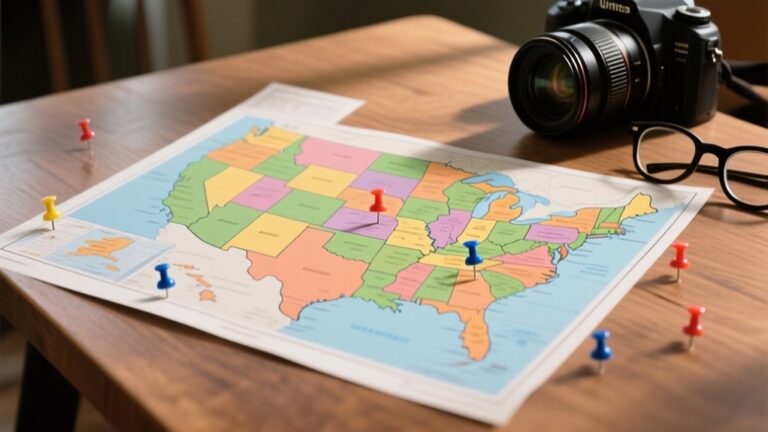
Keep in mind that concealed carry laws vary by state. Some, like California, now operate on a shall-issue basis, meaning they must grant permits if you meet all criteria.
Understanding these steps assures you comply fully with legal requirements before carrying concealed.
When and Where You Can Carry Concealed
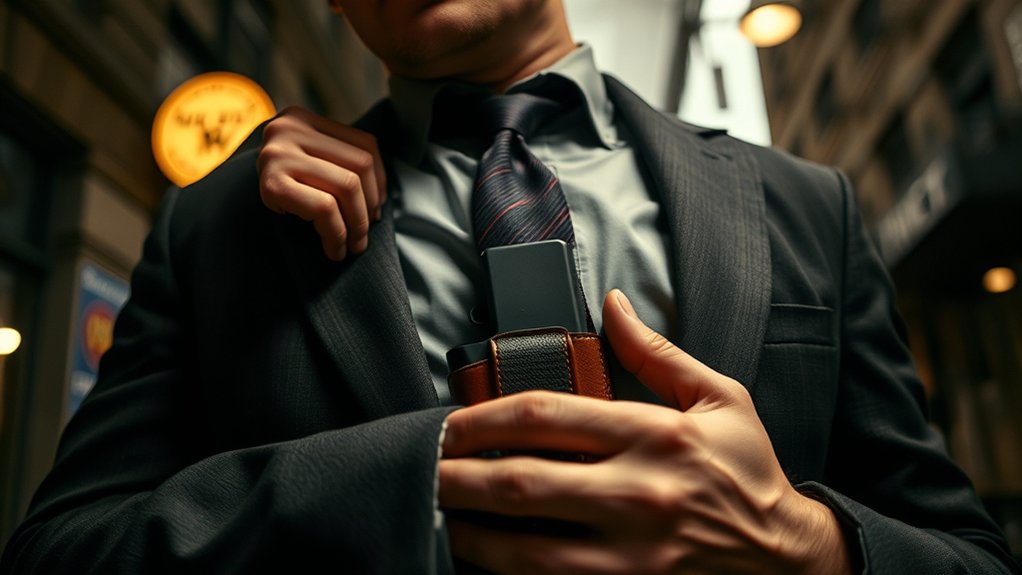
Although laws vary widely, you can generally carry concealed in public spaces that don’t have explicit restrictions or signage prohibiting firearms. Always check for posted signs that say no firearms are allowed.
Concealed carry is generally allowed where no signs or restrictions explicitly prohibit firearms.
Public restrictions often target places like schools, courthouses, and certain government buildings.
In Texas, for example, you must carry your firearm in a holster. No-carry zones there are strictly enforced.
Some states require a concealed carry permit to legally carry in specific areas, while others have expanded permitless carry laws.
Before carrying, make sure to verify local laws and posted signage carefully. This helps you avoid violating any public restrictions.
Staying informed ensures you carry safely, legally, and responsibly, respecting both the law and private property rules.
Choosing the Right Handgun for Concealed Carry
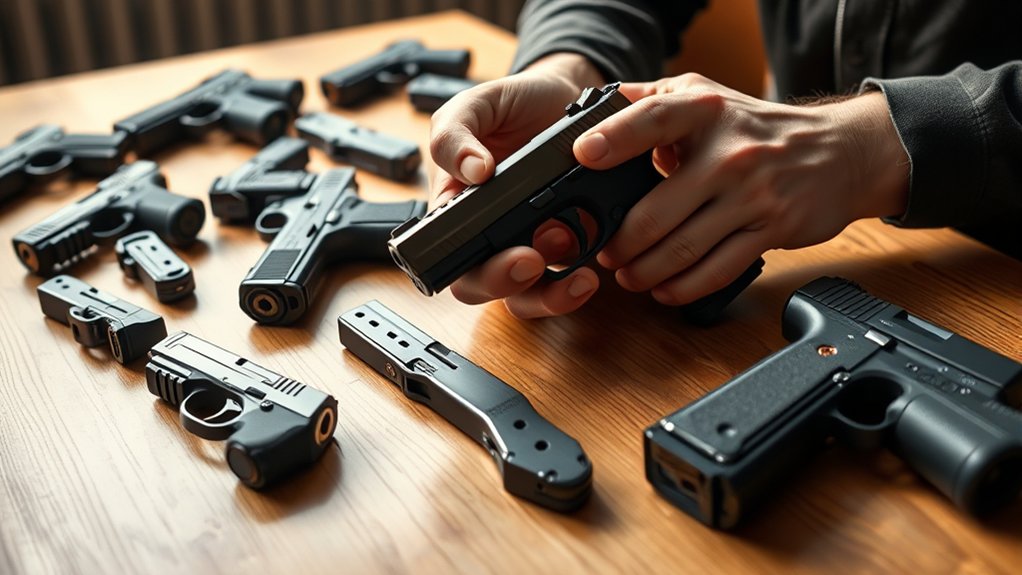
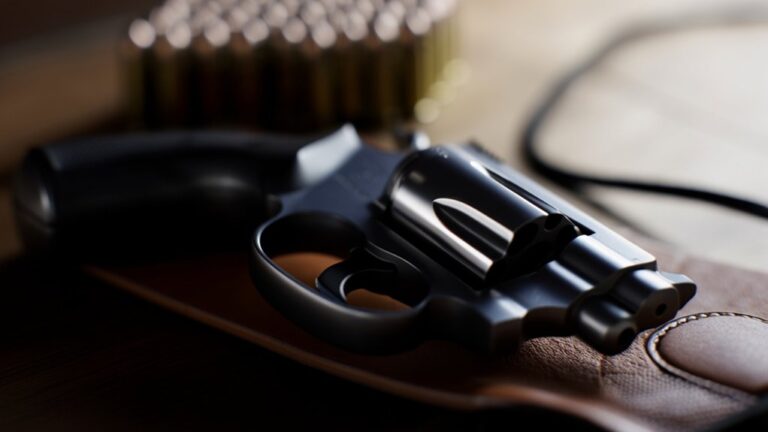
When you’re picking out a handgun for concealed carry, it’s smart to go with a caliber that strikes a good balance—something with manageable recoil but still packs enough stopping power. Think 9mm or .38 Special, for example.
It’s a good idea to hit the range and try out a few different models. That way, you can see which one feels most reliable and comfortable in your hand.
Also, stick with proven brands that have a solid reputation for durability. You want to be sure your firearm will perform when it really counts.
Caliber Selection Criteria
Since your choice of caliber directly impacts your shooting experience and effectiveness, selecting the right one for concealed carry is essential. Opt for calibers like 9mm or .38 Special, which balance manageable recoil with reliable stopping power.
Avoid snappy calibers such as .40 S&W unless you’re highly trained and comfortable with recoil management.
Pay close attention to caliber compatibility to guarantee your firearm matches the ammunition you use. This is critical for safety and legal compliance.
Also, consider ammunition storage; choose calibers that are widely available and cost-effective for regular practice.
Before deciding, test different calibers at the range to find the best fit for your control, accuracy, and comfort.
This careful selection ensures your concealed carry is both safe and effective.
Testing and Reliability
How do you know if a handgun is truly reliable and comfortable for concealed carry? Start by test-firing rental guns at the range to get a feel for reliability and comfort firsthand. It’s a great way to see what works best for you.
Choose proven brands like Glock—they’re known for durability and dependability. Also, opt for manageable calibers like 9mm or .38. These balance recoil with the availability of defensive loads, making them practical choices.
Make sure the firearm functions smoothly in various concealed carry positions. It should also fit well within your wardrobe so you can carry it discreetly.
You might want to consider customizing your firearm to tailor the grip, sights, and controls to your needs.
Regularly running training drills helps build familiarity and confirms consistent performance. And don’t forget to inspect and maintain your firearm routinely. Keeping it in good shape ensures it stays reliable and ready for self-defense.
This methodical approach makes sure you carry a handgun you can trust every day.
Safe Handling and Shooting Techniques for Concealed Carry
Although carrying concealed offers a level of personal security, you must handle your firearm with utmost care to guarantee safety and effectiveness. Always practice strict trigger discipline by keeping your finger off the trigger until you’re ready to shoot.
Maintain proper muzzle control to avoid accidental discharges. Make sure the firearm never points at anything you don’t intend to shoot.
Use a consistent grip and stance to improve control and accuracy, especially under stress. Regularly clean and inspect your firearm to prevent malfunctions.
It’s a good idea to get really familiar with your weapon’s controls through dry-fire drills and live practice.
When you shoot, use proper techniques like controlled breathing and precise sight alignment. This helps enhance accuracy and manage recoil during rapid fire.
These habits build confidence and keep you, and others, safe.
Essential Concealed Carry Gear and Holsters
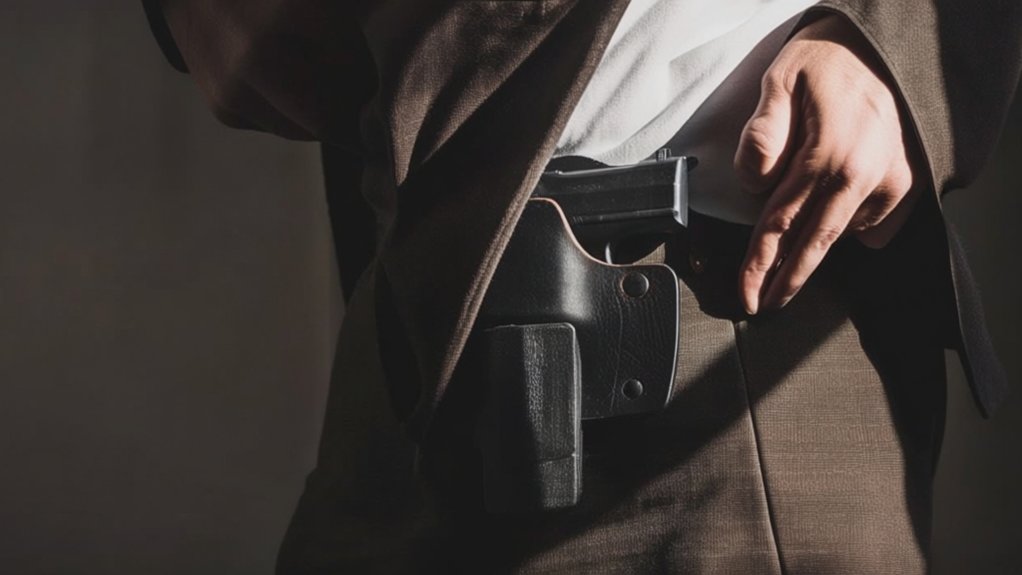
When selecting essential gear for concealed carry, prioritizing a high-quality holster designed specifically for your firearm model guarantees both security and quick access. Holster selection should focus on molded or Kydex styles like IWB, OWB, or appendix carry. These should be tailored to your comfort and concealment needs.
Avoid shapeless fabric holsters that compromise safety. Pair your holster with sturdy gun belt options featuring reliable buckles to support your firearm’s weight. This helps maintain consistent retention.
Include extra magazines and protective gear in your setup for readiness.
| Gear Component | Recommendation |
|---|---|
| Holster Style | IWB, OWB, Appendix |
| Material | Molded, Kydex (no fabric) |
| Gun Belt Options | Sturdy, reliable buckle, weight support |
Maintaining Your Concealed Carry Firearm
Selecting the right gear and holster sets the foundation for reliable concealed carry. But preserving your firearm guarantees it performs safely and effectively every time you need it.
Establish thorough cleaning routines, especially after range trips, to remove powder ash, debris, and residue.
Follow manufacturer instructions carefully during field-stripping to avoid damage. Adopt proper lubrication practices using quality lubricants to maintain smooth operation and prevent malfunctions.
Regularly inspect your firearm for wear or damage, replacing worn parts promptly to uphold reliability.
Check for rust and verify all components are correctly assembled and lubricated before carrying.
Always store your firearm securely in a safe or vault when not in use to guard against unauthorized access and environmental harm.
Consistent maintenance is key to safe, dependable concealed carry.
Understanding Legal Responsibilities of Concealed Carry
Because concealed carry laws differ widely across states, you must fully understand your local regulations before carrying a firearm. Legal compliance is essential to avoid liability concerns and criminal charges. You’re responsible for knowing where you can carry, such as avoiding schools, government buildings, and private properties with posted signs.
Proper storage and use, like carrying your firearm securely in a holster, help prevent unauthorized access and accidents. Staying updated on licensing requirements and restrictions guarantees you carry safely and lawfully.
| Legal Responsibility | Description |
|---|---|
| State Laws | Vary; some allow permitless carry |
| Prohibited Locations | Schools, government buildings, etc. |
| Licensing Requirements | Must maintain up-to-date permits |
| Proper Storage | Secure firearm when not in use |
| Liability Concerns | Criminal charges for violations |
Frequently Asked Questions
How Do I Handle a Confrontation Without Drawing My Firearm?
You handle a confrontation without drawing your firearm by maintaining situational awareness and recognizing threats early.
Using de-escalation techniques like calm communication and non-threatening body language helps to defuse tension before it escalates.
Staying relaxed and focused can often prevent the situation from getting worse. It’s all about managing the moment with control and clarity.
What Should I Do if My Permit Is Lost or Stolen?
If your permit goes missing, act fast: report it to authorities and request a replacement. It’s also a good idea to start your license renewal process early.
Take a moment to review how you store your permit. This can help prevent future loss.
Make sure to keep your permit secure at all times. You don’t want to go through this hassle again!
Can I Carry Concealed While Traveling Between States?
You can carry concealed while traveling between states only if your concealed carry permit is recognized through interstate reciprocity. Always check each state’s laws beforehand to guarantee your permit is valid and you remain compliant.
It’s a good idea to do a quick check for each state you plan to pass through. Laws can vary a lot from place to place, so staying informed helps you avoid any trouble. Better safe than sorry, right?
How Do I Discreetly Inform Family or Friends About My Concealed Carry?
You should discreetly inform family or friends by explaining your carrying methods and the concealment accessories you use.
This helps them understand your safety measures without drawing unnecessary attention or causing alarm.
Just keep it straightforward and casual so it doesn’t feel like a big deal.
That way, they’re aware but not worried.
What Are the Signs of Legal Trouble Related to Concealed Carry?
You’ll face legal trouble if you violate concealed carry restrictions, like carrying in prohibited areas or without a permit.
Watch for police warnings or arrests, as these signal potential legal consequences you must avoid to stay compliant.
It’s really about paying attention to where and how you carry. Stay informed and follow the rules to keep out of trouble.
Conclusion
Remember, carrying concealed is like carrying a lifeline. You wouldn’t trust it to just anyone or anything. Studies show that responsible concealed carriers are far less likely to misuse their firearms.
By following legal guidelines, choosing the right handgun, and practicing safe handling, you guarantee your protection and others’ safety. Stay diligent, stay prepared, and carry with confidence. You’ll be ready to act responsibly when it matters most.