Top 12 Best Mountain Hunting Boots for Tough Terrain
Long hikes through rocky trails and uneven terrain quickly reveal the weaknesses of poorly made boots. Blisters, slipping, and soggy feet are common problems when you don’t have the best mountain hunting boots.
These boots must endure sharp rocks, steep inclines, and unpredictable weather without wearing out or causing discomfort. A cheap pair often fails within a few trips, leaving you with sore feet and a ruined experience.
The key features to look for include a sturdy sole with deep lugs for traction, usually around 8-12 mm in depth, to grip wet and loose surfaces. Waterproof materials like treated leather or Gore-Tex help keep feet dry but still allow breathability to prevent overheating.
A snug but comfortable fit is critical to avoid blisters, with ankle support to stabilize movement. Most reliable boots weigh between 3 and 5 pounds per pair, balancing protection and mobility.
Need a Quick Check?
| Image | Product | Price |
|---|---|---|
Our Top Picks 1  | Kenetrek Mountain Extreme 400 | Check Price |
Our Top Picks 2 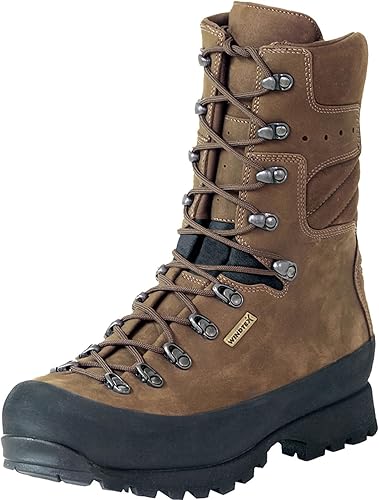 | Kenetrek Mountain Extreme Non-Insulated | Check Price |
Our Top Picks 3  | Danner Pronghorn 8 Hunting | Check Price |
Our Selected Top 12 Mountain Hunting Boots You Can Trust
This list includes mountain hunting boots designed for rugged terrain and long hours outdoors. Each review covers performance details, suitable conditions, and user fit, along with clear strengths and potential drawbacks to help you find the right option for your specific needs and preferences.
1. Kenetrek Mountain Extreme 400 Insulated Hiking Boots
Brown color and solid design catch the eye first with these heavy-duty hiking boots designed for fall and winter hikes. They suit hunters and hikers who need insulated protection and good traction in cold mountain conditions.
Their biggest strength lies in keeping feet warm and stable on rough terrain.
Putting on the boots is straightforward thanks to the round toe and block heel that provide comfort and balance while walking. The Mountain Extreme 400 construction supports long days outdoors, and the solid pattern adds durability. These boots fit well for hiking and hunting occasions where insulation and weather resistance matter most.
The boots handle rugged mountain trails with reliable insulation to fend off cold. The build quality focuses on sturdy materials and a classic hiking boot form that suits tough conditions.
Solid warmth performance earns praise, but some point out the heavy weight can tire legs on extended walks.
Warmth and durability stand out in various reviews, confirming the boots perform well in cold weather and rough terrain. Some note the weight as a drawback, making them less ideal for long distance walking but fine for shorter outings or hunting stops.
Those needing dependable insulation and solid support on mountain trails will find these boots suitable. People prioritizing lightweight footwear for long-distance treks might prefer a different model with less bulk.
Pros
- Warm insulation suitable for cold conditions
- Comfortable round toe for long hikes
- Sturdy block heel offers solid footing
- Good for both hiking and hunting
Cons
- Relatively heavy for longer treks
- Limited color options with only brown
| Specification | Details |
|---|---|
| Color | Brown |
| Toe Style | Round Toe |
| Boot Form Type | Hiking Boot |
| Heel Type | Block Heel |
| Seasons | Fall, Winter |
| Style Name | Mountain Extreme 400 |
2. Kenetrek Mountain Extreme Non-Insulated Hiking Boots
Kenetrek Mountain Extreme Non-Insulated Hiking Boots suit serious hunters who need durable footwear that handles tough mountain terrain well. Their biggest strength lies in durability and solid support across different weather conditions without adding insulation bulk, ideal for all-season use.
Breaking these boots in takes some effort due to their firm structure, but once worn, they hold up well in rough outdoor environments. The round toe shape offers enough room for comfort while moving over rocks and uneven ground. Brown color blends with natural surroundings, which fits hunting needs.
No heel on the sole helps keep steady footing on steep or slippery slopes.
Performance excels in providing stable traction and protecting feet from sharp terrain. The build focuses on rugged materials that endure hard hikes.
Some note the boots feel stiff initially, which might need time to soften. Others mention excellent long-term durability and consistent grip as key positives. Their solid construction contributes to a heavier feel than lighter trail shoes.
Durability and traction get the most praise for handling rugged mountain hikes well. The main complaint centers on the stiffness during early wear, which might feel restrictive at first and needs to be worked through before full comfort is achieved.
Preferable for hunters prioritizing protection and stability in all seasons. Those wanting lightweight boots for quick hikes on gentler trails may find these too heavy and stiff for casual use.
Pros
- Durable materials withstand rough mountain terrain
- Stable traction without a heel for uneven footing
- Round toe offers natural comfort for long treks
- Suitable for year-round hunting conditions
Cons
- Initial stiffness requires break-in period
- Heavier weight than some hiking boots
| Specification | Details |
|---|---|
| Color | Brown |
| Toe Style | Round Toe |
| Boot Form Type | Hiking Boot |
| Heel Type | No Heel |
| Seasons | All |
| Style Name | Mountain Extreme Ni |
3. Danner Pronghorn 8 Hunting Boots
Walking through wet, rocky mountain terrain needs boots that can keep feet dry, supported, and stable. Danner Pronghorn 8 Hunting Boots fit hunters who tackle challenging trails and need protection backed by durable construction.
Their biggest strength lies in balancing waterproofing with support for uneven ground.
Putting these boots on feels secure thanks to the full-grain leather that softens with use but remains tough. Gore-Tex lining ensures water stays out while breathability handles sweat over long days. The internal and external shank system steadies your foot over roots and rocks without adding weight, which helps during uphill climbs or long hikes.
Hard-wearing materials and a Vibram outsole offer solid grip even on slippery slopes. The SPE Cushion midsole supplies arch support and bounce, reducing foot fatigue.
Most praise centers on reliable traction and water resistance. Some report the break-in period can feel stiff at first, which might slow down initial comfort.
Reliable traction on rough and slippery ground is a key advantage of these boots. The waterproof leather and Gore-Tex setup also keeps feet dry during wet hikes. However, the firmness when new can make the first few outings uncomfortable, so patience is needed before they feel fully broken in.
Hunters spending long days on mixed terrain will appreciate the combination of support and durability here. Those who prefer boots with more cushioning from day one or need higher heels for specific climbs might consider alternatives. The boots suit all-season use as long as you accept the initial stiff feel.
Pros
- Waterproof Gore-Tex keeps feet dry in wet conditions
- Strong leather resists wear and tears
- Vibram outsole offers steady grip on rough terrain
- Lightweight arch support cushions every step
Cons
- Initial stiffness requires a break-in period
- Flat heel offers less heel lift on steep climbs
| Specification | Details |
|---|---|
| Material | Full-grain leather |
| Waterproofing | Gore-Tex breathable membrane |
| Support system | Internal/External shank with Terra Force Next |
| Midsole | SPE Cushion with rubberized EVA |
| Outsole | Fifth-generation Vibram Pronghorn |
| Height | 8 inches |
4. Danner Vital 8 Waterproof Hunting Boots

Waterproofing with a breathable barrier makes these boots a solid pick for mountain hunting, especially where weather varies. They suit hunters needing durability and quiet movement over rough terrain. The toughest upper and secure lacing system keep them reliable from the first step to the last.
Setting them up is straightforward thanks to the Lock & Load lacing system, which tightens quickly and stays quiet. The mesh-lined tongue helps regulate temperature during long treks. Daily use benefits from effective moisture control inside without soaking the feet, while the cushioned footbed prevents soreness on rocky paths.
Cleaning mud off the split leather and polyester upper requires usual care for such materials.
These boots deliver good grip on slippery rocks and moss as promised, due to the multidirectional lug outsole. The split leather is tough against abrasion and holds shape well, paired with a lightweight Plyolite midsole that absorbs shock effectively.
Strong points include quiet lacing and comfort, while some note the fit may feel narrow in the toe box after extended wear.
The most praised features include how quiet the lacing system operates and how comfortable the boots remain over long days. The common complaint is about toe space, which some find restrictive especially on longer hunting trips. The design balances durability and comfort well.
These boots fit hunters who value waterproofing without sacrificing breathability and need a boot that can handle steep, slippery terrain quietly. Those with wider feet might want to look for models with more toe room to avoid discomfort during all-day use.
Pros
- Highly durable split leather and polyester upper
- Quiet and quick Lock & Load lacing system
- Effective waterproof and breathable barrier
- Lightweight midsole with good shock absorption
Cons
- Narrow toe box can feel tight after long hikes
- Requires regular cleaning to maintain leather condition
| Specification | Details |
|---|---|
| Boot Form Type | Hiking Boot |
| Upper Material | Split Leather and 900 Denier Polyester |
| Waterproof System | Danner Dry Barrier |
| Lacing System | Lock & Load with Reengineered Ghillies |
| Midsole | Danner Plyolite |
| Color | Dark Brown |
5. Irish Setter Elk Tracker 12 Hunting Boots

Ideal for hunters tackling cold fall and winter terrain, these boots suit those who prioritize warmth and ruggedness. Their biggest strength lies in combining combat-style durability with classic looks, making them dependable in tough outdoor conditions without sacrificing comfort.
Putting them on involves a firm lace-up that ensures a snug fit around the ankle, thanks to their combat boot form. The round toe design provides ample room without feeling bulky. Brown color helps with blending into woodsy environments.
These boots feel substantial yet manageable, appropriate for long hikes over uneven ground. There’s no heel to interfere with stability on rocky slopes.
The build holds up well against rough terrain and cold weather, keeping feet warm and supported. The solid construction makes them durable over time, resisting wear typical of mountain hunting. Reviews often note good insulation and toughness on trails, but some mention the boots can feel heavy or stiff during initial breaks in.
Warmth and durability are consistently highlighted as strong points. The boots handle rough, cold mountain conditions well but need some wear time to soften the stiffness that some find limiting at first. The no-heel design improves stability but might take adjustment for some.
Those who plan frequent hunts in cold, rugged terrain will find these boots reliable and supportive. People seeking lightweight footwear or expecting immediate comfort without break-in might want to consider other options tailored more for flexibility and minimal weight.
Pros
- Durable combat-style construction
- Effective for cold fall and winter seasons
- Round toe allows good foot movement
- Classic brown color blends well outdoors
Cons
- Initial stiffness requires breaking in
- Feels somewhat heavy for long hikes
| Specification | Details |
|---|---|
| Color | Brown |
| Toe Style | Round Toe |
| Boot Form Type | Combat |
| Heel Type | No Heel |
| Seasons | Fall, Winter |
| Style Name | Classic |
6. Rocky MTN Stalker Pro Waterproof Insulated Hiking Boots

Rocky MTN Stalker Pro Waterproof Insulated Hiking Boots suit hunters tackling rugged mountain terrain requiring solid protection and warmth. They stand out with their narrow toe and block heel, offering precise fit and steady footing for all-season use.
Ideal for serious outdoor activity where waterproofing and insulation matter most.
Putting these boots on takes minimal effort thanks to their work boot design, offering a snug but supportive fit around the foot’s narrow front. Daily wear stays comfortable through insulated lining and dependable waterproof materials that keep feet dry on wet trails or snow.
The sturdy block heel helps maintain balance over uneven or rocky ground during long days of hiking or hunting.
These boots resist water very well, keeping feet warm and dry in most weather conditions. Build quality is tough, designed for rough outdoor use and lasting multiple seasons. Positive feedback highlights their effective insulation and slip-resistant sole.
Complaints mention the toe shape can feel tight for those with wider feet, which limits comfort on long treks.
Insulation and waterproofing are the biggest strengths, keeping feet warm and dry over extended outdoor use. The narrow toe fits well for many but can cause discomfort if feet are wider. Weight and shape make them better suited for focused hiking and hunting rather than casual day wear.
People wanting solid protection and warmth in a tough boot will like this model. Anyone with a wider foot or who needs lighter footwear for general walking might want to consider other options with a roomier fit or less weight. These boots are built for serious outdoor conditions rather than everyday casual use.
Pros
- Waterproof construction keeps feet dry
- Insulated for cold weather comfort
- Narrow toe offers precise fit
- Block heel improves stability
Cons
- Toe area feels tight for wider feet
- Boot style may feel heavy for casual use
| Specification | Details |
|---|---|
| Color | Brown Black |
| Toe Style | Narrow |
| Boot Form Type | Work Boot |
| Heel Type | Block Heel |
| Seasons | All |
| Style Name | Rks0529 |
7. Kenetrek Mountain Extreme 1000 Insulated Hiking Boots

Kenetrek Mountain Extreme 1000 Insulated Hiking Boots suit hunters and hikers facing cold, rugged mountain terrain. Their main strength comes from insulation combined with strong build quality, keeping feet warm without sacrificing durability on tough trails.
Setting up involves a straightforward lacing system that holds the foot firmly in place. The block heel provides solid footing on rocky or uneven ground.
Brown solid-pattern leather offers weather resistance and easy cleaning after muddy or snowy outings. They feel sturdy from the first day but allow enough flexibility for long hikes in fall and winter.
These boots deliver reliable traction and warmth during extended wear in cold conditions. The construction is tough with a round toe design that accommodates foot swelling during long treks.
Praise focuses on their insulation effectiveness, while a common complaint concerns the weight feeling heavier than lighter hiking boots.
Warmth and durability stand out as the biggest advantages, making the boots well-suited for cold, harsh environments. Many find the weight burdensome on longer treks, especially when carrying additional gear. Cleaning after use is easy thanks to the smooth leather surface.
Ideal for hunters needing reliable insulation and protection from rough, cold terrain. Those prioritizing lightness or needing boots for warmer conditions might prefer other models with less insulation and weight.
Pros
- Effective insulation for cold weather hunting
- Durable leather holds up on rough terrain
- Solid traction with block heel design
- Comfortable fit for extended wear
Cons
- Heavier weight can tire legs over long periods
- Limited breathability in milder conditions
| Specification | Details |
|---|---|
| Color | Brown |
| Toe Style | Round Toe |
| Boot Form Type | Hiking Boot |
| Heel Type | Block Heel |
| Seasons | Fall, Winter |
| Style Name | Mountain Extreme 1000 |
8. Kenetrek Mountain Guide 400 Hunting Boots

Starting off in the field, these boots feel solid and supportive underfoot, built for rough mountain terrain and heavy loads. They suit hunters carrying gear through steep and rocky areas, offering consistent insulation and a reliable grip in wet or cold conditions. Their main strength lies in balancing warmth, support, and durability on long treks.
Getting ready for a day out involves a straightforward break-in thanks to the flexible Windtex membrane, which keeps feet dry without overheating. Putting them on feels secure, helped by the arch support and heel stability that reduce foot fatigue when climbing or descending.
Waterproof leather uppers resist scuffs and moisture, while rubber toe caps protect from impacts on rocks and roots.
Performance holds steady on rough trails with deep tread that grips mud and loose soil well. The 7mm nylon midsoles prevent the soles from bending too much under heavy weight, preserving stability for hours. Leather is thick and stitched tightly, ensuring long-lasting wear.
A noted drawback is the weight, which can feel noticeable on extended hikes. Some also find the break-in time longer than expected.
Warmth and solid footing receive strong praise in reviews, especially for wet and slippery mountain paths. The main complaint centers on the weight, which some find tiring during long treks. The boots also require breaking in to soften the stiff leather and midsoles.
Hunters trekking in cold, wet, and challenging terrain will appreciate the insulation and support these boots provide. People prioritizing lightweight footwear or needing immediate comfort may want to explore lighter, more flexible options instead.
Pros
- Good heat retention in cool weather
- Strong support for heavy packs
- Durable leather resists wear
- Excellent traction on varied terrain
Cons
- Relatively heavy for long hikes
- Long break-in period needed
| Specification | Details |
|---|---|
| Insulation | 400-gram Thinsulate |
| Waterproof Membrane | Windtex |
| Upper Material | 2.8mm leather |
| Midsoles | 7mm nylon |
| Outsole | Custom deep-tread K-73 |
| Toe Style | Closed Toe with rubber cap |
9. Kenetrek Corrie II Hiker Hiking Boots

Kenetrek Corrie II Hiker Hiking Boots suit serious hikers and hunters who need durable, all-season footwear with solid support. Their biggest strength lies in reliable protection across rough terrain and consistent comfort thanks to a sturdy block heel and round toe design.
Putting these boots on takes a minute due to their classic lacing, which lets you adjust tightness precisely. Daily wear is comfortable as the boots adapt to your foot shape over time, while the solid block heel offers stability for uneven mountain trails. Brown color helps them blend into natural surroundings during hunting trips.
Built with hiking and hunting in mind, these boots handle rocky or muddy paths without wearing down quickly. The round toe gives enough room to move toes, but some find the boots stiff initially before breaking in. Reviewers appreciate the balance between support and ruggedness but mention the need for time to get comfortable.
Durability and stable support stand out as strong points, allowing the boots to perform well over rough mountain trails. Some find initial stiffness and lacing snugness a drawback, needing regular wear to soften up fully and fit perfectly.
Those who spend long hours hiking or hunting in varied weather benefit from these boots’ all-season design and solid construction. People seeking a lightweight or instantly flexible boot should look at other options.
Pros
- Durable build suited for rugged terrain
- Comfort improves after break-in period
- Block heel provides good stability
- Neutral brown color for outdoor use
Cons
- Can feel stiff at the start
- Lacing takes some time to get right
| Specification | Details |
|---|---|
| Color | Brown |
| Toe Style | Round Toe |
| Boot Form Type | Hiking Boot |
| Heel Type | Block Heel |
| Seasons | All |
| Occasion | Hiking, Hunting |
10. Guide Gear Monolithic Extreme Waterproof Insulated Hunting Boots

Mossy Oak Country Roots camouflage covers tough waterproof leather and insulation in these hunting boots. They suit outdoor enthusiasts who hunt in cold, wet conditions and need reliable warmth and protection.
The standout feature is their insulation combined with flat heel design, ideal for stable, quiet movement on rugged terrain during winter.
Putting them on is straightforward because of the boot style and plain toe design. Daily use involves trekking through muddy or snowy ground where insulation keeps feet warm. Waterproofing stops moisture from seeping in, even during period-long exposure to wet environments.
The camo pattern helps blend into natural surroundings, useful for hunting stealth without attention.
These boots do well at keeping feet dry and warm with their waterproof and insulated construction. Strong stitching and a flat sole support durability and balance.
The main praise focuses on the warmth retention in freezing weather. A common complaint points to weight, as some find them heavier for longer hikes compared to other options.
Warmth stands out as the best feature, especially appreciated in freezing temperatures, while the weight can slow down longer treks. The flat sole holds up well on rough terrain, but some feel the boots become bulky after hours of wear.
Hunters facing cold, wet environments looking for warmth and camouflage will find these boots suitable. Those prioritizing lightweight gear or requiring extra toe protection may want to consider alternatives better matched to those needs.
Pros
- Waterproof construction protects in wet conditions
- Good insulation keeps feet warm in cold weather
- Flat heel offers stability on uneven ground
- Camouflage pattern blends well with outdoors
Cons
- Heavier than some prefer for long hikes
- Plain toe offers less protection from sharp objects
| Specification | Details |
|---|---|
| Color | Mossy Oak Country Roots |
| Heel Type | Flat |
| Toe Style | Plain Toe |
| Seasons | Winter |
| Style Name | Boot |
| Pattern | Camouflage |
11. XPETI Thermator Mid-Rise Insulated Hiking Boots

Camouflage design and mid-rise construction define the XPETI Thermator Mid-Rise Insulated Hiking Boots. They suit outdoor enthusiasts focusing on hunting or hiking in colder conditions.
Their key strength lies in combining insulation with a flat heel for stable and quiet footing on rocky trails and uneven terrain.
Wearing these boots daily means dealing mostly with insulation and protection from weather. The mid-rise supports the ankles well without restricting movement. The round toe provides enough room for toes to remain comfortable during long hikes.
The flat heel aids balance on uneven ground, while the camouflage pattern helps maintain a low profile in natural environments. They lace up reasonably fast and feel solid right out of the box.
Performance focuses on warmth and durability. The boots keep feet insulated in colder conditions but do not have specialized waterproofing features mentioned.
Construction concentrates on hiking needs with a firm grip and ankle support. The strongest praise highlights consistent insulation and comfort. A common complaint points to lack of extra features like waterproof membranes for very wet environments.
Warmth and ankle support are frequently praised in reviews, making the boots reliable in cold weather. On the downside, the absence of waterproofing made some notice discomfort during extended use in wet environments. This affects suitability for wet or muddy terrain.
Those spending time in cold but dry mountain areas will appreciate these boots. People expecting waterproof protection or a lighter option for fast hiking may need to consider alternatives offering those features explicitly.
Pros
- Insulated design suitable for cold weather
- Flat heel improves stability on rocky terrain
- Mid-rise supports ankles without restricting movement
- Camouflage pattern fits well with hunting gear
Cons
- Lacks waterproof features for wet conditions
- Some find them heavier than typical hiking boots
| Specification | Details |
|---|---|
| Color | Camouflage |
| Toe Style | Round Toe |
| Boot Form Type | Hiking Boot |
| Heel Type | Flat |
| Style Name | Hiking Boots |
| Occasion | Hiking |
12. Rocky Retraction Waterproof 800G Insulated Outdoor Boots

Rocky Retraction Waterproof 800G Insulated Outdoor Boots are built for hunters who spend long hours in cold, wet terrain. The main advantage lies in their insulation and waterproofing, which keep feet warm and dry during tough mountain hunts. Realtree Xtra camo suits those needing blend-in footwear for all seasons.
Lacing the boots up takes a moment because they fit snugly, which helps with support on uneven trails. The round toe and western heel add comfort during extended wear and provide stability in rocky environments.
The waterproof materials handle wet conditions well but need drying after deep water exposure. Daily use involves managing some weight from the insulation but that pays off in warmth.
These boots perform solidly in cold weather and wet conditions, thanks to the 800G insulation rating and waterproof design. They hold up well on rough, damp terrain without losing shape.
High praise focuses on warmth and waterproof reliability, though a few notes mention they can feel bulky during summer use. Rugged construction is clear in the design and materials.
Warmth and waterproof protection receive strong praise in reviews, highlighting suitability for harsh weather. The boots can feel heavy and less breathable when used outside cold seasons, which limits comfort during warmer hunts.
Those hunting in cold, wet, or snowy mountain conditions will appreciate these boots. They suit outdoor wearers needing durability and insulation. People who prioritize lightweight, breathable footwear for summer hunting might prefer other options.
Pros
- Reliable waterproofing for wet environments
- 800G insulation keeps feet warm in cold conditions
- Sturdy western heel offers good support
- Realtree Xtra camo suitable for various seasons
Cons
- Can feel heavy and bulky in warm weather
- Needs drying after deep water submersion
| Specification | Details |
|---|---|
| Color | Realtree Xtra |
| Toe Style | Round Toe |
| Boot Form Type | Work Boot |
| Heel Type | Western Heel |
| Seasons | All |
| Style Name | Rks0227 |
Comparison of Best Mountain Hunting Boots
| Product | Season | Toe Style | Boot Form Type | Heel Type |
|---|---|---|---|---|
| Kenetrek Mountain Extreme 400 | Fall, Winter | Round Toe | Hiking Boot | Block Heel |
| Kenetrek Mountain Extreme Non-Insulated | All | Round Toe | Hiking Boot | No Heel |
| Danner Pronghorn 8 Hunting | All | Closed Toe | Hiking Boot | Flat |
| Danner Vital 8 Waterproof | All | – | Hiking Boot | Flat |
| Irish Setter Elk Tracker 12 | Fall, Winter | Round Toe | Combat | No Heel |
| Rocky MTN Stalker Pro Insulated | All | Narrow | Work Boot | Block Heel |
| Kenetrek Mountain Extreme 1000 | Fall, Winter | Round Toe | Hiking Boot | Block Heel |
| Kenetrek Mountain Guide 400 | All | Closed Toe | Hiking Boot | Block Heel |
| Kenetrek Corrie II Hiker | All | Round Toe | Hiking Boot | Block Heel |
| Guide Gear Monolithic Extreme | Winter | Plain Toe | – | Flat |
| XPETI Thermator Mid-Rise | – | Round Toe | Hiking Boot | Flat |
| Rocky Retraction Waterproof 800G | All | Round Toe | Work Boot | Western Heel |
- SeasonFall, Winter
- Toe StyleRound Toe
- Boot Form TypeHiking Boot
- Heel TypeBlock Heel
- SeasonAll
- Toe StyleRound Toe
- Boot Form TypeHiking Boot
- Heel TypeNo Heel
- SeasonAll
- Toe StyleClosed Toe
- Boot Form TypeHiking Boot
- Heel TypeFlat
- SeasonAll
- Toe Style–
- Boot Form TypeHiking Boot
- Heel TypeFlat
- SeasonFall, Winter
- Toe StyleRound Toe
- Boot Form TypeCombat
- Heel TypeNo Heel
- SeasonAll
- Toe StyleNarrow
- Boot Form TypeWork Boot
- Heel TypeBlock Heel
- SeasonFall, Winter
- Toe StyleRound Toe
- Boot Form TypeHiking Boot
- Heel TypeBlock Heel
- SeasonAll
- Toe StyleClosed Toe
- Boot Form TypeHiking Boot
- Heel TypeBlock Heel
- SeasonAll
- Toe StyleRound Toe
- Boot Form TypeHiking Boot
- Heel TypeBlock Heel
- SeasonWinter
- Toe StylePlain Toe
- Boot Form Type–
- Heel TypeFlat
- Season–
- Toe StyleRound Toe
- Boot Form TypeHiking Boot
- Heel TypeFlat
- SeasonAll
- Toe StyleRound Toe
- Boot Form TypeWork Boot
- Heel TypeWestern Heel
How to Choose the Right Mountain Hunting Boots
Good mountain hunting boots need solid grip, waterproofing, and enough ankle support to handle rough, wet terrain while keeping feet dry and stable. Choosing boots that fit well and match the typical weather conditions saves discomfort, injuries, and the cost of replacing unsuitable footwear later on.
Fit and Comfort
Stepping out on a mountain trail with boots that don’t fit right quickly turns a promising day into a painful slog. Sizing affects more than just comfort, it determines how well your feet stay stable over uneven terrain.
Boots should allow enough room to wiggle toes but not so much that your foot slides and causes blisters. A good standard is about a half size larger than regular shoes, paired with thicker hunting socks. Pay attention to width too; some brands offer wide or narrow options that make a big difference over hours spent walking.
Ankle support and cushioning are what keep fatigue at bay during long treks. Reinforced ankle collars stabilize your step and help prevent twisting, especially on steep inclines.
Look for boots with EVA or polyurethane midsoles providing firm yet responsive cushioning. Breathability is often overlooked but crucial. Boots with mesh panels or waterproof breathable membranes like Gore-Tex wick moisture better than traditional leather-only ones, so your feet stay drier and cooler when sweating or crossing streams.
These factors combined make all the difference on a demanding outing.
Durability and Materials
Leather boots that use full-grain or nubuck tend to hold up much better after weeks on harsh trails. Boots with cheap synthetic uppers can start peeling or tearing after just a few rugged hunts, letting in dirt and moisture. Quality materials also play a big role in how well the boots handle rain or melting snow.
Look for treated leather or synthetic blends with a clear water-resistant coating; these keep feet dry longer than untreated fabrics. Sealed or taped seams on the boots make a big difference, especially on wet mountain days when soaked boots can lead to blisters and cold feet.
The sole is another critical part. Hard rubber compounds with deep lugs are what last over rough rocks and roots without wearing down quickly. Thin or soft soles tend to break down fast on uneven ground, losing traction and making every step less secure.
Boots with a Vibram or similar durable outsole typically clock many miles before showing serious damage. A sole thickness of 8 to 12 millimeters usually balances stiffness for support and flexibility for walking comfort on long hikes.
Traction and Stability
Slipping on wet rocks or sinking into soft mud can turn a hunting trip into a frustrating struggle. Outsoles specifically designed for grip on uneven surfaces make a noticeable difference.
Look for soles with deep lugs spaced widely apart to prevent mud buildup and provide solid traction on slick stone. Rubber compounds matter too; some high-quality boots use Vibram soles known for durability and grip, which hold up well on rough terrain.
Balance depends a lot on midsole design. Boots that are too stiff feel clunky and tire your feet quickly, while those too flexible offer little support on steep inclines. A medium-stiff midsole made from materials like EVA or polyurethane often hits the sweet spot, offering support without limiting movement.
Weight distribution across the sole is subtle but crucial, boots designed to keep your center of gravity low help prevent ankle rolls and maintain steadiness moving uphill or downhill, especially on narrow or uneven pathways.
Insulation and Weather Resistance
Hiking through snowy trails or wet brush can turn a day outside into a misery without the right insulation and water protection. Boots offering around 200 grams of Thinsulate insulation maintain warmth without causing sweaty feet, which can lead to blisters or cold feet once you stop moving.
Overly insulated boots feel like wearing winter gloves in the sun, which makes long hikes uncomfortable. Water resistance matters; boots with waterproof membranes like Gore-Tex keep moisture out during rain or snow, but it’s crucial they remain breathable to avoid soggy interiors that sap warmth.
Ventilation options such as mesh side panels or removable liners help manage temperature swings common in mountain weather. Without decent airflow, heat builds up inside, making the boots clammy on warm days or during strenuous climbs. Some boots combine these features well by providing waterproof protection on the outside while letting air circulate via moisture-wicking lining inside.
Look for boots with a balanced setup that includes:
- 200g insulation for moderate cold conditions
- Waterproof membranes such as Gore-Tex or similar
- Breathable mesh or vents
- Removable liners for temperature control
Noise and Stealth
Walking quietly over dry leaves or a slick rock can easily be the difference between sighting game and spooking it. Boots with rubber soles featuring deeper lugs around 5mm to 7mm tend to absorb shock better and reduce noise. Softer yet durable rubber compounds create less sound than hard plastic or dense foam soles.
On wet surfaces, tread patterns with multi-directional grips and siping allow foot placement that grips without the slap or squelch typical of aggressive treads.
Boot construction also plays a big role in reducing creaks and rubs. A solid, unified upper cuts down internal friction between layers during walking, meaning fewer annoying noises.
Stitching quality matters since loose threads or poorly aligned panels often cause squeaks. Some models add padded collars and gusseted tongues to limit rubbing while moving. Practical design often includes a snug ankle fit without excessive stiffness, too tight leads to creaking, too loose generates rubbing sounds.
These details make a notable difference in any sensitive situation where every step counts.
Proper Maintenance and Care for Longevity of Mountain Hunting Boots
Cleaning your mountain hunting boots after each trip is crucial. Dirt and mud can break down the materials if left to dry inside the seams. Use a soft brush to remove debris, especially from the outsole and around the eyelets where laces pass through.
Drying them properly also extends their life. Avoid placing boots directly next to heat sources like stoves or radiators. Instead, aire them at room temperature and stuff newspaper inside to absorb moisture.
Replace the newspaper periodically until boots are fully dry.
Waterproofing treatments need reapplication, especially after heavy use. Use products compatible with your boots’ material, whether it’s leather or synthetic.
Testing a small patch first helps avoid discoloration.
- Loosen laces when storing to prevent deforming the eyelets.
- Store boots in a cool, dry place away from sunlight to avoid cracking or fading.
- Inspect regularly for damage, replacing worn insoles or repairing minor sole separation early.
Common Mistakes to Avoid When Using Mountain Hunting Boots
Choosing the right boots is only part of the equation; how you use them matters just as much. One common mistake is wearing new mountain hunting boots for a full day out. These boots need time to break in, so tight spots can cause blisters and discomfort early on.
Instead, start with short hikes to allow the leather or synthetic material to conform to your feet.
Another frequent issue is neglecting the lacing technique. Tighten the boots evenly from the toes upward to avoid pressure points and provide proper ankle support.
Loose laces can cause slipping inside the boot, leading to instability on uneven trails.
Not waterproofing your boots before heading into wet conditions can also reduce performance. Even boots labeled waterproof benefit from periodic treatment to maintain water resistance and keep your feet dry. After use, cleaning mud and debris off the soles prevents premature wear and maintains traction.
- Avoid wearing cotton socks; opt for moisture-wicking wool or synthetic options.
- Don’t skip inspecting soles for wear to ensure grip on slippery terrain.
- Store boots in a cool, dry place to prevent material breakdown.
Comparing Mountain Hunting Boots with Alternative Footwear for Rugged Terrain
Mountain hunting boots are specifically designed to handle steep slopes, uneven ground, and wet conditions, which makes them stand apart from other types of outdoor footwear. Their soles usually feature deep lugs made of durable rubber, offering better grip on loose rocks or muddy trails.
The boots are often constructed from waterproof materials like Gore-Tex or treated leather, preventing moisture from soaking in during river crossings or morning dew.
By contrast, regular hiking boots tend to prioritize lighter weight and breathability, often sacrificing some ankle support and waterproofing that mountain hunting demands. Trail running shoes, while comfortable and flexible, lack the rigidity and protection required for rocky or densely wooded areas.
- Mountain hunting boots: heavy-duty, waterproof, with high ankle support and aggressive tread patterns.
- Hiking boots: lighter, focus on comfort and durability but less waterproof and supportive.
- Trail running shoes: lightweight and breathable but insufficient for harsh terrain and wet areas.
People Also Asked
How Do I Properly Size Mountain Hunting Boots for Wide Feet?
Choose boots with a wide fit option or go up half a size to accommodate wider feet comfortably. It’s helpful to try them on with the socks you’ll wear hunting to ensure there’s enough room without slipping.
What Is the Best Way to Break in New Hunting Boots?
Wear the boots around the house or on short walks for several days before hitting the trail hard to soften the materials and shape them to your feet. Applying a leather conditioner during this period can reduce stiffness.
Are Mountain Hunting Boots Waterproof and Safe for Rough Terrain?
Most mountain hunting boots designed for that purpose are waterproof but check for a waterproof membrane like Gore-Tex. They also typically have soles with strong grip suitable for slippery and uneven mountain terrain.
How Long Do Quality Mountain Hunting Boots Typically Last with Regular Use?
Good quality mountain hunting boots last between three and five seasons with regular care, such as cleaning and waterproofing. Keeping the leather conditioned and storing them properly between hunts extends their life.
What Common Problems Should I Watch for in Mountain Hunting Boots?
Watch for sole separation, water leaks, and uneven wear, especially if the boots get muddy often. Also, inspect the eyelets and laces since these can break more easily during rugged use and cause inconvenience.
Conclusion
Fit, durability, and traction stand out as the key aspects for hunting boots in mountainous terrain. Boots need to hold up against rough ground and moisture while offering solid grip on varied surfaces. Comfort also matters since long days on foot can wear down poorly designed boots quickly.
Choose boots that suit the terrain you expect, your budget, and how often you’ll be outdoors. For infrequent trips, lighter or less expensive options might work.
Frequent hunters should consider investing in sturdier models. Review the comparison table and detailed picks above to match features with your specific needs.