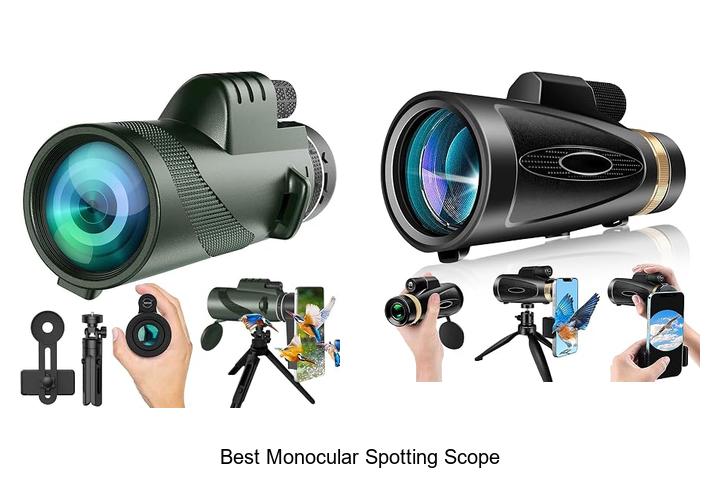
Top 12 Best Monocular for Android Phones Reviewed
Many people who try using a monocular with their Android phones know how frustrating it is when the image is blurry or the focus never quite locks right. Cheap or poorly chosen models often slip out of the hand or fail to line up properly with the phone’s camera, making it difficult to capture decent photos or videos. The best monocular for android phones solves these problems with a stable mount and precise alignment to get clear shots without constant adjustments.
What sets a good monocular for Android phones apart is mainly optical quality, build, and compatibility. Look for at least 8x magnification with multi-coated lenses to reduce glare and provide sharp images.
A solid metal or high-grade plastic body helps keep it durable, while a size that fits comfortably in one hand makes it easier to use for longer periods. Lastly, a universal phone clamp or adjustable adapter ensures the monocular works well with different phone sizes and camera positions.
Need a Quick Check?
| Image | Product | Price |
|---|---|---|
Our Top Picks 1  | 80×100 Monocular | Check Price |
Our Top Picks 2  | 40×60 Monocular | Check Price |
Our Top Picks 3  | 80×100 Telescope | Check Price |
Our Selected Top 12 Monocular for Android Phones You Can Trust
This list includes compact optical devices designed for use with Android phones, ideal for outdoor activities and photography. Each review covers performance aspects like clarity and zoom, plus the best user scenarios and any drawbacks you might encounter with daily use.
1. Monocular-Telescope 80×100
80×100 magnification and premium multi-layer optical coating make the Monocular-Telescope 80×100 suitable for outdoor enthusiasts who want clear, bright views in varied lighting. Its main strength lies in light transmission, allowing detailed observation even when natural light is low.
Setup is straightforward thanks to the manual focus and smooth focusing knob, letting you adjust quickly without hassle. The included smartphone adapter simplifies attaching your device for photography or closer inspection. Lightweight and compact design makes it easy to carry on hikes or trips.
The wide field of view helps find moving subjects faster without constant repositioning.
Viewing through the lens reveals sharp, well-lit images with reduced glare. The body feels solid and holds up well against water and fog, thanks to its sealed waterproof structure. Smooth focus operation is often praised while some users find that manual focusing requires a steady hand to avoid blur.
The phone adapter fits well but requires a bit of patience during setup.
Bright images with reduced glare make observing detailed subjects easier, especially in low light. The waterproof design holds up well outdoors. Most frequent downside concerns the manual focusing, which can take some practice for steady, sharp shots. Attaching the smartphone adapter adds some extra time to get it firmly secured.
Anyone wanting to watch or photograph nature with an Android phone will appreciate its lightweight body and optical clarity. Those who prefer automatic focus or quick phone setup might look for a model with electronic focusing or a simpler adapter attachment.
Pros
- Multi-layer coating for bright, clear views
- Waterproof and fogproof for outdoor use
- Lightweight for easy carrying
- Wide field of view simplifies target location
Cons
- Manual focus needs steady handling for clarity
- Phone adapter setup can be fiddly
| Specification | Details |
|---|---|
| Focus Type | Manual Focus |
| Finderscope | Straight-Through |
| Compatible Devices | Smartphone |
| Additional Features | Smartphone Adapter |
| Magnification | 80×100 |
2. 40×60 Monocular Telescope
Good for outdoor enthusiasts and families who want to bring their smartphone photography closer to nature, the 40×60 Monocular Telescope excels at pairing with Android phones for sharp, detailed images. Its major advantage is the strong zoom combined with smartphone compatibility, making gaming or sightseeing shots clearer without bulky equipment.
Setting up involves attaching the monocular to the included adjustable tripod and then fixing the smartphone holder in place. The manual focus lets you quickly adjust clarity based on distance. Compact size and weatherproof design mean it can handle hikes and rainy days without special care.
The remote control feature allows capturing images without touching the phone, which adds convenience.
Images come through bright and clear thanks to the BAK4 prism and fully multi-coated lens, maximizing light intake through the 60 mm objective lens. The sturdy build handles rough conditions well, due to waterproof and fog-proof construction filled with high-purity nitrogen.
Clear visuals are its main strength while some note the manual focus can take a few attempts to get perfectly sharp.
Many appreciate the bright, high-contrast images across long distances and the ease of attaching their phone for photography. However, the manual focus requires patience, especially when trying to capture moving subjects or in rapidly changing lighting, making it less suited for fast-paced use.
People who want a budget-friendly monocular that works well outdoors and integrates with their smartphone will find this product suitable. Those needing quick autofocus or more flexible mounting options might want to consider other models with powered focusing or swiveling mounts.
Pros
- Sharp images with BAK4 prism and multi-coated lenses
- Waterproof and fog proof for harsh weather use
- Comes with tripod and smartphone holder ready to use
- Remote control allows hands-free shooting
Cons
- Manual focus can be tricky to perfect quickly
- Fixed mount limits angle adjustments
| Specification | Details |
|---|---|
| Zoom Ratio | 40x-60x |
| Field Of View | 2400 yard |
| Focus Type | manual |
| Mount | Fixed Mount |
| Compatible Devices | Smartphone |
| Additional Features | Includes Smartphone Adapter, Tripod, and Hand Strap |
3. Monocular Telescope 80×100
Combining 80x magnification with a large 100mm objective lens sets this monocular apart for those who want detailed views of distant subjects. It suits outdoor enthusiasts who need clear, bright images for birdwatching, hiking, or travel.
Its main strength is delivering stable and sharp long-distance observation with smartphone compatibility.
Setup includes attaching the smartphone adapter and tripod, both included in the package, letting you take steady photos or videos. The manual focus wheel and adjustable eyecup keep viewing comfortable, even wearing glasses.
Its compact size makes it easy to carry in a pocket or small bag. A hand strap secures it during handheld use, which is handy on outdoor trips.
Optically, the BAK4 prism and high-quality lenses provide clear images with minimal chromatic aberration and ghosting. The build feels solid yet lightweight, matching smartphone size for portability.
The strongest praise highlights the sharp image quality and brightness for this magnification. Common complaints note the manual focus requires patience and some users find the setup takes time in the field.
Sharp image quality and bright viewing stand out as the monocular’s strongest points. Most feedback notes that despite clear optics, manual focusing demands care and patience, which slows down quick target acquisition. The compact body and included tripod offer convenience but add steps to initial setup.
Those who want detailed, steady long-distance views with their smartphone will find this model suits their needs well. People seeking ultra-fast focus and minimal setup hassle might prefer a simpler or less powerful monocular without phone attachment features. It fits best for outdoor activities where image clarity and brightness matter most.
Pros
- Large objective lens gathers more light for clearer images
- Includes tripod and phone adapter for steady use
- Compact size makes it easy to carry
- Adjustable eyecup fits glasses wearers comfortably
Cons
- Manual focus can be tricky to set quickly
- Setup with phone adapter takes some time
| Specification | Details |
|---|---|
| Magnification | 80x |
| Objective Lens Diameter | 100mm |
| Focus Type | Manual Focus |
| Prism Type | BAK4 |
| Included Accessories | Tripod, Smartphone Adapter, Hand Strap |
| Finderscope | Straight-Through |
4. 12×56 Monocular Telescope

12×56 Monocular Telescope delivers strong 12X magnification with a wide 6.5° field of view, making it ideal for outdoor activities like hiking and bird watching. Its biggest strength lies in offering bright, clear images at long distances while attaching easily to Android phones for capturing detailed photos.
Setting up involves clipping the monocular to the included smartphone holder and adjusting the focus manually. The high-quality tripod adjusts in length and angles, stabilizing the image for better shots. The large eyepiece and objective lens allow comfortable viewing without eye strain, and the protective carrying case keeps it safe during travel or storage.
Optical performance benefits from a BAK-4 prism and fully multi-coated lenses, which boost light transmission for vibrant, sharp views. The body feels solid and weather resistant, suitable for outdoor use.
Some have noted the manual focus requires steady hands, and the fixed mount lacks flexibility for quick repositioning.
Bright and clear images stand out due to the large BAK-4 prism and multi-coated lenses. The tripod and phone holder help capture stable photos, but the manual focus mechanism slows down quick use. Some find balancing the phone and monocular together challenging without a steady hand on the fixed mount.
Anyone wanting a sharp view and photo capability with an Android phone will appreciate this monocular. It suits outdoor enthusiasts who don’t mind manually focusing and can set up the tripod for steady use. Those needing fast repositioning or automatic focus might look for other options.
Pros
- Large 56mm lens for brighter images
- Includes adjustable tripod for steady shots
- Compatible with all smartphone models
- Carrying case protects during transport
Cons
- Manual focusing can be tricky outdoors
- Fixed mount limits quick angle adjustments
| Specification | Details |
|---|---|
| Magnification | 12X |
| Objective Lens Diameter | 56mm |
| Field of View | 391.7 yards |
| Focal Length | 21 millimeters |
| Mount | Fixed Mount |
| Coating | Fully Multi-Coated |
5. Monocular-Telescope 80×100

Finding distant details with your phone can feel frustrating without the right tool. Monocular-Telescope 80×100 suits anyone who wants to get closer views of nature or events using their Android phone.
Its big strength lies in the smartphone adapter paired with a clear, bright image thanks to powerful optics.
Setting it up is straightforward. The monocular connects to most smartphones via a phone adapter designed for easy attachment.
The tripod that comes with helps keep the phone steady, making it easier to frame shots without blur from hand movement. Rubber coating adds a secure grip, so the monocular feels comfortable to hold during longer sessions outdoors.
Optically, the 80x magnification and BAK-4 prism deliver sharp, clear images with less glare than typical models. The fully multi-coated lenses work well in changing light conditions.
Focus adjustment is smooth and quick, making distant targets crisp. Brightness and clarity stand out. Complaints mostly involve the monocular’s bulk when carried around all day, which can feel a bit heavy compared to smaller options.
Clear sharp images and bright views receive strong praise, especially under various light conditions. The main drawback noted is the monocular’s somewhat heavy and bulky feel during longer outdoor use, which might limit ease of carrying.
People who want detailed phone photography of faraway subjects will find it useful. Those looking for a lightweight monocular to carry easily on hikes or casual trips might want to consider smaller, less powerful units instead.
Pros
- High magnification with clear, bright lenses
- Tripod included for stable viewing
- Non-slip rubber grip for comfortable handling
- Easy phone attachment with versatile adapter
Cons
- Tends to be bulky for all-day carrying
- May require careful alignment for phone connection
| Specification | Details |
|---|---|
| Focus Type | Auto Focus |
| Finderscope | Straight-Through |
| Compatible Devices | Smartphone |
| Prism | BAK4 |
| Lenses | Fully Multi-Coated |
| Additional Features | Smartphone Adapter, Tripod Included |
6. 80×100 Monocular Telescope

Bright images and durable construction suit outdoor followers who want a compact, strong monocular. Its wide-angle lens and moisture protection stand out for anyone needing clear views in variable weather.
Setting up is quick with manual focus and a straight-through finderscope. The lightweight body slips easily into pockets or small bags, which helps on hikes or travel. Soft adjustable eyecups improve comfort for long use, whether you wear glasses or not.
Attaching an Android phone is straightforward with the included smartphone adapter, linking nature views to your device’s camera.
The lens delivers clear, bright images even in low light thanks to high-transmission glass. The sealed internal design cuts fogging and moisture issues in humid or rainy conditions. The monocular is praised for its balance of good optics and low weight.
Some found the manual focus a little slow to adjust precisely, especially for fast-moving subjects.
Bright, sharp images stand out, supported by a sealed body that reliably keeps moisture out. A common difficulty involves dialing in focus fast enough to track quickly moving animals or birds. The wide-angle lens does help reduce adjustment needs, but manual focus requires care.
Anyone needing a compact, affordable monocular for casual outdoor use will appreciate the lightweight build and versatile optics. Those prioritizing speed of focus or the easiest smartphone attachment might prefer other models. It works well for hiking, camping, and general nature watching with an Android phone camera.
Pros
- High-transmission lenses for clear images in low light
- Sealed design prevents fogging in humid conditions
- Fits easily into pockets and small backpacks
- Comfortable soft, adjustable eyecup for extended viewing
Cons
- Manual focus can be slow on moving subjects
- Some find the smartphone adapter tricky to align
| Specification | Details |
|---|---|
| Eye Piece Lens Description | Brandon |
| Focus Type | Manual Focus |
| Finderscope | Straight-Through |
| Compatible Devices | Smartphone |
| Features | High-transmission optical lenses; Sealed internal design; Wide-angle design; Soft, adjustable eyecup; Smartphone adapter |
7. APEXEL 5-10X Telephoto Zoom Lens

Aluminum-alloy construction keeps the APEXEL 5-10X Telephoto Zoom Lens lightweight and portable for outdoor use. Designed for photographers who want to capture distant details with their Android phones, it excels at zoom flexibility and manual focus control.
Its standout feature is the adjustable zoom from 5X to 10X, letting you frame distant scenes precisely.
Attaching the padded clip to the back of your phone takes a moment because it must line up with the camera lens and fit camera bumps or cases closely. Once clipped on, the zoom ring adjusts the image from 5 to 10 times magnification and a separate manual focus ring sharpens the subject. It’s best used in bright light for steady or slow-moving subjects, and a 2 to 2.5X digital zoom on your phone cleans up the edges of the image circle.
The included protective case makes it easy to carry.
Image quality depends heavily on steady hands since there’s no image stabilization. The lens performs well for its size and weight, capturing clear details from 2 to 30 meters.
The metal body feels solid, but some users note struggles aligning the clip perfectly on phones with complicated camera layouts. Sharpness is good when focused manually, though using the phone’s digital zoom crops the view further. Reflective coatings help reduce glare under bright conditions.
The lens receives praise for delivering clear, sharp images at its zoom range when manually focused in good lighting. Most issues come from fitting it securely and centered on phones with different camera layouts or bulky cases. Aligning the clip properly can be a bit time-consuming and affects image quality significantly if off-center.
This zoom lens suits photographers wanting closer views of distant subjects like architectural details or outdoor scenes in daylight. People using phones with minimal camera bumps or compatible cases will get the best experience. Those needing image stabilization or quick, grab-and-shoot operation might prefer other options without manual adjustments.
Pros
- Lightweight aluminum body for easy carrying
- Zoom range lets you adjust framing on the fly
- Manual focus ring improves image sharpness
- Included case protects the lens in transit
Cons
- No image stabilization requires very steady hands
- Clip alignment can be tricky on some Android phones
| Specification | Details |
|---|---|
| Weight | 6.03 oz (171 g) |
| Length | 4.96 in (126 mm) |
| Zoom Ratio | 5-10X |
| Focus Type | Manual Focus |
| Focal Length Range | 15-30 centimeters |
| Aperture | 1.05 f_stop (fixed) |
8. 40×60 Monocular Telescope

40×60 Monocular Telescope offers strong 40x zoom power paired with a wide 40mm objective lens, fit for enthusiasts who want clear views on hikes, birdwatching, or travel. Its main strength lies in bright and sharp imaging thanks to BAK4 prism and FMC lens coatings, which reduce glare and improve light transmission for clear sight even in lower light conditions.
Setting up is straightforward since the manual focus wheel adjusts clearly and the extendable tripod holds the monocular steady at two different angles. The included smartphone holder helps capture images or videos directly through the lens, making it useful for recording what you see. You can handle everything with one hand, making it practical while on the move outdoors.
Performance excels in clarity and zoom range, giving detailed views up to 128 meters at 1000 yards. The build feels solid and durable, supported by nitrogen filling inside to resist fog.
Brightness and sharpness stand out. One common gripe involves the manual focusing requiring patience in fast-changing scenes, slowing quick adjustments during active use.
Bright and sharp views are the most praised aspect, helped by quality lenses and coatings. Complaints most often refer to the manual focus wheel being slow to adjust when spotting moving subjects or rapidly changing scenery, which can be frustrating during active outdoor use.
People enjoying outdoor activities like hiking, wildlife spotting, or travel will find this monocular practical and clear for their needs. Those wanting instant autofocus or more flexible tripod mounting might consider other models better suited to fast or varied shooting conditions.
Pros
- Clear and bright images with minimal glare
- Includes stable, adjustable tripod and smartphone holder
- Compact and easy to operate with one hand
- BAK4 prism improves detail and color fidelity
Cons
- Manual focus can be slow during quick adjustments
- Tripod angles limited to two main positions only
| Specification | Details |
|---|---|
| Zoom Ratio | 40x |
| Objective Lens Diameter | 40mm |
| Field of View | 9.1 degrees |
| Focus Type | Manual Focus |
| Prism Type | BAK-4 Prism |
| Coating | Fully Multi-Coated (FMC) |
9. Thermal Master T2 Max Thermal Monocular

Ideal for serious wildlife observers and birdwatchers, the Thermal Master T2 Max reveals heat signatures even in complete darkness. Its standout feature is the advanced thermal sensor paired with X³ Super Resolution that sharpens images more than standard monoculars, making hidden animals easier to spot from far away.
Connecting the monocular to your Android phone is straightforward thanks to plug-and-play compatibility. Manual focus is simple to adjust with the 15mm lens, helping fine-tune clarity during daytime or nighttime use. The included rechargeable handle extends battery life up to 6 hours, and tripod support means you can set it up for steady long watching sessions.
The protective case and IP54 rating prepare it for tough outdoor conditions as well.
The 256×192 sensor enhanced to 512×384 resolution delivers crisp thermal images, with 15× digital zoom allowing detailed views at a distance. Its weather resistance and drop protection add durability. Strong points include smooth real-time tracking and good birdwatching mode that cuts sky interference.
A common complaint is the manual focus requiring occasional re-adjustment when switching distances, which can interrupt quick observations.
High praise goes to the image clarity and ability to identify animals in dense brush or darkness. The main downside is needing to manually refocus when changing distances, which some find interrupts smooth viewing. The device’s weatherproof design and comfortable weight suit extended trips well.
People tracking wildlife or birding seriously outdoors will find this a solid tool thanks to its detailed thermal imaging and practical features. Casual users wanting a fully automatic or higher sensor resolution might prefer other options with simpler controls or more native pixels.
Pros
- Clear heat detection up to 910 yards
- Effective birdwatching mode reduces sky interference
- Long battery life with rechargeable handle
- Lightweight and tripod compatible for stability
Cons
- Manual focus needs frequent adjustments
- Limited to 256×192 sensor resolution before enhancement
| Specification | Details |
|---|---|
| Focus Type | Manual Focus |
| Compatible Devices | Smartphone (Android and iOS) |
| Zoom Ratio | 15× digital zoom |
| Thermal Sensor | 256×192, enhanced to 512×384 |
| Battery Runtime | Up to 6 hours combined (phone + handle) |
| Weather Resistance | IP54 water resistance, 1-meter drop protection |
10. 12×56 Monocular Telescope

Hiking or watching wildlife at a distance can be frustrating without good optics. The 12×56 Monocular Telescope suits someone who wants a clear, bright view with a smartphone adapter for capturing what you see.
Its biggest strength is the combination of 12x magnification and a wide 6.5° field of view that brings distant scenes closer without losing clarity.
Setting up the monocular is straightforward, especially with the included tripod and smartphone holder. The tripod adjusts to different lengths and angles, making longer viewing sessions more comfortable and stable.
The large 25mm eyepieces and 56mm objective lens gather plenty of light, helping in low-light conditions outdoors. Carrying it around is made easier by the sturdy travel case that keeps it safe from shocks and scratches.
It delivers clear, sharp images thanks to the BAK-4 prism and fully multi-coated lenses that reduce glare and improve color accuracy. The build feels solid and well-made but focusing is manual, which some find requires patience to get perfectly sharp. The smartphone holder grips phones firmly, but its alignment adjustments need care to avoid blurry photos.
The tripod supports steady shots, though it is a bit bulky for quick hikes.
The monocular offers bright, sharp views with accurate colors thanks to the large BAK-4 prism and multi-coated lenses. Most praise centers on image quality and the ease of attaching smartphones for photos. The most common complaint involves the manual focus system requiring careful adjustment to get perfectly clear images and the tripod’s size making quick movements less convenient.
Anyone wanting handheld or tripod-stable viewing combined with smartphone photography will find this model useful. It fits well for bird watchers or travelers needing clear, bright images at a distance. Those needing quick setup without focus adjustments or wanting the lightest possible gear may want to consider simpler monoculars or those with autofocus features.
Pros
- Large objective lens provides bright images
- Wide field of view for better situational awareness
- Adjustable tripod supports steady viewing and photos
- Included smartphone adapter fits various models
Cons
- Manual focus can be slow to adjust sharply
- Tripod is bulky for carrying on long hikes
| Specification | Details |
|---|---|
| Magnification | 12x |
| Objective Lens Diameter | 56mm |
| Field of View | 6.5° (1000 yards) |
| Prism Type | BAK-4 |
| Focus Type | manual |
| Accessories Included | Smartphone adapter, tripod, travel bag |
11. 12×56 Monoculars

12×56 magnification delivers clear, detailed views for bird watchers and outdoor enthusiasts. It’s best suited for those who want a powerful monocular that pairs well with an Android phone for photos and videos. Its standout feature is including a phone adapter and tripod, making it easier to capture moments you see.
Setting up involves attaching your phone carefully to the adapter and placing the monocular on the tripod for stability. The large 21mm eyepiece helps with comfortable viewing over longer periods.
Manual focusing is smooth using the center wheel, allowing fine adjustments until the image sharpens. The device feels light enough to carry on hikes or outdoor trips, and the waterproof design means it can handle rain or splashes without worry.
Optical performance is bright and clear thanks to the BAK4 prism and fully multi-coated lenses. Image quality holds up well in both daylight and low-light conditions, although it is not suitable for full darkness or night vision.
The build is solid with a nitrogen-filled body resisting moisture. Common praise highlights sharp, stable viewing, while the main complaint concerns phone alignment being a bit tricky without applying excess pressure.
Sharp image quality and bright viewing are consistent highlights, made possible by the BAK4 prism and fully multi-coated lenses. The challenge lies in carefully aligning the phone camera with the adapter, which requires patience to avoid pressing too hard and risking misalignment. The included tripod helps with stability during use.
Anyone who needs a powerful, portable monocular to pair with their smartphone will appreciate the combination of features and build quality here. Those needing true night vision or easier phone mounting might prefer a specialized device in those areas.
Pros
- High 12x magnification for detailed distant viewing
- Comes with a tripod and phone adapter included
- Waterproof IPX7 rating suitable for outdoor use
- Large 21mm eyepiece offers comfortable viewing
Cons
- Aligning phone camera can be tricky without pressure
- Not designed for complete darkness or night vision
| Specification | Details |
|---|---|
| Magnification | 12x |
| Objective Lens Diameter | 56mm |
| Eyepiece Lens Size | 21mm |
| Optical Coating | Fully Multi-Coated (FMC) |
| Prism Type | BAK4 Prism |
| Waterproof Rating | IPX7 |
12. Monocular Telescope 80×100

People who enjoy outdoor activities and want to capture distant scenes with their Android phones will find this monocular useful. It offers strong 80X magnification and a large 100mm objective lens, making it ideal for hiking, bird watching, or concerts.
Its biggest strength lies in delivering bright and clear images thanks to quality lenses and prisms.
Setting up involves attaching the monocular to the included tripod and then mounting your smartphone with the quick-alignment phone holder. The rubber armoring makes it comfortable to hold, and one-handed manual focus lets you adjust views easily during use.
The adjustable eyecup fits well whether or not you wear glasses. A carry pouch and cleaning cloth make it practical to transport and maintain.
Performance-wise, the monocular gives bright, high-contrast views with true colors through its FMC multi-coated lens and BAK4 prism. Its manual focus works smoothly once you get the hang of it.
The solid rubber covering helps with grip and durability during outdoor use. A common complaint involves handshaking when not using the tripod, which can blur details at full zoom.
The monocular delivers sharp and vivid images that impress at 80X zoom, drawing praise for brightness and clarity. A frequent drawback is the difficulty maintaining stability by hand, which affects image sharpness without the tripod.
Anyone needing powerful zoom combined with smartphone integration and portability will find it valuable. People looking for simple one-hand use without support or instant sharpness might prefer lighter or lower zoom monoculars.
Pros
- Bright, clear images with strong magnification
- Comes with tripod and phone holder for stability
- Ergonomic shape with non-slip rubber grip
- Adjustable eyecup fits glasses and non-glasses wearers
Cons
- Hard to keep steady without tripod at high zoom
- Manual focus requires patience for sharp images
| Specification | Details |
|---|---|
| Magnification | 80X |
| Objective Lens Diameter | 100mm |
| Focus Type | manual |
| Prism Type | BAK4 |
| Lens Coating | FMC multi-coated |
| Compatible Devices | smartphone |
Best Monoculars for Android Phones Comparison Table
| Product | Zoom Ratio | Focus Type | Compatible Devices | Additional Features |
|---|---|---|---|---|
| 80×100 Monocular | 80×100 | Manual Focus | Smartphone | Smartphone Adapter |
| 40×60 Monocular | 40x-60x | Manual | Smartphone | Adapter, Tripod, Hand Strap |
| 80×100 Telescope | – | Manual Focus | Smartphone | Smartphone Adapter Included |
| 12×56 Monocular | 12x | Manual | Smartphone | Travel Bag, Tripod, Adapter |
| Premium 80×100 Monocular | – | Auto Focus | Smartphone | BAK4 Prism, Tripod Included |
| 80×100 Zoom Monocular | – | Manual Focus | Smartphone | Wide-angle, Smartphone Adapter |
| APEXEL Telephoto Lens | 5-10X | Manual Focus | – | HD Coating |
| Compact 40×60 Monocular | 40x | Manual Focus | Smartphone | Tripod, Holder, Nitrogen-filled |
| Thermal Master T2 Max | 15 | Manual Focus | Smartphone | X³ Super Resolution |
| 12×56 Zoom Monocular | 12x | Manual | Smartphone, Camera | Travel Bag, Tripod, Adapter |
| 12×56 Outdoor Monocular | 12 | Manual Focus | Smartphone | Tripod Holder |
| High-Power 80×100 Monocular | 80 | Manual Focus | Smartphone | – |
- Zoom Ratio80×100
- Focus TypeManual Focus
- Compatible DevicesSmartphone
- Additional FeaturesSmartphone Adapter
- Zoom Ratio40x-60x
- Focus TypeManual
- Compatible DevicesSmartphone
- Additional FeaturesAdapter, Tripod, Hand Strap
- Zoom Ratio–
- Focus TypeManual Focus
- Compatible DevicesSmartphone
- Additional FeaturesSmartphone Adapter Included
- Zoom Ratio12x
- Focus TypeManual
- Compatible DevicesSmartphone
- Additional FeaturesTravel Bag, Tripod, Adapter
- Zoom Ratio–
- Focus TypeAuto Focus
- Compatible DevicesSmartphone
- Additional FeaturesBAK4 Prism, Tripod Included
- Zoom Ratio–
- Focus TypeManual Focus
- Compatible DevicesSmartphone
- Additional FeaturesWide-angle, Smartphone Adapter
- Zoom Ratio5-10X
- Focus TypeManual Focus
- Compatible Devices–
- Additional FeaturesHD Coating
- Zoom Ratio40x
- Focus TypeManual Focus
- Compatible DevicesSmartphone
- Additional FeaturesTripod, Holder, Nitrogen-filled
- Zoom Ratio15
- Focus TypeManual Focus
- Compatible DevicesSmartphone
- Additional FeaturesX³ Super Resolution
- Zoom Ratio12x
- Focus TypeManual
- Compatible DevicesSmartphone, Camera
- Additional FeaturesTravel Bag, Tripod, Adapter
- Zoom Ratio12
- Focus TypeManual Focus
- Compatible DevicesSmartphone
- Additional FeaturesTripod Holder
- Zoom Ratio80
- Focus TypeManual Focus
- Compatible DevicesSmartphone
- Additional Features–
How to Choose the Best Monocular for Android Phones
Focus on optical quality, compatibility with your phone, and ease of mounting. Choosing the right magnification and lens size prevents blurry images and awkward handling, saving frustration. Durable materials and compact design matter for regular outdoor use and convenient storage.
Optical Magnification and Clarity
Trying to capture a distant bird or a far-off landmark with your phone can be frustrating if the magnification isn’t right. Too high magnification often results in shaky, blurry images without a tripod. Around 6x to 10x magnification hits a good balance for handheld use with phones, allowing you to get closer views without drastically sacrificing stability.
Lower magnifications may be fine for casual scenes but won’t bring distant details into clear view.
Lens quality and coatings make a big difference beyond just numbers on the box. Look for lenses made of multi-coated glass rather than plastic. These coatings reduce glare and reflections, delivering sharper, brighter images.
A cheap lens can make vibrant scenes dull and unclear, especially in low light. Also consider the field of view: a wider angle (around 6 to 8 degrees) helps capture more of the background or group shots through your phone, avoiding that tunnel vision feel common in narrow field products.
Compatibility and Mounting Options
Trying to attach an optical device to a phone that doesn’t fit well is frustrating. A poor fit leads to constant readjustments and blurry images because the lens wanders off the camera sensor. Look for products with adjustable clamps that widen or tighten smoothly and grip firmly, usually accommodating phone widths between 2.4 to 3.5 inches.
Materials like aluminum or reinforced plastic provide durability without adding weight. Rubber padding inside the mount helps avoid scratches and keeps the setup steady.
Aligning the lens with your phone’s camera sensor is crucial for sharp photos and videos. Adjustable mounts that slide or rotate enable precise positioning, so the lens lines up perfectly every time. This is especially important for phones with multiple cameras or oddly placed sensors.
A well-designed system prevents camera obstruction and reduces shaking during handheld use, making it easier to capture clear, stable images without extra gear.
Size and Portability
Carrying a bulky telescope-like device on hikes or city strolls quickly becomes tiresome. Compact size and a lightweight build make a noticeable difference. Monoculars weighing under 200 grams and measuring around 10 to 15 cm in length fit comfortably in a jacket pocket or small bag.
Those that fold down or retract help avoid awkward bumps and save space, especially when carrying multiple items.
A good balance between small size and usability means not compromising on a stable grip or the sharpness of what you see through the lens. Materials like aluminum alloy keep the weight low without sacrificing durability.
Look for models with rubber armor, which improve grip and reduce slipping when holding the device steady against your phone for clear shots. Avoid units that feel flimsy or too small to hold still, shaky images or the need for constant readjustment quickly drain the enjoyment of using these optical tools.
Build Quality and Durability
Carrying your monocular outdoors often means dealing with unexpected weather or accidental drops. Those made with water-resistant and shockproof materials typically fare much better. Models with a rubberized body and IPX4 or higher water resistance rating can shrug off light rain or spills without fogging the lenses.
Shockproof designs usually incorporate reinforced frames or impact-absorbing layers, which prevent internal damage even after a fall from about 1 to 2 meters. Without these features, lenses can misalign or get damaged, leading to blurry images and frustrating re-adjustments.
The long-term clarity of the glass is another factor that makes a big difference in daily use. Scratch-resistant coatings like those rated at 7H hardness protect the optics from abrasive dirt or accidental contact with rough surfaces.
Cheaper models often show visible scratches after a few months, reducing image quality drastically. Sturdy mounts and smooth adjustment mechanisms are crucial too; flimsy knobs or loose mounts cause constant drift in alignment, requiring frequent recalibration. Look for solid metal joints or tightened screws that hold settings steady through movement and use.
User Convenience and Adjustability
Focus adjustment can make or break the experience, especially when trying to capture clear images quickly. Some models have stiff or overly sensitive focus knobs that slow down the process, resulting in blurry shots or missed moments. A smooth, precise focus dial that requires just the right amount of resistance offers better control and faster image tuning.
Look for units with a well-engineered rotating mechanism, ideally with fine increments for detailed adjustments, which helps keep the image sharp even at higher zoom levels.
Extended use calls for a comfortable grip and an ergonomic shape. Designs including rubberized textures or contoured bodies help prevent hand fatigue during longer observation sessions.
A heavier or poorly balanced unit can feel awkward after a few minutes, which affects steadiness. Size also matters; models around 5 to 7 inches long and weighing about 200 to 300 grams usually strike a good balance between portability and stability. Quick setup without extra assembly steps improves practical use, allowing almost instant attachment to the phone and minimal time fiddling around.
Maximizing Image Quality When Using a Monocular with Android Phones
Aligning the monocular lens precisely with your Android phone’s camera is essential for clear images. Misalignment can cause vignetting or blurry edges. A smartphone adapter designed for your device helps by holding the monocular steady and ensuring perfect positioning.
Use the phone’s manual focus or tap-to-focus feature after attaching the monocular. This compensates for any slight differences in focal length between the two lenses.
Avoid relying solely on the monocular’s focus ring, as it doesn’t always synchronize well with the phone’s camera autofocus.
Lighting conditions affect image quality a lot, especially with high magnification. Photographs often look grainy or noisy in low light. Bringing a small tripod or stabilizer to reduce shake significantly improves sharpness, particularly at longer zoom levels.
Tips for better photos include:
- Cleaning both monocular and phone lenses to remove dust or smudges.
- Using the phone’s camera grid to keep horizons level and avoid skewed images.
- Capturing multiple shots and comparing them to select the sharpest one.
Proper Cleaning and Maintenance of Your Monocular to Ensure Longevity
Dust and smudges on the lenses can quickly degrade the image quality of a monocular, especially when paired with an Android phone’s camera. Use a microfiber cloth designed for optics rather than regular fabric, which can scratch the glass.
For more stubborn dirt, dampen the cloth slightly with lens cleaning solution or distilled water before wiping.
Regular checks and cleaning routines help maintain sharpness and clarity:
- Remove dust using a soft brush or air blower before wiping lenses.
- Store the monocular in its protective case when not in use to avoid exposure to moisture and dust.
- Keep the focusing mechanism clean by occasionally applying a tiny amount of silicone-based lubricant if it feels stiff.
- Inspect rubber seals if the device is waterproof; damaged seals reduce durability.
Routine maintenance not only preserves optical performance but also extends the device’s usable life when frequently attached to your phone for outdoor photography or birdwatching.
Comparing Monoculars and Binoculars: Which Is Better for Android Phone Photography
Monoculars are typically lighter and more compact than binoculars, making them easier to hold steady when aligning with an Android phone’s camera lens. This is crucial for capturing sharp images without extra equipment. Most monoculars offer a single eyepiece, simplifying the attachment process and reducing bulk during use.
Binoculars provide binocular vision, which feels more natural for eye viewing but can be trickier to pair with phone cameras due to their dual lenses. They are better suited for extended observation rather than photography. Attaching a phone to binoculars usually requires an adapter designed to handle both eyepieces or intricate positioning, which can be cumbersome.
- Monoculars weigh less, making them more portable.
- Simple design leads to easier phone mounting.
- Binoculars offer depth perception but complicate camera alignment.
- Monoculars tend to be less expensive for similar magnification levels.
Choosing between the two depends on how much time you want to spend setting up and the importance of portability versus comfort during viewing. For most Android phone photography tasks, monoculars offer a practical balance of size, usability, and image capture convenience.
People Also Asked
How Do I Attach a Monocular to My Android Phone?
Most monoculars attach to Android phones using a clip or adjustable phone holder that aligns the monocular lens with the phone camera. It’s important to adjust carefully to avoid blocking the flash or other lenses on dual-camera phones. Some models include a mounting bracket designed specifically for smartphones.
What Is the Ideal Monocular Size for Smartphone Use?
An ideal monocular size for smartphone use is compact and lightweight, usually around 5 to 7 inches long, to keep the setup stable and easy to handle. Larger monoculars can cause shakiness, making photos blurry without a tripod. Small sizes also fit better when moving around outdoors.
How Long Do Monocular Lenses Typically Last with Regular Use?
Monocular lenses can last several years with regular use if kept clean and protected in a case. Avoid touching the lens glass directly and clean with a microfiber cloth to prevent scratches. Exposure to dust and moisture over time is the main factor that reduces lens clarity.
Are There Any Safety Tips for Using a Monocular with Phones?
Avoid pointing the monocular directly at the sun or very bright light to protect both the phone’s camera sensor and your eyes. Also, secure the phone and monocular properly to prevent dropping. Using a wrist strap or tripod mount can help keep things stable and safe during longer sessions.
What Common Issues Should I Expect with Phone-Compatible Monoculars?
Common issues include difficulty aligning the lenses perfectly, resulting in blurred or vignetted photos. Phone cases often get in the way, so you might need to remove the case or choose a low-profile design. Some cheap mounts loosen quickly, so double-check the fit before use.
Conclusion
Choosing the best monocular for Android phones comes down to three main points: clear image quality, ease of attachment to your phone, and solid build for outdoor use. You want a model that delivers sharp pictures without complicated setup, and holds up well in different conditions. Weight and portability also matter if you plan to carry it around for a long time.
Consider how often you will use the monocular and where, then pick one that fits your budget and space needs accordingly. Take a look at the comparison table and the detailed picks above to find the right balance between performance and price.
That will help you make a straightforward choice that suits your everyday needs.