Top 12 Best Insulated Jacket for Winter That Keep Warm
Many people experience cold spots, wet patches, or bulky layers when their jacket fails in winter. The best insulated jacket for winter prevents these issues by providing reliable warmth without overheating or restricting movement. A poorly chosen jacket often lets in wind or moisture, which ruins outdoor plans and comfort.
Getting the right insulation keeps heat close without trapping sweat, an essential balance during varied winter activities. Durability also matters since winter jackets face snow, rain, and rough surfaces regularly.
Materials make the biggest difference, with down insulation offering the highest warmth-to-weight ratio, typically measured in fill power from 600 to 900. Synthetic fibers work better in damp conditions but may weigh more.
The jacket’s fit should allow layering but remain snug to avoid heat loss; adjustable cuffs and hems improve this. Water-resistant or waterproof shells protect against snow and rain, while ease of cleaning, machine washability and quick drying, makes a jacket practical for everyday use.
Need a Quick Check?
| Image | Product | Price |
|---|---|---|
Our Top Picks 1  | Carhartt Yukon Jacket | Check Price |
Our Top Picks 2  | Columbia Tipton III | Check Price |
Our Top Picks 3 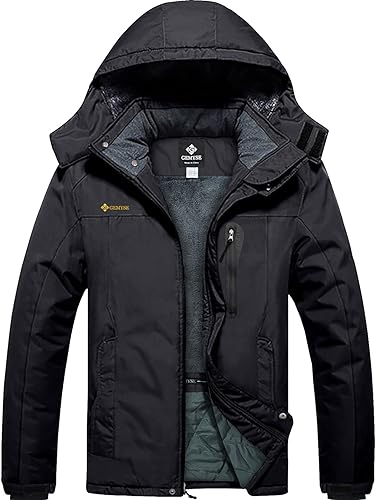 | GEMYSE Waterproof Ski | Check Price |
Our Selected Top 12 Insulated Jacket for Winter Worth Considering
This list includes insulated jackets designed to keep you warm in cold weather. Each review covers how well the jacket performs, who it fits best, and highlights the key strengths and potential drawbacks you might want to consider.
1. Carhartt Yukon Extremes Insulated Jacket
Carhartt Yukon Extremes Insulated Jacket feels roomy and warm, designed for those who spend long hours outdoors in cold weather. Its loose fit and insulation suit active people needing reliable warmth without tight restriction. The jacket’s biggest strength lies in balancing warmth with comfort and freedom of movement.
Putting on the jacket is simple thanks to its band collar and long sleeves that cover well. Daily activity does not feel hindered because the loose fit allows layering underneath. The anorak silhouette shelters the torso and upper arms, while the solid black color hides dirt well after outdoor use.
It’s practical for chilly days in spring or approaching summer.
Its insulation effectively blocks cold air when outside for work or recreation. Stitching and materials hold up after repeated wear, maintaining insulation integrity.
Some feedback notes the looser fit can trap a bit of cold wind around the wrists and neck despite the band collar. Others appreciate how durable the jacket feels for active, rough use.
Warmth and comfort stand out as strong points, letting active wearers stay outside longer without discomfort. The loose fit, while good for layering, sometimes lets cold air sneak in around the wrists and neck, which some find undesirable in very cold conditions.
People needing durable warmth with freedom of movement will find this jacket suitable. Those facing harsher winter months or seeking a snug fit might want to explore options with more wind protection and tighter cuffs.
Pros
- Warm insulation for cold weather
- Loose fit allows layering underneath
- Durable materials hold up well
- Band collar adds neck coverage
Cons
- Loose fit can let cold air in at wrists
- Not designed for heavy winter conditions
| Specification | Details |
|---|---|
| Color | Black |
| Style | Yukon Extremes Loose Fit Insulated Active Jac |
| Sleeve Type | Long Sleeve |
| Coat Silhouette Type | Anorak |
| Seasons | Spring/Summer |
| Fit Type | Loose |
| Climate Suitability | Cold Weather |
2. Columbia Tipton Peak III Insulated Jacket
Columbia Tipton Peak III Insulated Jacket suits anyone needing a reliable cold-weather layer in fall conditions. It stands out for its solid, hooded anorak design that balances warmth and straightforward protection without excessive bulk or complexity.
Putting on the jacket is simple thanks to its regular fit and long sleeves that cover well without feeling tight. The hooded collar adds coverage at the neck, which warms up chilly mornings outdoors.
Its lightweight black fabric holds up through daily movement and is easy to pair with different outfits for casual or active use during fall outings.
Warmth is steady but best for cold fall days, not extreme winter weather, matching the jacket’s climate suitability. The anorak silhouette provides straightforward insulation without many extra features.
One praise point is how it keeps comfortable heat inside without overheating inside moderate cold. A common issue mentioned is the lack of specialized vents, making it less ideal for heavy activity or damp environments.
The jacket is praised for holding warmth effectively during cold fall days without becoming heavy or bulky. The main complaint centers on the absence of venting, which can make it uncomfortable during vigorous activity or in damp climates, limiting its use to more casual cold-weather conditions.
Those who need a straightforward insulated layer for everyday cool fall weather will find this jacket suitable. It is less ideal for extreme winter cold or wet situations where more technical materials and features would be necessary. Choosing a jacket with better breathability may work better for active outdoor use.
Pros
- Comfortable regular fit for layering
- Hooded collar adds extra neck warmth
- Solid insulation for cold but not extreme weather
- Simple style pairs with many outfits
Cons
- Not suited for very cold or wet winter conditions
- Lacks venting options for breathability
| Specification | Details |
|---|---|
| Color | Black |
| Style | Tipton Peak III Insulated Jacket |
| Sleeve Type | Long Sleeve |
| Coat Silhouette Type | Anorak |
| Seasons | Fall |
| Collar Style | Hooded Collar |
3. GEMYSE Mens Waterproof Ski Jacket
Black waterproof fabric and an anorak silhouette make this jacket a solid choice for anyone heading into cold, wet conditions. Its classic style fits an overall body type well, and the waterproof feature stands out as its main advantage for winter activities like skiing or daily wear in snowy weather.
Setting it up is straightforward since the jacket comes in a solid black color with a simple band collar design. The long sleeves provide full arm coverage, and the overall fit makes layering underneath easy.
Its classic cut means it won’t look out of place in casual or outdoor settings, while the waterproof material handles snow and rain effectively without needing extra treatments.
The jacket does its main job of keeping cold and moisture out reliably. It is built with a well-fitted silhouette that doesn’t restrict movement, suitable for active winter use.
Most praise goes to its waterproof quality and warmth in cold weather. Some users find the fit less tailored around the waist, which can feel a bit loose for those preferring snugger jackets.
Waterproofing stands out as the jacket’s strong point, keeping wearers dry in winter conditions. Warmth and layering space are also appreciated. The main drawback noted is the somewhat loose fit around the waist, which can affect the overall feel for those seeking a more fitted look.
Those looking for reliable waterproof protection in cold weather will be satisfied with this jacket. People preferring a tailored fit or more color variety might want to explore other options to better match their style and preference.
Pros
- Waterproof fabric protects well in snow and rain
- Classic style fits any winter setting
- Long sleeves cover arms completely
- Overall fit allows comfortable layering
Cons
- Fit can feel loose around the waist
- Limited color options, only solid black
| Specification | Details |
|---|---|
| Color | Black |
| Style | Classic |
| Sleeve Type | Long Sleeve |
| Coat Silhouette Type | Anorak |
| Climate Suitability | Cold Weather |
| Fit Type | Overall |
4. FREE SOLDIER Hooded Waterproof Softshell Jacket

Black color and fitted style stand out immediately, making it a solid choice for active winter sports enthusiasts. The FREE SOLDIER Hooded Waterproof Softshell Jacket is designed for cold weather, offering a dependable balance between warmth and weather protection without being bulky.
Putting on the jacket feels straightforward thanks to its band collar and hood. The long sleeves keep arms covered completely, and its anorak silhouette helps trap heat close to the body.
Wearing it outside during winter activities means you stay comfortable in cold conditions while also benefiting from a jacket that resists water effectively, which is essential during snow or light rain.
Performance for cold weather holds up well, with insulation that keeps the wearer warm without overheating. The waterproof softshell fabric prevents water from soaking in.
Most compliments highlight how well it blocks wind and cold, but some point out the fit could be too tight for layering over thicker sweaters. The jacket’s construction is sturdy, built for outdoor durability, though the fitted nature means it might restrict movement for some.
Most praise focuses on the jacket’s ability to block wind and keep the wearer dry during winter sports. Some note the fitted style feels restrictive when layering significantly underneath, which affects mobility for vigorous activities. The waterproof softshell material holds up well, though the collar design occasionally lets chilly gusts reach the neck area.
The jacket fits well for someone active outdoors who does not need thick layers underneath and prefers a clean, warm piece. Anyone needing room for bulky sweaters or who wants maximum neck protection should consider jackets with roomier cuts or higher collars instead.
Pros
- Waterproof softshell fabric keeps you dry
- Fitted cut retains warmth without excess bulk
- Hood and long sleeves offer full coverage
- Anorak style traps heat and blocks wind well
Cons
- Fitted design may limit layering options
- Band collar less protecting against strong wind
| Specification | Details |
|---|---|
| Color | Black |
| Style | Hooded |
| Coat Silhouette Type | Anorak |
| Seasons | Winter |
| Fit Type | Fitted |
| Climate Suitability | Cold Weather |
5. MAGCOMSEN Mens Water Resistant Winter Parka

Magcomsen Mens Water Resistant Winter Parka fits anyone who needs a durable coat that blocks wind and rain while keeping warm. It suits those working or spending time outdoors in winter. Its biggest strength is the water resistance combined with a military-style design that covers well and fits regular.
Putting it on feels straightforward with the spread collar and long sleeves that fit well without feeling tight. The coat zips up easily and manages to keep out cold air thanks to its solid fabric pattern.
Wearing it on a cold day feels secure, and it doesn’t restrict movement during daily activities like walking or light work. The water resistance keeps you dry on damp winter days.
Keeping warmth and dryness is where this parka performs steadily. Its construction seems focused on sheltering from rain and chill rather than very heavy snow or extreme cold.
The material holds up well to wind and wetness, but some users note the coat can feel a bit heavy. Most praise the water resistance, while some find it less breathable for active use.
People appreciate the water resistance as it keeps them dry walking in rain or snow. The spread collar helps block wind without being restrictive. The main complaint focuses on breathability, as the jacket can feel warm and stuffy during physical activities or milder days.
Anyone needing easy protection from wind and rain will find this parka fits well and holds up. It works best for everyday winter wear or outdoor use in damp, cold conditions. Those planning high-movement winter sports or activities should look for lighter, more breathable options.
Pros
- Water resistant fabric protects from rain and snow
- Military style suits outdoor and casual wear
- Regular fit allows easy layering underneath
- Solid black color hides dirt well
Cons
- Not very breathable during high activity
- Heavier than some other insulated jackets
| Specification | Details |
|---|---|
| Color | Black |
| Style | Military Coat |
| Sleeve Type | Long Sleeve |
| Coat Silhouette Type | Rain Coat |
| Seasons | Winter |
| Fit Type | Regular |
6. TACVASEN Mens Waterproof Ski Jacket

Cold, wet days demand a jacket that holds up during winter sports and outdoor activities. The TACVASEN Mens Waterproof Ski Jacket suits anyone looking for reliable weather protection with a fit designed for regular movements. Its biggest strength lies in combining waterproof fabric with practical features for chilly weather.
Putting the jacket on is straightforward thanks to its regular fit and hooded collar, ensuring you stay covered without bulk. Zippers and pockets are easy to access when wearing gloves, important on cold days. The material handles snow and rain well, making it practical for skiing, snowboarding, or any winter outing where staying dry matters.
It does a solid job keeping out cold and moisture, while the waterproof coating holds up in wet conditions. The jacket has a rain coat silhouette, which helps shield against wind and snow. The most common praise highlights how well it blocks moisture, but some mention the fit doesn’t suit everyone, as it may feel a bit loose for slim builds.
Waterproofing is praised for keeping snow and rain out during winter activities, proving reliable in cold weather. Fit concerns arise mostly from people who prefer a tighter or more tailored cut, suggesting the regular fit may not suit everyone equally well.
The jacket fits well for those who prioritize moisture protection and need room for layering under a winter sports jacket. It is less ideal for those wanting a slim, fashion-forward fit or multiple color choices to vary their outdoor wardrobe.
Pros
- Waterproof fabric suitable for wet winter conditions
- Hooded collar provides extra head protection
- Regular fit allows comfortable layering
- Designed specifically for winter outdoor sports
Cons
- Fit can feel loose for slimmer body types
- Limited color options available
| Specification | Details |
|---|---|
| Color | #215 Black |
| Style | Winter Sports |
| Sleeve Type | Long Sleeve |
| Coat Silhouette | Rain Coat |
| Seasons | Winter |
| Climate Suitability | Cold Weather |
7. Carhartt Yukon Extremes Insulated Coat

Black color and a loose fit define the Carhartt Yukon Extremes Insulated Coat, built for cold weather conditions. Its biggest strength lies in keeping you warm while allowing freedom of movement, suitable for outdoor work or cold urban days.
Putting on the coat feels straightforward thanks to its anorak silhouette and long sleeves. The round collar doesn’t squeeze the neck.
The loose fit accommodates layering underneath. Wearing it daily in cold weather is comfortable without feeling too bulky, making it practical for chilly spring or summer conditions.
Performance as an insulated coat meets the needs of colder climates well. The build is sturdy, designed to withstand wear and tear.
The most praised feature is the warmth it provides. Some mention that the fit is quite loose, which might feel oversized for those who prefer a trim fit.
The warmth provided stands out as the best feature, making it reliable in cold weather. The most frequent downside relates to the loose fit, which can feel bulky or oversized depending on personal preference. Daily use suits those who want comfort and space for layers.
People needing solid insulation for cold environments with room for movement will be satisfied. Those who prefer a closer fit or something for heavier winter use should consider alternatives that offer a snugger cut or year-round options.
Pros
- Warm enough for cold weather
- Loose fit allows easy layering
- Simple round collar for comfort
- Durable anorak-style construction
Cons
- Fit may be too loose for some
- Limited to spring/summer seasons
| Specification | Details |
|---|---|
| Color | Black |
| Style | Yukon Extremes Loose Fit Insulated Coat |
| Sleeve Type | Long Sleeve |
| Coat Silhouette Type | Anorak |
| Seasons | Spring/Summer |
| Fit Type | Loose |
| Collar Style | Round |
| Climate Suitability | Cold Weather |
8. The North Face Mens Jacket

Good for those who need reliable warmth in cold weather, this jacket suits someone looking for a wind and water-resistant coat with reasonable insulation. Its biggest strength lies in balancing warmth and durability while maintaining a casual, regular fit that works daily in fall and colder conditions.
Putting it on each morning is simple, thanks to the attached hood and long sleeves that cover well against chill and wind. The quilted design keeps insulation evenly spread, and the durable fabric stands up to light water and wind without getting soaked. Regular fit means layering underneath is easy, and the solid new taupe green color blends well with many outfits.
The jacket keeps warmth well during typical cold days and resists light rain and wind as advertised. The quilted stitching holds the insulation firmly in place, but some noticed the insulation could be a bit thin on very cold days.
The hood stays put and protects against wind, though a few found the fit somewhat bulky under tight outerwear.
Warmth and wind resistance make it a practical fall to cold weather jacket. The durable hood protects well, but some find the jacket’s insulation too light for sharp winter cold. Bulkiness appears when layering under slimmer covers, limiting use in very tight fits.
Those needing solid wind and light water resistance with moderate insulation will find it suitable. It works well for casual wear and outdoor fall activities. For extremely cold or wet conditions, consider a jacket with thicker insulation or more advanced waterproofing.
Pros
- Hood attached for added cold protection
- Wind and water resistance works on light rain
- Quilted design keeps insulation evenly distributed
- Regular fit accommodates layering comfortably
Cons
- Insulation may be light for very cold days
- Fit can feel bulky under tighter outer layers
| Specification | Details |
|---|---|
| Color | New Taupe Green |
| Style | Aconcagua 3 Hooded Jacket |
| Features | Insulated, Wind & Water Resistant, Durable Hood |
| Sleeve Type | Long Sleeve |
| Coat Silhouette | Quilted |
| Fit Type | Regular |
9. Helly Hansen Berg Insulated Jacket

Helly Hansen Berg Insulated Jacket suits people working or spending time outdoors in cold fall weather. Its main strength lies in solid insulation combined with a straightforward anorak design, providing dependable warmth in cool to cold conditions.
Putting on and using the jacket feels simple because of its straight fit and band collar that stays comfortable during movement. The long sleeves keep arms covered while the solid black color matches any workwear or casual outfit.
Breathability is balanced with warmth, so you can wear it through long fall days without overheating or feeling too bulky.
Insulation holds up well to cold weather, making it reliable for those chilly autumn days. The jacket’s construction is straightforward but durable, with a shape that doesn’t restrict your arms or torso. A common complaint concerns limited weather protection beyond cold air, which means heavy rain or snow can soak through.
The collar and fit get consistent praise for comfort.
Warmth and comfort received frequent praise, especially thanks to the band collar and straight fit. The main problem noted is the jacket’s lack of waterproof fabric, which lets moisture through in wet conditions. This means it performs best in dry cold rather than harsh wet weather.
Those who need reliable warmth on cold but dry fall days will find the jacket practical and comfortable. People requiring rain protection or heavier winter insulation might want to look at alternatives better suited for wet or extreme cold environments.
Pros
- Reliable insulation for chilly fall weather
- Comfortable band collar stays in place
- Straight fit allows easy layering underneath
- Durable construction for work and outdoor use
Cons
- Not waterproof, so wet snow or rain seep in
- Limited breathability during active or warm spells
| Specification | Details |
|---|---|
| Style | Workwear Berg Insulated Jacket |
| Color | 990 Black |
| Fit Type | Straight |
| Suitability | Cold Weather |
| Sleeve Type | Long Sleeve |
| Collar Style | Band |
10. Carhartt Iconic J140 Firm Duck Jacket
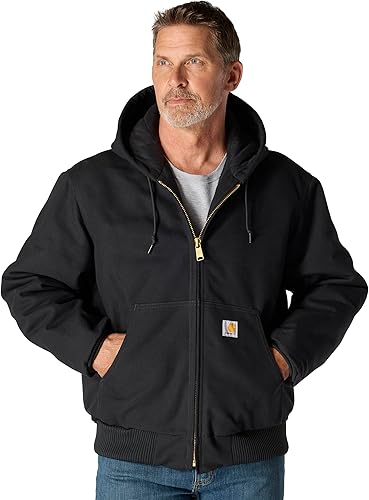
Carhartt Iconic J140 Firm Duck Jacket is a thick insulated coat designed for extreme cold weather. It fits loosely, allowing room for layering underneath and suits those who need durable protection outdoors during harsh winter conditions.
Its biggest strength lies in its classic quilted design paired with reliable warmth for all-day wear.
Putting it on is straightforward due to its loose fit and long sleeves that cover well. The solid black color stays clean despite regular outdoor use. Its quilted construction keeps insulation evenly distributed, preventing cold spots.
The jacket works well for daily errands or longer outdoor activities in cold climates thanks to the thick material and full arm coverage.
Performance matches expectations for extreme cold, with a firm, weather-resistant shell that blocks wind effectively. It maintains warmth without feeling overly bulky. The durable duck fabric resists wear and tear but can be stiff at first, requiring some break-in time.
The main issue reported is the loose fit, which could feel too roomy for those preferring a snugger jacket.
Most praise centers on the jacket’s solid warmth and durable material that withstands cold and rough use. Complaints focus on the loose fit, which may not suit everyone’s preferences, and the initial stiffness of the fabric that softens with wear. These factors define everyday experience with the jacket, balancing protection and comfort.
People spending extended time outdoors in cold weather will appreciate the insulation and tough construction. Those wanting a tighter fit or a softer initial feel might consider a different style. It suits practical wearers who prioritize warmth and durability over a slim profile.
Pros
- Firm duck fabric holds up well outdoors
- Quilted insulation distributes warmth evenly
- Loose fit allows comfortable layering underneath
- Long sleeves provide full arm coverage
Cons
- Loose fit may feel too roomy for some
- Fabric is stiff at first and needs breaking in
| Specification | Details |
|---|---|
| Color | Black |
| Style | Iconic J140 Firm Duck Active Jac |
| Sleeve Type | Long Sleeve |
| Coat Silhouette Type | Quilted |
| Seasons | All |
| Climate Suitability | Extreme Cold |
11. Carhartt Washed Duck Active Jacket

Carhartt’s Washed Duck Active Jacket suits anyone facing cold weather who values durability and comfort over refined design. Its loose fit and sturdy material stand out for tough daily wear, especially in fall conditions when temperatures start to drop but heavy winter layering is not yet needed.
Putting it on feels roomy with a band collar that sits comfortably without fuss. The long sleeves and solid black color make it easy to pair with most outfits.
It’s simple to move in, good for outdoor work or casual outings. The anorak style offers decent coverage and blocks wind well enough during brisk fall days.
The jacket holds warmth adequately in cold conditions without overheating. Its duck fabric resists some wear but develops a worn look over time, which might appeal if you like an aged style. Some find the fit too loose for layering under heavier coats.
Stitching and construction appear solid, with pockets and sleeves built for frequent use.
Warmth levels meet basic cold weather demands without overdoing insulation. The durability of the duck fabric gets good marks, but some describe the fit as too loose for extra layers beneath, which can be an issue in harsher winter climates. The simple styling is solid but lacks features like adjustable cuffs or hoods.
People who want a tough, relaxed-fit jacket for moderate cold will appreciate this choice. Those needing high insulation or more fitted cuts for layering should look elsewhere. It works best as a transitional jacket for fall or mild winter days rather than deep winter gear.
Pros
- Durable duck fabric handles wear well
- Loose fit allows easy movement
- Long sleeves keep arms covered
- Black color versatile for many outfits
Cons
- Loose fit may limit layering options
- Not insulated enough for freezing temperatures
| Specification | Details |
|---|---|
| Color | Black |
| Style | Washed Duck Active Jac |
| Sleeve Type | Long Sleeve |
| Coat Silhouette Type | Anorak |
| Seasons | Fall |
| Fit Type | Loose |
12. 33,000ft Hooded Fleece Lined Rain Jacket

Ideal for cold weather use, this dark grey melange windbreaker combines a fleece lining with a hooded design. It suits anyone needing a solid winter jacket for occasional outings with reliable warmth and dryness. Its key strength lies in balancing insulation and weather protection without excess bulk.
Putting it on is straightforward thanks to the classic fit and hood. The long sleeves and anorak silhouette offer good coverage. The windbreaker aspect helps cut down on chilling breezes, while fleece lining adds warmth on chilly days in fall or spring.
Storage is simple with a front pocket, making daily wear practical during unpredictable weather. Cleaning usually involves standard washable fabrics, so maintaining it isn’t complicated.
Insulation works well for casual cold weather, keeping you warm without overheating. The material and build focus on blocking wind and light rain. Main praise highlights how the fleece lining adds softness and heat retention.
Some mention occasional bulkiness under heavier outer layers. Others note the hood fits snugly but could be a bit tighter around the face.
Strong warmth comes from the fleece lining, praised for soft comfort on cold days. Many find the windbreaker function useful against breezes but notice the jacket becomes a bit bulky if worn beneath thicker coats. Hood offers good coverage but lacks a tighter adjustment for a close fit during windier conditions.
Anyone needing a warm, casual winter layer for moderate cold and occasional use will find this jacket practical. People who want something slimmer or fully waterproof might look for a different option better suited to heavy rain or intense winter activities.
Pros
- Fleece lining provides effective warmth
- Windbreaker fabric reduces chill
- Classic fit suits layering
- Hood adds head and neck protection
Cons
- Can feel bulky under heavier jackets
- Hood not very adjustable around face edge
| Specification | Details |
|---|---|
| Color | Darkgrey Melange |
| Style | Windbreaker |
| Season Suitability | All, Fall, Spring |
| Fit Type | Classic |
| Collar Style | Hooded |
| Climate Suitability | Cold Weather |
Best Insulated Winter Jackets Comparison Table
| Product | Climate Suitability | Seasons | Fit Type | Collar Style |
|---|---|---|---|---|
| Carhartt Yukon Jacket | Cold Weather | Spring/Summer | Loose | Band |
| Columbia Tipton III | Cold Weather | Fall | Regular | Hooded Collar |
| GEMYSE Waterproof Ski | Cold Weather | Winter | Overall | Band |
| FREE SOLDIER Softshell | Cold Weather | Winter | Fitted | Band |
| MAGCOMSEN Winter Parka | – | Winter | Regular | Spread |
| TACVASEN Ski Jacket | Cold Weather | Winter | Regular | Hooded |
| Carhartt Yukon Coat | Cold Weather | Spring/Summer | Loose | Round |
| The North Face Jacket | Cold Weather | Fall | Regular | Hooded |
| Helly Hansen Berg | Cold Weather | Fall | Straight | Band |
| Carhartt Iconic J140 | Extreme Cold | All | Loose | – |
| Carhartt Washed Duck | Cold Weather | Fall | Loose | Band |
| 33,000ft Fleece Rain | Cold Weather | All, Fall, Spring | Classic | Hooded |
- Climate SuitabilityCold Weather
- SeasonsSpring/Summer
- Fit TypeLoose
- Collar StyleBand
- Climate SuitabilityCold Weather
- SeasonsFall
- Fit TypeRegular
- Collar StyleHooded Collar
- Climate SuitabilityCold Weather
- SeasonsWinter
- Fit TypeOverall
- Collar StyleBand
- Climate SuitabilityCold Weather
- SeasonsWinter
- Fit TypeFitted
- Collar StyleBand
- Climate Suitability–
- SeasonsWinter
- Fit TypeRegular
- Collar StyleSpread
- Climate SuitabilityCold Weather
- SeasonsWinter
- Fit TypeRegular
- Collar StyleHooded
- Climate SuitabilityCold Weather
- SeasonsSpring/Summer
- Fit TypeLoose
- Collar StyleRound
- Climate SuitabilityCold Weather
- SeasonsFall
- Fit TypeRegular
- Collar StyleHooded
- Climate SuitabilityCold Weather
- SeasonsFall
- Fit TypeStraight
- Collar StyleBand
- Climate SuitabilityExtreme Cold
- SeasonsAll
- Fit TypeLoose
- Collar Style–
- Climate SuitabilityCold Weather
- SeasonsFall
- Fit TypeLoose
- Collar StyleBand
- Climate SuitabilityCold Weather
- SeasonsAll, Fall, Spring
- Fit TypeClassic
- Collar StyleHooded
How to Choose the Right Insulated Winter Jacket
Focus on insulation type, weight, and water resistance to match your typical winter conditions and activity level. Choosing the right combination prevents overheating or excessive cold, reduces wear, and limits the need for replacements, saving both money and hassle during cold months.
Insulation Type and Warmth
On a cold winter morning, stepping outside with a jacket that retains heat without feeling bulky makes a noticeable difference. Jackets filled with down insulation often have a better warmth-to-weight ratio, providing excellent heat retention while staying lightweight and compressible.
However, down tends to lose its insulating properties when damp. This is something to keep in mind if you expect snow or rain, as a wet jacket can leave you cold and uncomfortable. Look for fill power ratings around 600 to 800 for quality down, which indicates the loft and warmth it provides.
Synthetic insulation, usually made of polyester fibers, performs more consistently in wet conditions since it keeps insulating even when moist. These jackets tend to weigh more and take up more space than down, but they dry faster and handle rough outdoor use better. Daily wear shows synthetic insulations resist clumping and maintain shape longer, which is useful if you don’t have time to dry your jacket overnight.
Common synthetic materials include PrimaLoft or Thinsulate, which balance warmth and water resistance well. Choosing the right type depends on whether you prioritize packability or moisture resilience during your activities.
Fit and Mobility
It is common to run into problems while trying to wear a bulky sweater or fleece beneath a winter jacket that fits too snugly. This space issue not only limits warmth but also restricts arm movement, making simple tasks like reaching into a backpack or adjusting gear frustrating. Jackets that provide ample room for layering avoid this problem, typically offering about one to two inches of extra space across the chest and shoulders.
Durable but slightly stretchy materials help maintain comfort without looking oversized.
Sleeve and shoulder construction plays a significant role in mobility. Jackets with articulated sleeves or raglan designs allow for a natural range of motion without pulling at seams or causing tight spots. Adjustable elements such as cuff straps, hem cinches, and drawcord hoods help customize the fit, preventing cold drafts and keeping the jacket in place during activity.
Look for cuffs with hook-and-loop fasteners or elastic bindings that can be tightened around gloves. Maintaining good fit alongside adjustability improves both comfort and insulation performance on cold, active days.
Material Durability and Weather Resistance
After a few weeks trekking through snowy city streets and muddy trails, it quickly became clear how important the outer shell fabric’s abrasion resistance is. Jackets made from tightly woven nylon or polyester with a denier count around 70 to 100 tend to hold up much better against scrapes from backpacks and rough surfaces.
Thin shells can tear or wear down quickly, leaving you vulnerable to the cold and wet. A tough fabric feels sturdier and maintains its shape instead of thinning out or pilling after repeated use.
Water repellency and windproofing are usually what people notice first when caught in a rainstorm or gusty wind. Durable water repellent (DWR) coatings keep light rain from soaking through, but expect to reapply these every season or two. For wind protection, laminated membranes like Gore-Tex Windstopper or similar branded fabrics offer solid barriers without making the jacket stuffy.
Speaking of moisture, breathability ratings around 10,000 g/m²/24h balance well with weather resistance, allowing sweat vapor to escape during activity without letting cold drafts in. A jacket that traps moisture inside quickly becomes uncomfortable and clammy, so look for specs that back up breathability alongside waterproofing and durability.
Weight and Packability
A jacket weighing over a pound can start to feel exhausting after a few hours of hiking or commuting, especially if layering is involved. A lighter option under 12 ounces often means less fatigue and better mobility. Jackets filled with down tend to offer the best warmth-to-weight ratio, while synthetic fills usually add bulk but handle moisture better.
Compressibility plays a big role when packing for trips or daily carry. Jackets that compress into a small stuff sack, sometimes down to the size of a grapefruit, save space in a backpack or suitcase.
Bulkiness affects comfort during active use more than people expect. A puffy jacket that’s too thick around the shoulders or arms can restrict movement and annoy during tasks like climbing or cycling.
Slimmer cuts and baffles that avoid excessive loft in high-mobility areas make a noticeable difference. Checking pack size and insulation weights on the label helps avoid surprises, with good jackets listing down fill power or synthetic insulation grams alongside packed volume in liters or cubic inches.
Additional Features and Practicality
Reaching for your phone or wallet in freezing temperatures becomes a pain with pockets that are too small or poorly placed. Jackets with large, well-positioned pockets on the front sides provide easy access, even with gloves on. Look for pockets that fit a smartphone around 6 inches tall or larger; some also offer internal organizational compartments for cards or keys.
Side hand pockets lined with fleece add warmth and comfort during quick stops outside. Avoid jackets that only have chest pockets, as they can be awkward to reach or uncomfortable when sitting.
The hood plays a big role in how warm you stay during gusty winds or snowfall. A hood with adjustable drawcords and a stiff brim keeps snow off your glasses and minimizes heat loss. Some designs offer a removable or pack-away option, which is handy if you want to switch looks or pack light.
The material matters too: thicker shells resist snow buildup better. Cleaning is simpler when washing instructions are clear, most outer shells allow machine washing on gentle cycles, but synthetic fill should avoid high heat during drying to maintain insulation loft.
Paying attention to care labels prevents unpleasant surprises after your first wash.
How to Maximize Warmth with Layering Techniques
Wearing multiple layers traps air between fabrics, which acts as insulation to keep body heat from escaping. Start with a slim base layer made of moisture-wicking material like merino wool or synthetic fibers. This keeps sweat away from your skin, preventing chills as you move between warm and cold environments.
The middle layer should provide insulation and retain warmth. Fleece or a lightweight down jacket works well here, offering warmth without too much bulk.
Make sure this layer fits comfortably over your base without restricting movement.
The outer layer’s job is to block wind, rain, and snow while allowing moisture to escape. A waterproof, breathable shell jacket protects against harsh weather and keeps the inner layers dry.
- Adjust layers based on your activity level and weather conditions.
- Remember that too much bulk can restrict mobility.
- Keep zippers and vents accessible to regulate temperature effectively.
Proper Care and Maintenance to Extend Your Jacket’s Lifespan
Spot cleaning stains as soon as they appear prevents dirt from becoming ingrained in the fabric. Use a damp cloth with mild soap rather than harsh detergents to avoid damaging the insulation or water-resistant coatings.
Machine washing is possible, but only on gentle cycles with cold water; always use a front-loading washer if available to minimize agitation.
Drying is crucial for maintaining loft and warmth:
- Use a low heat setting in the dryer or air dry flat on a clean surface.
- Add clean tennis balls to the dryer to help restore loft and prevent clumping of synthetic fill.
- Avoid direct sunlight which can degrade synthetic materials over time.
Store the jacket loosely on a padded hanger rather than compressed in a tight space. This practice maintains the insulation’s shape and prevents permanent creases.
Following these tips helps extend the jacket’s lifespan and keeps it ready for cold conditions season after season.
Comparing Insulated Jackets with Other Winter Outerwear Options
Insulated jackets typically provide a better balance between warmth and weight compared to traditional winter coats. Unlike bulky wool or heavy cotton options, insulated jackets use synthetic fibers or down to trap heat without adding excessive weight. This makes them easier to pack and more comfortable for extended wear.
Shell jackets, on the other hand, focus primarily on waterproofing and wind resistance but often require layering underneath for adequate warmth. This can add complexity to dressing for winter conditions.
Insulated jackets usually combine water resistance with built-in warmth, reducing the need to think about multiple layers.
Key differences include:
- Warmth-to-weight ratio: Insulated jackets are lighter and warmer than traditional coats of similar thickness.
- Portability: Most insulated jackets compress well, making them easier to carry during travel or daily commutes.
- Suitability for activity: They provide enough warmth without restricting movement, which is helpful for outdoor activities.
The choice depends on your specific needs, but insulated jackets offer a practical solution for many winter scenarios.
People Also Asked
How Should I Properly Clean and Care for My Insulated Jacket?
Use a gentle cycle with cold water and mild detergent when washing your insulated jacket. Avoid fabric softeners as they can damage insulation. Hang it to dry and occasionally tumble dry with clean tennis balls to restore loft.
What Size Insulated Jacket Should I Choose for Layering Purposes?
Pick a size that allows for a light base layer underneath without feeling tight around the chest or arms. Jackets that are too tight won’t insulate well, while too loose can make movement awkward and let cold air in.
Are Insulated Jackets Safe to Wear Near Open Flames or Heaters?
Insulated jackets are not flame resistant and can melt or catch fire when exposed to open flames or very hot surfaces. Keep a safe distance from heaters and fireplaces to avoid damage or injury.
How Long Does a Typical Insulated Jacket Last with Regular Use?
An insulated jacket generally lasts about 3 to 5 years with regular use, depending on care and activity level. Damage usually occurs around zippers and seams, so inspect these areas regularly to maintain performance.
What Common Problems Do Insulated Jackets Have During Extreme Winter Conditions?
Common problems include insulation clumping or losing loft due to moisture and compression. Seams may leak cold air if damaged, and outer fabrics can get snagged or worn through rough use. Proper maintenance can reduce these issues.
Conclusion
Choosing the best insulated jacket for winter comes down to warmth, fit, and how well it handles moisture. The insulation type matters for temperature, while the jacket’s shape and size should allow easy layering without restricting movement.
Consider how it deals with water, whether from snow or light rain, since that affects comfort during outdoor activities.
Think about where and how often you’ll wear the jacket to pick something that fits your daily use and budget. Check the comparison table above to see which models align with your needs and space in your wardrobe.
That overview simplifies narrowing down a choice based on the details that matter most to you.