How To Build A Gun Safe – Planning And Design Guide
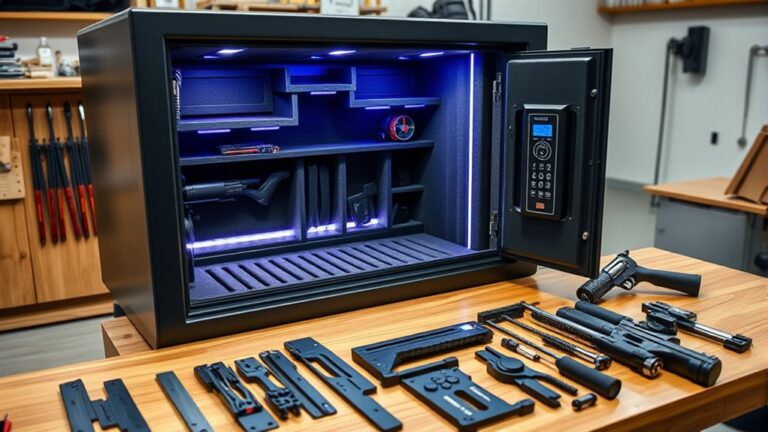
To build a gun safe room, start by choosing a discreet, structurally sound location with minimal access points. Good options include a basement or a closet.
Design the layout to ensure secure and easy access. Use ballistic-resistant walls, reinforced doors, and fire-rated materials like steel and UL-rated drywall for added protection.
Frame the structure with sturdy lumber, and install tamper-proof hinges. Add reliable locks, and consider installing biometric locks for extra security.
Optimize the space with modular storage solutions so you can keep everything organized. Regular maintenance of your safe is also important to keep it secure and in good condition.
Keep exploring for more detailed steps and advanced security strategies.
What Is a Gun Safe Room and Why You Need One
What exactly is a gun safe room, and why should you consider having one?
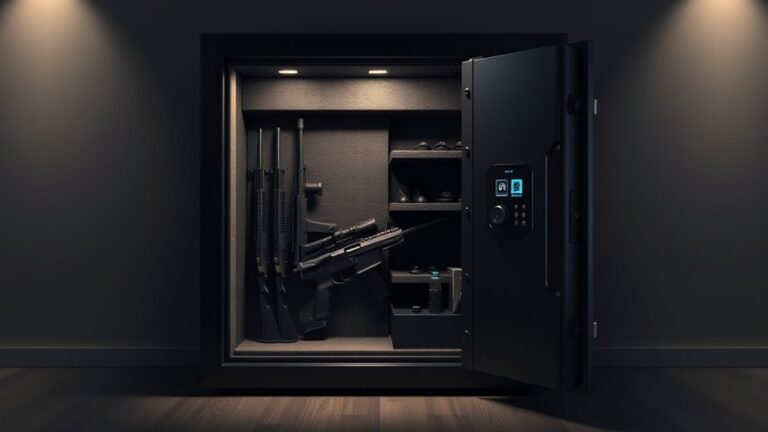
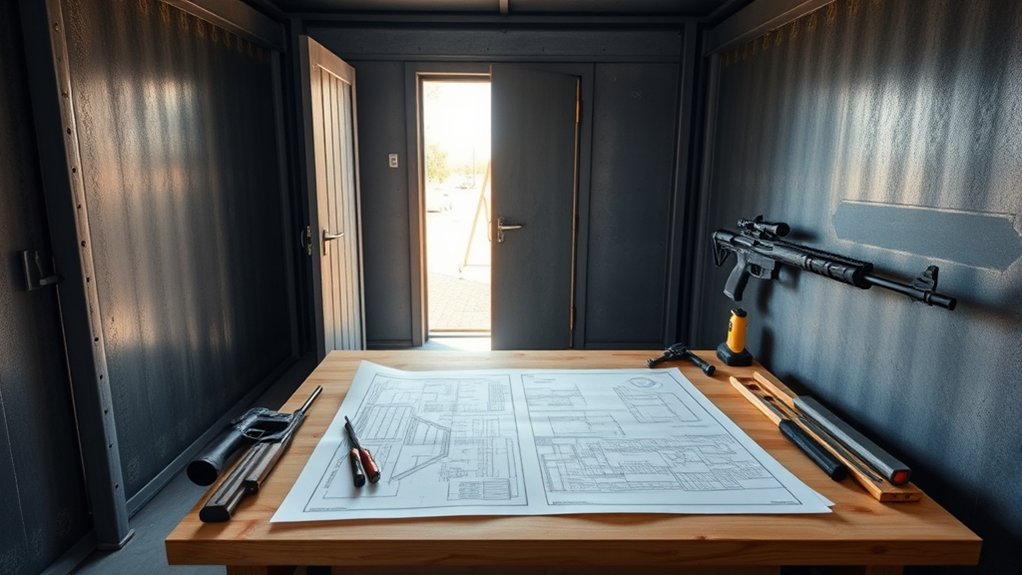
A gun safe room is a highly secure space designed specifically for storing firearms and valuables. It offers better security and fire protection compared to standard safes. You’ll find features like ballistic-resistant walls, reinforced doors, and discreet access points that make it very difficult for thieves or unauthorized people to get in.
A gun safe room provides enhanced security with ballistic walls, reinforced doors, and discreet access to protect firearms and valuables.
This specialized room not only protects your firearms from damage and fire but also helps keep your household safe by limiting access. It’s a smart way to ensure that only trusted individuals can reach your weapons.
Plus, having a dedicated space can give you peace of mind.
You can customize your gun safe room to organize, display, or hide your collection. It can be designed to blend seamlessly into your home’s layout.
Prioritizing a gun safe room means investing in serious security and fire protection that’s tailored to your needs.
Choosing the Best Location for Your Gun Safe Room
When selecting the ideal location for your gun safe room, you need to balance security, accessibility, and structural integrity.
Choose a discreet spot—like a basement, closet, or under-stair area—to keep it hidden and reduce the risk of targeting.
Pick a space with as few access points as possible and limited outside walls. This makes it easier to reinforce with ballistic panels and fireproofing materials.
Make sure the structure can support the weight of the safe room and the security features you plan to install.
Check that there’s enough space to set up your storage system, whether that’s racks, shelves, or other organizers.
While it’s important to keep the safe concealed from visitors and intruders, you also want authorized users to access it easily.
Designing Your Gun Safe Room Layout for Security and Access
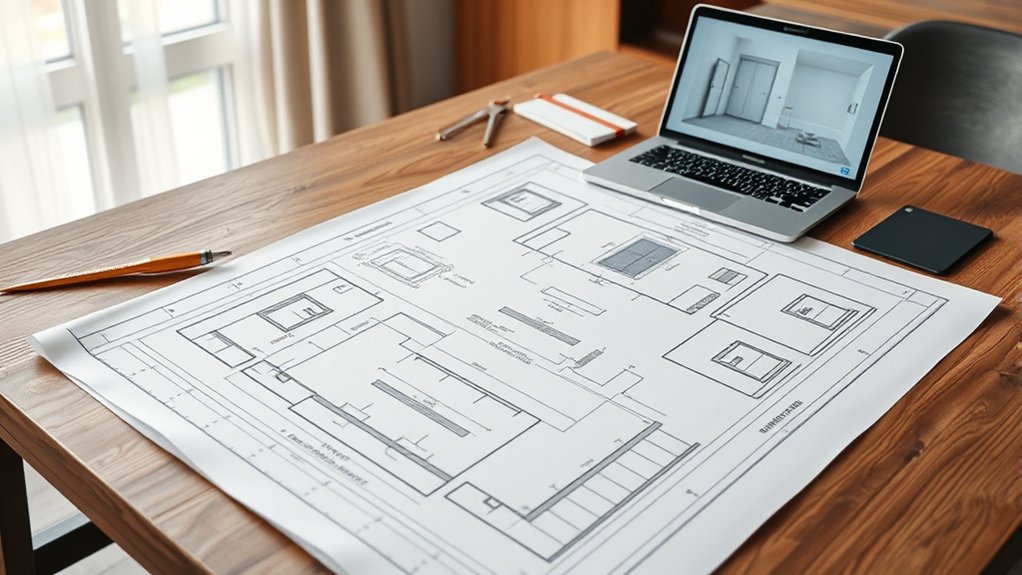
When you’re choosing a spot for your gun safe room, think about balancing security with easy access. You want a location that’s hard for anyone else to find or break into, but still quick for you to get to when you need it.
Make sure to reinforce your entry points with high-quality locks and ballistic materials. This way, you’re adding extra layers of protection against any unauthorized attempts.
And don’t forget about the space itself. You want it to be efficient—big enough to store your firearms safely, display them if needed, and still keep safety protocols in place.
All of this should come together in a discreet, functional layout that makes your safe room both secure and practical.
Location Selection Criteria
Where should you position your gun safe to maximize both security and accessibility? Choose a location that stays discreet and isn’t visible from outside your home. This helps boost security by limiting how much exposure it has.
Pick a spot with few access points. That way, it’s easier to reinforce and less vulnerable to tampering. Make sure the room has solid structural support and fire-resistant features—think concrete walls or reinforced framing. These details help keep your safe protected from damage or break-ins.
Avoid high-traffic or noisy areas. You want a place that remains discreet and doesn’t cause disturbances when you need to access your safe. While quick access is important, it’s also key to control who can reach it.
Finding the right balance means your location should be both easy for authorized users and secure from intruders. Taking the time to choose the right spot is crucial. It directly impacts how well your gun safe does its job—keeping your firearms secure while still being accessible when needed.
Access and Security
Selecting the ideal location sets the foundation, but securing that space with thoughtful design guarantees your gun safe remains both accessible and protected.
You need a secure door fitted with a reliable locking mechanism, like biometric or high-security systems. This helps restrict access points strictly to authorized users.
Position the door and locking mechanism in a way that allows quick entry but also deters intruders.
Design your layout to avoid exposed hinges or external locks that could create vulnerabilities. Discreet entry points and hidden access routes make it harder for unauthorized people to detect your safe.
Reinforce the walls and consider ballistic windows to resist forced entry. These features help protect your safe without hindering quick access when needed.
Space Optimization Strategies
Although securing your gun safe room is really important, making the most of the space you have is just as crucial. This way, you can keep things organized and accessible without sacrificing security.
Start with modular shelving and customizable racks. These let you adjust storage based on different firearm sizes and accommodate future collections. Use vertical space with stacking systems or wall-mounted racks to save on floor space and keep things discreet.
Plan your display and storage zones carefully. This helps reduce clutter, improve safety, and makes inventory checks easier.
Also, think about pathways and access points. Clear routes allow for smooth movement while still maintaining security protocols.
Choosing Materials and Security Features for Fire and Ballistic Protection
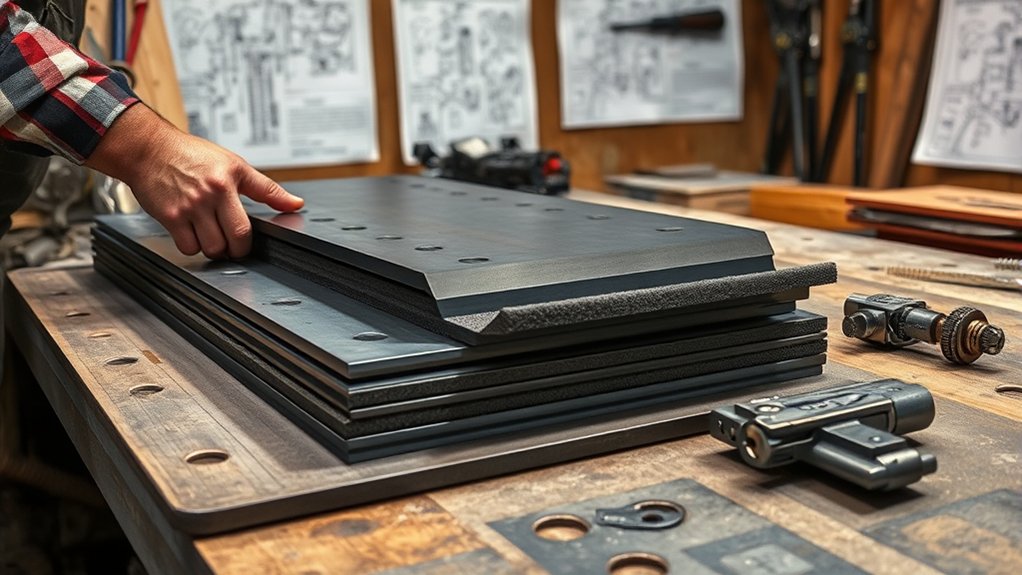
When you’re selecting materials for your gun safe, it’s important to think about both fire resistance and ballistic protection. You want something that can handle both threats without sacrificing durability.
So, consider using a combination of steel, fire-rated drywall, and Level 3 ballistic fiberglass panels—these materials work well together to provide strong protection.
Don’t forget about sealing all the openings with flame-retardant materials too. That small detail can make a big difference in boosting the safe’s defenses against fire and forced entry.
It’s all about creating a secure environment for your valuables, combining the right materials and proper sealing to keep everything safe and sound.
Fire Resistance Materials
How do you guarantee your gun safe withstands both fire and forced entry? Start by selecting fire-resistant materials like steel, concrete, and UL-rated fireproof drywall. These materials provide proven protection against extreme heat.
Fire resistance ratings are critical because they tell you how long the safe can withstand fire exposure. This ensures your firearms stay intact even during intense fires.
Incorporate intumescent seals in your design. These seals expand when heated, sealing gaps to block smoke and heat from sneaking in. They’re essential for maintaining safety inside the safe during a fire.
Fireproof safes rely on these features to keep your belongings safe. By choosing materials with high fire resistance ratings and adding these seals, you create a strong barrier against fire damage.
Prioritize these elements in your build to secure your firearms thoroughly without sacrificing fire protection.
Ballistic Protection Options
When choosing ballistic protection for your gun safe, the materials and security features you pick are super important. They help guard against firearm attacks and forced entries.
To get the best ballistic protection, keep these key points in mind:
Use ballistic fiberglass panels rated Level 3 or higher. This will help resist rifle rounds effectively.
Combine reinforced steel doors and walls with ballistic-rated windows for a well-rounded defense. This layered approach makes it harder for intruders to break in.
Adding fire-resistant drywall along with ballistic materials gives you both fire and ballistic protection. It’s like getting two protections in one.
Implement multiple layers of ballistic fiberglass and steel. This can match several inches of hardened steel’s resistance.
Look for safes with a P6B or higher ballistic rating. This certification shows the safe has been tested and proven to withstand high-caliber threats.
Building the Frame and Reinforcing the Walls
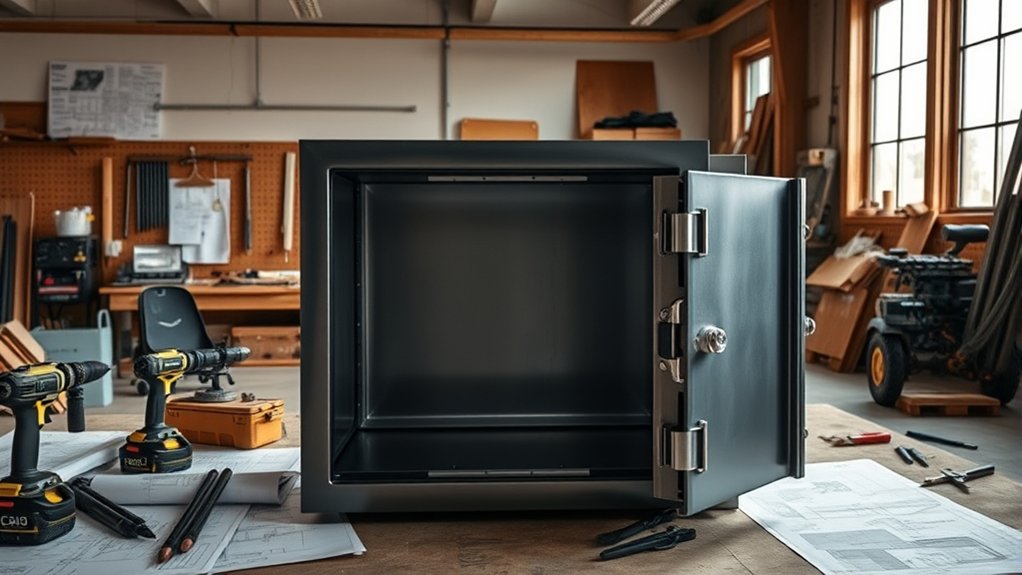
Although constructing the frame requires careful measurement and cutting, it provides the foundation for the safe’s strength and durability. Start by building the main frame with 2×4 lumber. Rip the sides down to 1.5″ x 1.25″ to boost strength.
The frame should stand about 56 inches tall to match the wall height for door installation. Lay 13-inch vertical 2x4s flat on the base, then place one vertically on top to form the skeleton. Secure 19 evenly spaced vertical 2x4s together with screws to ensure rigidity.
Reinforcing the walls is really important. Integrate high-security panels and ballistic-resistant materials directly onto the frame. These security features help resist forced entry and ballistic threats.
Installing Doors, Hinges, and Locks
With the frame and reinforced walls securely in place, your focus now shifts to installing the doors, hinges, and locks that will complete the safe’s protective barrier. Achieving a secure installation demands precision and high-quality components.
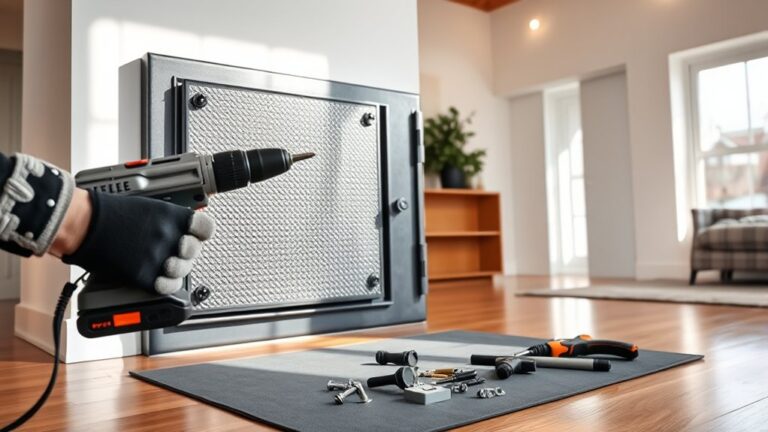
Start by predrilling pilot holes and aligning the door hinges perfectly. This will ensure smooth operation later on.
Begin with predrilled pilot holes and precise hinge alignment for seamless door functionality.
Next, rout grooves in both the door and frame to house the hinges securely. This helps deter tampering or forced removal.
Use lockable, heavy-duty hinges designed to resist manipulation. These will add extra security to your setup.
Then, install a robust locking mechanism—either heavy-duty or biometric—to maximize protection.
Make sure to ground any protruding screws flush for a professional finish.
Following this methodical approach guarantees that your gun safe’s door assembly is both functional and resilient against unauthorized access.
Maintaining Your Gun Safe Room for Security and Longevity
To keep your gun safe room secure and in good shape, it’s important to regularly check and maintain key parts like door locks, hinges, and seals. Doing this ensures everything works smoothly and helps prevent unauthorized access or tampering.
Take some time to inspect ballistic panels, fireproofing materials, and ventilation systems. If you find any damage, replace those parts to keep your fire resistance and overall protection intact.
Make sure to test your alarm systems, surveillance cameras, and biometric controls. Confirm they respond properly so you’re always aware of what’s happening.
Don’t forget to seal any cracks or gaps around walls, windows, and vents. This helps prevent moisture from getting in and keeps your security features working well.
It’s a good idea to schedule a professional security audit once a year. They’ll review all safety features and make sure everything complies with current standards.
Frequently Asked Questions
How Do I Estimate the Total Cost of Building a Gun Safe?
To estimate the total cost of building a gun safe, start by doing a detailed material cost analysis. Make a list of everything you’ll need, like steel, locking mechanisms, and fireproofing supplies.
It’s a good idea to compare prices from multiple suppliers to get the best deals. This will help you stay within your budget and avoid overspending.
Next, think about other costs like labor, tools, and any unexpected expenses that might come up. Including these in your estimate will give you a more accurate picture of the total cost.
Be sure to track all your costs carefully and add a contingency buffer for surprises.
This thorough approach will ensure your budget covers everything and helps prevent any surprises during the building process.
What Tools Are Essential for Constructing a Gun Safe?
You’ll need a welder and angle grinder for precise cuts and assembling strong steel materials.
A drill with metal bits is essential for installing locking mechanisms securely.
Use measuring tools to guarantee accurate dimensions for your materials, which helps ensure the safe’s strength.
Screwdrivers and pliers are also handy for installing safety features like relockers.
Together, these tools make sure your gun safe is robust, secure, and meets your safety standards.
Can I Incorporate Climate Control Inside the Gun Safe?
Absolutely, you can incorporate climate control inside your gun safe—think of it as giving your firearms a personal weather system.
Effective humidity control, temperature regulation, and moisture prevention are essential to protect your guns from rust and damage.
Installing dehumidifiers, ventilation systems, or thermostats can help create a stable environment.
You’ll want to analyze the safe’s size and location to choose the right devices.
This way, you can optimize preservation and safety with precise environmental management.
How Do I Ensure My Safe Complies With Local Laws?
To guarantee legal compliance, you need to thoroughly research local regulations governing gun safes in your area. Check safety standards set by authorities or industry organizations, and make sure your design meets or exceeds those requirements.
It’s a good idea to consult with local law enforcement or legal experts to verify that you’re following all the rules.
Staying informed and sticking closely to these standards helps ensure your safe not only protects your firearms but also keeps you on the right side of the law.
What Are the Best Practices for Organizing Firearms Inside the Safe?
You don’t want your firearms doing acrobatics inside your safe! Start by using firearm labeling to quickly identify each piece without confusion.
Add interior padding to prevent scratches and damage during storage. Organize guns by size or type, making sure everything is easy to find and access.
Finally, incorporate robust access control systems to keep your collection secure. This way, only authorized users can get to your firearms.
This setup maximizes safety, protection, and efficiency in your firearm storage.
Conclusion
Building your gun safe room is like creating a fortress designed to protect what matters most.
Think carefully about where to place it, what materials to use, and what security features are essential.
You’re not just building walls—you’re creating a shield against potential threats.
Pay attention to the details in your design and keep up with regular maintenance.
A well-built safe room stays strong and reliable over time.
Take this project seriously, and you’ll ensure your firearms stay secure and easy to access.
With careful planning, your safe room will stand resilient through whatever challenges come your way.