What To Look For In A Gun Safe – Buying Guide
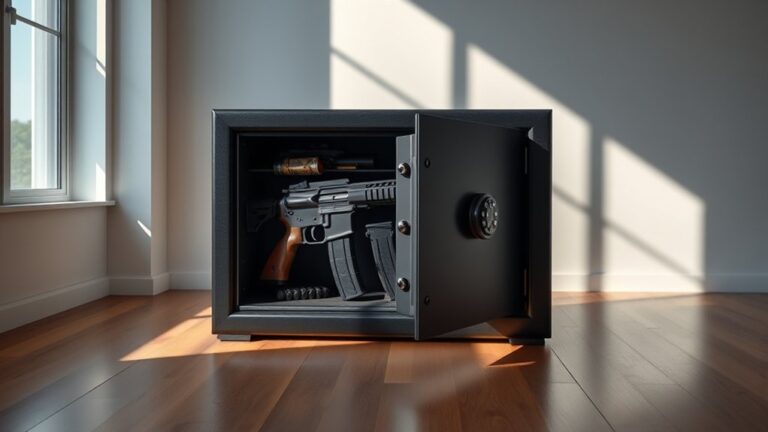
When choosing a gun safe, size is key. Make sure it can comfortably fit your collection and accessories. You want enough interior space so everything fits without feeling crowded.
Next, look for strong construction. Thick steel walls and quality welds are a must for burglary resistance. Reliable locks, like electronic keypads or biometric options, help you access your guns quickly and securely.
It’s also important to check for certified fire and burglary ratings. These certifications show the safe can protect against heat and break-ins. Don’t forget about the safe’s weight and how you plan to anchor it. Proper anchoring adds stability and makes it harder for someone to carry away.
Keep these essentials in mind. They’ll help you make a smart, secure investment. And if you want to explore more ways to choose the right safe, there are plenty of tips to discover.
Choosing the Right Size and Capacity for Your Gun Safe
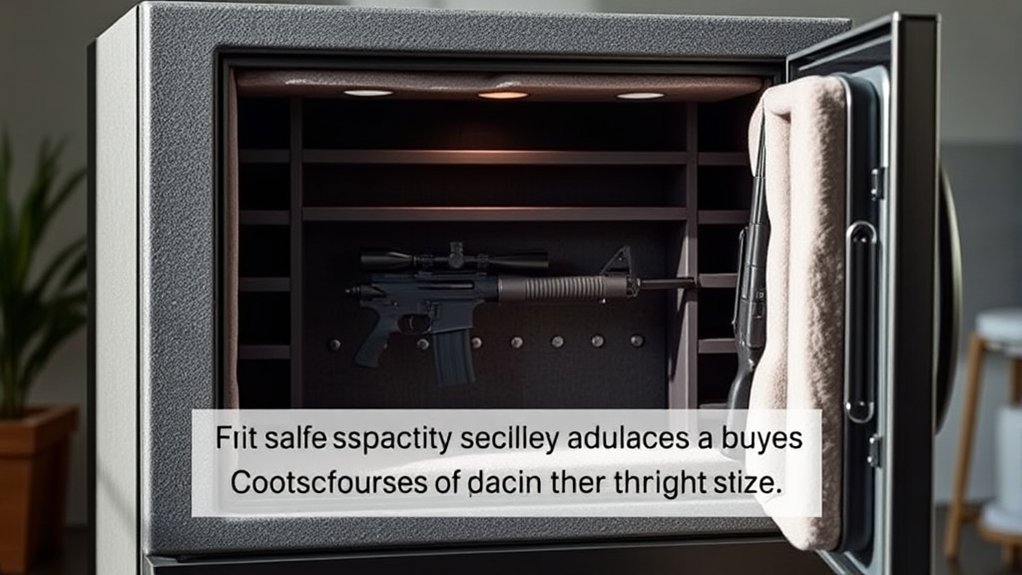
When choosing a gun safe, it’s important to think about both your current collection and any future additions. You want to make sure the safe has enough capacity to hold everything comfortably.
Focus on the interior dimensions—height, width, and depth. These measurements determine if your guns and accessories will fit easily inside.
Consider interior dimensions carefully to ensure your guns and accessories fit comfortably inside the safe.
Calculating the cubic footage (height × width × depth ÷ 1728) can help you compare different safes’ sizes more accurately.
It’s a good idea to plan for extra space to store magazines, scopes, and tools. This way, you avoid overcrowding and can access your gear easily when needed.
Opting for a larger safe now might cost more upfront, but it can save you money in the long run by avoiding upgrades later.
Also, look for safes with reliable fire protection and verified fire ratings. This ensures your collection stays protected during emergencies.
Thoughtful space planning, tailored to your needs, will keep your gun safe functional and secure as your collection grows.
Understanding Steel Thickness and Construction for Security
Although many gun safes may look sturdy, the true measure of their security lies in the steel thickness and construction quality. You want to prioritize burglary resistance by choosing safes with guaranteed steel strength and a robust design.
Be cautious of composite doors that use layered steel and drywall. Poor construction can seriously compromise protection. Always verify the actual steel gauge and take a close look at the welds to check for durability.
Key considerations include steel thickness of at least ¼ inch (7 gauge) for basic security. If you want enhanced burglary resistance, look for safes with steel that’s ½ inch or more.
Using high-tensile steel can also significantly improve overall strength.
Don’t forget to inspect the welds. Quality welds are essential for ensuring the safe’s structural integrity. Focusing on these factors will help you select a safe that truly safeguards your firearms.
Best Locking Mechanisms for Gun Safes: What to Know
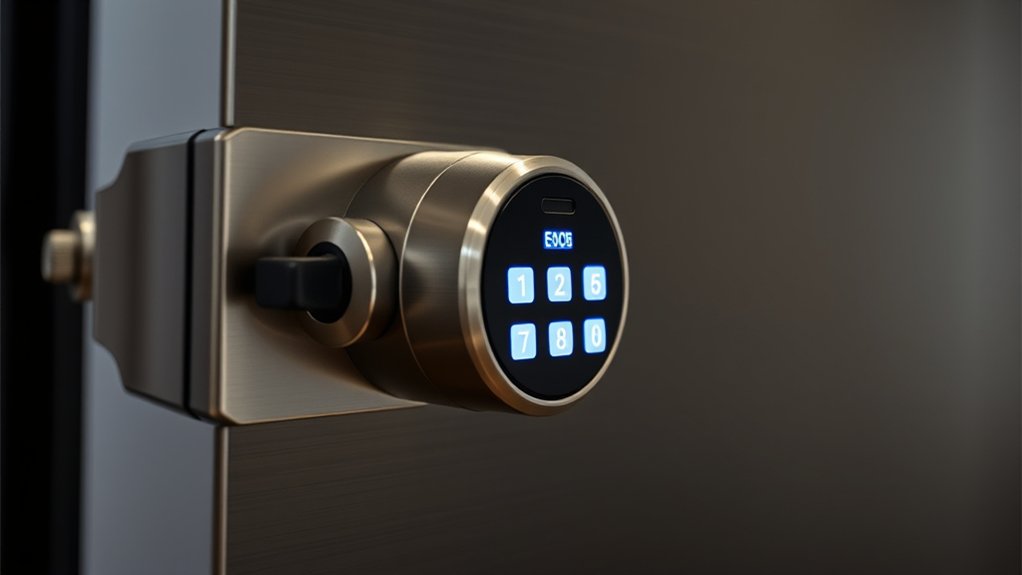
Since securing your firearms is so important, choosing the right locking mechanism is key to your gun safe’s effectiveness.
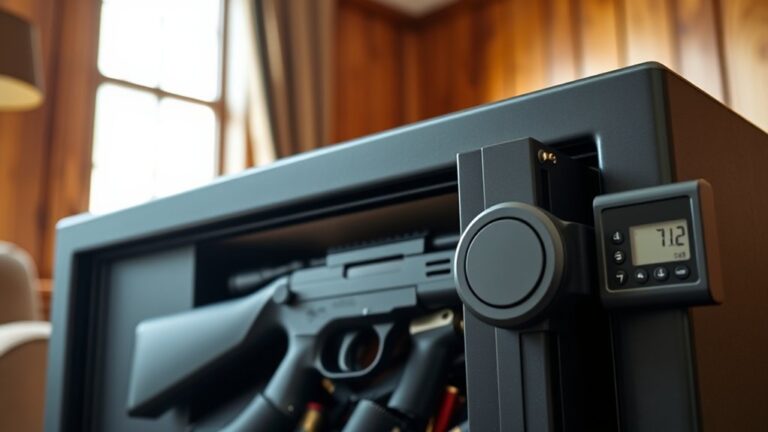
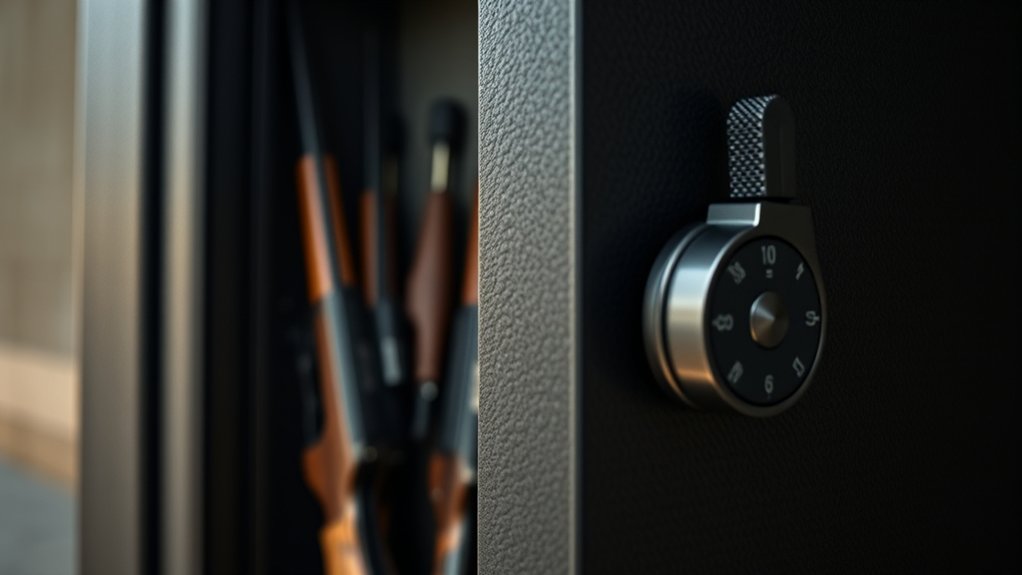
Electronic keypad locks are a popular choice because they allow quick access and can store multiple user codes. This makes them both convenient and secure.
Biometric locks offer high-security, keyless entry through fingerprint recognition. They’re perfect for fast, authorized access when you need it.
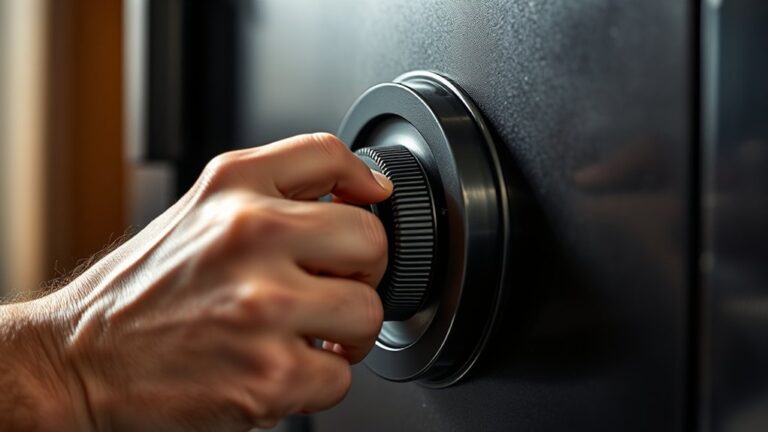
Mechanical combination locks are known for their reliability. They don’t rely on power, but that can mean slower access during emergencies.
Key locks are simple and dependable. However, they come with the risk of compromise if keys are lost or copied.
For the best protection, consider a multi-layered locking system that combines electronic and mechanical features. These advanced locks boost security and make it harder for unauthorized people to get in.
They also provide quick, reliable access when you need it most.
Evaluating Fire and Theft Ratings for Gun Safes
When you’re picking out a gun safe, it’s important to understand both fire resistance and theft protection. Fire ratings, like UL 72, tell you how long a safe can handle high temperatures during a fire.
But keep in mind, these ratings don’t really say much about how well the safe can stop someone from breaking in.
So, it’s a good idea to look for safes that offer a good mix — ones that have strong fire insulation and solid construction. That way, you’re protecting your guns from both fire damage and theft.
Balancing these features will give you peace of mind that your firearms are safe no matter what happens.
Fire Resistance Standards
When evaluating gun safes, understanding fire resistance standards is key to making sure your valuables survive a house fire. Fire resistance is measured by how long the safe can withstand fire and at what temperature.
UL 72 standards define fire ratings of 1-hour or 2-hour protection at roughly 1700°F to 1850°F. A fireproof safe goes through rigorous testing to keep the interior temperature low enough to protect your contents.
Key factors to consider include a fire rating verified through controlled burn tests that simulate real fires. Insulation materials like gypsum drywall or fiberglass are used to reduce heat transfer.
It’s recommended to look for a minimum of 1-hour fire protection, especially for documents and cash. Keep in mind, fire resistance focuses only on protecting against fire, not burglary or theft.
Choosing a safe with certified fire resistance will help ensure your valuables can withstand extreme heat and flames when it matters most.
Burglary Protection Ratings
Although fire resistance is important, burglary protection is just as crucial when choosing a gun safe.
Look for safes with recognized burglary ratings like UL certifications RSC, TL-15, or TL-30. These ratings show how resistant the safe is to forced entry using common attack tools.
Pay close attention to steel thickness. The doors should be at least ¼ inch thick, and the walls no thinner than 10 gauge. This helps ensure a strong defense against break-ins.
High-quality construction matters too. Check for full penetration welds and layered steel, which can withstand drills, pry bars, and other break-in attempts.
Certifications such as UL 1037 RSC-I or RSC-II confirm a safe’s ability to resist attacks over time. Always verify both the certification and the actual materials used.
Avoid falling for misleading claims. Make sure to confirm the safe’s burglary protection features before making your decision.
How Safe Weight Affects Security and Durability
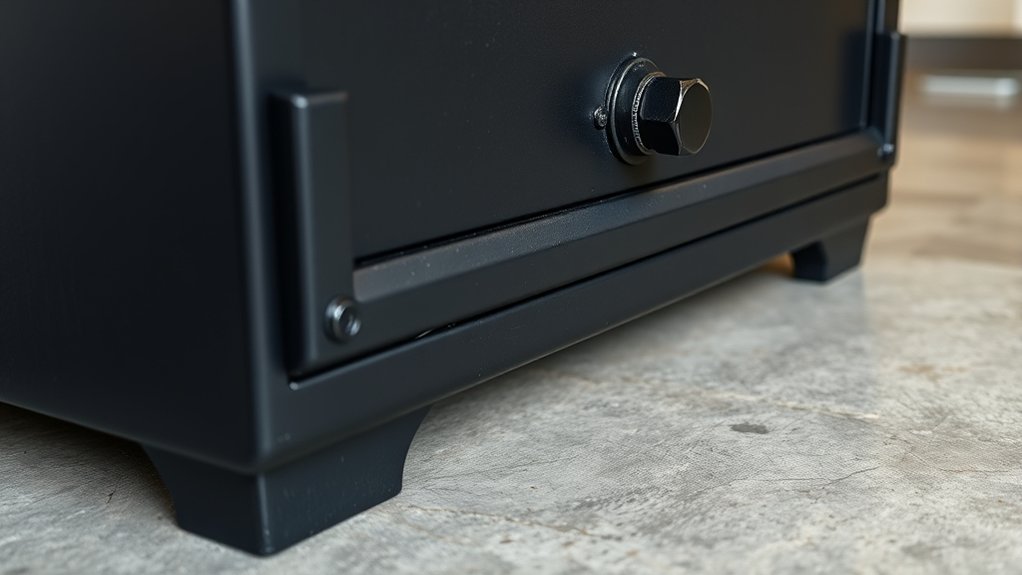
You’ll notice that the weight of a safe is pretty much a good indicator of how sturdy and well-made it is. Generally, the heavier the safe, the more steel it contains, and that means it’s built to last.
Plus, heavier safes are way tougher for someone to break into, so they offer better security against forced entry.
But here’s the thing: because these safes are so heavy, you’ll want to make sure your flooring can handle the weight. It’s also a good idea to anchor the safe securely to the floor to keep everything stable and safe.
That way, you get the best of both worlds—security and durability, without any worries about it shifting or causing damage.
Weight Indicates Steel Content
Because the weight of a gun safe directly reflects its steel content, you can get a good idea of its security and durability just by looking at how heavy it is.
A heavy safe usually contains solid steel, which boosts its burglary rating and fire protection. When there’s more steel, especially in the door and walls, it becomes tougher for intruders to force entry or tamper with it.
Keep in mind that a heavier safe means thicker steel layers and a stronger overall build. Solid steel safes tend to offer better fire resistance and are more resistant to break-ins.
However, because of the added weight, you’ll need to make sure it’s properly anchored and that your floor can support it.
Some safes combine concrete and steel to improve fire ratings and overall structural strength.
Heavier Safes Resist Breaches
When you choose a heavier gun safe, you’re investing in better resistance against forced entry and physical breaches.
Heavier safes usually have thicker steel walls and concrete reinforcement. This makes them much harder for burglars to break into.
The added weight and protection come from solid construction materials, often weighing between 600 and 1,500 pounds.
Because they’re so heavy, these safes need reinforced flooring to support their weight and prevent any structural damage.
Proper installation is key—securing the safe to the floor helps prevent theft by making it harder to remove.
Moving Challenges Of Heavy Safes
Although heavy gun safes offer better security, their weight creates some real challenges when it comes to moving and installing them.
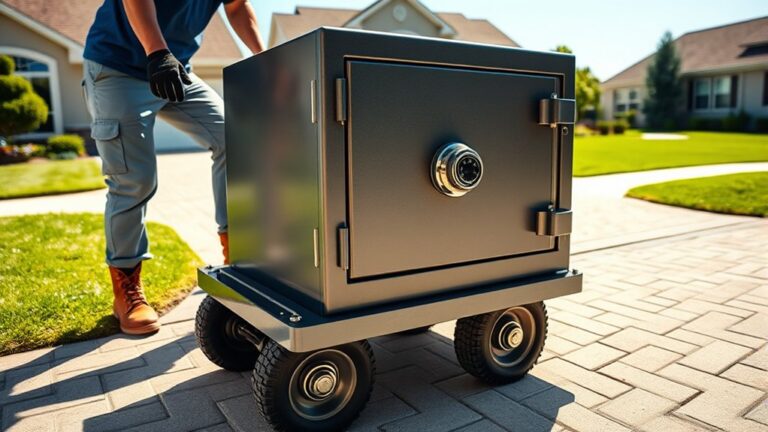
Handling such safes isn’t just about muscle; it requires careful planning. You’ll need the right equipment like dollies and straps, and plenty of help from trained personnel.
If you’re installing on upper floors, think about the structural integrity of your floors. Reinforcing the area might be necessary to prevent any damage.
Moving these safes safely involves more than just lifting. Proper techniques and specialized tools are crucial to avoid injuries and prevent damage to your property.
Another thing to consider is the cost. Heavy safes cost more to ship because of their weight. Budgeting for these increased shipping fees is important.
Finally, securing the safe properly during installation is key. Using concrete anchors and ensuring the floor can support the weight will keep your safe secure and durable.
Knowing these factors can help you manage the process smoothly and safely.
Additional Features to Enhance Gun Safe Security and Convenience
To maximize your gun safe’s security and ease of use, prioritize features like reinforced pry-resistant doors and multiple locking bolts. These help prevent forced entry, giving you peace of mind.
Choose safes with electronic lock or biometric lock options for quick, reliable access. They make it easier to get to your firearms when you need them, without sacrificing security.
Opt for electronic or biometric locks for fast, secure access to your firearms whenever necessary.
Interior lighting and adjustable shelves can really improve visibility and help you organize better. This way, your firearms and valuables stay neat and easy to find.
Don’t forget about safes with tamper alarms or security system connection options. These features alert you to any unauthorized access attempts, adding an extra layer of protection.
Each of these features plays a key role in safeguarding your collection. They also make daily use more convenient and worry-free.
Balancing Budget With Security Needs When Buying a Gun Safe
Striking the right balance between your budget and security needs requires careful thought about your gun safe’s construction and certification.
You want a safe that effectively protects your firearms without overspending. So, focus on these key factors to get the best value for your money.
UL ratings are important. Higher-rated safes like RSC-I and TL-30 cost more, but they offer better security and fire resistance.
Steel thickness also matters. Thicker steel makes it harder for intruders to force their way in, which is crucial for protecting your valuable firearms.
Locking mechanisms are another critical point. Investing in quality locks can reduce the risk of break-ins and is worth the extra cost.
Finally, think long-term. Cheaper safes with poor construction might save money upfront but could lead to costly replacements or higher insurance premiums later on.
Frequently Asked Questions
How Do I Properly Anchor a Gun Safe in a Rental Property?
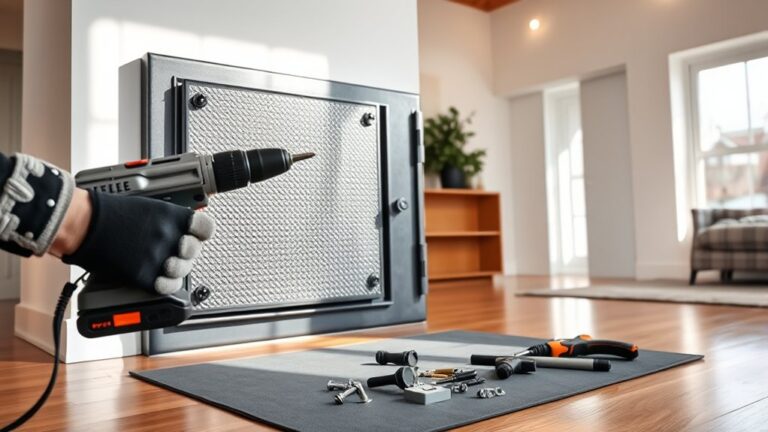
To properly anchor a gun safe in a rental property, you’ll want secure mounting that also respects rental restrictions.
Choose drilling methods that minimize damage, like using removable anchors or adhesive mounts if drilling isn’t allowed.
It’s important to assess your floor type and use multiple anchor points to boost stability and prevent tipping.
If drilling isn’t an option, consider portable safes with lock compatibility for easier moves.
Make sure to inform your rental insurance about your safe, and think about adding theft deterrents like placing it in a concealed location.
Regularly check and tighten the anchors to keep everything secure over time.
What Maintenance Is Required to Keep My Gun Safe Functioning?
You need to perform regular cleaning to prevent corrosion and check fire-resistant materials for damage.
Lubricate locks and hinges to keep mechanisms smooth. Replacing batteries annually helps avoid lockouts, and calibrating the keypad ensures reliable access.
Control humidity inside the safe to protect your firearms. Maintain interior lighting and test the alarm system regularly.
These steps help guarantee your gun safe functions safely and efficiently over time.
Can a Gun Safe Protect Firearms From Humidity and Corrosion?
Yes, a gun safe can protect your firearms from humidity and corrosion if it has airtight seals, moisture barriers, and a dehumidifier system for controlling humidity effectively.
Look for safes with ventilation systems and climate monitoring features to help maintain a stable environment inside. These features make a big difference in preventing moisture buildup.
Regularly using desiccants and applying gun oil for rust prevention can also help keep your firearms in good shape. These simple steps add an extra layer of protection.
Choose safes that are designed with these features in mind to ensure your firearms stay secure and well-preserved over time.
Are There Legal Requirements for Owning or Storing Guns in a Safe?
Don’t assume owning a gun safe frees you from legal responsibilities. You still need to follow strict legal regulations, including ownership restrictions, storage laws, and licensing requirements that vary depending on where you live.
Age limits and permit protocols are often part of these rules too. It’s important to be aware of the specific laws in your region before making any decisions.
Making sure your safe complies with these regulations is key to protecting yourself from legal liabilities. Always check the local rules before buying or installing a safe.
This way, you can keep your firearms secure and stay within the law. Ignoring these regulations can lead to penalties, so it’s better to be informed and cautious.
How Do Biometric Locks Perform in Extreme Weather Conditions?
Biometric locks can struggle with fingerprint scanner accuracy in extreme climate conditions due to temperature effects and moisture sensitivity.
You’ll notice reduced biometric accuracy if sensors aren’t weather resistant or properly sealed. Lock durability depends on how well the device handles thermal expansion and moisture intrusion, which can impair sensor reliability.
Look for biometric calibration features designed to maintain performance in harsh environments. This will help ensure your lock stays safe and responsive, no matter the weather outside.
Conclusion
When choosing your gun safe, focus on protection, practicality, and peace of mind. Think about the size, steel strength, and secure locking systems to keep your firearms safe.
Don’t overlook durability—weight and fire ratings are important factors. A heavy, fire-resistant safe can provide better protection over time.
Balance your budget with the features that matter most. But remember, never compromise on security just to save a little money.
Adding advanced features like biometric locks or interior lighting can boost safety and make accessing your firearms easier.
Stay sharp and choose wisely. Your safety depends on selecting a secure, reliable safe designed to protect what matters most.