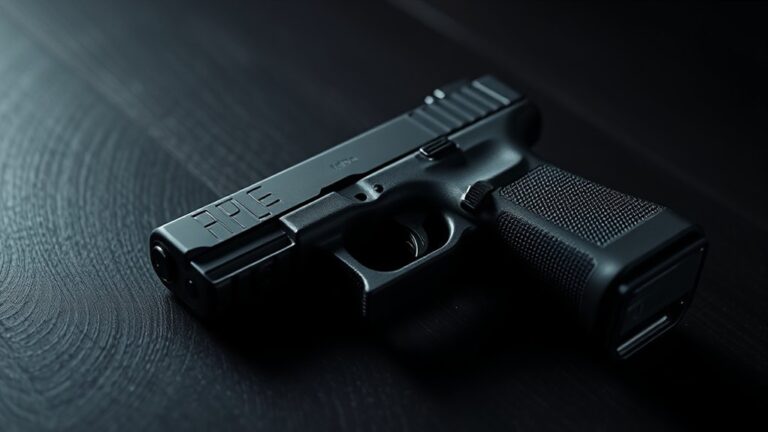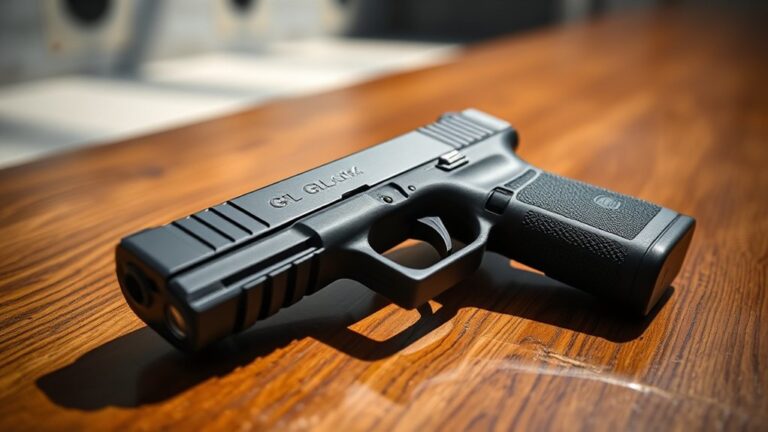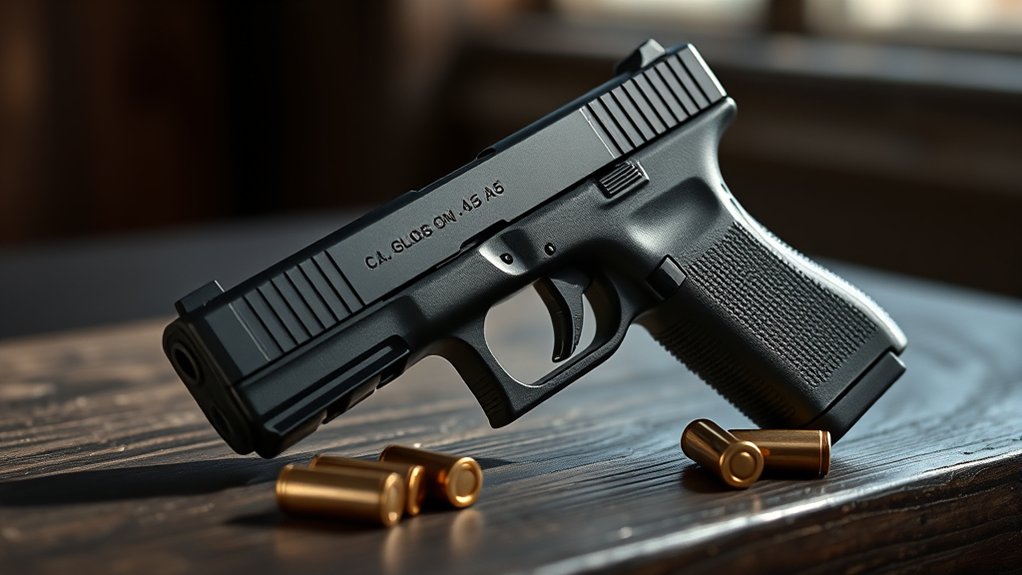
What Caliber Is A Glock 21 – Complete Caliber Guide
The Glock 21 is chambered exclusively in .45 ACP, a caliber known for its stopping power and reliability.
It has a 13-round capacity, designed for consistent feeding and effective performance with various types of ammunition. This includes hollow points and +P loads, giving you options depending on your needs.
Its full-size frame and recoil system help manage the sharp recoil well. That makes it ideal for defense and duty use.
If you’re curious about how this caliber affects handling, conversions, or comparisons with other Glocks, there’s plenty more to explore.
What Caliber Does the Glock 21 Use?
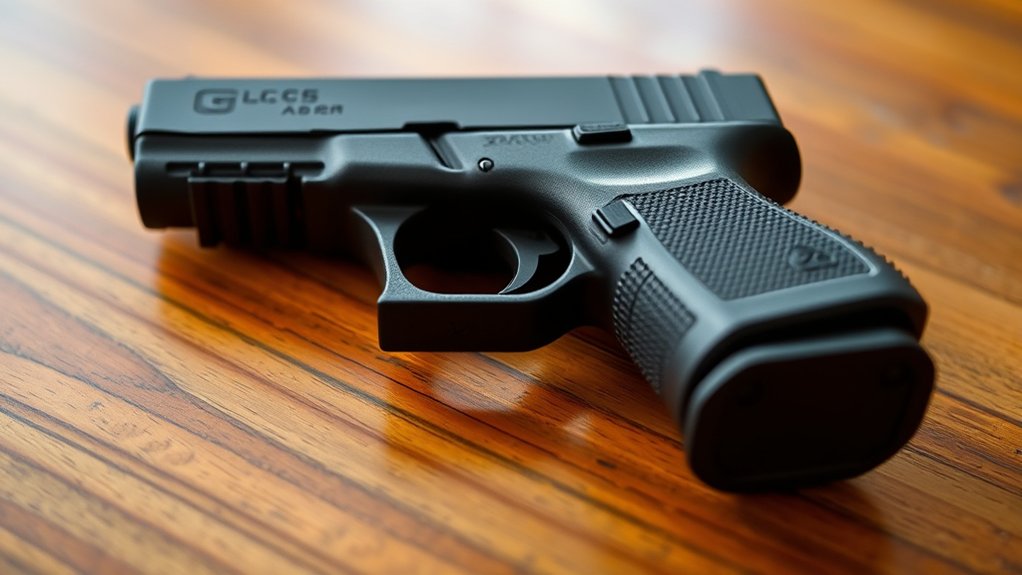
What caliber does the Glock 21 use? The Glock 21 is chambered exclusively in .45 ACP caliber, which is a widely respected round known for its balance of power and manageable recoil.
This pistol is designed to handle standard .45 ACP ammunition with exceptional reliability. It’s a favorite among professionals and enthusiasts alike.
Its magazine capacity holds 13 rounds, which is quite high for a .45 caliber handgun. That means you get substantial firepower without sacrificing comfort or handling.
The Glock 21’s engineering emphasizes durability and consistent performance under various conditions. It ensures the power of the .45 ACP round is delivered efficiently.
Though it can be converted to 10mm Auto, its primary design and reputation rest firmly on the .45 ACP caliber.
Why Does the Glock 21 Use the .45 ACP Caliber?
The Glock 21 uses the .45 ACP caliber because of its proven stopping power and reliability. It’s a popular choice for self-defense and duty use for a good reason.
This cartridge packs a punch with a larger, heavier bullet. That means better ballistic performance and increased terminal effectiveness.
Glock designed the Glock 21 specifically around this caliber to optimize its performance.
The pistol’s wider chamber and magazine are built to fit the .45 ACP’s dimensions perfectly. This ensures reliable feeding and operation without sacrificing durability.
By choosing the .45 ACP, the Glock 21 delivers consistent stopping power. It’s a favorite for those who need a tough, dependable firearm in critical situations.
How Does the .45 ACP Affect the Glock 21’s Performance?
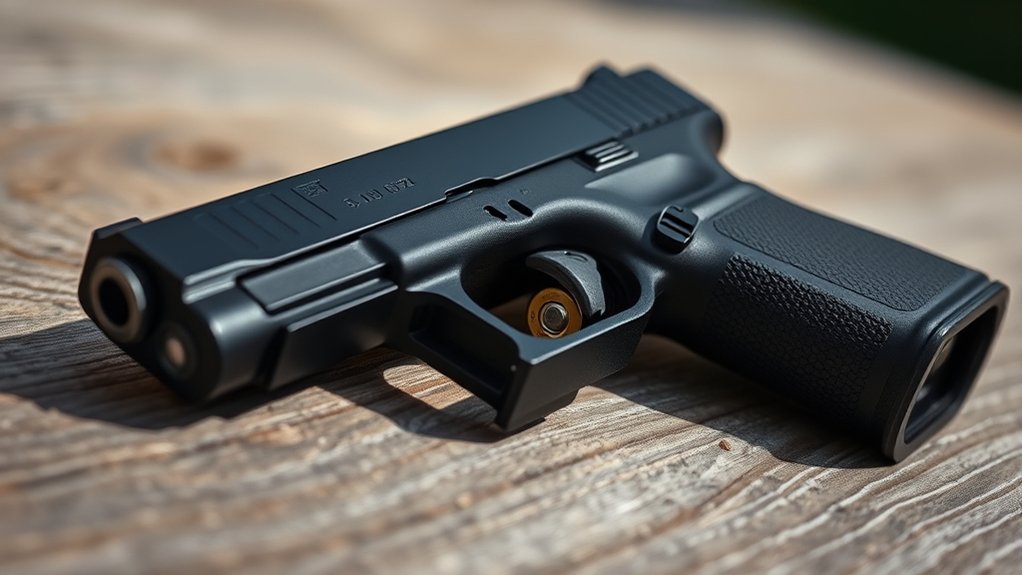
You’ll really feel how the .45 ACP caliber impacts the Glock 21’s performance, especially when it comes to recoil. It offers a good balance—powerful enough to pack a punch but still manageable enough to keep your shots on target, making it easier to fire follow-up shots quickly.
Plus, that hefty stopping power means it’s pretty effective whether you’re using it for self-defense or duty purposes.
And the best part? The Glock 21 can handle a wide variety of .45 ACP ammunition, so you can count on it to cycle reliably and deliver consistent results every time.
Recoil Management Characteristics
Although firing the .45 ACP in the Glock 21 produces a sharper recoil impulse compared to 9mm rounds, its full-size frame and low bore axis work together to make felt recoil more manageable.
You’ll notice that the heavier bullet weights and slower velocities of the .45 ACP help with controllability by smoothing out the recoil impulse.
The Glock 21’s dual recoil spring system also plays a big role in reducing felt recoil, making shooting more comfortable and allowing for quicker follow-up shots with less muzzle rise.
Key recoil management traits include:
- Higher recoil energy creates a noticeable kick, so a solid grip technique is important.
- The full-size frame and low bore axis help reduce muzzle rise and improve control.
- The dual recoil spring system cuts down on felt recoil and boosts shooting comfort.
- An optimized recoil impulse allows for faster target reacquisition during rapid fire.
All in all, this setup is great for experienced shooters who want a good balance between power and control.
Stopping Power Impact
How does the .45 ACP cartridge influence the Glock 21’s overall stopping power? The .45 ACP’s larger diameter and heavy bullets, typically weighing between 185 and 230 grains, create bigger wound channels. This means it can deliver a significant punch in self-defense and duty situations where quick incapacitation is essential.
The Glock 21’s full-size frame and long sight radius help improve accuracy with the .45 ACP round, making each shot more effective.
While heavier bullets tend to produce more recoil, the Glock 21 is designed to help you stay in control. Its recoil mitigation features make it easier to manage, so you can fire follow-up shots quickly and accurately.
Plus, the high-capacity magazine, holding 13 plus 1 rounds, gives you plenty of firepower. This combination of stopping power, accuracy, and manageable recoil makes the Glock 21 with .45 ACP a solid choice for serious applications.
Ammunition Compatibility Range
What makes the .45 ACP cartridge a reliable choice for the Glock 21’s performance? The Glock 21’s chambering is precisely engineered to handle a broad ammunition compatibility range, ensuring reliable performance across varied .45 ACP loads.
Here’s how the .45 ACP affects the Glock 21’s functionality:
The firearm chamber supports hollow points and +P loads without compromising safety or function.
Heavy-duty construction helps reduce the risk of malfunctions from different ammunition pressures.
Recoil management is also a plus, thanks to the Glock 21’s full-size frame. It helps counteract the heavier kick of the .45 ACP.
Plus, the versatility in ammunition makes the Glock 21 ideal for self-defense, duty, and shooting sports. It maintains consistent accuracy no matter the load.
How Does the Glock 21’s Caliber Compare With Other Glock Models?
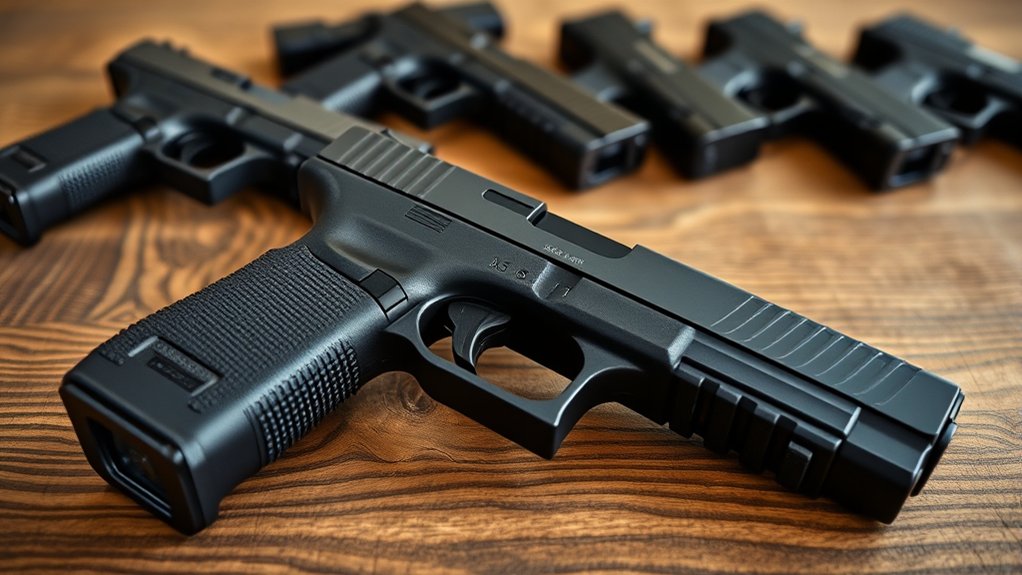
Why choose the Glock 21’s .45 ACP caliber over other Glock models? The Glock 21 offers superior stopping power compared to 9mm models like the Glock 17 or Glock 19. However, it does produce higher recoil, which might take some getting used to.
Despite the increased recoil, its magazine capacity remains quite competitive within its full-size pistol frame. When you compare it to Glock’s 10mm models such as the Glock 20, the Glock 21 provides less recoil and power. It also has a more manageable profile, making it easier to handle.
The Glock 21 surpasses compact .45 ACP models like the Glock 30 in magazine capacity thanks to its larger frame. This makes it an excellent choice as a duty firearm or for home defense.
What Ammunition Types Work Best in the Glock 21?
The Glock 21 really shines with .45 ACP bullets, especially those weighing between 185 and 230 grains. These weights strike a good balance between manageable recoil and good accuracy, making them a solid choice for most shooters.
If you’re thinking about self-defense, you’ll want to consider hollow point rounds and +P loads. They provide better stopping power and reliable expansion, which is crucial in high-stress situations.
Of course, it’s also important to choose ammunition that feeds reliably in your Glock 21. Picking rounds that function consistently will ensure you’re always ready when you need your firearm the most.
Optimal Bullet Weights
How do different bullet weights affect the performance of the Glock 21? The pistol works really well with .45 ACP bullets weighing between 185 and 230 grains. This range offers a good balance of recoil, stopping power, and reliability.
Choosing the right bullet weight depends on what you need it for. Heavier bullets, around 200 to 230 grains, boost stopping power and actually reduce recoil. That makes them great for self-defense and duty use.
On the other hand, lighter bullets, about 185 grains, produce less recoil. This allows for faster follow-up shots, which is perfect for training and target practice.
There are also subsonic rounds, usually between 200 and 230 grains. They help minimize noise when you’re using suppressors without sacrificing reliable performance.
The Glock 21 is versatile and feeds a variety of bullet types like hollow points, FMJ, and +P loads. This ensures consistent accuracy and dependable function.
Understanding these differences helps you optimize the Glock 21’s performance for whatever you need it for.
Defensive Ammunition Options
What ammunition types deliver the best performance in the Glock 21? Primarily chambered in 45 ACP, the Glock 21 shines with high-quality ammo, especially hollow point rounds like Federal HST and Speer Gold Dot. These are known for reliable expansion and excellent stopping power.
Defensive rounds weighing between 185 and 230 grains work well because they balance recoil management with energy transfer. The pistol’s tough design supports a wide range of ammo, including +P loads for extra performance.
Subsonic loads are also a good choice if you’re shooting suppressed. They help minimize noise and muzzle flash, making your shot quieter and more discreet.
Using these specialized defensive rounds in the Glock 21’s high-capacity magazine helps you stay prepared and effective. Overall, it’s a versatile option for self-defense where reliable expansion and stopping power matter most.
Ammunition Reliability Factors
Although the Glock 21 can handle a variety of ammunition types, it performs best with high-quality, factory-loaded .45 ACP rounds between 185 and 230 grains. This range helps manage recoil effectively and ensures smooth feeding.
For maximum reliability, consider these factors:
- Use full-metal jacket (FMJ) or hollow point (JHP) rounds designed for consistent expansion and reliable feeding.
- Choose cartridges from reputable manufacturers to ensure tight tolerances and consistent performance.
- Avoid using underpowered or low-quality ammo, as it can lead to feeding issues and malfunctions.
- Take advantage of the Glock 21’s ability to handle +P and +P+ loads, which can boost velocity without sacrificing cycling reliability.
Selecting premium ammunition types will boost both the reliability and overall performance of your Glock 21.
Can You Convert the Glock 21 to Different Calibers?
Since the Glock 21 is originally chambered in .45 ACP, you can convert it to 10mm Auto by swapping the barrel, recoil spring, and magazine.
The Glock 21 frame offers full compatibility with G20 barrels, making this caliber conversion pretty straightforward. Conversion kits usually include the necessary barrel, recoil spring assembly, and sometimes a magazine. This makes switching to 10mm Auto a seamless process.
Upgrading to 10mm Auto gives you increased power while still keeping reliable function.
Converting the Glock 21 to calibers like 9mm or .40 S&W involves more extensive modifications or might require different Glock models altogether.
Always make sure to perform proper fitting and function testing after any caliber change.
And don’t forget to verify that your modifications are legal in your area before making any changes to your Glock 21’s caliber.
Why Is the Glock 21’s Caliber Ideal for Defense and Competition?
When you choose the Glock 21’s .45 ACP caliber, you’re picking a round known for its powerful stopping ability and reliable performance.
This caliber shines in both defense and competition because of its unique qualities. The heavy bullet of the .45 ACP provides deep penetration and effective incapacitation, which is crucial for self-defense.
Its manageable recoil helps with precise shot placement, making it easier to stay accurate even in high-pressure situations.
The Glock 21’s 13+1 magazine capacity means you have plenty of rounds ready to go, boosting your confidence in any situation.
Plus, it’s built to last—proven durability under tough conditions makes it a popular choice for law enforcement and competitive shooters alike.
It’s a combination of power, reliability, and ease of use that makes the .45 ACP caliber ideal for both defense and competition.
Frequently Asked Questions
What Is the Magazine Capacity of the Glock 21?
The Glock 21 has a standard magazine capacity of 13 rounds of .45 ACP. This strikes a good balance between caliber accuracy and ballistic performance.
If you’re interested, there are magazine upgrades available for extended capacity or different magazine types that are compatible with your Glock.
It’s important to consider the trade-offs between magazine capacity and size. Practicing quick and efficient reloading can really make a difference in critical situations.
Proper magazine maintenance is key to ensuring reliability.
Also, understanding the safety aspects of handling different calibers is essential.
Keep in mind that ammunition compatibility with other calibers or models can offer versatility, but it may also impact capacity and overall performance.
How Heavy Is the Glock 21 Unloaded?
You’ll find the Glock 21 weighs about 26.28 ounces unloaded. This weight strikes a nice balance that improves grip comfort and helps manage recoil.
It also supports shooting accuracy and makes the trigger feel more responsive.
Plus, its weight makes it compatible with a variety of holsters.
At the range, the well-balanced mass helps with smooth handling, even with different types of ammunition.
While it’s not the best choice for concealed carry, it really shines in magazine capacity. That makes it a dependable option for duty or home defense.
What Are Common Accessories for the Glock 21?
You’ll find common accessories for the Glock 21 include sight upgrades like night sights and fiber optics. These make it easier to aim in low light conditions.
Grip modifications are also popular. People often add stippling or custom grips to improve control and comfort during shooting.
Laser attachments and flashlight mounts are great for low-light situations. They help you see and identify targets more easily.
Magazine extensions are another common accessory. They boost capacity, so you can carry more rounds without needing to reload as often.
Recoil springs and trigger upgrades can refine how the gun performs. These modifications often lead to smoother shooting and better accuracy.
Barrel enhancements are also available. They can help increase the overall accuracy of your Glock 21.
Slide covers are useful for protecting the slide from scratches and damage. And, of course, there are many holster options to ensure secure and comfortable carry.
Is the Glock 21 Suitable for Concealed Carry?
The Glock 21 isn’t really ideal for concealed carry because of its size and weight distribution. It’s a larger handgun, which makes it harder to hide comfortably.
While there are holster options and concealment gear available, you’ll need to address its bulk. That often means wearing looser or layered clothing to keep it hidden.
Comfort is a big factor here. Carry positions that reduce printing are important, but the Glock 21 can still be noticeable under tighter clothing.
The trigger safety works reliably, but trying to fit it in your pocket isn’t practical. It’s just too big for that kind of carry.
Always check your local laws before carrying any firearm. For everyday concealed carry, smaller models tend to be a better choice than the Glock 21.
How Do Glock 21 Maintenance Costs Compare to Other Models?
Maintenance costs for the Glock 21 stay surprisingly streamlined. You’ll find ammunition cost and upgrade costs comparable to other Glocks, making it easy to keep up with expenses.
Parts availability and cleaning supplies are always easy to find, which helps keep maintenance simple and affordable. Its durable design means you won’t need to service it as often, saving you money on repairs.
This durability also extends service intervals, so you don’t have to worry about frequent maintenance. Plus, minimal tools are needed for basic upkeep, which keeps costs down even further.
Warranty coverage adds extra peace of mind, helping to cushion any unexpected costs. When comparing costs, the Glock 21 often outperforms steel-framed models, making it a smart and economical choice overall.
Conclusion
You might think a Glock 21’s .45 ACP caliber is just about stopping power, but it’s more than that. It’s precision engineering in your hand.
While some chase smaller calibers for efficiency, you’re wielding a round that balances recoil, reliability, and performance flawlessly.
If you’re aiming for a handgun that’s both a defensive powerhouse and competition-ready, the Glock 21 proves that bigger isn’t just louder. It’s smarter.