Does A Glock Have A Safety – Safety Features Explained
Yes, your Glock uses the Safe Action System, which features three automatic safeties: trigger safety, firing pin safety, and drop safety.
These safeties work passively and independently to prevent accidental discharge. They re-engage instantly when you release the trigger.
Glock eliminates manual safeties, making sure your firearm stays secure but is still quick to fire when needed.
This system strikes a good balance between safety and rapid response.
If you want to know more, check out how each component works together in models like the G43X and G19 Gen5.
Overview of the GLOCK Safe Action System and Its Operation
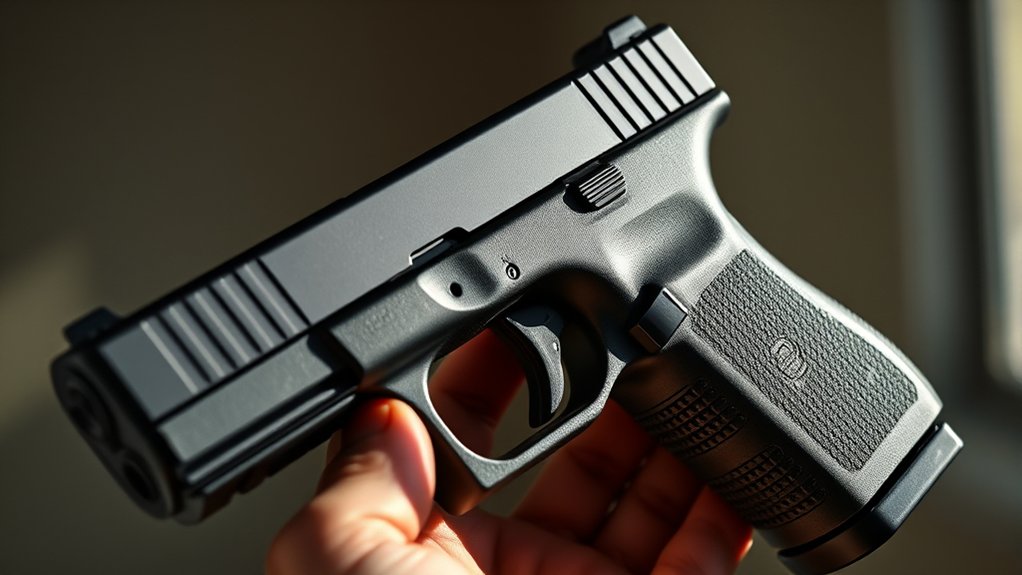
Although many pistols require manual safeties, the GLOCK Safe Action System relies on three independent, automatic safeties: trigger safety, firing pin safety, and drop safety. These safeties engage and disengage in sequence during the trigger pull.
This design means you benefit from a fire control system that’s always working to keep you safe without any manual intervention. The trigger safety blocks trigger movement until you deliberately press it.
Meanwhile, the firing pin safety prevents the firing pin from moving forward unless you pull the trigger. The drop safety kicks in if the pistol is dropped or experiences a sudden impact, preventing accidental discharge.
All three safeties operate passively within the fire control mechanism, so they work without any extra effort from you. When you release the trigger, these safeties instantly reengage.
This system helps ensure your firearm stays safe during handling and remains ready to fire when you need it.
How the Trigger Safety Prevents Accidental Firing
Because the trigger safety includes a small lever inside the trigger itself, you have to fully press this lever to enable the trigger to move backward and fire the weapon.
The trigger safety requires full pressure on a small internal lever to allow firing.
This safety feature prevents accidental discharges by requiring deliberate pressure on both the safety lever and the trigger.
If you don’t fully engage the trigger safety, the trigger stays locked and won’t fire.
It’s designed to make sure the firearm only goes off when you intentionally press both parts at the same time.
This way, unintentional shootings are less likely to happen.
How the Firing Pin Safety Keeps Your GLOCK Safe
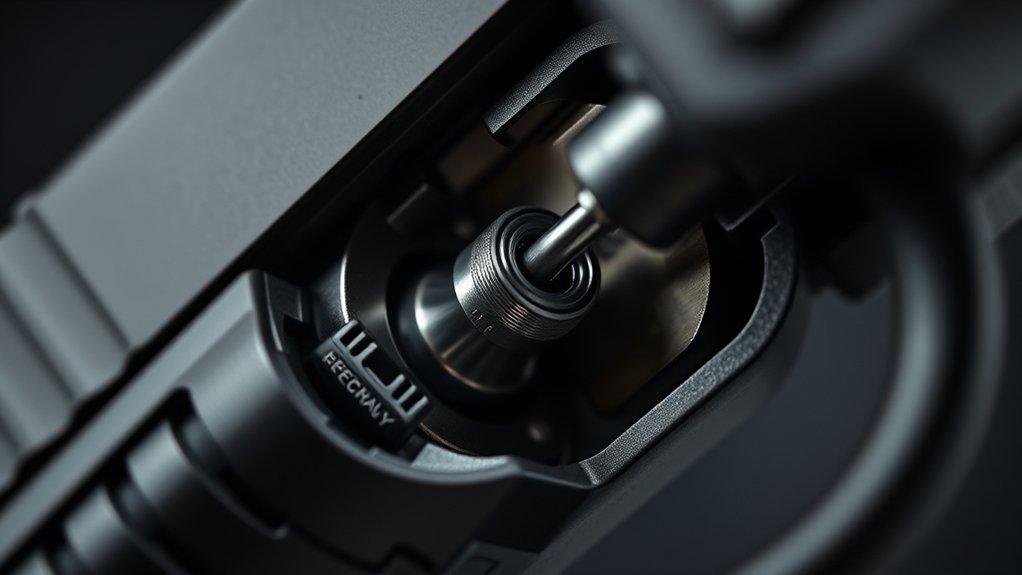
You know, the firing pin safety is what keeps your GLOCK safe by mechanically blocking the firing pin from moving forward—unless you intentionally pull the trigger.
So, when you’re ready to fire, and you press that trigger, the trigger bar pushes the firing pin safety upward. That’s what allows the firing pin to strike the primer and fire the round.
And here’s the cool part: this interaction makes sure the firing pin stays securely blocked during impacts, so it won’t accidentally go off if you drop or bump the gun.
Plus, once you release the trigger, the safety automatically re-engages, keeping everything safe and secure.
Firing Pin Safety Mechanism
How does the firing pin safety mechanism keep your GLOCK secure? The firing pin safety is a mechanical block that stops the firing pin from moving forward unless you intentionally pull the trigger.
When you pull the trigger, the trigger bar pushes the firing pin safety upward. This movement allows the firing pin to strike the primer and fire the round.
Once you release the trigger, the firing pin safety automatically re-engages. It blocks the firing pin again, ensuring it can’t move forward accidentally.
This automatic safety system works together with the trigger safety. Together, they prevent accidental discharges caused by shocks or drops, making your GLOCK a reliable passive safety system.
Here’s a quick overview of the components involved:
| Component | Function | Interaction with Trigger |
|---|---|---|
| Firing Pin Safety | Blocks firing pin movement | Disengaged by trigger bar |
| Trigger Bar | Pushes firing pin safety | Activated by trigger pull |
| Trigger Safety | Prevents accidental trigger movement | Engaged until you pull the trigger |
| Firing Pin | Strikes primer to fire the round | Only free when safety is disengaged |
| Automatic Safety | Re-engages safety when you release the trigger | Keeps the firing pin blocked |
This setup helps keep your GLOCK secure and ready without accidental discharges.
Trigger Bar Interaction
What guarantees your GLOCK fires only when you want it to? It’s all about the trigger bar and firing pin safety working together.
This safety mechanism keeps the firing pin blocked until you deliberately pull the trigger.
Here’s how it works:
When you start to pull the trigger, the trigger bar pushes the firing pin safety up.
This movement disengages the safety, letting the firing pin move forward and strike the primer.
Once you let go of the trigger, the trigger bar moves back and automatically re-engages the firing pin safety.
This keeps the firing pin blocked again, preventing accidental discharges.
It’s a mechanical, automatic safety system that makes sure the firing pin only moves during a purposeful trigger pull.
This design helps keep your GLOCK reliable and safe to operate.
How the Drop Safety Protects Against Unintentional Discharges
You know, the Glock’s drop safety is pretty clever. It’s designed to stop slam fires by making sure the firing pin doesn’t move forward if the gun gets dropped or jostled around.
So, when you’re just carrying it around, this safety kicks in automatically—no need to do anything special.
It only allows the firing pin to go forward when you actually pull the trigger. That means, if you accidentally drop the gun, the safety prevents an unintentional discharge.
It’s all about giving you that extra layer of confidence and security while handling your firearm.
Understanding this helps you appreciate how the Glock is built with safety in mind, even in unexpected situations.
Drop Safety Mechanism
Why doesn’t a Glock fire when dropped? The drop safety mechanism is the key. It prevents the firing pin from moving forward unless you intentionally pull the trigger. This significantly reduces the risk of accidental discharge.
The safety works automatically and passively—no manual activation needed. Here’s how it functions:
The trigger bar interlocks with a tab on the rear of the firing pin. This blocks the firing pin from moving forward.
When you pull the trigger, the trigger bar disengages. That allows the firing pin to strike the primer and fire the gun.
If the gun is impacted or falls, the drop safety stays engaged. It stops the firing pin from releasing unintentionally.
This integrated drop safety, along with other safety features, helps keep your Glock secure. It prevents accidental discharges from drops or sudden impacts.
Preventing Slam Fires
How does the Glock’s drop safety prevent slam fires during accidental impacts? The drop safety locks the firing pin in place, making sure it can’t move forward unless you intentionally pull the trigger.
This mechanism connects the firing pin with the trigger bar, which only disengages when you pull the trigger deliberately. So, if your Glock gets dropped or is handled roughly, the drop safety keeps the firing pin from striking the primer accidentally.
It’s also complemented by the trigger safety, which prevents the trigger from moving unless you press it properly with your finger.
Once you release the trigger, the drop safety automatically re-engages.
This design helps prevent unintentional discharges caused by impact or mishandling. Overall, it’s a smart setup that greatly reduces the risk of slam fires and keeps your Glock safe during accidents.
GLOCK Firing Sequence and Trigger Reset Explained
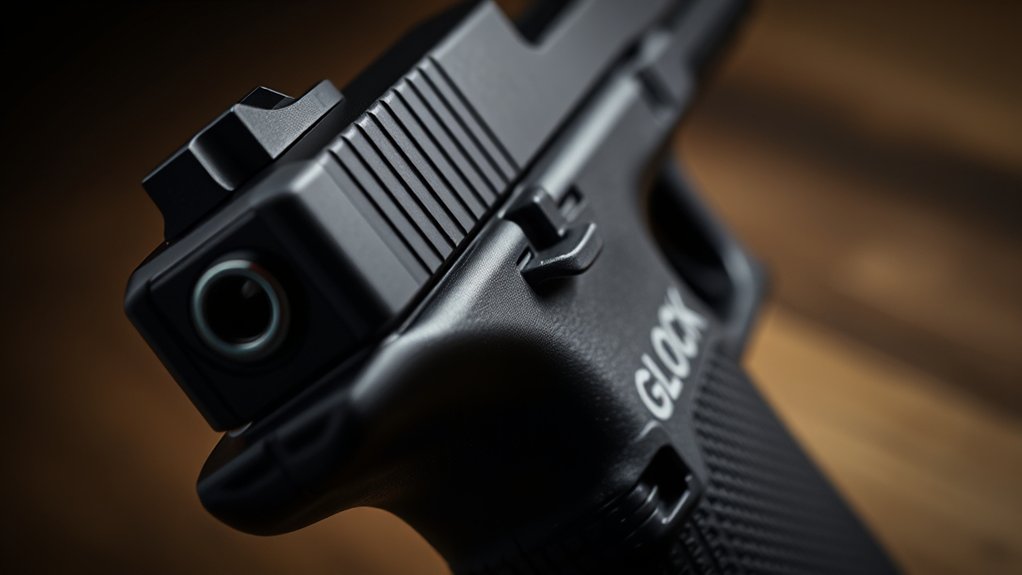
Although the firing sequence in a GLOCK might seem simple, it actually involves a precise process. Several safeties need to disengage in order to fire the gun. These include the trigger safety, firing pin safety, and drop safety.
When you pull the trigger, these safeties disengage in a specific order. This allows the gun to fire without sacrificing safety.
The trigger reset mechanism is also important. It lets you push the trigger forward slightly after firing. This re-engages the safeties without fully releasing the trigger. It helps ensure safety during rapid firing. Plus, it makes quick follow-up shots easier.
The firing process and trigger reset involve a few key steps. First, the trigger safety disengages as you pull the trigger. Then, the firing pin safety and drop safety release one after the other.
Finally, as you let the trigger go forward, all safeties automatically re-engage. This design keeps the gun safe while still offering good performance. It’s a seamless balance of safety and efficiency.
How Glock’s Safe Action Differs From Traditional Safeties
When you handle a Glock, you’ll notice its Safe Action System operates automatically. Unlike traditional safeties that require you to manually engage or disengage them, Glock’s system works seamlessly in the background.
Glock eliminates the need for a manual safety by incorporating three passive internal safeties, including a trigger safety. These safeties disengage sequentially as you pull the trigger.
Instead of external levers or switches, the Safe Action keeps the firearm secure until you intentionally fire it. This design ensures a consistent trigger pull and helps improve operational speed.
It also reduces the risk of user error because you don’t have to remember to flip a safety on or off. The internal safeties activate and deactivate based solely on trigger movement.
This setup streamlines readiness without compromising safety, making Glock firearms both user-friendly and reliable.
Safe Action Features in Popular GLOCK Models: G43X and G19 Gen5
Because the Glock G43X and G19 Gen5 share the Safe Action System, you get three automatic safeties working together seamlessly. These safeties include the trigger safety, firing pin safety, and drop safety. They all work independently but help keep your pistol safe and ready.
This system makes sure both pistols are safe to carry without manual safeties. You can trust them to be reliable and quick to get into action when you need them.
Here’s a quick look at the key features:
- Trigger Safety: Stops the trigger from moving unless you deliberately press it. This helps prevent accidental discharges.
- Firing Pin Safety: Keeps the firing pin from moving forward unless you pull the trigger. It adds an extra layer of security against unintentional firing.
- Drop Safety: Prevents the firing pin from moving if you drop the pistol. It’s designed to keep you safe during handling and carry.
The G43X’s slimline design and the G19 Gen5’s enhancements, like the Marksman barrel, keep these safety features intact. They give you consistent safety performance across both models, so you know you’re covered.
Frequently Asked Questions
Can a Glock Be Safely Carried With a Round in the Chamber?
Yes, you can safely carry a Glock with a round in the chamber thanks to its trigger safety mechanisms. These safety features help prevent accidental discharges and give you peace of mind.
Make sure your holster is compatible and provides secure retention. It should allow for a quick draw without risking an accidental discharge.
Consider the magazine capacity too, especially for concealed carry. Having enough rounds on hand means less need for reloads in a pinch.
Follow some basic concealed carry tips like practicing regularly and maintaining a proper grip. This helps maximize your safety and confidence.
Glock’s safety features are designed to give you peace of mind. They support both readiness and accident prevention during everyday carry.
How Often Should Glock Safety Mechanisms Be Inspected or Maintained?
Don’t let your Glock’s safety features take a backseat. Inspect them at least every 1,000 rounds or monthly, whichever comes first.
Pay close attention to trigger sensitivity and the firing pin’s movement. While Glocks lack a manual safety or traditional grip safety, their internal safeties need regular checks.
Make sure they engage and disengage flawlessly. Always clean and verify these components to keep your firearm reliable.
This way, you can enjoy peace of mind every time you shoot.
Does the Safe Action System Affect Glock’s Trigger Pull Weight?
No, the Safe Action System doesn’t affect your Glock’s trigger pull weight. It keeps the trigger sensitivity consistent by automatically disengaging safeties without adding extra steps or complexity.
This design ensures smooth handling and reliable performance. You get a steady 5.5-pound pull every time you shoot.
You won’t notice any extra resistance or inconsistency. That helps you stay accurate and confident while operating the firearm safely and effectively.
Are Aftermarket Safety Devices Recommended for Glock Pistols?
You shouldn’t rely on aftermarket safety devices for your Glock pistols. These can interfere with trigger safety features and compromise holster compatibility.
That can affect your firearm’s reliability, especially when you need it most. For concealed carry, it’s best to trust Glock’s built-in Safe Action system.
Focus on proper training instead. Adding external safeties might complicate your draw and increase your training requirements.
Plus, they don’t necessarily make your firearm safer. Sticking with factory components helps guarantee peak performance and legal compliance.
Can the Safe Action System Prevent Accidental Firing if the Gun Is Dropped?
Yes, the Safe Action System can prevent accidental firing if the gun is dropped. Its drop safety mechanism and mechanical safety features work together to block the firing pin unless the trigger is deliberately pulled.
The trigger sensitivity is calibrated to ensure that it only activates intentionally. These safeties automatically re-engage after impact, so the gun remains safe even if dropped.
That said, it’s always a good idea to have proper safety training. Handling firearms responsibly and understanding their safety features can really help minimize risks.
Conclusion
You might think a Glock is just a trigger pull away from chaos, but its Safe Action System is a fortress of safety. With trigger, firing pin, and drop safeties working in perfect harmony, accidental discharges are nearly impossible.
You’re not just holding a pistol; you’re wielding engineering precision that redefines firearm safety. Understanding this system means you’re not just safer—you’re Glock-safe.
You’re equipped with cutting-edge protection on every shot. It’s like having a safety net built right into the gun itself, making sure you’re protected at every step.