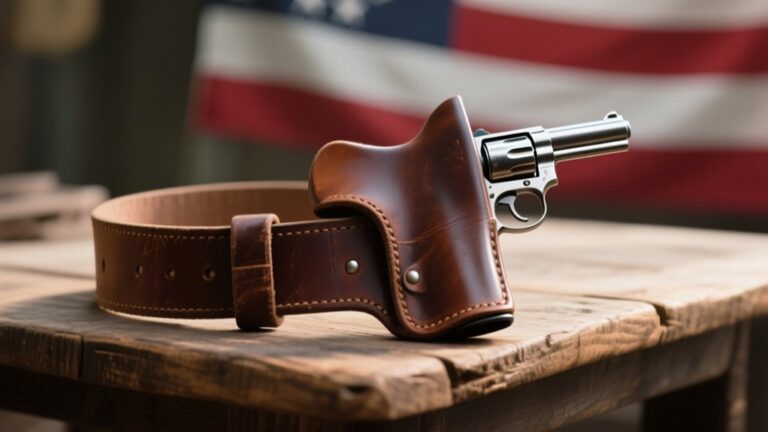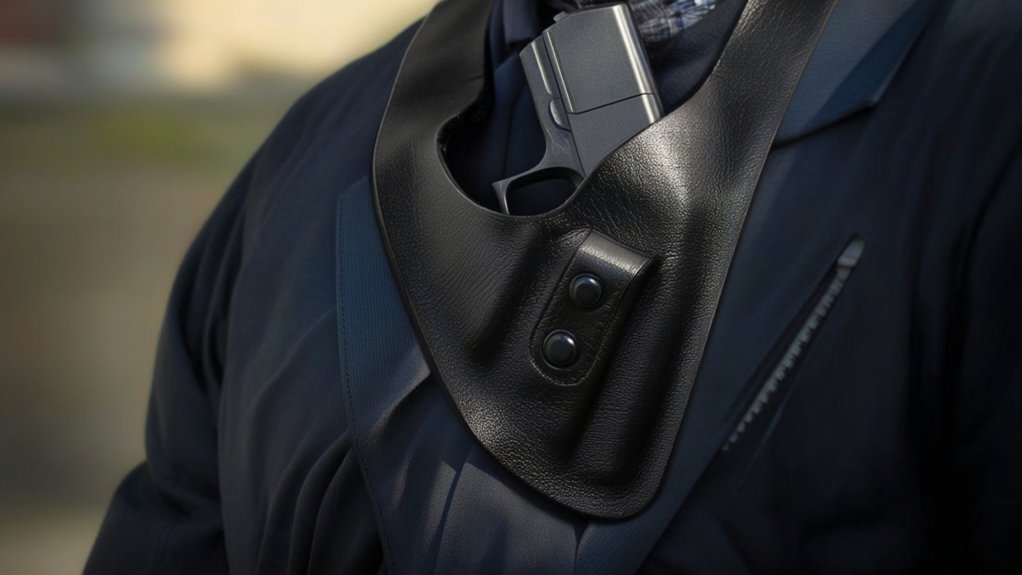
Is A Shoulder Holster Good For Concealed Carry – Pros And Cons Explained
A shoulder holster is a solid choice for concealed carry if you need to comfortably carry a larger firearm or distribute weight evenly, especially under jackets or layered clothing. It offers discreet, ergonomic access but often requires proper adjustment and thorough training to avoid slower draws and potential printing issues.
It’s not always the best for quick draws in tight spaces, but it really shines when it comes to comfort and concealment for extended wear. Getting familiar with its pros, cons, and best practices will definitely help you understand if it’s the right option for you.
What Is a Shoulder Holster?
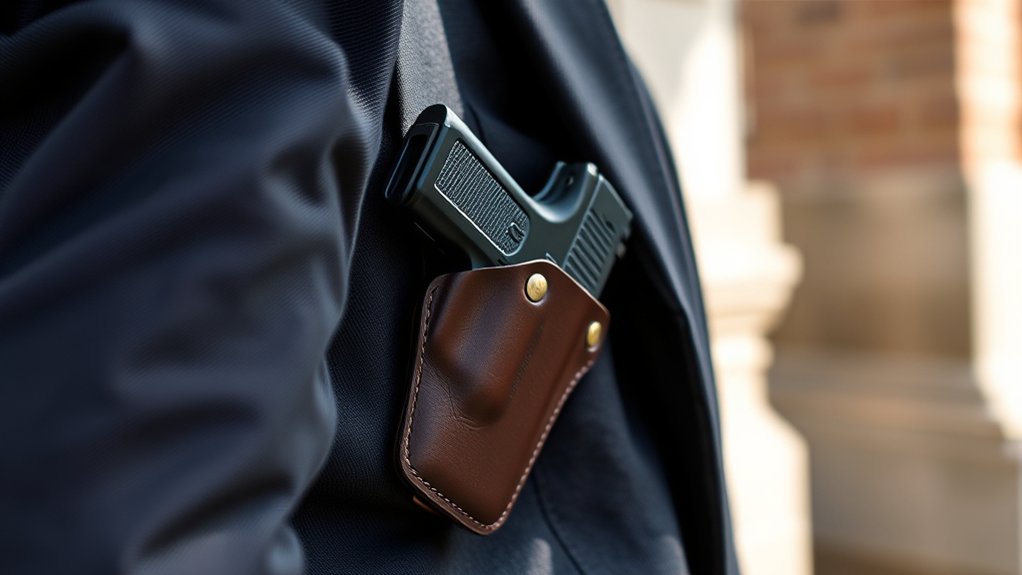
A shoulder holster is a carry system featuring two straps worn over the shoulders, designed to support a firearm on either side of your body. This holster system positions the weapon high on your chest or back, enabling concealed carry under loose clothing or jackets for discreet carry.
The firearm rests at an angle that aligns with your body’s natural contours, optimizing concealment and comfort.
Shoulder holsters accommodate larger firearms that may be impractical in pockets or belt rigs, expanding your carry options. They also provide quick access by allowing you to draw the weapon upward or to the side, especially if you’re experienced.
When precision, comfort, and discreet carry are priorities, a shoulder holster offers a reliable and effective concealed carry solution. It’s a smart choice for anyone looking to carry comfortably without sacrificing accessibility.
When to Choose a Shoulder Holster
When traditional belt holsters prove impractical, such as with formal attire or multiple layers, a shoulder holster offers a superior alternative for concealed carry. You’ll find shoulder holsters excel at discreet carry under jackets, vests, or sweaters. They maintain effective concealment without sacrificing quick access.
They provide a comfortable fit by distributing the firearm’s weight evenly across your shoulders. This is especially beneficial if you spend extended periods seated or driving. Shoulder holsters are also ideal for carrying larger or heavier firearms that belt holsters struggle to accommodate comfortably.
In professional settings requiring both discretion and readiness, such as law enforcement or security, shoulder holsters ensure you maintain a low profile while retaining operational efficiency. Choosing shoulder holsters aligns with specific concealment and comfort needs that traditional rigs can’t always meet.
Types of Shoulder Holsters and How to Wear Them
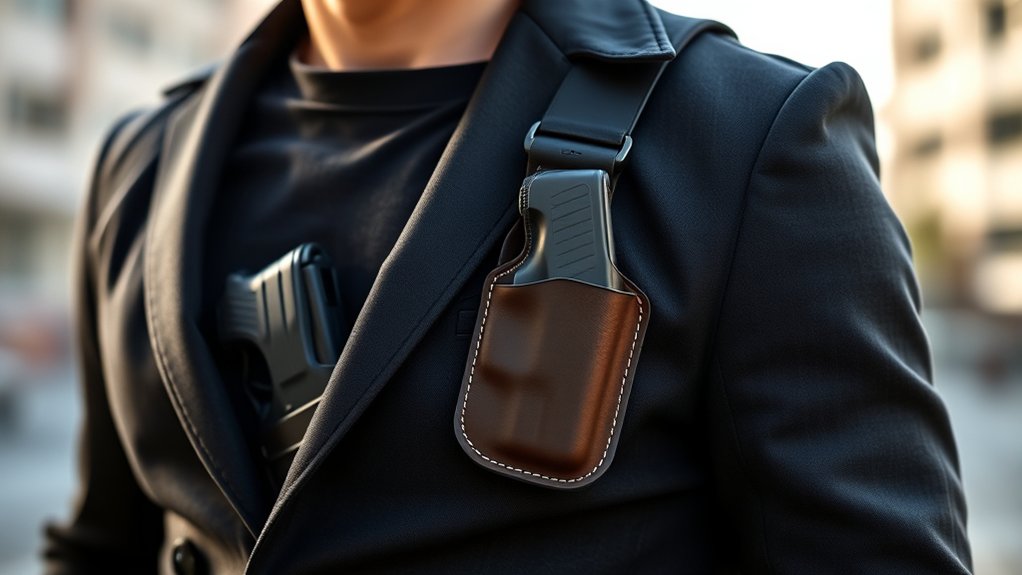
Although shoulder holsters vary in design, they primarily fall into two categories: horizontal and vertical. A horizontal shoulder holster positions the firearm parallel to the ground, favored by experienced officers for quick, natural draws.
Shoulder holsters come in two main types: horizontal for quick draws and vertical for versatile concealment.
In contrast, a vertical shoulder holster holds the gun perpendicular to the ground, offering versatility for different postures and concealment needs.
To wear a shoulder holster correctly, you must adjust the straps to achieve a balanced fit, similar to a backpack, with the holster positioned under your non-dominant arm.
Mount the holster high on the shoulder to minimize printing and flagging. Proper fit and adjustment are critical for comfort, concealment, and safe draw.
It often takes some trial and error to tailor the shoulder holster precisely to your body type. But once you get it right, it can make a big difference in how comfortable and effective your carry method is.
Shoulder Holster Advantages
Mastering the fit and positioning of a shoulder holster sets the stage for appreciating its practical benefits. When you choose a shoulder holster for concealed carry, you gain enhanced comfort by distributing the firearm’s weight across your shoulders and back. This helps reduce fatigue during extended wear.
Accessibility improves markedly, especially when the holster is ergonomically angled for a swift draw. Plus, concealed carry becomes more discreet as larger handguns hide well under jackets or loose clothing.
- Distributes weight evenly, ensuring sustained comfort
- Enables quick and easy firearm access, optimizing readiness
- Conceals larger handguns effectively without bulkiness
This design also suits driving or seated positions, preventing interference with seat belts. That makes it a reliable option for tactical and everyday concealed carry.
Draw Techniques and Safety Tips

Since safe handling is paramount, you must keep the muzzle pointed in a safe direction, typically toward the ground, throughout your entire draw.
Always keep the muzzle pointed safely, usually toward the ground, during your entire firearm draw.
Use a controlled, smooth knifing motion with your support hand to stabilize the firearm and prevent the muzzle from crossing your body or others.
Position yourself in a bladed stance to minimize unsafe muzzle travel when drawing from a horizontal shoulder rig.
Engage both hands—one to grip the firearm firmly, the other to support the back of your neck or shirt, maintaining muzzle control.
Practice your draw technique slowly and deliberately to develop muscle memory. This will help you improve both safety and efficiency.
Prioritizing these safety measures guarantees you execute your draw with precision, minimizing risk while maintaining readiness.
How Clothing Affects Shoulder Holster Concealment
You’ll find that layering loose outerwear, like jackets or overcoats, really helps with shoulder holster concealment. It works by masking the firearm’s outline, making it less noticeable.
The thickness and fit of your clothes play a big role too. If you’re wearing tighter or thinner materials, the holster is more likely to print or show through. But if you go for thicker, baggier fabrics, it does a better job at hiding it.
Also, where you position the holster matters a lot. Combining the right placement with suitable clothing ensures your firearm stays discreet, even as you move around during your day.
It’s all about finding that balance between fit, fabric, and holster placement to keep things under wraps.
Clothing Layering Impact
Although shoulder holsters offer a practical solution for concealed carry, your choice of clothing plays a critical role in maintaining effective concealment. Layered clothing considerably enhances concealment by using multiple covering garments to obscure the firearm and harness straps, reducing the risk of printing.
Conversely, tighter, form-fitting clothes compromise concealment by revealing the holster’s outline.
Positioning the holster at a high, concealed angle further reduces printing under layered garments.
Keep these factors in mind: loose, layered clothing improves concealment by masking firearm contours and harness straps. Covering garments must balance concealment with comfort and mobility.
Avoid tight clothing that accentuates printing and compromises your concealment strategy. Proper layering is essential to maximize your shoulder holster’s concealment effectiveness throughout daily activities.
Outerwear Concealment Options
When selecting outerwear for concealed carry with a shoulder holster, prioritize garments that effectively hide the firearm and harness without restricting movement. Loose, over-sized jackets or coats excel at concealment by hiding the holster behind multiple layers of clothing, preventing printing.
Avoid tight or form-fitting shirts, as they outline the firearm and reduce concealment effectiveness.
Opt for vests, sweatshirts, or outerwear made from thick, non-clinging materials to maintain a smooth silhouette. The shoulder holster’s angled position complements traditional outerwear, especially in cooler weather, enhancing concealment.
Proper clothing choices are essential because slim garments compromise concealment by revealing the firearm’s contours.
Integrating suitable outerwear with your shoulder holster ensures reliable concealment while maintaining mobility and comfort throughout the day. So, pick your clothes wisely to stay comfortable and keep your carry discreet.
Fabric Thickness Considerations
Selecting appropriate outerwear sets the foundation for effective shoulder holster concealment, but the fabric’s thickness and texture play an equally significant role.
Thicker fabrics help by masking the firearm’s outline. On the other hand, thin, clingy clothing can give you away by revealing the holster’s shape.
You’ll want to pick clothing that strikes a good balance between bulk and comfort. That way, you maximize concealment without sacrificing your mobility.
Consider these fabric thickness factors for ideal concealment:
- Heavy, stiff fabrics do a better job of hiding the holster’s outline than lightweight materials.
- Layered, loose clothing adds bulk, which helps minimize printing risks.
- Textured or patterned fabrics break up the holster silhouette and make it harder to spot.
Common Drawbacks and Limitations of Shoulder Holsters
Because shoulder holsters position the firearm horizontally under the arm, they come with several practical challenges that affect concealment, safety, and efficiency. Among concealed carry options, shoulder rigs often require baggier clothing to avoid printing, which can limit your wardrobe choices. The horizontal draw can feel awkward and slower, increasing the risk of muzzle awareness issues.
Reloading and access in close quarters also prove less efficient. Plus, many ranges prohibit shoulder holsters due to safety concerns.
| Challenge | Impact | Reason |
|---|---|---|
| Printing | Reduced concealment | Horizontal position under arm |
| Awkward draw | Slower, riskier | Cross-body reach required |
| Safety limitations | Restricted use at ranges | Muzzle points at support side |
Because of these limitations, shoulder holsters may be less practical for some concealed carry situations.
How to Choose a Quality Shoulder Holster for Comfort and Safety
Although shoulder holsters offer unique concealment advantages, choosing one that prioritizes comfort and safety requires careful attention to materials, fit, and retention features. You should select a shoulder holster constructed from durable materials like leather or Kydex to ensure longevity and reliable retention.
Adjustable straps are essential for customizing the fit to your body and clothing, enhancing both security and comfort.
Furthermore, incorporating a retention device is critical to prevent accidental discharges and maintain safe carry.
Prioritize ergonomic design elements that allow a smooth draw while maintaining concealment.
- High-quality materials for durability and retention
- Adjustable straps for a tailored, secure fit
- Retention device to ensure safety and prevent accidental discharges
These factors collectively optimize comfort and safety in your shoulder holster choice.
Why Proper Training Matters for Shoulder Holster Use
When you use a shoulder holster, proper training guarantees you develop the correct draw technique. This is essential for maintaining muzzle discipline and minimizing safety risks.
Proper training also shows you how to adjust and wear the holster for ideal concealment, comfort, and rapid access.
It makes sure you follow strict safety protocols, which considerably reduces negligent discharges or firearm mishandling during daily use.
Skilled instruction helps you avoid accidental disarmament or dropping the weapon during movement. This enhances your overall control.
Consistent practice under expert supervision builds muscle memory. That means you can handle your firearm safely and efficiently, even under stress.
Without proper training, you risk compromising both safety and effectiveness.
Shoulder Holsters vs Waistband Holsters: Which Is Better for You?
Choosing between shoulder holsters and waistband holsters depends largely on your specific needs and circumstances.
A shoulder holster distributes weight across your shoulders and back, which can make it more comfortable during extended wear and when you’re seated or driving.
On the other hand, waistband holsters are great for concealment and quicker draw speeds because they sit closer to your body. This is especially true if you’re carrying a small to medium firearm.
Your choice really comes down to factors like the size of your firearm, your clothing style, and whether you value comfort more or rapid access.
Shoulder holsters tend to suit larger firearms better and work well under restrictive clothing.
Waistband holsters, meanwhile, offer superior concealment and faster draw speeds.
If you’re wearing your holster for a long time or driving a lot, comfort with a shoulder holster might be the way to go.
Take some time to think about these points to figure out which holster type fits your concealed carry needs best.
Top Shoulder Holster Brands and Models to Consider
Understanding the differences in comfort, concealment, and firearm compatibility naturally leads to evaluating the top shoulder holster brands and models available. You’ll find reputable brands like Galco, Blackhawk, and Safariland offering shoulder holsters engineered for durability and secure retention.
Galco’s Jackass Rig and VHS models stand out for professional-grade comfort and customization.
Top brands provide diverse model options including leather, nylon, and Kydex, letting you prioritize durability, comfort, or noise reduction for concealed carry.
Many high-end models incorporate modular systems with adjustable carry angles, magazine pouches, and tailored firearm fits.
These brands emphasize ergonomic design and safety, ensuring their holsters perform reliably across varied concealed carry scenarios.
Choosing from these options guarantees a balance of function and comfort tailored to your specific needs.
Frequently Asked Questions
Can Shoulder Holsters Be Worn Comfortably Under Heavy Jackets?
Yes, you can wear shoulder holsters comfortably under heavy jackets, as long as you adjust the fit properly. The design keeps the firearm close to your body, which helps minimize bulk and printing beneath your layers. Heavy outerwear does a good job of concealing the holster’s outline.
Just keep in mind that if the jacket is too thick, it might slow down your draw a bit. It’s a good idea to fine-tune the holster’s angle and position. This way, you ensure it stays secure and gives you quick access when you need it.
Balancing comfort with functionality is key for concealed carry, especially when wearing heavier jackets. So, take some time to find the right setup that works for you.
Are Shoulder Holsters Compatible With Left-Handed Shooters?
They say, “variety is the spice of life,” and that applies here. Yes, shoulder holsters are compatible with left-handed shooters.
Many models feature adjustable or reversible straps, allowing you to wear the holster on your right side for a natural cross-body draw.
Some brands even offer dedicated left-handed versions, ensuring perfect fit and quick access.
How Do Shoulder Holsters Affect Posture Over Long Periods?
Wearing a shoulder holster for long periods can strain your shoulders and neck due to uneven weight distribution. It often causes postural imbalances like rounded shoulders or spinal misalignment if you wear it on one side consistently or without a proper fit.
To protect your posture, you should adjust the holster regularly, alternate sides, and guarantee ergonomic fitting.
Managing firearm weight and taking breaks also help prevent muscle tension and maintain alignment.
Can Shoulder Holsters Accommodate Extra Magazines or Accessories?
Like a well-organized backpack, shoulder holsters can hold extra magazines and accessories efficiently. You’ll find many models with dual magazine pouches built in for quick reloads, plus modular compartments for tools or flashlights.
These compartments help spread the weight evenly across your shoulders, making it more comfortable to wear for longer periods. They’re designed for easy reach under loose clothing, so you can stay concealed while having your essential gear ready.
This way, you don’t have to sacrifice mobility or readiness. It’s all about keeping what you need accessible without the hassle.
What Maintenance Is Required to Keep Shoulder Holsters in Good Condition?
You need to clean leather shoulder holsters regularly with a damp cloth and apply leather conditioner to prevent drying and cracking.
For nylon or synthetic types, wash them using mild soap and water per manufacturer instructions, then air dry thoroughly.
Make sure to inspect retention straps, stitching, and hardware frequently for wear or damage. Replace parts as necessary to keep everything working smoothly.
Always store holsters in a cool, dry place away from sunlight. Avoid extreme temperatures and chemicals to preserve the material’s integrity.
Taking these simple steps will help your holster last longer and stay in great shape.
Conclusion
Choosing a shoulder holster for concealed carry really comes down to your lifestyle and comfort. Like a knight putting on armor, you want gear that protects you without holding you back. Shoulder holsters do a great job with concealment and balance.
But keep in mind, they need proper training and good craftsmanship to work well. It’s smart to compare their pros and cons carefully with waistband holsters. Safety should always be your top priority, so getting expert advice helps a lot.
In the end, your choice should mix practicality with readiness. You want a holster that’s as reliable as a trusty steed by your side.