Does A Concealed Carry Permit Work In Other States – Reciprocity Explained
Your concealed carry permit only works in other states if those states recognize it through specific reciprocity agreements. These agreements can vary a lot and usually come with important restrictions.
Recognition depends on things like your permit’s validity, your residency, your age, and the destination state’s laws. If you don’t follow these rules, you could face fines or even arrest. So, it’s really important to check each state’s regulations before you travel.
Knowing how permits are honored and what limits apply is key. This way, you can carry legally and confidently when crossing state lines.
What Is Concealed Carry Reciprocity?
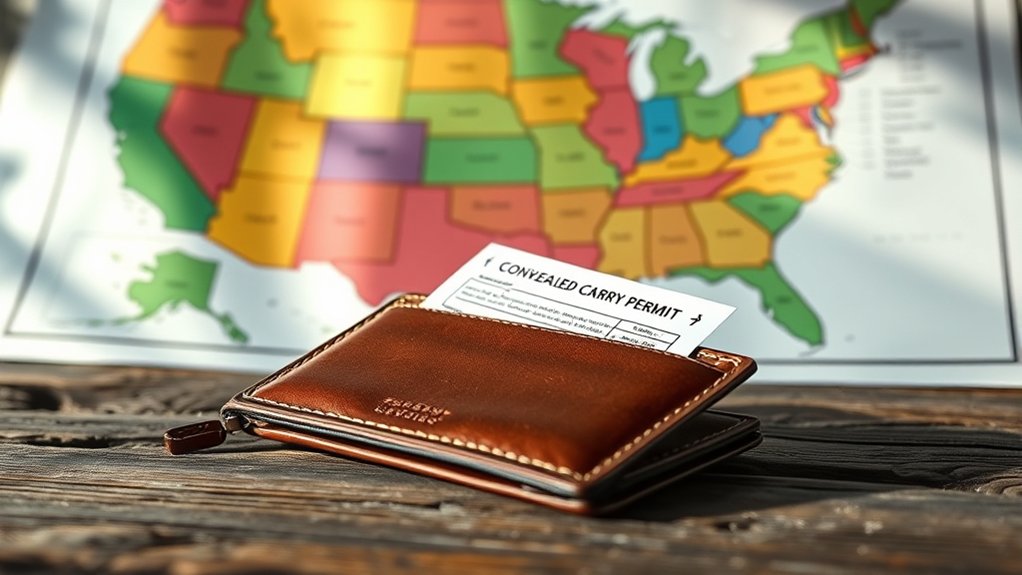
What does concealed carry reciprocity mean for you as a permit holder? Concealed carry reciprocity allows states to recognize your valid license issued elsewhere. This lets you carry a concealed weapon legally across state lines.
However, not all states recognize permits equally. Some have full reciprocity agreements, while others accept licenses only from specific states or none at all. These arrangements come from formal agreements or statutes, not automatic acceptance.
Even if your permit is recognized, you still must follow the concealed carry laws of the state you’re in. Since recognition rules can change due to new laws or court rulings, it’s really important to stay updated.
Understanding concealed carry reciprocity helps you carry legally and responsibly wherever you travel.
Who Qualifies for Concealed Carry Reciprocity?
To qualify for concealed carry reciprocity, you need to be a resident who’s 21 or older and hold a valid license from your home state.
Most states will recognize licenses that meet their specific requirements, like completing training and passing background checks.
Just remember, eligibility usually depends on formal agreements between states and the kind of permit you have.
Eligibility Criteria Overview
Although concealed carry reciprocity varies widely, you generally qualify only if you’re a state resident at least 21 years old holding a valid license from your home state. Reciprocity typically excludes licenses issued to non-residents or minors under 21.
States may recognize your license through formal agreements, statutes, or proclamations, but this isn’t universal.
Some states require specific license types that include mandatory training or background checks for reciprocity eligibility. If your state issues multiple license variants, only certain ones might qualify for recognition elsewhere.
Understanding these criteria is vital to make sure your valid license will be honored when carrying concealed in another state.
Always verify reciprocity rules before traveling to avoid legal complications. It’s better to be safe and informed than to face issues on the road.
Residency And Age Requirements
When do you qualify for concealed carry reciprocity? Typically, you need to be a resident of the state that issued your license and at least 21 years old.
States usually don’t recognize licenses issued to non-residents or minors under 21.
Reciprocity depends on both your home state and the other state agreeing to honor each other’s licenses.
Your license must be valid, current, and meet residency and age requirements to qualify.
Some states have extra rules, like requiring legal presence or a specific license type.
It’s important to understand these residency and age rules to make sure your concealed carry license is recognized when you travel.
Always check each state’s reciprocity rules to keep your carry privileges lawful across state lines.
Which States Recognize Your Concealed Carry Permit?
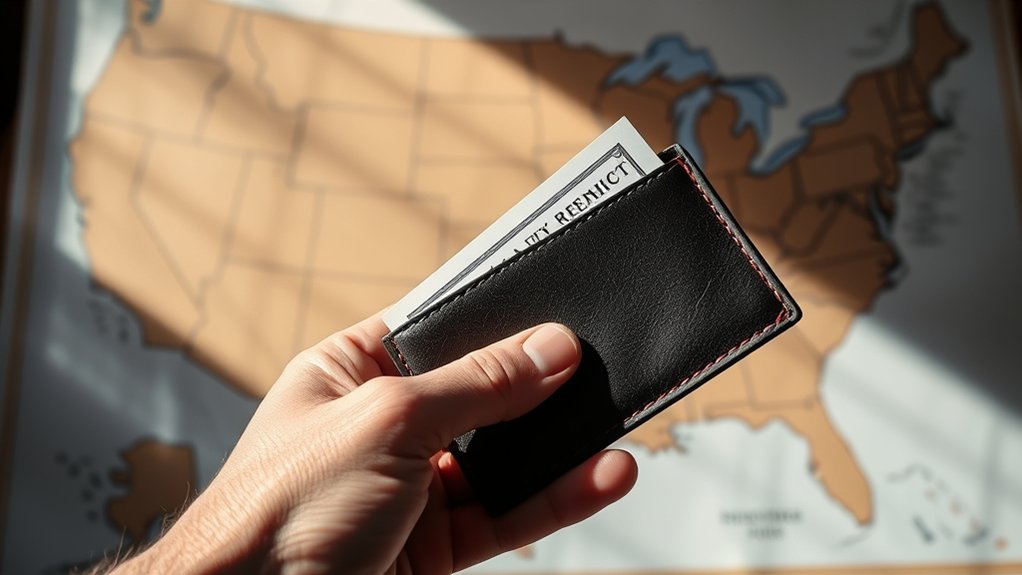
Which states will honor your concealed carry permit? Recognition varies by state laws and hinges on reciprocity agreements or statutory provisions. States like Alabama, Alaska, Arizona, and Arkansas fully recognize Pennsylvania concealed carry permits, allowing you to carry legally.
However, some states, including California and Maryland, recognize permits without granting carry rights to out-of-state holders. It’s crucial to note that non-resident or minor licenses typically lack recognition even where reciprocity exists.
Reciprocity can be mutual, unilateral, or based on specific statutes, influencing whether your permit is valid. Always understand that recognition depends on current agreements, which may change annually.
Knowing which states honor your concealed carry permit ensures you comply with varying state laws and avoid legal complications.
How Do I Verify Reciprocity Before Traveling?
Before you travel, it’s a good idea to check the official reciprocity agreements for the state you’re heading to. This way, you can make sure your permit is recognized there.
A quick visit to the state’s Department of Public Safety website usually has the most accurate and up-to-date information on license requirements.
And don’t forget to double-check whether your specific type of permit is accepted. It’ll help you avoid any legal headaches when you arrive.
Checking Official Reciprocity Agreements
How can you be sure your concealed carry permit is recognized in another state? Start by checking official state government websites that provide up-to-date reciprocity agreements and recognition laws. These sites often have maps or charts showing which states honor your permit.
Don’t rely only on third-party sources. Make sure to verify information through your state’s licensing agency or the authority that issued your permit for official confirmation.
Reciprocity agreements can change a lot, so it’s a good idea to regularly check these official resources before you travel.
Also, take a look at information from law enforcement or firearm advocacy groups that keep current reciprocity data.
Confirming State License Requirements
Although reciprocity agreements offer a general guideline, you need to verify your concealed carry permit’s recognition by the specific state you plan to visit. Check official state websites or contact licensing authorities to confirm your out-of-state permit meets their license requirements. Recognition often depends on permit type and state-specific restrictions.
Keep documentation handy, as some states require proof during compliance checks.
| Step | Purpose | Resource Type |
|---|---|---|
| Check official websites | Confirm current reciprocity agreements | State government portal |
| Verify license category | Ensure your permit type is acknowledged | Licensing authority |
| Contact law enforcement | Clarify restrictions or additional permits | Police or state agency |
| Review state laws | Understand location and usage limitations | State legal statutes |
| Keep documentation | Provide proof if requested | Permit and reciprocity documents |
What Are the Legal Risks If There Is No Reciprocity?

When your concealed carry permit isn’t recognized in another state, you face serious legal risks that can include fines, arrest, or even license suspension. Without reciprocity, you must follow that state’s concealed carry laws precisely, or you risk criminal charges.
Specifically, you can face criminal charges for carrying without license recognition, which may lead to arrest and fines. You could also violate strict local concealed carry laws, possibly resulting in license suspension or revocation.
On top of that, there are federal penalties if you unlawfully transport a firearm across state lines without proper authorization.
Failing to respect reciprocity agreements increases your chances of unknowingly breaching laws. That can damage your criminal record and affect future permit eligibility.
How Can I Apply for a Concealed Carry Permit in Another State?
If you want to carry concealed in another state, you’ll need to apply for that state’s permit by meeting its specific requirements. Each issuing state has its own age, residency, and training prerequisites. Typically, applicants need to be 21 or older and complete a firearms safety or training course approved by that state.
The application process usually involves submitting fingerprints, background checks, fees, and sometimes proof of residency or employment. Non-residents can often apply if they satisfy these criteria.
But keep in mind, your permit’s validity outside the issuing state depends on reciprocity agreements.
What Restrictions and Exceptions Should I Know?
Because reciprocity agreements vary widely, you must understand the specific restrictions and exceptions that affect where and how you can carry concealed. Not all concealed carry permits are treated equally across states, so knowing these nuances is essential.
Many states restrict carry in locations like government buildings, schools, and private property, regardless of reciprocity. Exceptions often exclude permits issued to non-residents, minors, or those granted for hunting or sporting purposes.
Some states require you to notify law enforcement when carrying concealed, adding another layer of compliance.
Additionally, age and residency requirements may limit permit recognition. To carry legally across state lines, you must carefully review each state’s concealed carry permit reciprocity, restrictions, and exceptions before you travel.
It’s worth taking the time to get familiar with these rules so you don’t run into trouble.
How Can I Stay Compliant When Carrying Concealed Across State Lines?
Understanding the specific restrictions and exceptions of concealed carry permits sets the foundation for carrying legally across state lines. To stay compliant, always verify reciprocity agreements and license recognition for each state you travel through, as concealed carry permit acceptance varies greatly.
Carry a valid, state-issued permit from your home state and make sure it meets the destination state’s recognition criteria.
Familiarize yourself with state laws on firearm storage, carry restrictions, and prohibited locations to avoid violations.
Keep your permit, training certificates, and ID accessible for verification by law enforcement.
Finally, stay updated on changes in reciprocity and state laws since recognition and regulations can shift frequently.
This vigilance ensures you carry responsibly and lawfully across jurisdictions.
How Do States Agree to Honor Each Other’s Permits?
When states agree to honor each other’s concealed carry permits, they do so through formal reciprocity agreements or mutual statutes that outline specific conditions for recognition. These agreements define how and when a state will recognize an out-of-state license.
You should understand the following key points:
- Reciprocity can be bilateral, where both states recognize each other’s permits, or unilateral, where only one state honors the other’s license.
- Agreements specify requirements such as age, residency, and the type of license held.
- Official reciprocity agreements are usually available on state government websites, helping you verify current recognition status.
Frequently Asked Questions
Can Reciprocity Agreements Change Without Notice?
Yes, reciprocity agreements can change without notice. States have the authority to amend or revoke these agreements through legislative or executive actions at any time.
Because they’re not obligated to inform you immediately, you can’t rely solely on prior knowledge.
You should regularly check official state websites or legal resources to stay updated.
Staying proactive helps guarantee you’re carrying legally when crossing state lines.
It’s always better to be safe than sorry!
Does Reciprocity Cover Open Carry Permits?
Imagine trying to use a subway card from New York on a San Francisco train. It usually won’t work.
Similarly, reciprocity rarely covers open carry permits.
While many states honor concealed carry permits from others, open carry permits face stricter rules and limited recognition.
You have to check each state’s laws carefully.
Most don’t treat open carry permits the same way.
This makes your permit’s validity outside your home state uncertain at best.
So, don’t assume your open carry permit will be accepted everywhere.
Always double-check before you travel.
Are Non-Resident Permits Honored Differently?
Yes, non-resident permits are honored differently depending on the state. You’ll find some states fully recognize them, while others only accept resident-issued permits or don’t honor non-resident permits at all.
It’s essential you check each state’s reciprocity rules since some states require you to get a state-specific permit before legally carrying there. Don’t assume your non-resident permit works everywhere. It often won’t.
How Do Military Personnel’s Permits Factor Into Reciprocity?
Think of your military concealed carry permit as a VIP pass at an airport. It often gets you through more gates than a regular ticket.
States frequently offer special reciprocity for active-duty or veteran military personnel, recognizing your permit even if they don’t honor civilian ones.
This means you can carry concealed in more states without extra permits. But always check local laws since each state’s rules vary.
It’s a good idea to stay updated so you know exactly where your permit is accepted.
What Happens if I Lose My Permit While Traveling?
If you lose your permit while traveling, report it to your issuing agency right away and ask for a replacement. Carrying without a valid permit can get you into legal trouble in the state you’re visiting.
Until your new permit arrives, keep proof of your replacement request with you. It’s a good idea to check local laws as well.
And if needed, notify local law enforcement to make sure you stay compliant.
That way, you can avoid any penalties during your trip and have peace of mind.
Conclusion
Understanding concealed carry reciprocity is essential when traveling between states. You can’t just assume your permit works everywhere. It’s not a one-size-fits-all situation like a musketeer’s sword. Always verify each state’s rules beforehand to avoid legal trouble.
If reciprocity doesn’t exist, consider applying for a separate permit. Staying informed and compliant protects your rights. It also guarantees responsible concealed carry across state lines. Knowledge and vigilance are your best allies in this complex landscape.