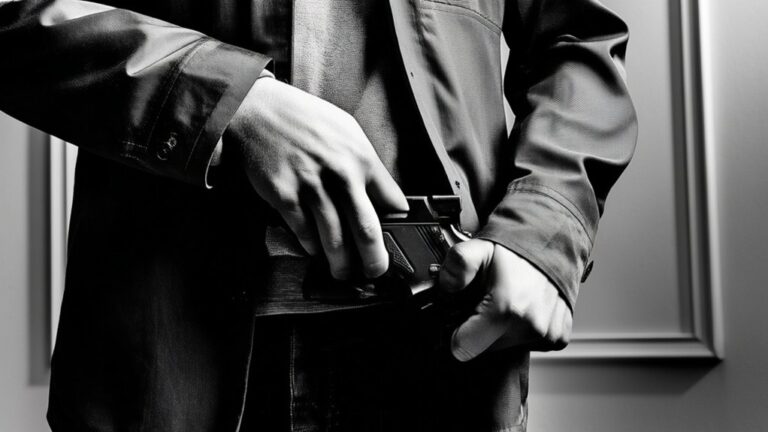
What Counts As Concealed Carry – Legal Definition And Examples
You count as carrying concealed when you keep a handgun hidden from public view, usually inside your clothing or a specialized holster, so it’s not visible or easily accessible. This typically involves pistols and excludes weapons like stun guns or machine guns.
Most places require permits and have specific rules about where and how you carry. Knowing the types of holsters and local laws is key to staying compliant and responsible.
Exploring these details can clarify your rights and options. It’s always a good idea to stay informed so you can carry safely and legally.
What Is Concealed Carry?
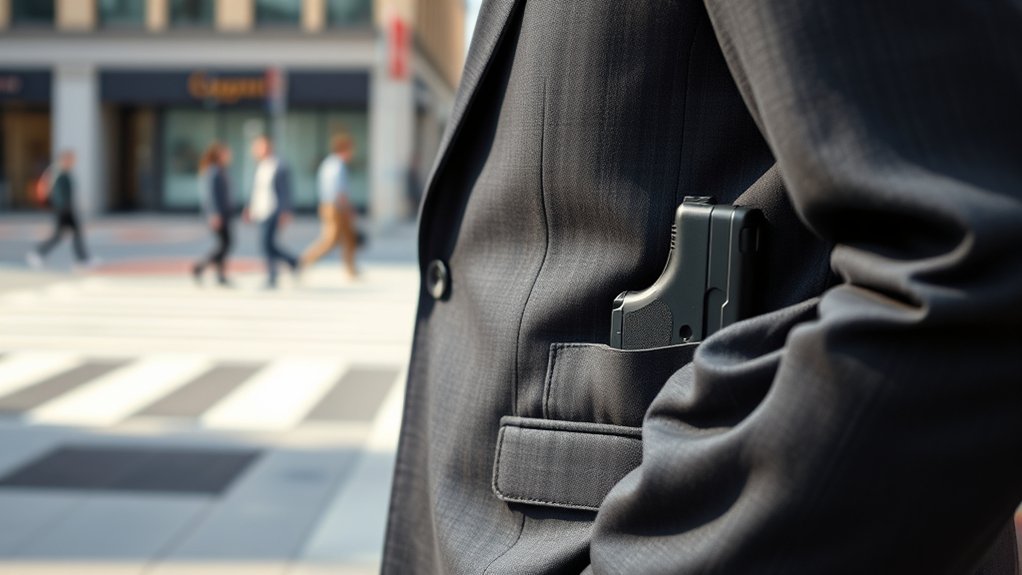
What exactly does concealed carry mean? Concealed carry refers to carrying a firearm in public in a way that hides it from view. Typically, you use a holster designed to keep your handgun out of sight, often worn inside your clothing or placed in a bag.
Concealed carry means carrying a firearm in public hidden from view, often using an inside-the-clothing holster or bag.
The law requires that the firearm remains invisible to others, whether on your person or inside a vehicle. Most jurisdictions focus on handguns, which can be carried loaded or unloaded, when defining concealed carry.
To legally carry concealed, you usually need the proper permits. Concealed carry laws differ from open carry, where the firearm must be visible.
Understanding these distinctions helps you comply with legal requirements while responsibly carrying your firearm in public.
What Firearms Are Considered Concealed Carry?
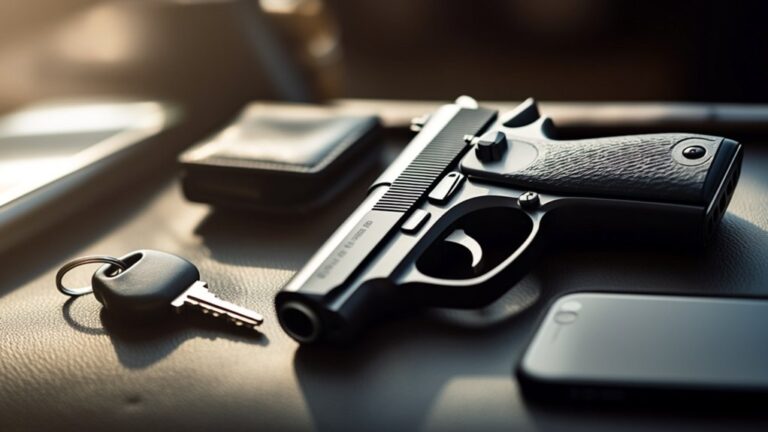
A concealed carry firearm typically refers to a handgun that you carry on or about your person, either loaded or unloaded, and keep mostly or completely hidden from public view. Handguns, including pistols, are the primary firearm types designed for one-handed use, making them the most common concealed carry firearms.
Firearm classification under relevant firearm laws generally excludes devices like stun guns, Tasers, machine guns, short-barreled rifles, and pneumatic or airguns with velocity limits.
Legal gun owners should understand that concealed carry pertains specifically to firearms designed to expel projectiles through explosive or gas expansion, aligning with handgun design principles.
Knowing which firearm types qualify as concealed carry firearms ensures compliance with firearm laws and helps you carry responsibly and legally.
Common Holsters and Methods for Concealed Carry
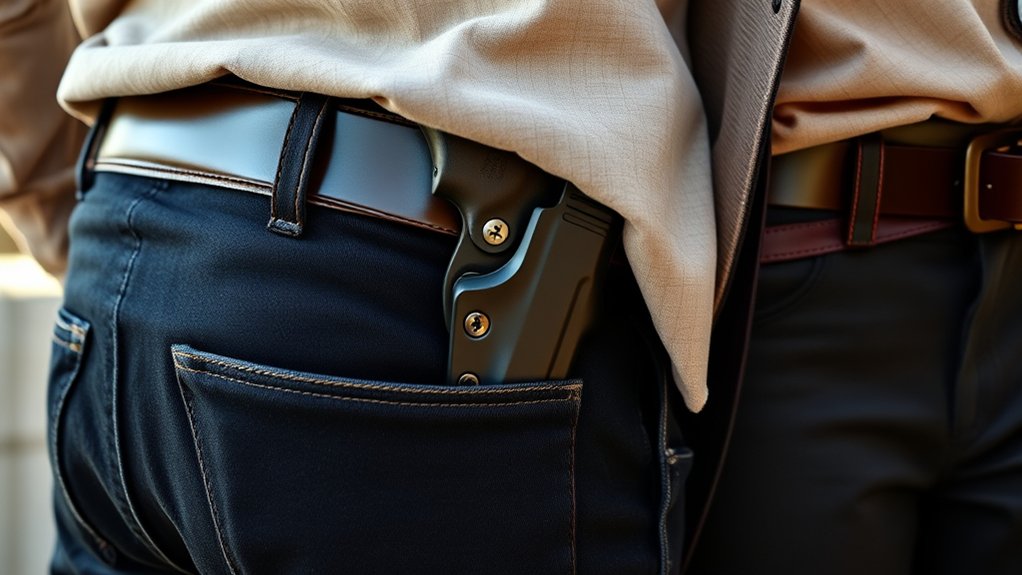
Understanding which firearms qualify for concealed carry is just one part of responsible firearm ownership. Equally important is selecting the right holsters and methods for discreet carry to guarantee effective clothing concealment and minimize print visibility.
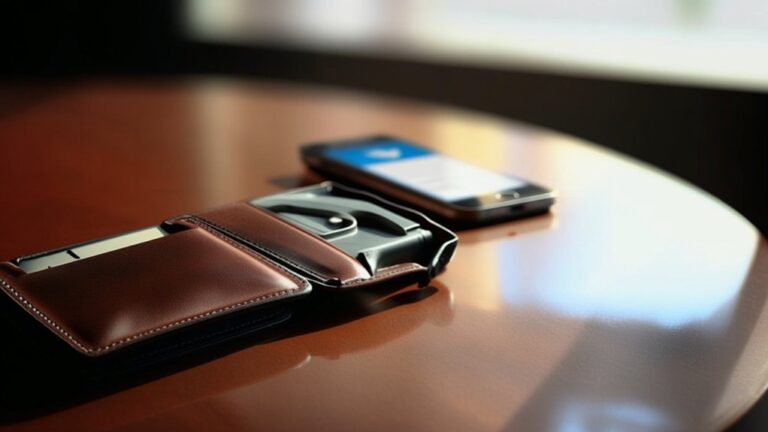
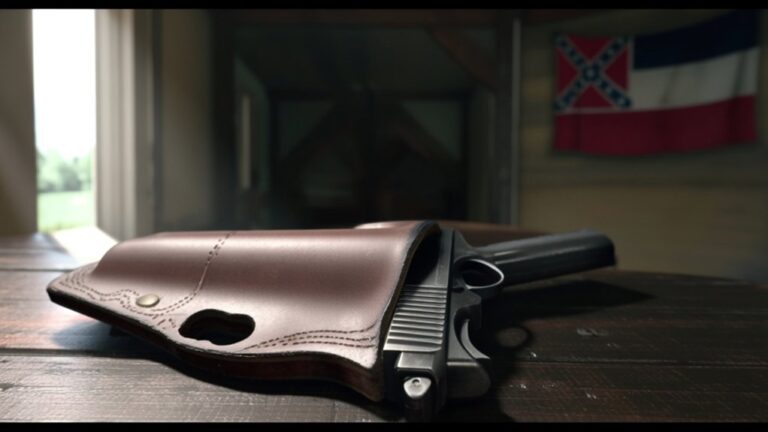
Common options include inside the waistband (IWB) holsters. These are the most popular choice and clip inside your pants for secure, discreet carry. Tucking a shirt over an IWB holster improves concealment.
Belly band holsters wrap around your waist or torso. They adapt well to different clothing styles, making them great for versatile concealment.
Ankle holsters position smaller firearms around your ankle. They’re ideal for tight clothing and discreet carry.
Shoulder holsters help distribute weight under a jacket or shirt.
Choosing the appropriate holster helps you carry responsibly and maintain effective concealed carry. It’s all about finding what works best for you and your lifestyle.
Licensing and Restrictions for Concealed Carry
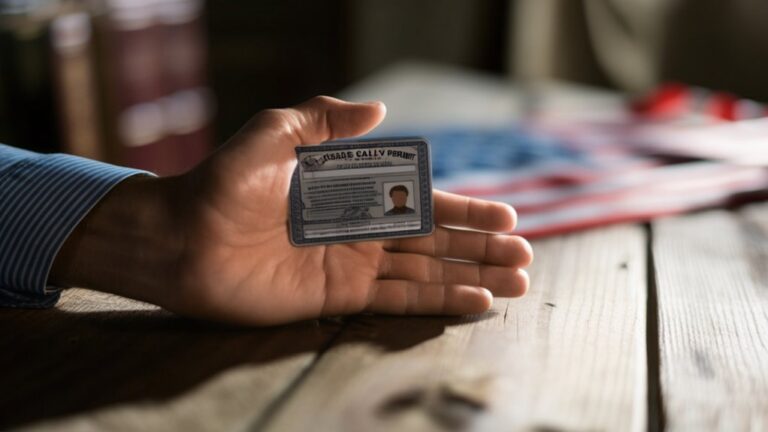
How do you legally carry a concealed firearm? You must first obtain concealed carry permits, which involve meeting licensing requirements set by state laws. These typically include a background check, safety training, and demonstrating good moral character.
Restrictions on firearm concealment often prohibit carrying in sensitive locations like schools, courthouses, and bars. Permits may specify allowable firearms, calibers, and conditions for concealment.
Some states require permit renewal and additional training to maintain compliance.
Keep in mind that restrictions and licensing requirements vary widely. For example, some states limit permits to certain counties or high-risk individuals.
Reciprocity between states differs, so carrying a concealed weapon across state lines often involves complex legal considerations.
Understanding these rules ensures responsible and lawful concealed carry. It’s always a good idea to stay informed about the laws in your area and any places you might travel to. That way, you’re confident you’re carrying legally and safely.
Concealed Carry Laws Around the World
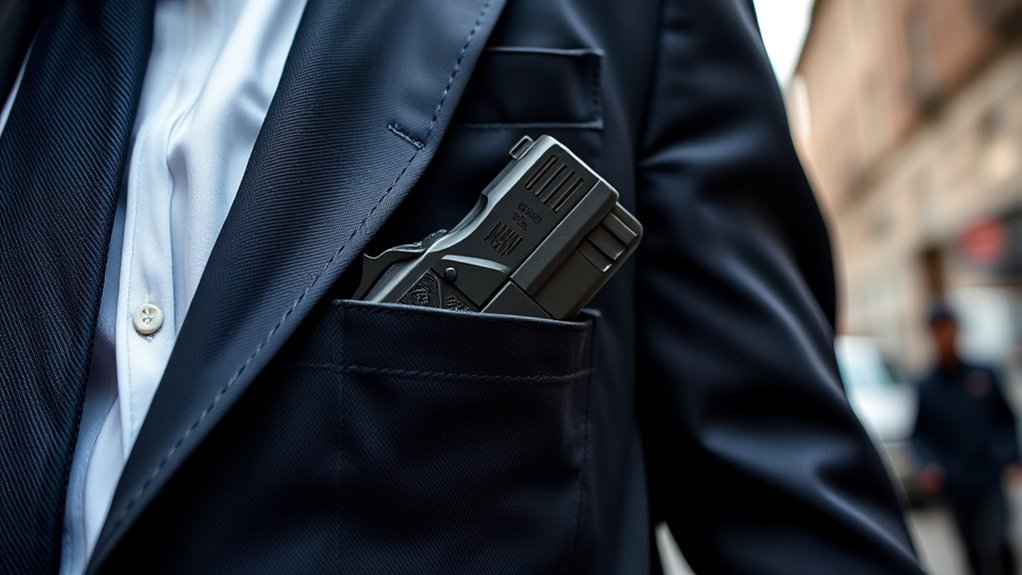
Where you can legally carry a concealed firearm depends greatly on the country you’re in. Concealed carry laws vary widely, shaped by each country’s legal definition and restrictions. Some permit permitless carry, while others require strict licensing.
For example, the United States allows permitless carry in some states, with firearms often carried in public spaces under regulated conditions. The United Kingdom prohibits concealed carry without lawful authority, reflecting tight restrictions on firearms.
Slovakia issues licenses for concealed carry on a may-issue basis, with only about 2% of the population licensed.
Countries like Canada and South Africa impose strict rules on concealed carry, often limiting it to registered firearms or law enforcement personnel. Understanding these diverse laws ensures you comply with local regulations wherever you are.
Practical Examples of Concealed Carry Use
You often carry your firearm concealed inside your waistband using a specialized holster that keeps it secure and out of sight. Tucking your shirt over the holster or placing the weapon in a purse are common ways to maintain discretion while ensuring quick access.
These everyday methods show just how practical concealed carry can be, all while staying within legal guidelines.
Everyday Concealment Methods
What practical methods can you use to carry a concealed firearm effectively every day? You’ll want to rely on proven concealment methods that balance discretion with accessibility. Using holsters designed for concealed carry is key, especially inside the waistband (IWB) holsters, which keep the firearm hidden under cover clothing.
Appendix carry offers another discreet option by positioning the firearm at the front waistband for quick access. For women, purse carry provides a practical and disguised carry solution.
Consider these everyday concealment methods:
- Inside the waistband holsters paired with cover clothing for secure, discreet carry
- Appendix carry with specialized holsters maintaining concealment and comfort
- Purse carry using bags designed to hide firearms without drawing attention
These methods help you maintain effective and legal concealed carry daily.
Common Concealed Carry Scenarios
Although concealed carry methods vary widely, common scenarios often involve carrying a handgun inside a waistband holster covered by a shirt or jacket. This guarantees the firearm stays out of public view.
You might also use a belt clip holster or an inside-the-pants holster to keep your firearm discreet during everyday carry.
Some carriers prefer concealed carry purses or specially designed bags that meet legal requirements while providing easy access.
Carrying a firearm inside clothing, such as a jacket or vest, also counts as concealed carry when done properly.
Regardless of the holster methods you choose, you need to make sure your permit complies with jurisdictional legal requirements.
These practical examples show how discreet holster placement and appropriate clothing keep your firearm hidden and accessible.
Concealed Carry vs. Open Carry: Key Differences
When you carry concealed, your firearm stays out of sight.
On the other hand, open carry means your gun is visible to others.
The legal rules can be pretty different, too. Usually, you need a permit for concealed carry, but with open carry, many states don’t require one.
Knowing these differences is important because it helps you follow the law and pick the best way to carry based on your needs.
Visibility And Accessibility
How you carry a firearm drastically changes its visibility and accessibility, which are central to distinguishing concealed carry from open carry. When you carry concealed, your firearm remains hidden from public view. It’s often tucked inside clothing or a holster designed to limit visibility.
In contrast, open carry means your weapon is carried openly, fully visible to others, including law enforcement. This difference really affects how people perceive your firearm.
Key points to consider include:
- Concealed carry requires a permit and ensures the firearm isn’t accessible or visible to casual observers.
- Open carry allows the firearm to be seen, which affects how others perceive your accessibility.
- Proper holsters for concealed carry help keep the weapon hidden without making it harder to access quickly.
Legal Restrictions Differences
Since concealed and open carry involve different methods of carrying a firearm, the legal restrictions governing each vary considerably.
Concealed carry laws generally require you to obtain a permit to carry, reflecting stricter licensing requirements compared to open carry.
While some states allow you to carry a gun openly without a permit, carrying a concealed weapon often demands official authorization.
Legal restrictions also differ based on location: certain areas may permit open carry but prohibit carrying concealed weapons, or vice versa.
These distinctions affect where and how you can legally carry firearms in public.
Understanding these differences helps you comply with state-specific regulations, ensuring you meet all licensing requirements and respect the legal framework surrounding both concealed carry and open carry.
Frequently Asked Questions
Can Concealed Carry Permits Be Used in Other States?
You can use a concealed carry permit in other states only if those states have reciprocity agreements recognizing your permit. Not all states accept out-of-state permits, so you’ll need to check each state’s laws before traveling.
Some states, like Florida and Texas, have broad agreements. Others, like California, generally don’t honor permits from other states.
How Does Concealed Carry Insurance Work?
Concealed carry insurance protects you by covering legal fees and court costs if you use your firearm in self-defense. It often includes liability coverage for damages or injuries resulting from the incident.
You pay a monthly premium, usually $15 to $30, depending on your coverage and state laws.
Some insurers require safety training or background checks. Always review policy exclusions to know exactly what incidents are covered and which aren’t.
It’s a good idea to understand the details before signing up. That way, you’re not caught off guard if you ever need to use the coverage.
Are There Age Restrictions for Concealed Carry?
You know what they say: “Good things come to those who wait.” Yes, there are age restrictions for concealed carry. Most U.S. states require you to be at least 21, though some allow permits at 18.
Other countries might have stricter rules or outright bans. Always check your local laws because these age limits align with firearm ownership regulations. They can vary widely depending on where you live.
What Are the Penalties for Illegal Concealed Carry?
If you carry a concealed firearm illegally, you could face fines, probation, or jail time. Penalties vary by state but often include misdemeanor or felony charges.
This is especially true if you’re a repeat offender or use the weapon during a crime.
Authorities may confiscate your firearm and suspend or revoke your permits. Illegal concealed carry can also lead to a criminal record.
That record might impact your future rights and opportunities. So, it’s definitely something to take seriously.
Can You Carry Concealed in a Vehicle Without a Permit?
Imagine driving with an umbrella tucked under your seat. Some states treat that like you’re carrying concealed without a permit.
You generally can’t carry a concealed firearm in your vehicle without a permit.
A few states allow it under strict conditions, like locking the gun away or keeping it unloaded.
Always check your state laws because violating them risks fines or criminal charges.
Don’t assume it’s legal just because the gun’s out of sight.
Conclusion
Understanding what counts as concealed carry helps you navigate legal responsibilities and safety measures effectively. While many assume it only involves handguns, the definition can include various firearms depending on jurisdiction. You might think concealed carry is straightforward, but licensing rules and holster methods vary widely.
By grasping these nuances, you guarantee compliance and make informed decisions about your rights and protection. Always verify local laws to avoid misconceptions and legal issues.