Which States Allow Concealed Carry – State Laws And Permit Rules
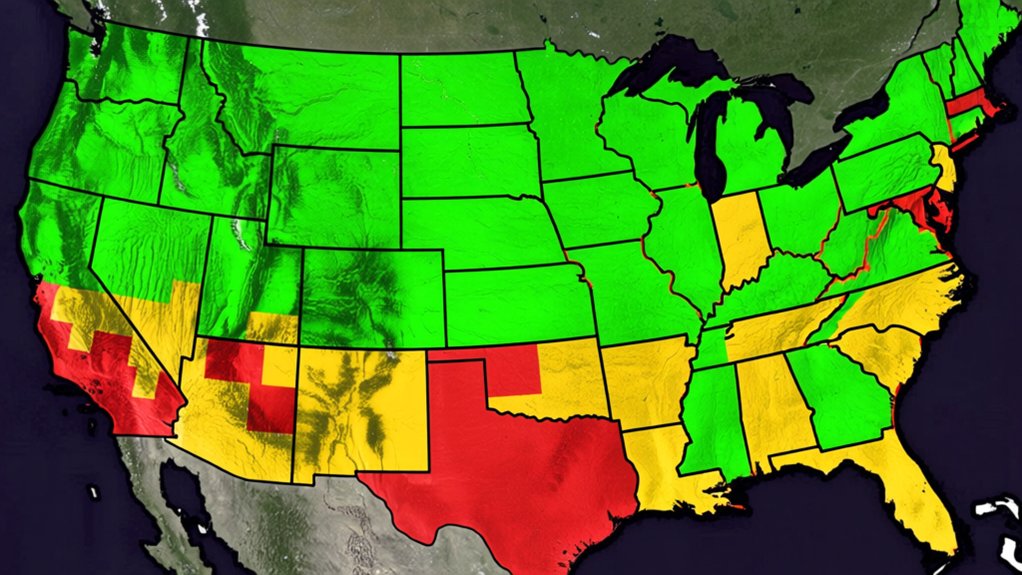
You can carry a concealed firearm in most states, but rules vary widely. Twenty-one states require permits with background checks, safety training, and sometimes live-fire tests. Meanwhile, 27 states allow permitless carry, emphasizing personal rights.
Training and reciprocity differ, so knowing state-specific details is key. Federal laws also restrict carrying near schools and federal buildings. Understanding these regulations helps you stay compliant and safe.
Keep exploring for a deeper look at permit types, training, and legal nuances.
Key Takeaways
- 21 states require permits for concealed carry, often including background checks, safety training, and sometimes live-fire testing.
- 27 states allow permitless or constitutional carry, requiring no permit, training, or background checks for concealed firearms.
- States with permit requirements operate under “shall-issue” or “may-issue” laws focused on legal prerequisites and public safety.
- Training and live-fire proficiency requirements vary, with states like California mandating strict courses, while others like Alabama have no training mandates.
- Federal laws restrict concealed carry in certain locations, such as K–12 schools, federal buildings, and transportation hubs, overriding state regulations.
What Are Concealed Carry Permits and Why They Matter
What exactly are concealed carry permits, and why do they matter? Concealed carry permits are official state-issued authorizations that allow you to legally carry a concealed firearm in public. They matter because they guarantee you meet strict criteria, including background checks, gun safety training, and sometimes live-fire testing, before carrying a weapon.
This process promotes responsible firearm ownership and helps regulate how and where you can carry a concealed gun. Following concealed carry etiquette is essential; it ensures you respect legal boundaries and public safety.
States Requiring Permits vs. Permitless Concealed Carry
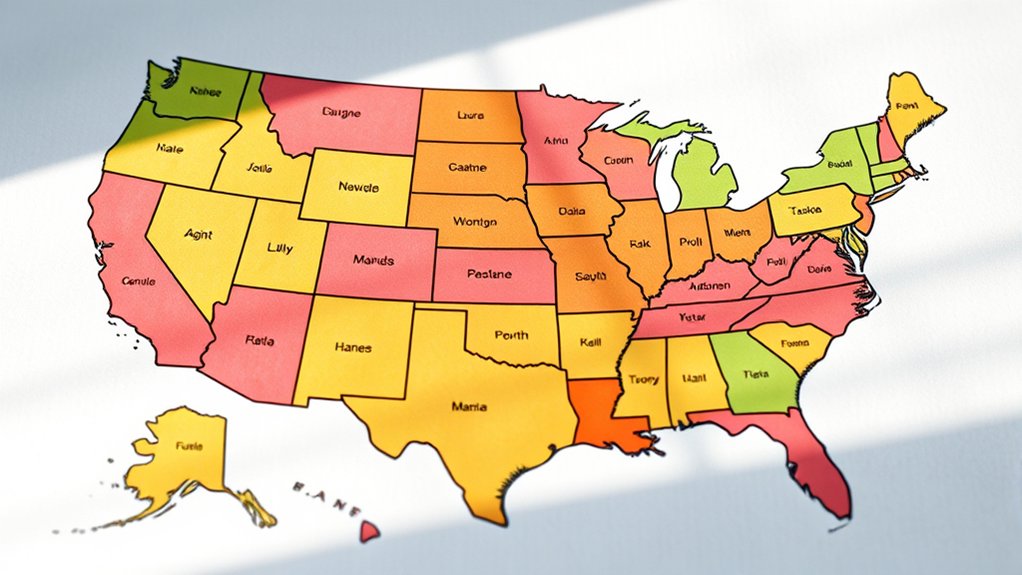
You’ll find that 21 states require a permit for concealed carry. These permits often come with mandatory training and background checks.
On the other hand, the rest of the states allow permitless carry, which is also called constitutional carry.
For example, states like California and Colorado have strict permit requirements.
Meanwhile, places like Alabama and Arizona let you carry concealed without needing a permit at all.
It’s really important to understand these differences, especially when you think about training standards and how permits work across state lines.
Permit Required States
How do states regulate concealed carry permits, and what distinguishes those requiring permits from those allowing permitless carry?
In 21 states, you have to get a concealed carry permit to carry legally. These states focus on gun safety and legal compliance by requiring background checks, firearm training, and sometimes live-fire demonstrations before issuing permits.
For example, California, Connecticut, and Hawaii require specific safety courses and firing tests. Permit-required states operate under either “shall-issue” laws, where authorities must grant permits if you meet the requirements, or “may-issue” laws, giving officials some discretion.
On the other hand, some states allow permitless concealed carry, but that’s a different topic.
In permit-required states, you’re ensuring responsible gun ownership by meeting legal prerequisites designed to boost public safety and keep firearm regulations in check.
Permitless Carry States
Why have 27 states embraced permitless concealed carry laws as of 2023? These states, including Alabama, Alaska, Arizona, and Idaho, have shifted toward expanding gun rights by removing permit requirements. This change reflects evolving concealed carry laws influenced by gun manufacturing advancements and legislative priorities.
Here’s what you should know about permitless carry states:
- No permit is needed to carry concealed firearms.
- Firearm training, background checks, and firing tests typically aren’t mandated.
- Certain sensitive locations like schools and federal buildings remain off-limits.
- The trend has grown markedly since 2010, emphasizing personal rights over regulatory barriers.
Understanding permitless carry helps you navigate the legal landscape and recognize how states balance gun rights with public safety concerns. It’s definitely a shift worth paying attention to if you follow gun laws or own a firearm.
Training And Reciprocity
While 27 states have removed permit and training requirements for concealed carry, others still keep strict rules. These rules often include mandatory firearm safety courses and live-fire testing. States like California and Connecticut enforce rigorous training standards, making sure permit holders complete thorough safety education.
Reciprocity agreements usually depend on these standards. They recognize permits only if the issuing state requires training and background checks. On the other hand, states such as Alabama and Idaho allow permitless carry, removing training prerequisites altogether.
So, understanding these differences is really important when you’re traveling with a concealed firearm.
| State | Training Requirement | Reciprocity Impact |
|---|---|---|
| California | Mandatory safety & live-fire | High recognition standards |
| Arizona | No permit or training needed | Limited recognition |
| Colorado | Mandatory training & testing | Recognized with conditions |
| Alaska | Permitless carry allowed | Minimal reciprocity |
Training and Firing Requirements for Concealed Carry Permits
You’ll find that training requirements for concealed carry permits vary quite a bit depending on the state. Some states require thorough safety courses along with live-fire instruction.
For example, California and Hawaii ask for both classroom training and proof of firing proficiency.
On the other hand, states like Florida have much lighter live-fire requirements.
It’s important to understand these differences because whether your out-of-state permit is recognized often depends on meeting certain training standards.
Training Mandates by State
Although training requirements vary widely, many states mandate both classroom instruction and live-fire proficiency tests for concealed carry permits. Understanding training prerequisites and certification processes is essential when applying. Here’s what you need to know:
States like California and Connecticut require firearm safety courses plus live-fire tests. Florida and Illinois specify a minimum number of rounds fired to demonstrate proficiency. Virginia and Idaho allow online training but still require live-fire for certification.
Alabama and Georgia have no formal training prerequisites, focusing solely on background checks. Training courses typically cover safety, legal responsibilities, handling, and marksmanship, lasting from a few hours to a full day.
You should check your state’s specific mandates to guarantee you meet all training and certification requirements. It’s always better to be prepared and know what to expect before you apply.
Live-Fire Instruction Requirements
Because live-fire instruction demonstrates practical firearm proficiency, many states require it as part of the concealed carry permit process. You’ll find states like California, Connecticut, and Hawaii demanding both firearm safety training and live-fire demonstrations.
Illinois and Nevada require a live-fire shooting test, while Florida mandates firing at least one shot. These requirements guarantee you understand ammunition regulations and proper firearm storage.
| State | Live-Fire Requirement |
|---|---|
| California | Safety training plus live-fire demonstration |
| Illinois | Mandatory live-fire shooting test |
| Florida | Minimum one shot fired |
Keep in mind, specifics vary widely, so check your state’s rules carefully to comply fully with live-fire instruction mandates. It’s always a good idea to stay informed and prepared.
How Concealed Carry Reciprocity Works Across States
When you carry a concealed weapon across state lines, whether your permit is recognized depends on state reciprocity agreements. These agreements are based on shared standards like training and background checks. State reciprocity determines if your concealed carry permit from one state is recognized in another.
Here’s what you need to know:
- Over 30 states have formal reciprocity agreements that let permit holders carry concealed legally in those states.
- Some states recognize all out-of-state permits, while others only accept those from states with similar requirements.
- You must carry both your permit and a valid ID when exercising reciprocity rights.
- Specific restrictions may limit where reciprocity applies within a state.
It’s a good idea to use updated maps or apps to check current reciprocity before you travel. That way, you can avoid any surprises and stay on the right side of the law.
Federal Laws Governing Concealed Carry Permits
Federal laws establish clear boundaries on where you can legally carry a concealed weapon, regardless of your state-issued permit. Under the Gun-Free School Zones Act, you can’t carry a concealed firearm within 1,000 feet of K–12 schools. Violating this leads to federal felony charges.
Additionally, federal gun control prohibits firearms in certain federal buildings, such as courthouses, post offices, and military installations. There are strict penalties under 18 USC § 930 for carrying firearms in these places.
While carrying firearms on federal lands like national parks is generally allowed, posted signs or specific regulations may restrict this. Transportation hubs such as Amtrak stations also ban firearms.
Recognizing these federal restrictions is essential for firearm safety and compliance. They supersede state laws and ensure consistent regulation across jurisdictions. So, it’s important to know these rules wherever you go.
Impact of Concealed Carry Laws on Safety and Crime
How do concealed carry laws influence public safety and crime rates? Research shows that states with stricter permit requirements generally experience lower firearm violence and improved safety outcomes. Here’s what you need to know:
States enforcing background checks and firearm safety training report reduced violent crime rates.
Shall-issue laws that ease permit access correlate with a 13-15% rise in firearm homicides. Proper gun storage and live-fire training help reduce accidental discharges.
Restrictive permit laws, like those in California and New York, are linked to fewer gun-related deaths.
Best Resources to Stay Updated on Concealed Carry Rules
Staying informed about concealed carry laws is essential for responsible firearm ownership and legal compliance. The USCCA website offers an all-encompassing “Learn & Prepare” section, providing up-to-date lessons on firearm safety, legal rights, and permit requirements.
Staying informed on concealed carry laws ensures responsible ownership and legal compliance through comprehensive, up-to-date resources.
Through community outreach, they promote firearm etiquette and awareness, enhancing safe practices. Members receive newsletters and exclusive alerts detailing changes in state laws and reciprocity agreements, helping you stay current.
You can access interactive maps and tools to verify which states recognize your permit and their specific rules. USCCA also supplies detailed guides for carrying in federal lands and sensitive locations.
Additionally, personalized support from the Member Engagement Team clarifies current laws and assists with compliance questions, making these resources indispensable for anyone committed to lawful concealed carry.
Frequently Asked Questions
Can Non-Residents Apply for Concealed Carry Permits in Certain States?
Yes, you can apply for non-resident permits in states like Florida and Utah. Just keep in mind that reciprocity agreements can vary quite a bit.
Your home state permit might affect whether you’re eligible or how your permit is accepted. Sometimes, you’ll need to meet specific training or residency requirements to qualify.
Are There Age Restrictions for Obtaining a Concealed Carry Permit?
You’ll face age restrictions for concealed carry permits, typically needing to be 21. However, some states allow you to get a permit at 18, but usually with certain conditions.
Permit eligibility often depends on meeting these age limits. You’ll also need to satisfy additional background checks or special requirements. So, it’s a good idea to check your state’s specific rules before applying.
What Items Besides Firearms Are Regulated Under Concealed Carry Laws?
Wondering what else you must consider besides guns? Accessory restrictions often include knives, pepper spray, and tasers. Some of these items also require background checks.
You really need to know these details to carry concealed legally and safely. It’s not just about the firearm itself! Understanding the rules for other weapons is just as important.
How Do Concealed Carry Laws Affect Carrying Firearms in National Parks?
You must follow park regulations and state laws when carrying firearms in national parks. Concealed carry affects your ability to respond to wildlife encounters safely.
Some areas restrict guns, so always check specific park rules first. It’s a good idea to be informed before you go. That way, you’re prepared and can enjoy the park without any issues.
Are There Penalties for Carrying Concealed Firearms Without a Permit?
Yes, you’ll face penalties for carrying concealed firearms without a permit. Concealed carry restrictions vary by state, and violating them can lead to fines or jail.
It’s really important to understand the permit application procedures. That way, you can avoid these legal consequences. Staying informed keeps you on the right side of the law.
Conclusion
Understanding which states require permits versus those allowing permitless concealed carry puts you right at the intersection of freedom and responsibility. Some states have strict training requirements and enforce reciprocity rules, while others are more lenient. It’s all about different approaches to public safety.
Staying informed helps you respect both federal and state laws. It’s about balancing your right to carry with the duty to carry safely. This knowledge gives you the confidence to navigate concealed carry with care.