What States Allow Concealed Carry Without A Permit – Permitless Carry States Guide
You can carry a concealed firearm without a permit in 29 states, provided you meet legal age and eligibility requirements. States like Alaska, Arizona, and Wyoming allow permitless carry with minimal restrictions. Of course, federal laws still apply.
Non-residents may face additional conditions, and sensitive locations often remain off-limits. Permitless carry broadens access, but each state’s rules vary regarding allowed firearms, training, and prohibited areas. So, it’s important to understand these nuances.
That way, you’ll know exactly what applies in your situation.
Key Takeaways
- 29 states allow concealed carry without a permit, including Alaska, Arizona, and Wyoming, subject to federal eligibility requirements.
- Permitless carry laws typically have no training or background check requirements for eligible adults.
- Some states still require permits for reciprocity or federal benefits despite allowing permitless carry.
- Permitless carry is restricted in sensitive locations like schools, courthouses, and bars in most states.
- Federal laws prohibit certain individuals from carrying firearms, regardless of state permitless carry laws.
What Is Permitless Carry?
What does permitless carry mean for you as a firearm owner? It means you can carry a concealed firearm without obtaining a state-issued permit or license.
In states with permitless carry laws, adults legally allowed to possess firearms often face no training requirements or background checks specifically tied to carrying.
However, these laws vary. Some states still require permits for concealed carry while allowing open carry without one.
Importantly, federal restrictions remain in place, preventing certain individuals from carrying firearms regardless of state laws.
Understanding that permitless carry removes some procedural barriers highlights how access to carrying firearms has expanded.
But it also emphasizes the need for personal responsibility and awareness of ongoing legal constraints beyond permit issuance.
States Allowing Permitless Concealed Carry
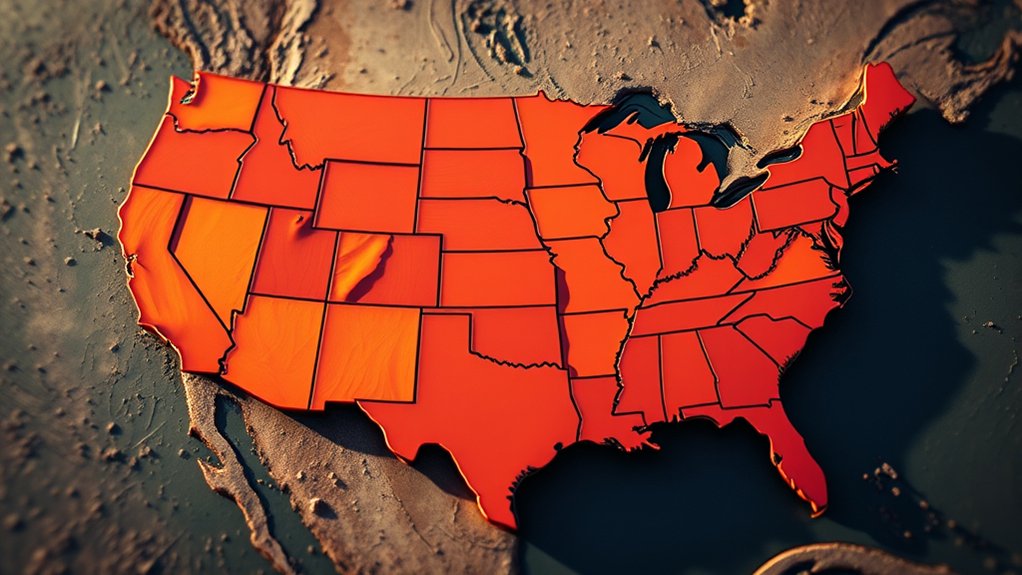
You can carry a concealed firearm without a permit in 29 states as of 2023. However, you still need to meet federal eligibility requirements, like being of a certain age and having the proper legal status.
Now, some states—like Alaska and Arizona—don’t require a permit or any training at all. But other states might still issue permits, mainly for things like reciprocity with other states or for federal benefits.
Permitless Carry States
How do permitless carry laws impact firearm access across the United States? As of 2023, 29 states allow you to carry a concealed firearm without a permit, considerably broadening access.
States like Arizona, Alaska, and Wyoming have long embraced this approach, applying it to both residents and non-residents.
Legal interpretations vary, but most permitless carry states don’t require firearm safety training or background checks. This raises concerns about responsible use.
Open carry is also permitted without a permit in several of these states, such as Vermont and Idaho, further expanding firearm accessibility.
However, federal restrictions still apply, barring certain individuals like felons and domestic abusers from carrying concealed weapons.
Understanding these nuances is essential when steering through permitless carry laws and their implications for public safety.
Eligibility And Conditions
When can you legally carry a concealed firearm without a permit in permitless carry states? Generally, you must be of legal age, usually 18 or 21, and legally eligible to possess a firearm under federal and state law.
You also need a clean criminal record, free from felony convictions or domestic violence misdemeanors.
Some states, like North Dakota, allow non-residents to carry permitless if they meet these criteria.
While most permitless carry laws don’t impose training requirements, you still have to follow strict carry restrictions. These typically prohibit carrying in sensitive locations such as schools, courthouses, and bars.
Additionally, you must be in a lawful place where carrying is permitted.
Often, you’ll need to pass background checks when purchasing firearms. This ensures responsible eligibility and compliance.
Who Can Carry Without a Permit?

Who qualifies to carry a concealed firearm without a permit in permitless carry states? In these states, anyone legally allowed to own a firearm can carry concealed without going through the usual licensing steps. But keep in mind, federal rules still prohibit certain people from carrying. So, it’s really important to stay safe and follow the law.
Here are the key qualifications:
- You have to be at least 18 or 21 years old, depending on your state’s law.
- You can’t be federally prohibited from owning a firearm, which includes felons or people convicted of domestic violence.
- You need to carry only in places where permitless carry is allowed, and you have to follow any state-specific restrictions.
Knowing these rules helps you stay on the right side of the law while exercising your rights responsibly in permitless carry states.
Where Permitless Carry Is Prohibited
Although many states have embraced permitless carry, several maintain strict prohibitions that require you to obtain a license before carrying a concealed firearm. States like New York, Illinois, California, New Jersey, and Massachusetts explicitly ban permitless carry. They mandate you follow gun safety regulations, including background checks and licensing.
In these places, carrying a concealed firearm without a permit is illegal. Some states even enforce firearm registration requirements. Plus, a few restrict permitless carry to specific firearms or locations to keep tighter control.
You have to comply with these laws to avoid legal trouble. Knowing where permitless carry is prohibited helps you understand the differences in state laws. It also shows why following firearm registration and gun safety rules is so important to carry responsibly and lawfully.
How Federal Laws Affect Permitless Carry
You should know that federal laws place certain restrictions on who can carry firearms, no matter what your state’s permitless carry rules say. These laws don’t just stop there—they also influence how permits are recognized across different states, which can make reciprocity a bit tricky for permit holders.
Federal Restrictions Overview
How do federal laws shape the landscape of permitless carry across states? Even if your state allows permitless carry, federal restrictions still apply. These laws set clear boundaries and exemptions that influence how you carry concealed firearms.
First, federal law requires licensed dealers to perform background checks through NICS. But private sales in many permitless states often skip this requirement, which creates gaps in screening.
Also, qualified law enforcement officers have nationwide concealed carry rights that override state rules.
Certain places like federal buildings and military bases prohibit firearm possession no matter what state laws say. So, these locations limit where you can carry.
Knowing these federal rules helps you navigate permitless carry responsibly and legally. It’s all about balancing state freedoms with federal mandates.
Permit Recognition Challenges
Federal laws grant qualified law enforcement officers nationwide concealed carry privileges that bypass state permit requirements, but civilian permit recognition remains fragmented.
While you may carry without a permit in certain states, many permitless carry states don’t recognize out-of-state permits, which can complicate matters if you travel with a concealed firearm.
State reciprocity agreements vary widely. Federal proposals to mandate uniform permit recognition could considerably alter these dynamics.
You face legal challenges maneuvering conflicting state statutes, especially since some permitless carry states still require recognition of out-of-state permits for reciprocity.
Ultimately, although federal law provides broad privileges to law enforcement, your concealed carry rights depend heavily on individual state reciprocity rules.
Reasons Some States Still Require Permits
Although permitless carry laws have gained traction, several states still require permits to guarantee that individuals undergo background checks and safety training before carrying concealed firearms. This approach helps regulate access to firearms and promotes responsible handling.
You’ll find three primary reasons states maintain permit requirements:
- Training requirements ensure carriers understand firearm safety and legal responsibilities.
- Background checks screen out individuals who may pose a risk to public safety.
- Permits help states maintain records of lawful carriers and enforce restrictions in sensitive areas.
How to Stay Updated on Permitless Carry Laws
Staying informed about permitless carry laws requires consistent effort and access to reliable sources. You should regularly check official state government websites and legal resources, which provide updates on law enforcement procedures and licensing processes.
Consistently monitoring official state websites ensures you stay updated on permitless carry laws and licensing changes.
Subscribing to firearm rights organizations like USCCA or NRA guarantees you receive timely alerts on legislative changes across states.
Additionally, following reputable news outlets and legal blogs helps you monitor ongoing developments related to concealed carry laws. Attending local firearm training events or seminars offers practical insights and updates on current regulations.
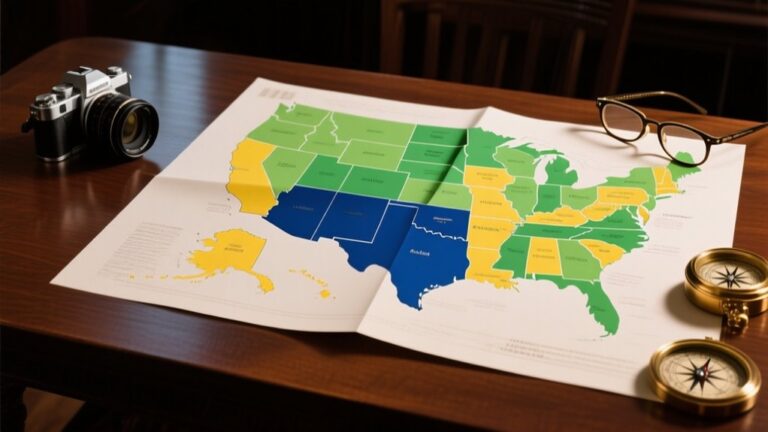
To further streamline your research, use online mapping tools and legal databases that consolidate state-specific permitless carry statutes.
Frequently Asked Questions
Can Permitless Carry Affect Gun Insurance Coverage?
Yes, permitless carry can affect your insurance coverage by changing concealed carry requirements. You’ll want to take a close look at your policies to understand how these changes might impact you.
Insurers might adjust their terms or even exclude coverage if you carry without a permit in places where permits used to be required. So, it’s really important to stay informed and review your policy carefully.
How Do Permitless Carry Laws Impact Private Property Rights?
Think of private property as a fortress; permitless carry laws respect your property rights, letting you decide if firearms enter. They don’t weaken your control but affirm your authority to permit or restrict guns on your land.
Basically, these laws put the power back in your hands. You get to call the shots when it comes to firearms on your property. It’s about respecting your space and your rules.
Are There Training Requirements for Permitless Carry?
You won’t always face concealed training or gun safety requirements for permitless carry, but some states like Colorado and Nevada do mandate specific safety or live-fire training.
This helps guarantee responsible firearm handling and legal compliance.
How Does Permitless Carry Affect Reciprocity With Other States?
Permitless carry complicates state reciprocity since many states require valid permits for carry agreements. You’ll find limited reciprocity because permitless states often don’t recognize out-of-state permits. This affects your ability to carry across state lines legally.
What Are the Penalties for Violating Permitless Carry Laws?
If you violate permitless carry laws, you could face fines, jail time, or felony charges. This is especially true if you ignore gun storage rules or skip background checks.
Penalties might also include suspension of your firearm rights and mandatory safety courses. It’s important to follow all the rules to avoid these consequences.
Conclusion
Charting the landscape of permitless carry is like steering through shifting sands. You need a steady grasp of each state’s rules to move confidently. While many states embrace the freedom to carry without a permit, others still require a formal key to open that right.
Understanding where and how you can carry guarantees you stay on the right path, avoiding unexpected legal shadows. Staying informed is your best compass in this evolving terrain.