Are Gun Ranges Safe – Safety Facts Explained
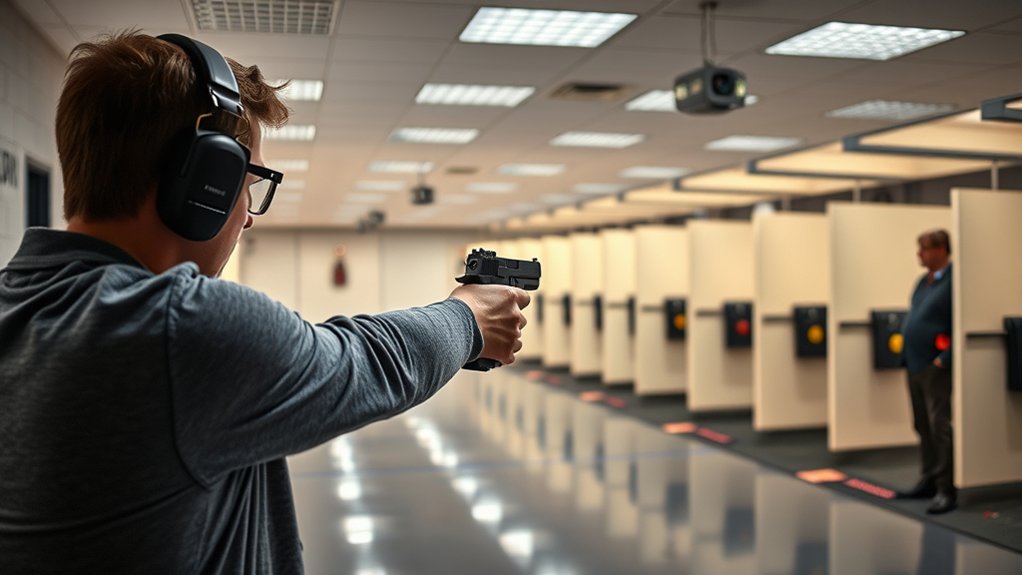
Gun ranges are safe when you follow strict safety rules, use proper protective gear, and respect protocols enforced by trained Range Safety Officers. Always keep firearms pointed downrange and obey commands like “cease fire.”
Wearing eye and ear protection is essential to prevent injuries. Properly managing targets and ammunition also helps reduce risks.
Staying attentive and responsible at all times makes a big difference. When you understand these basics, you’ll feel more confident and in control every time you’re at the range.
How to Handle Firearms Safely at the Range
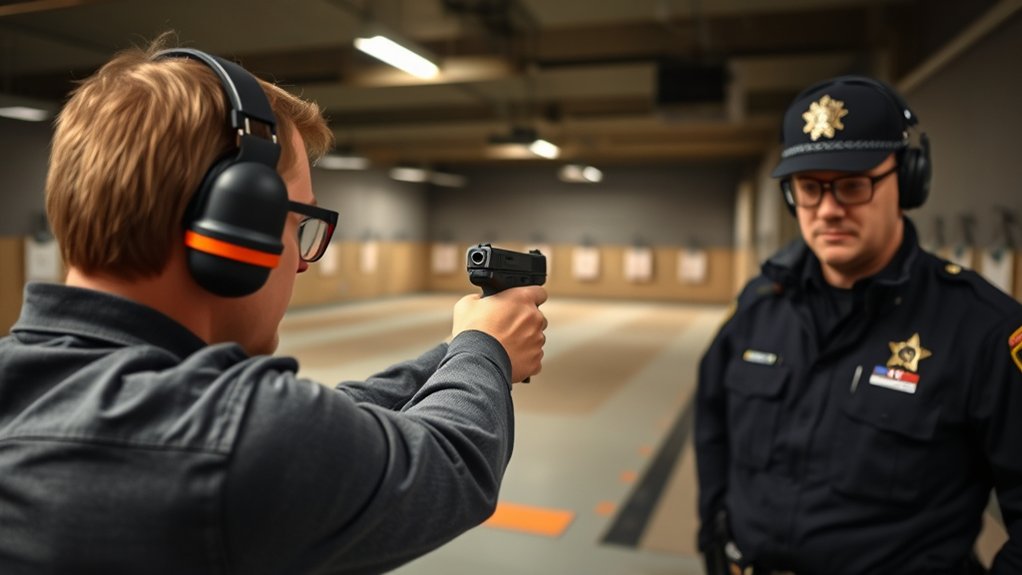
When you handle firearms at the range, always keep them pointed downrange. Make sure they’re unloaded before moving or passing them to someone else.
Practicing proper firearm safety means keeping your finger off the trigger until you’re ready to shoot. Confirm that your target and the area around it are clear before you start shooting.
Keep your finger off the trigger until ready and always ensure your target and surroundings are clear before shooting.
Always wear eye and ear protection — it helps protect you from noise and flying debris. Before handling or handing a firearm to someone else, open the action and visually check for any ammunition.
Pay close attention to commands from the range safety officer. If you hear “cease fire,” immediately stop shooting.
During a cease fire, ensure all firearms are unloaded and the muzzle is pointed safely downrange. Following these simple rules keeps everyone safe and creates a secure environment for shooting.
Why Following Gun Range Safety Officers Is Crucial
Although you might feel confident handling firearms, following the instructions of Range Safety Officers (RSOs) is really important for keeping everyone safe.
RSOs make sure everyone follows the safety rules, which helps reduce the chances of accidents and injuries. They’re trained to spot unsafe handling and step in quickly to prevent problems from getting worse.
When an RSO calls for a cease fire, it’s best to follow their command right away. This helps keep control and protects both shooters and spectators.
RSOs also do important safety checks, like making sure firearms are unloaded before entering shooting areas. This is a key step in preventing accidents.
How Wearing Protective Gear Keeps You Safe
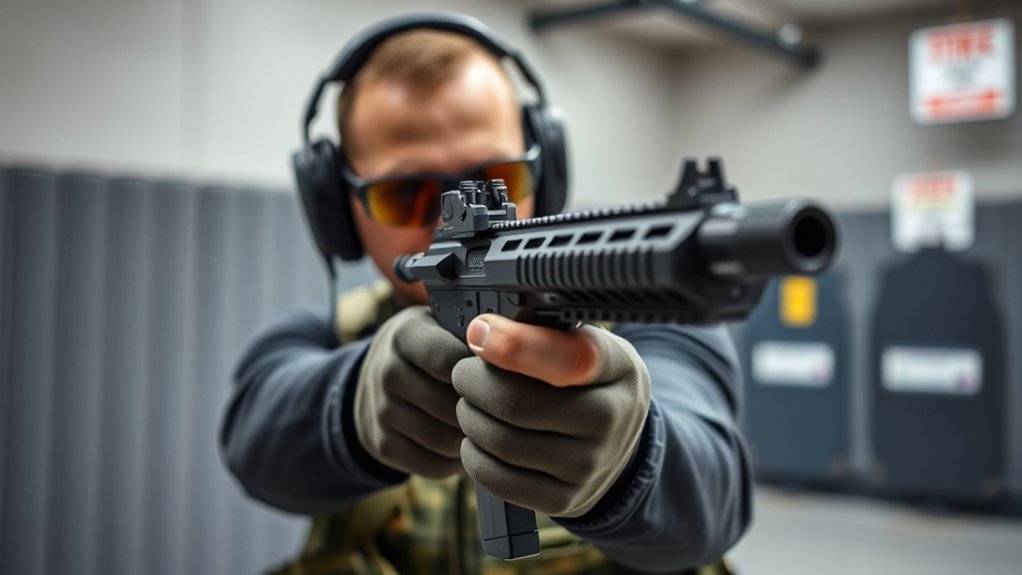
Wearing the right protective gear is super important when you’re at the shooting range. For your eyes and ears, it’s all about choosing the right stuff.
Quality safety glasses are designed to meet strict impact standards, so they really help keep your eyes safe from any flying debris or accidental hits. And don’t forget about your ears—electronic ear muffs can cut down the noise by up to 33 decibels, which is a big help in preventing permanent hearing damage.
Plus, this gear isn’t just about safety; it also helps you stay focused. When you’re protected, you can concentrate better on handling your firearm safely and confidently.
Eye Protection Importance
Because eye injuries account for about 70% of range-related accidents, wearing proper eye protection is crucial for your safety.
At the shooting range, flying debris, bullet fragments, and ejected casings all pose serious risks to your eyes. Wearing safety gear that includes protective glasses certified to ANSI Z87.1 standards can block up to 99% of these hazards.
Ignoring eye protection significantly increases your chances of getting corneal scratches, lacerations, or even permanent vision loss.
Making eye protection a part of your routine is a simple but effective way to reduce injuries and stay safe.
Always prioritize protective glasses as a non-negotiable part of your safety gear on the range. This helps safeguard your vision and ensures a secure shooting experience.
Ear Protection Benefits
Wearing ear protection can cut noise levels by up to 30 decibels, shielding your hearing from loud gunfire sounds. Without it, you’re at risk of permanent hearing damage and other issues.
Electronic ear muffs are especially effective. They block harmful noise while still amplifying quieter sounds, so you can stay aware of your surroundings. This makes them great for communication and safety.
Consistently using ear protection helps prevent tinnitus, that persistent ringing you get from loud noises. It’s an easy way to protect your ears in the long run.
Here’s why ear protection is important:
- It lowers noise levels to prevent hearing damage.
- It amplifies important sounds for better communication.
- It reduces the risk of hearing loss caused by repeated gunfire.
- It helps you hear range commands clearly, keeping you safe.
Prioritize ear protection to safeguard your hearing and stay safe on the range.
Proper Protective Gear
Although some people might underestimate how important it is, wearing proper protective gear can really cut down your risk of injury at the range.
For example, eye protection like ANSI Z87.1 glasses can prevent up to 90% of eye injuries caused by ricochets, debris, or shell casings. That’s a huge difference when you think about it.
Pairing this with good ear protection—like electronic earmuffs or earplugs—can lower noise levels by 20 to 30 decibels. This doesn’t just protect your hearing; it also helps you stay focused and comfortable.
Proper safety gear also shields you from hot gases, lead dust, and other hazards that come with shooting. When you wear the right equipment consistently, you’re less likely to mishandle your firearm accidentally.
Studies show that shooters who follow safety protocols and wear protective gear are about 50% less likely to get hurt.
Understanding Range Status and Communication Procedures
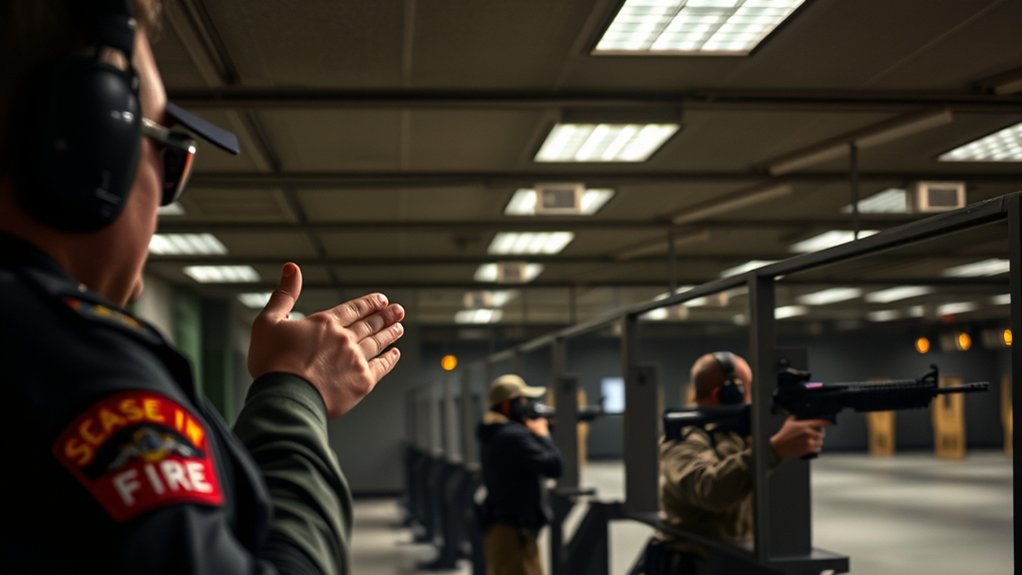
When you enter a gun range, it’s important to understand the signals and communication procedures to stay safe. Range status is communicated through signals like the “Cease Fire” command, which you must obey immediately.
Range conditions are either Hot, meaning you can fire, or Cold, which requires all firearms to be unloaded with actions open. Always confirm the range status before handling your firearms.
Follow all range signals and communication promptly. Only approach the firing line when the range is Cold. When the range is Hot, you can move firearms and shoot.
Why Ammunition and Target Rules Matter at Gun Ranges
When you’re at the gun range, it’s really important to use the right ammunition size and type. If you don’t, you could run into dangerous malfunctions or even damage your firearm. Sticking to the correct ammunition helps make sure your gun operates safely and reliably.
Also, paying attention to target alignment is key. Making sure your target is properly positioned keeps your shots within the range boundaries. This not only helps prevent accidents but also keeps everyone safe and avoids property damage.
Following these simple rules helps create a secure and enjoyable shooting environment for everyone involved.
Proper Ammunition Usage
Because using the correct ammunition and following target rules are so important, always make sure the caliber and type match what your firearm’s manufacturer specifies.
Using the proper ammo helps prevent malfunctions and barrel obstructions, which are safety hazards on the range. It’s also crucial to follow range rules that restrict certain ammunition types to protect everyone.
Shooting only at designated targets keeps rounds within safe boundaries and reduces the risk of accidents to others nearby.
Keep these points in mind for safe shooting:
- Confirm that your ammunition matches your firearm before you fire.
- Avoid reloaded or improper ammo, as it can cause misfires or failures.
- Use only the ammunition types approved by the range rules.
- Always aim at the designated targets to prevent ricochets and accidents.
Following these simple guidelines helps ensure a safe and reliable shooting experience for everyone involved.
Target Alignment Importance
Although using the correct ammunition is essential, aligning your targets properly is just as important for range safety.
When your targets are correctly aligned, your bullets are more likely to hit their intended areas. This helps prevent stray rounds from causing injury or damage.
Proper target placement at the right heights also reduces the chance of ricochets and keeps rounds within the designated range boundaries.
Misaligned targets or using the wrong ammunition can increase the risk of bullets missing their mark, which can compromise safety.
To keep everyone safe, always verify both target alignment and ammunition safety before you start shooting.
Following these simple rules supports responsible firearm use and helps maintain strict safety standards.
This way, everyone on the range stays protected.
Respecting Fellow Shooters and the Range Environment to Ensure Safety
When everyone on the range communicates clearly and follows commands like calling “cease fire” loudly, it helps create a safer environment and prevents accidents. Respecting fellow shooters and the range environment is really important for safety.
You must handle firearms responsibly—always pointing them in a safe direction and following all range commands without exception. Paying attention to where others are positioned is crucial to avoiding unsafe firearm handling.
To keep everyone safe and maintain a clean range environment, it’s important to communicate clearly and obey all commands right away.
Only handle and store firearms in designated areas. Never shoot when anyone is downrange or beyond the firing line.
Also, make sure to dispose of trash properly and recycle brass. Keeping the range clean helps everyone stay safe and makes the experience better for all.
Key Safety Rules Gun Ranges Enforce to Protect Shooters
Respecting others and following commands set the foundation, but gun ranges also enforce strict safety rules to protect everyone on site.
You must always point your firearm in a safe direction and keep your finger off the trigger until you’re ready to shoot. Proper handling includes unloading firearms when not in use and staying within designated shooting areas.
Eye and ear protection are mandatory to prevent injuries, so make sure you wear them at all times. Clear communication like calling “cease fire” helps maintain order and safety during shooting sessions.
The 180-Degree Rule is crucial. It ensures guns are pointed within a safe arc toward the backstop, reducing the risk of accidents.
Here’s a quick summary of key rules:
| Rule | Purpose | Application |
|---|---|---|
| Safe Direction | Prevent accidental shots | Always point firearm downrange |
| Eye and Ear Protection | Prevent injuries | Mandatory at all times |
| Handling Protocols | Avoid mishandling | Unload and verify clearance |
Frequently Asked Questions
How Often Are Gun Range Safety Rules Updated or Reviewed?
You should know that gun range safety rules are reviewed and updated regularly, often annually or whenever new standards emerge.
This process covers everything from firearm maintenance protocols to noise mitigation measures.
It also includes target security enhancements, lighting standards, ventilation systems, and the role of security personnel.
Staying current with these updates guarantees that ranges operate safely and efficiently, protecting everyone.
Don’t assume the rules stay the same forever. They evolve with new technology and safety research to keep you secure.
What Training Do Range Safety Officers Undergo?
Range safety officers undergo thorough training that covers firearm maintenance, range etiquette, safety gear, noise control, target placement, and ammunition storage.
You’ll learn how to lead with focused leadership, making sure everyone’s safety is a top priority. The training includes hands-on practice, emergency procedures, and developing clear communication skills.
You’ll get comfortable managing the range environment, enforcing rules, and quickly addressing any risks that come up. This way, you can confidently create a safe, controlled shooting space every time you’re on duty.
Are There Specific Safety Protocols for Children or Beginners?
Yes, gun ranges have strict safety protocols for children and beginners. You’ll find age restrictions and mandatory supervision to help keep everyone safe.
Beginners usually go through orientation sessions that cover important safety rules and how to handle firearms properly. It’s a good way to learn the basics before you start shooting.
You also need to wear proper safety gear, like eye and ear protection.
For minors, parental guidance is required to ensure they’re supervised at all times.
Many ranges offer youth programs designed to teach responsible firearm use in a controlled environment. These programs help kids and beginners build confidence while focusing on safety.
How Do Gun Ranges Handle Emergency Medical Situations?
Gun ranges handle emergency medical situations by having clear emergency protocols in place and making sure staff are trained in first aid. They display safety signs prominently, so everyone knows what to do quickly in case of an accident.
They also have fire safety measures set up to handle any hazards right away. If someone gets hurt, trained staff jump into action immediately. They work to stabilize the person and call professional medical help if needed.
This way, you can feel confident that they’re prepared for emergencies and will respond quickly when it matters most.
What Measures Prevent Unauthorized Access to Firearms at Ranges?
You’ll find gun ranges prevent unauthorized firearm access through strict storage security and access control measures.
They use advanced locking mechanisms on all firearms and secure storage areas. Surveillance systems monitor activity constantly, which helps keep an eye on everything happening on site.
Staff screening ensures that only trustworthy personnel are involved. Visitor registration logs everyone entering, so only authorized users gain access.
All of these steps come together to create a controlled environment. This way, you can feel confident that firearms stay protected and are handled responsibly.
Conclusion
At the gun range, safety is your steady compass, guiding every shot you take. By handling firearms responsibly and listening closely to range officers, you help keep everyone safe.
Respecting the rules is like building a shield of protection around yourself and others. Wearing your gear and following protocols are like locking the door to danger before it even knocks.
Remember, every careful action you take helps create a secure and respectful environment. Your safety is the safeguard in the pulse of every trigger pull.